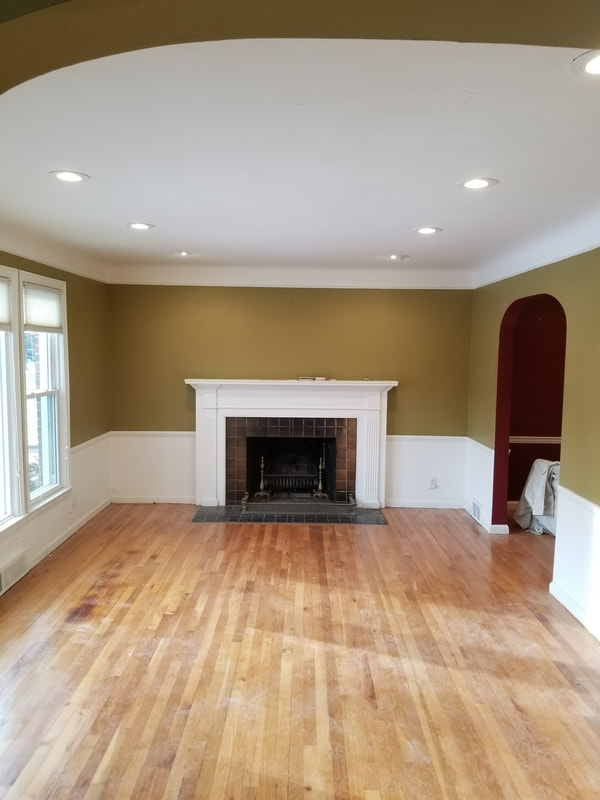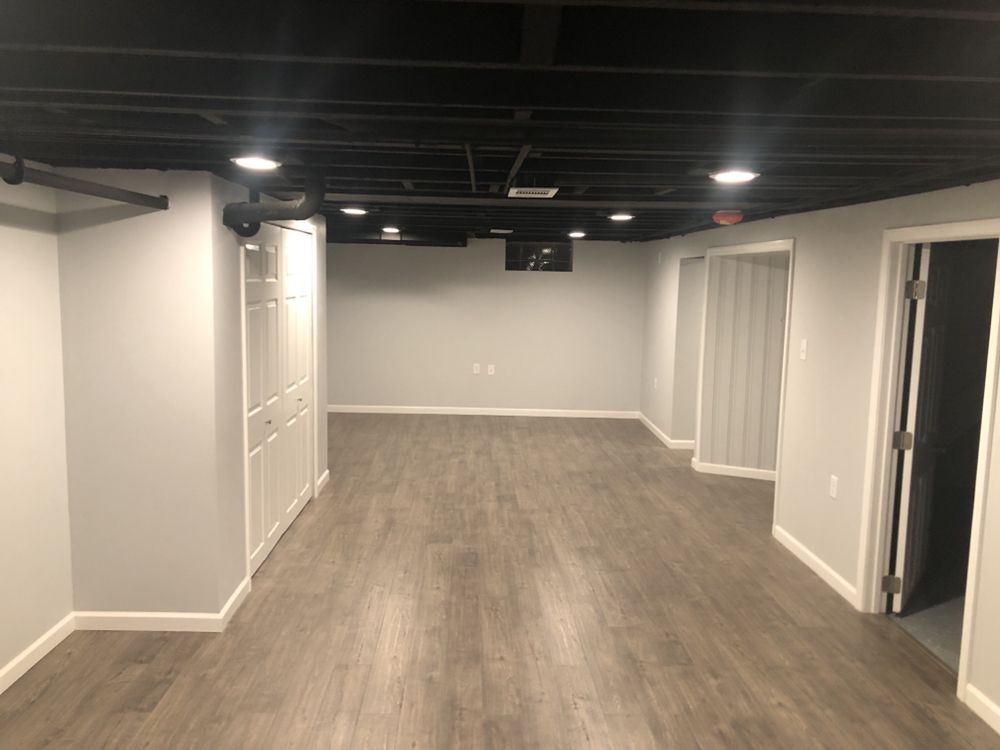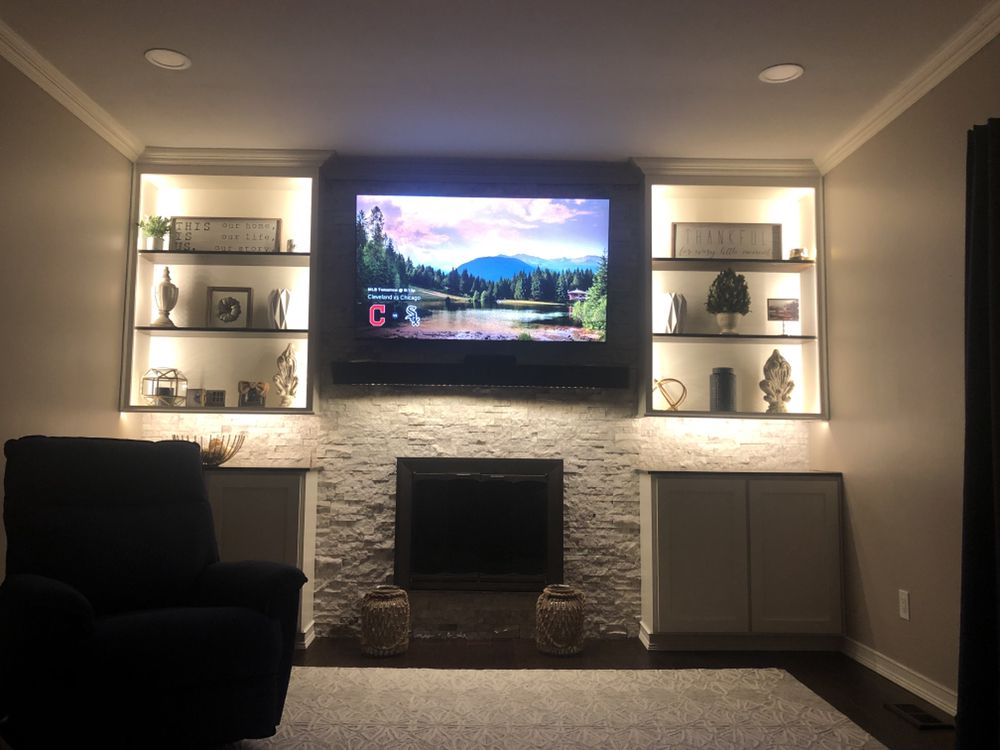
Recessed Lighting West Bloomfield, MI
Well-planned recessed lighting can make a West Bloomfield, MI kitchen easier to use, a living room more inviting, or a hallway feel safer and less shadowed without adding bulky fixtures to the ceiling. These low-profile lights are installed into the ceiling plane, directing light where it is needed while preserving a clean, open visual line. For homeowners weighing a lighting update, the important questions are not only where to put the fixtures, but also how many are needed, what type of trim fits the room, and how the new lights will work with existing electrical systems.
Executive Electric is located at 20504 Hall Rd, Clinton Township, MI 48038. Customers researching lighting improvements in West Bloomfield and elsewhere in Michigan can contact Executive Electric to discuss their project, room goals, and next steps. A thoughtful conversation before installation can help clarify whether recessed fixtures are the right fit or whether a combination of lighting types will better serve the space.
Why recessed fixtures change the way a room works
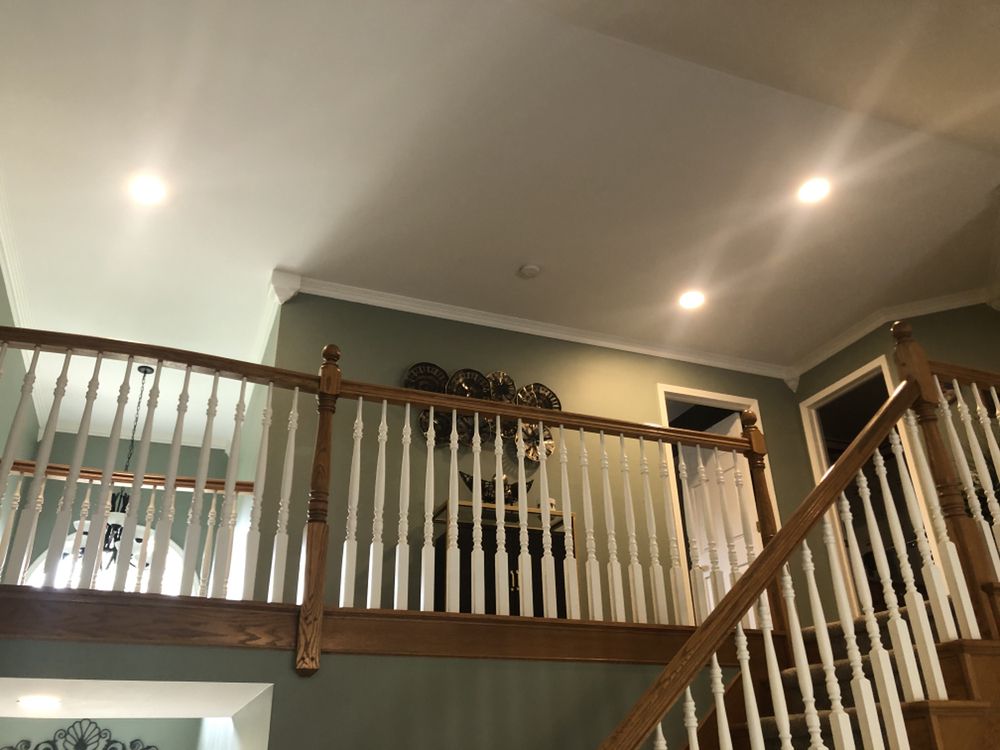
Recessed fixtures are most useful when a room needs broad, even illumination without a hanging light fixture occupying visual or physical space. Often called can lights, downlights, or pot lights, they sit within the ceiling and cast light downward. Their understated appearance makes them suitable for many rooms, but the layout must be designed around how the room is actually used.
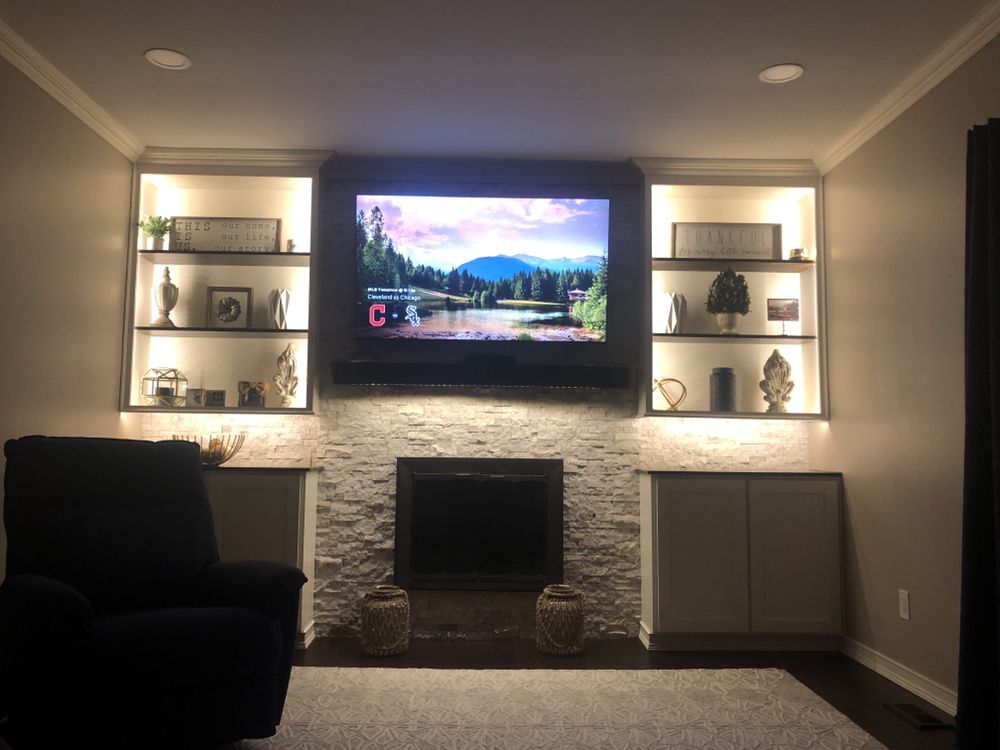
In a kitchen, for example, ceiling lights should support the work areas, not simply create a bright spot in the center of the room. In a family room, a dimmable layout can provide general light for everyday use and a lower level of illumination for relaxing or watching television. Bathrooms, closets, corridors, home offices, and finished lower levels can also benefit when ceiling-mounted lighting is planned around circulation, storage, grooming, or task zones.
- Cleaner ceiling appearance: Flush-mounted recessed fixtures can reduce visual clutter in rooms with lower ceilings or contemporary design preferences.
- More usable light: Multiple light points can reduce dark corners and help distribute illumination across a larger room.
- Targeted coverage: Fixture placement can support counters, islands, reading areas, artwork, shelving, or other focal points.
- Flexible atmosphere: Compatible dimming controls may allow the same room to shift from bright task lighting to softer ambient lighting.
The goal is not to place as many fixtures as possible. An overly dense grid can make a room feel flat or overly bright, while too few fixtures may leave important areas underlit. A useful lighting plan balances ambient light, task light, and accent light instead of expecting one fixture type to handle every need.
What to consider before choosing recessed lighting in West Bloomfield, MI
A successful recessed lighting project begins with the room, ceiling construction, and intended use. Ceiling height, available space above the ceiling, insulation, existing wiring, and the location of structural elements can affect fixture selection and placement. An electrical professional can evaluate these conditions before a homeowner commits to a layout or cuts into finished drywall.
Room purpose should guide the lighting layout
Start by identifying what needs to be illuminated. General lighting provides overall visibility, task lighting supports activities such as food preparation or desk work, and accent lighting draws attention to a feature or object. Recessed downlights can contribute to all three roles, but they are usually most effective as part of a layered plan.
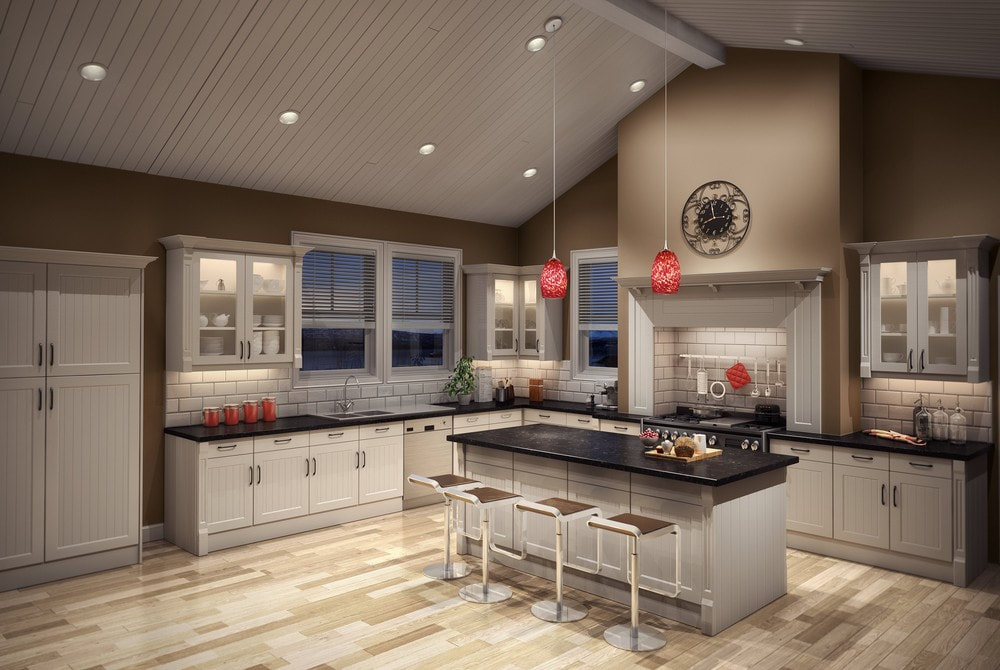
A kitchen may use recessed fixtures for general coverage, then add pendants over an island and under-cabinet lighting at the counters. A living room might pair ceiling downlights with floor lamps, table lamps, or wall sconces to avoid a single-source look. This approach gives occupants more control and can make a room feel more comfortable at different times of day.
Fixture housing, trim, and rating matter
The visible trim is only one part of a recessed fixture. The housing is installed above the ceiling, and its type must suit the installation environment. New-construction housings and remodel housings are designed for different installation circumstances, while insulated-ceiling conditions may call for housings rated for contact with insulation. Wet-location rated trims are important where moisture exposure is a consideration, such as certain bathroom or exterior covered applications.
Trim style also affects the result. Adjustable or gimbal trims can direct light toward a wall, feature, or work surface. Baffle trims can help manage glare, while reflector-style trims can produce a brighter appearance. The right choice depends on ceiling color, desired beam direction, room finishes, and the amount of visual emphasis the homeowner wants from the fixture itself.
Light quality is as important as fixture quantity
Modern LED recessed lighting offers a range of color temperatures, brightness levels, beam patterns, and dimming options. Color temperature is commonly described from warmer to cooler white light. A warmer tone may feel comfortable in bedrooms and gathering spaces, while a more neutral or cooler appearance may be preferred for detailed tasks. Preferences vary, so it is worth considering how the selected light will interact with paint colors, cabinetry, flooring, and natural daylight.
Brightness should be selected for the room and the fixture layout, rather than judged by wattage alone. The dimmer and LED products also need to be compatible for reliable control. Discussing these choices early helps avoid a finished space that is too harsh, too dim, or difficult to adjust.
A practical installation process for ceiling downlights
Installing recessed lighting involves more than cutting circular openings in a ceiling. The project requires planning the fixture locations, assessing electrical access, routing wiring appropriately, mounting housings, making connections, and completing the trim and control setup. Conditions behind the ceiling can influence the scope, especially in an existing finished home.
- Discuss the room and objectives. Identify dark areas, work zones, architectural features, existing fixture locations, and the desired feel of the space.
- Review the proposed placement. Consider ceiling joists, access above the ceiling, insulation, switches, and other factors that may affect the layout.
- Select fixture and control options. Decide on suitable housings, trim appearance, LED light characteristics, and dimming needs.
- Complete installation and connection work. The electrical work is performed with attention to the project conditions and the selected equipment.
- Test operation and evaluate coverage. Once the lights and controls are operating, the room can be assessed for usable illumination, glare, and desired mood.
Existing ceilings can present unique considerations. An attic, unfinished space above, or accessible ceiling cavity may simplify portions of the work, while a finished upper level can require a different installation approach. Homeowners should also mention any planned renovations, such as new cabinetry, a ceiling repair, or paint work, because sequencing can affect the final result.
When recessed lighting is a good choice, and when another option may help
Recessed lighting is a strong option when the priority is unobtrusive overhead light, but it is not automatically the answer for every room. A decorative chandelier, pendant, flush-mount fixture, track lighting system, or wall sconce may better match a particular ceiling, furnishing plan, or design goal. In many spaces, the best result comes from combining recessed fixtures with one or more visible decorative or task-lighting elements.
Consider a different approach if a room has a very shallow ceiling cavity, a ceiling treatment that should remain uninterrupted, or a focal point that would benefit from a statement fixture. Likewise, a dining table or kitchen island may need light centered specifically over the surface, which is often better handled by pendants or a decorative fixture. Recessed fixtures can still provide supporting ambient light around those features.
For property owners comparing options, recessed lighting is worth considering when a streamlined ceiling, broader coverage, and controllable layers of illumination are priorities. The right decision should account for practical use, ceiling conditions, visual preferences, and the need for future flexibility, rather than following a one-size-fits-all pattern.
Questions to bring to your lighting project
Clear project details help make an initial conversation more productive. Before contacting an electrical provider, it can help to take note of the room dimensions, ceiling height, current fixture locations, areas that feel dim, and whether switches or dimmers already exist. Photos and a brief description of the intended use of the room can also provide helpful context.
- Which areas need general light, and which need focused task lighting?
- Will the fixtures be installed in a remodelled room or as part of a larger renovation?
- Is a dimmer desired, and should different groups of lights be controlled separately?
- Are there ceiling fans, beams, skylights, vents, or other features that may affect placement?
- What light appearance will work best with the room’s finishes and the amount of daylight it receives?
Provider selection should also involve practical communication. Ask how the room conditions will be reviewed, whether the proposed layout will be discussed before work begins, and what equipment considerations may affect the plan. A clear explanation of the scope helps homeowners make a more informed decision about their lighting update.
Plan your West Bloomfield lighting update with Executive Electric
Good ceiling lighting should make daily routines easier while complementing the room’s design. Whether the goal is to brighten a kitchen, modernize a living area, improve a hallway, or add adjustable illumination to a work space, a project discussion can turn broad ideas into more specific choices. Executive Electric can be contacted by customers considering recessed lighting in West Bloomfield, MI and surrounding Michigan service needs.
Executive Electric is based at 20504 Hall Rd, Clinton Township, MI 48038. Contact Executive Electric to discuss your lighting goals, room conditions, and next steps for a recessed lighting project.
Frequently asked questions about recessed lighting
How many recessed lights does a room need?
The right number depends on room size, ceiling height, fixture output, beam spread, wall colors, daylight, and how the room is used. A lighting layout should cover important areas without creating excessive brightness or glare. Task zones often need more intentional placement than open circulation areas.
Can recessed lights be added to an existing finished ceiling?
Yes, recessed fixtures can often be added to an existing finished ceiling, but the installation approach depends on access above the ceiling, joist locations, insulation, wiring routes, and the chosen fixture housing. An assessment helps determine a practical layout and identify conditions that may affect the work.
Are LED recessed lights dimmable?
Many LED recessed light products are designed to work with dimmers, but compatibility matters. The selected LED fixture or lamp and the dimmer control should be appropriate for one another. Confirming the control setup during planning can help support smooth adjustment and avoid flickering or limited dimming range.
Does Executive Electric have an office in West Bloomfield, Michigan?
Executive Electric’s supplied location is 20504 Hall Rd, Clinton Township, MI 48038. The company is not presented here as physically located in West Bloomfield. West Bloomfield customers can use the contact page to ask about a recessed lighting project and available next steps.