Residential Electrician West Bloomfield, MI
Electrical concerns at home deserve a careful response, whether a breaker keeps tripping, a room needs better lighting, or you are planning an upgrade before a renovation. For homeowners looking for a Residential Electrician in West Bloomfield, MI, Executive Electric provides a clear point of contact for discussing household electrical needs and determining the appropriate next step.
Executive Electric is located at 20504 Hall Rd, Clinton Township, MI 48038. The company is not presented as having an office in West Bloomfield, so it is important to contact Executive Electric directly to discuss your project, property details, and service needs. A thoughtful conversation at the outset can help distinguish a small repair from work that requires a more complete evaluation.
When a home electrical concern calls for professional attention
A residential electrical issue may be obvious, such as a dead outlet, or gradual, such as lights that dim when another appliance starts. Electrical systems work behind walls, at the service panel, and in devices throughout the home, so the visible symptom does not always reveal the cause. A qualified assessment helps focus attention on the circuit, connection, device, or load involved rather than relying on repeated temporary fixes.
Homeowners commonly seek a home electrician when they want safer, more dependable power or when the electrical system needs to support a change in how the home is used. Older components, new appliances, finished spaces, and evolving household routines can all create reasons to examine wiring and circuit capacity. In Michigan, weather and seasonal demands can also make dependable indoor lighting, receptacles, and electrical equipment especially important.
- Breakers that trip repeatedly or fuses that operate unexpectedly
- Outlets or switches that are loose, damaged, warm, discolored, or unreliable
- Lights that flicker, dim, or fail to operate consistently
- Insufficient receptacles where cords and power strips have become a daily workaround
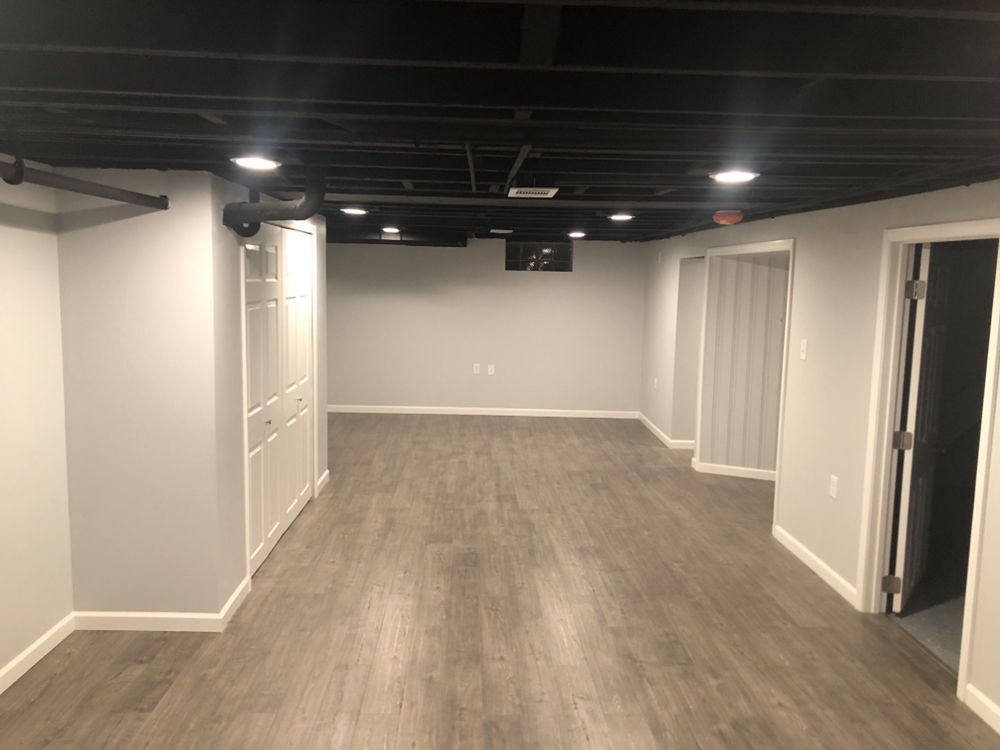
- Electrical planning for a kitchen, bathroom, basement, addition, or other renovation
- New equipment that may require a dedicated circuit or additional electrical capacity
Some conditions should not wait for a convenient project date. A burning odor, smoke, sparking, buzzing accompanied by heat, repeated breaker trips, or a shock from a device or fixture warrants stopping use of the affected equipment and seeking prompt professional guidance. Do not continue resetting a breaker simply to keep an appliance running, because the breaker may be responding to an underlying fault or overload.
Repair, replacement, or upgrade are different decisions
The right scope depends on the condition of the existing system and the goal of the project. A failed switch or receptacle may call for a targeted repair, while worn components, inadequate circuits, or a renovation may make replacement or an electrical upgrade more sensible. The useful question is not only, “Can this be fixed?” but also, “Will this solution support the way the space needs to function?”
For example, adding a fixture may be straightforward in one room but more involved when a circuit is already heavily used. Similarly, replacing a device can restore operation, but it may not resolve a recurring tripping problem caused elsewhere on the circuit. A residential electrical contractor can help identify which option addresses the actual concern and which options may create avoidable repeat work later.
Common residential electrical projects to plan carefully
Many electrical projects are best addressed before walls are closed, cabinets are installed, or finishes are completed. Good planning considers outlet placement, lighting control, circuit needs, future equipment, and how people will use the room. That approach can make a finished area more practical while reducing the likelihood that electrical changes will be needed immediately after a remodel.
Households in and around West Bloomfield often begin with a clear goal, such as brighter task lighting or power in a newly used room. The detailed plan develops from the home itself: existing wiring, access, panel capacity, device locations, and the equipment being added. Executive Electric can be contacted to discuss the specifics that matter to your property rather than relying on a one-size-fits-all assumption.
Lighting and controls can change how a room functions
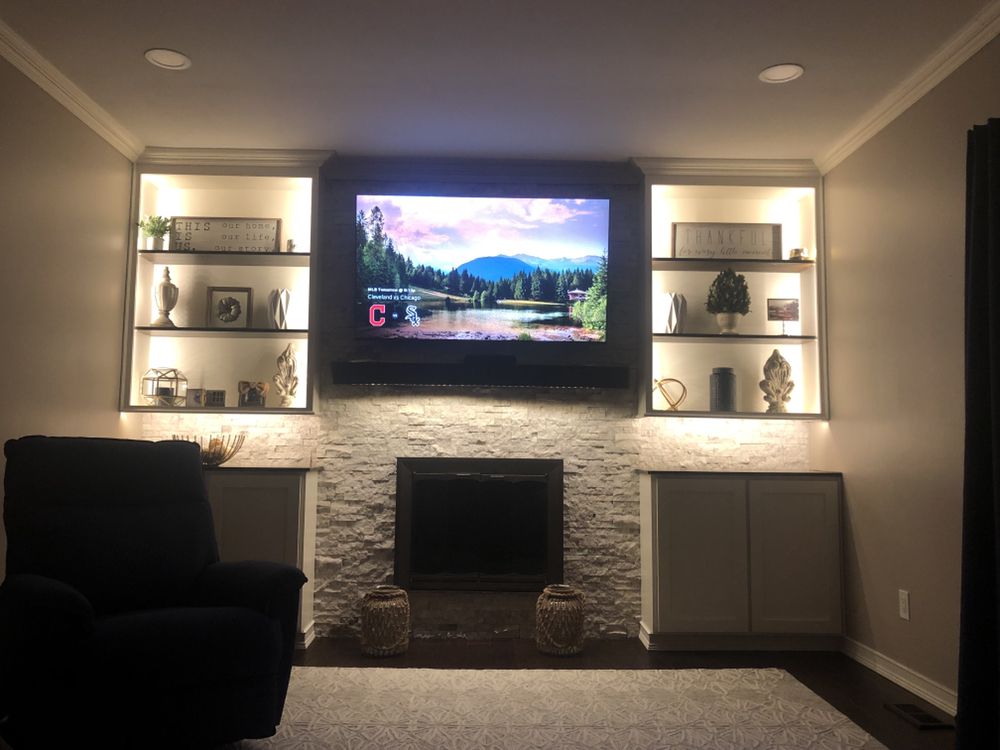
Lighting is more than a decorative finishing touch. Layered lighting can support cooking, reading, grooming, work, storage, and safe movement through a home. Ceiling fixtures, recessed lighting, task lighting, dimmers, and well-placed switches each serve different purposes, so planning should start with how the room is used at different times of day.
Control placement matters as much as fixture placement. A switch that is convenient at an entrance may not be enough for a larger room with multiple access points. Before scheduling work, consider where occupants enter and exit, where tasks occur, and whether separate lighting zones would make the space easier to use.
Circuits, panels, and dedicated power deserve a practical review
Circuits distribute power to areas and equipment in a home, while the electrical panel is central to managing those circuits. A dedicated circuit serves a specific appliance or piece of equipment rather than sharing power with general-use outlets and lighting. The need for one depends on the equipment, its electrical requirements, and the existing configuration.
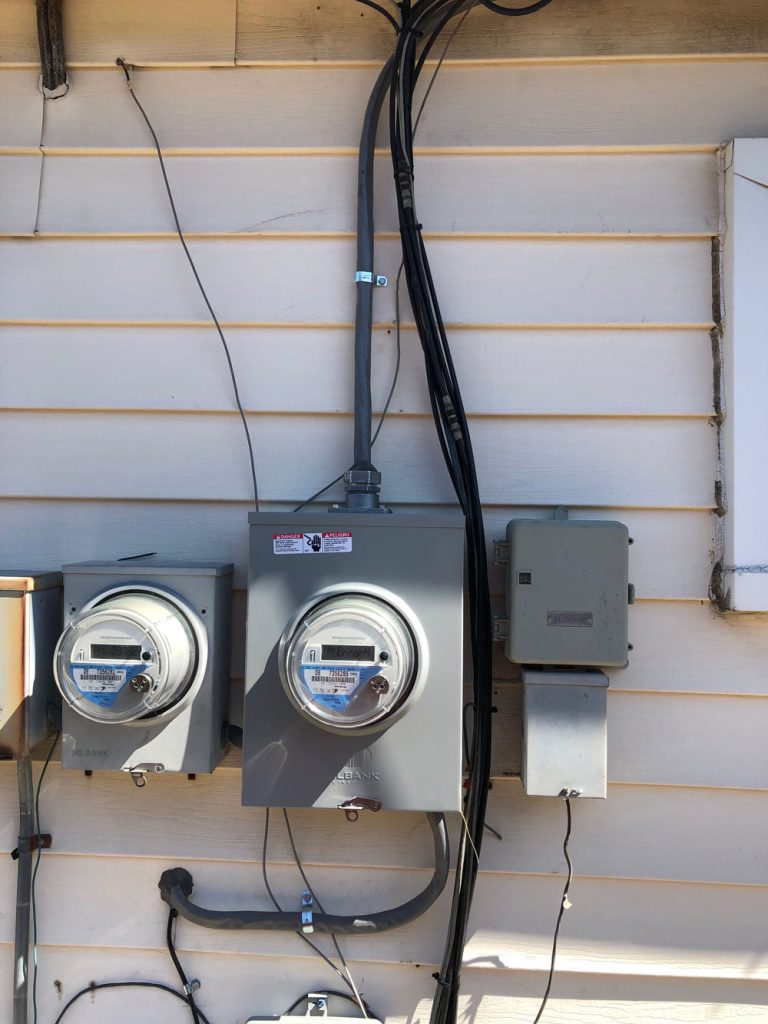
Panel work and circuit additions should be considered in the context of the complete system. Simply adding a device without understanding current load and available capacity can create an incomplete solution. A household electrician should have enough project information to evaluate the intended equipment, the affected area, and any symptoms the homeowner has noticed.
What to expect when you contact Executive Electric
A productive service conversation begins with a specific description of what is happening and what you want to accomplish. Executive Electric can use that information to understand whether your request involves troubleshooting, a repair, new installation work, or planning for a larger home improvement project. Clear details also help you ask better questions before deciding how to proceed.
If you are comparing providers, focus on communication and project fit rather than choosing solely on the shortest initial description of the work. Electrical work can involve conditions that are not visible until the relevant equipment or area is reviewed. A provider should be able to discuss the scope in understandable terms and explain what information is needed before work is defined.
- Describe the symptom or goal. Note which rooms, devices, breakers, or appliances are involved and when the issue occurs.
- Share relevant property details. Mention recent renovations, new equipment, recurring issues, and anything that changed before the problem started.
- Discuss the likely scope. Ask whether the concern appears to involve diagnosis, repair, replacement, added circuits, lighting, or a larger upgrade.
- Confirm project expectations. Clarify access needs, the areas affected, questions about permits or inspections where applicable, and what should be prepared before work begins.
- Review the completed work. Understand the controls, devices, and any operating guidance relevant to the project before considering the job finished.
For broader information about the type of work homeowners may need, the residential electrician services page provides a helpful starting point. For a specific West Bloomfield, MI request, the most useful next action is to share the actual symptom, project objective, and property context with Executive Electric.
How to choose the right approach for your home
The best electrical decision balances immediate needs with the expected use of the space. A quick repair can be appropriate for an isolated, clearly identified failure. A more comprehensive plan may be preferable when the same issue returns, when a room is being remodeled, or when new equipment will materially change electrical demand.
Homeowners do not need to diagnose electrical faults before contacting a professional. They do benefit from observing patterns and asking focused questions. Taking note of which breaker trips, whether an issue affects one device or several, and whether it began after an appliance or renovation change can make the conversation more informative.
Questions worth considering before work is scheduled
Start by identifying the outcome you need, not just the component you think should be replaced. If a receptacle does not work, for instance, the desired outcome is reliable and safe power in that location. That distinction leaves room to identify the cause rather than assuming the visible device is the only issue.
- Is the problem isolated to one outlet, fixture, appliance, or room?
- Does it occur consistently, or only when certain equipment is running?
- Has a breaker tripped more than once, and what was connected at the time?
- Is this a repair need, or part of a planned remodel or equipment installation?
- Will the finished space need additional outlets, lighting zones, or dedicated power?
- What access to panels, rooms, attics, basements, or work areas may be needed?
Do-it-yourself device changes can appear simple, but household wiring can involve hidden conditions, incorrect connections, overloaded circuits, or incompatible equipment. Turning off power at the panel is an important safety step, but it does not replace identifying the correct circuit, verifying that power is off, or understanding the system. When there is uncertainty, visible damage, recurring interruptions, or a planned alteration, contacting a professional is the more prudent path.
Answers for West Bloomfield homeowners
When should I call a residential electrician for a tripping breaker?
A breaker that trips repeatedly should be evaluated rather than reset over and over. The cause may be an overloaded circuit, a problem with connected equipment, or a wiring or connection issue. Stop using the affected circuit when practical, note what was running, and contact an electrical professional for guidance.
Can a residential electrician help with a renovation before construction is complete?
Yes. Electrical planning before walls, ceilings, cabinets, and finishes are completed can help determine outlet locations, lighting layout, switches, circuits, and power needs for future equipment. Early coordination is often more practical than making changes after the room has been finished.
Does Executive Electric have a physical office in West Bloomfield, MI?
Executive Electric is listed at 20504 Hall Rd, Clinton Township, MI 48038. The supplied location information does not identify a West Bloomfield office. Homeowners seeking service related to a West Bloomfield property can contact Executive Electric to discuss their needs and appropriate next steps.
What should I have ready when contacting an electrician about my home?
Share the address of the property, the rooms or equipment involved, the symptom or project goal, and any recent changes that may be relevant. Photos of visible damage can be useful when safe to obtain, but do not touch damaged wiring, hot devices, or sparking equipment to document the issue.
Discuss your residential electrical needs with Executive Electric
Whether you are responding to an electrical concern or organizing a home improvement project, a clear conversation can help you move forward with better information. Executive Electric is located at 20504 Hall Rd, Clinton Township, MI 48038, and can be contacted about residential electrical needs connected to homes in West Bloomfield and elsewhere in Michigan.
Contact Executive Electric today to describe your project, ask about the next step, and discuss the details that affect your home. Use the contact page to get started.