Generac generator installation West Bloomfield Township, MI
A professionally planned standby generator can keep essential parts of a home operating when utility power is interrupted. For homeowners seeking Generac generator installation West Bloomfield Township, MI, Executive Electric provides a clear starting point for discussing the electrical side of a permanent backup-power project. Executive Electric is located at 20504 Hall Rd, Clinton Township, MI 48038, and customers can use the consultation process to evaluate their property’s power needs, equipment placement, and connection requirements.
A standby system is not simply a generator placed outside. It is an integrated system that includes a properly sized Generac unit, an automatic transfer switch, electrical connections, fuel coordination, and startup testing. Thoughtful planning helps a homeowner decide whether the goal is to power a few critical circuits, such as refrigeration and heating controls, or to support much more of the home during an outage.
Michigan weather can bring conditions in which an extended power interruption is more than an inconvenience. A permanently installed generator can help maintain lighting, sump pump operation, home-office connectivity, food refrigeration, and selected comfort systems when the grid goes down. The right plan depends on the home’s electrical loads and the priorities of the people who live there.
What a Generac standby system does for your home
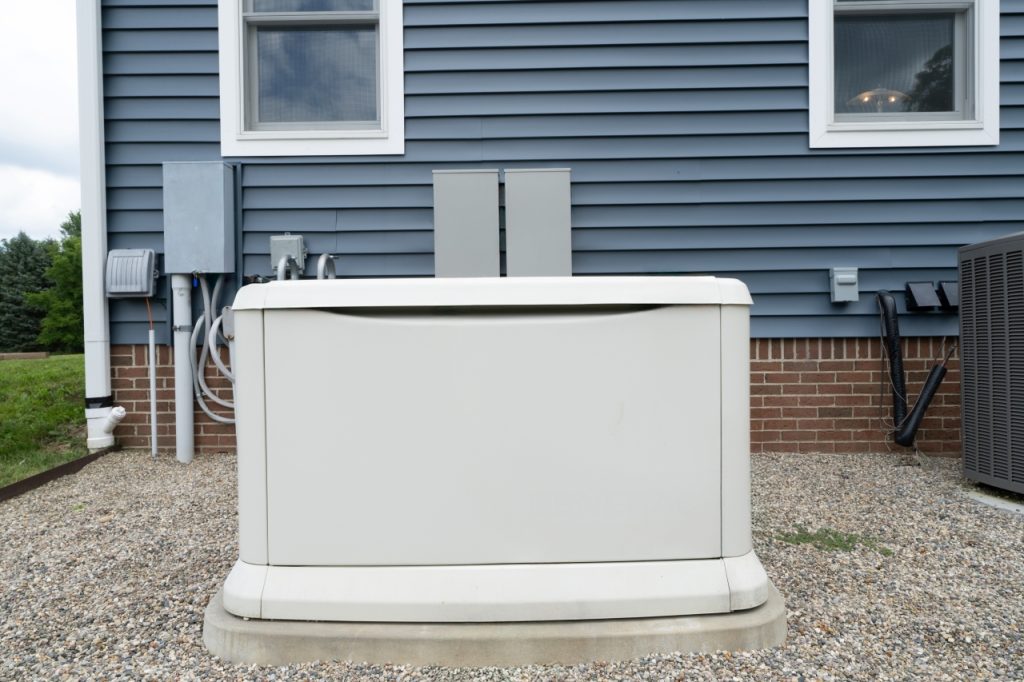
A Generac standby generator monitors incoming utility power and is designed to start automatically when an outage occurs. Once the transfer equipment has safely separated the home from the utility supply, the generator can feed the selected electrical loads. When utility power returns and the system recognizes stable service, it transfers the home back and completes its normal shutdown sequence.
Automatic backup versus a portable generator
The main difference is automation, capacity planning, and connection method. A portable generator can be a practical temporary option for limited loads, but it generally requires manual setup, refueling, and careful use of a properly installed inlet or transfer arrangement. A standby Generac system is fixed in place, uses an automatic transfer process, and is intended to respond without someone being home to wheel out equipment or run extension cords.
For many households, the value is less about powering every device and more about reducing disruption. A tailored backup-power design can prioritize the appliances and systems that matter most during an outage. That approach also keeps the discussion focused on realistic electrical demand instead of assuming that a larger unit is always the appropriate answer.
- Protect selected essentials, such as refrigeration, lighting, internet equipment, and sump pumps.
- Support heating or cooling equipment when the system design and generator capacity allow it.
- Reduce the need for manual generator setup in poor weather or after dark.
- Use an automatic transfer process that helps prevent generator power from feeding back into utility lines.
Planning a backup-power installation around real electrical demand
Generator sizing should begin with an honest picture of what the home needs to operate during an outage. Large loads, including central air conditioning, electric ranges, dryers, well pumps, electric heat, and certain hot-water equipment, can significantly affect capacity requirements. Starting wattage and running wattage are different, so a load evaluation must account for equipment that draws extra power when it first starts.
Choose between whole-home coverage and essential-load coverage
Whole-home backup is often appealing, but it is not the only sound solution. Depending on the electrical service, fuel supply, and desired loads, an essential-load plan may provide dependable support for the circuits a household considers most important. A planning conversation should identify daily necessities, medical or accessibility-related equipment, basement water-management needs, work-from-home demands, and comfort priorities before a generator size is discussed.
Equipment location also deserves attention early in the project. The generator needs an appropriate outdoor location, with consideration for manufacturer guidance, required clearances, access for future maintenance, noise expectations, and the route for electrical and fuel connections. Local permitting and inspection requirements may apply, and an installation plan should account for the rules that govern the specific property in West Bloomfield Township, Michigan.
Why transfer equipment is central to safe operation
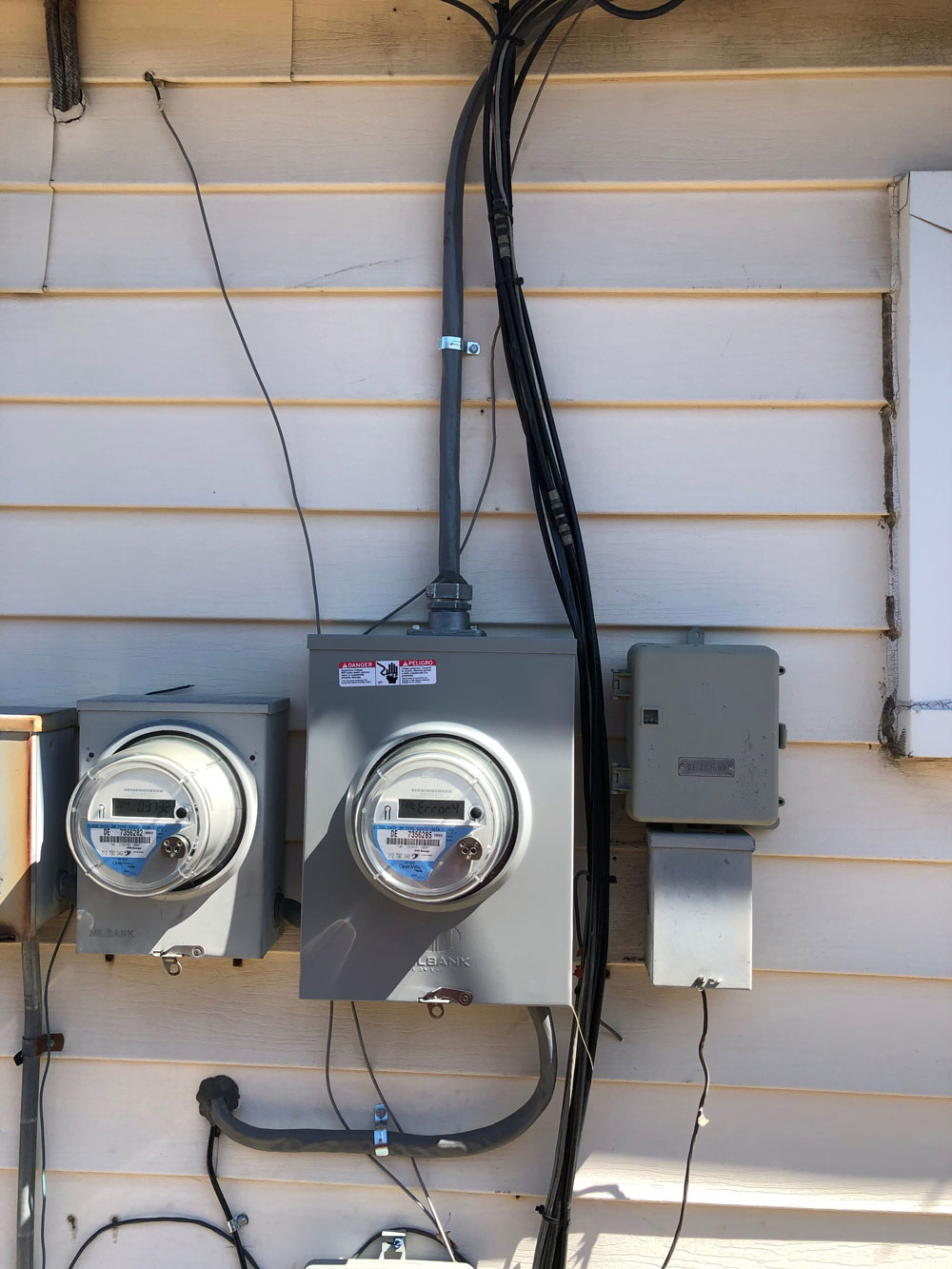
Generator transfer switch installation is the part of the project that manages the change between utility power and generator power. The transfer switch helps isolate the generator from the utility system, an important safeguard against backfeeding that can endanger utility workers and damage equipment. It also determines how selected circuits or the main electrical service are managed when backup power is active.
The type and capacity of the transfer equipment should align with the generator and the intended backup strategy. Some homes may use a service-rated automatic transfer switch for broader coverage, while others may use a setup centered on selected circuits. The appropriate configuration is a design decision based on the home’s panel, electrical loads, desired level of coverage, and applicable requirements, not a one-size-fits-all add-on.
What to expect from the installation process
A well-organized Generac generator installation usually begins with gathering property-specific details. Electrical service information, panel configuration, planned loads, outdoor siting possibilities, and available fuel options all shape the final scope. Reviewing these details before equipment is selected helps avoid avoidable surprises later in the project.
- Initial assessment: Discuss the loads that matter during an outage and review the electrical service and proposed generator location.
- System design: Select an appropriately sized unit and transfer approach based on the intended level of backup coverage.
- Site and connection coordination: Plan electrical routing, fuel-source coordination where applicable, permits, and inspection steps required for the property.
- Installation and testing: Mount and connect the equipment, complete the transfer-system work, and test the operating sequence after installation.
- Owner orientation: Review basic operation, status indicators, routine exercise expectations, and the importance of following the manufacturer’s maintenance guidance.
Installation timing can vary because every home’s service layout, panel condition, site access, permitting path, and fuel arrangement are different. It is reasonable to ask which parts of the project need to happen before the generator is set, who coordinates each responsibility, and what inspection or startup milestones should be expected. Clear answers make it easier to compare proposals based on scope rather than on a single equipment number.
Fuel planning is another essential consideration. Many residential standby generators operate on natural gas or propane, but fuel availability and connection work must be evaluated for the individual property. A generator’s expected load and size can affect fuel-demand considerations, so this topic should be addressed as part of the overall system design instead of after the electrical work is underway.
How to evaluate a provider for a standby generator project
Choosing a provider for a home generator project involves more than selecting a brand. The electrical integration must be planned around the home’s actual service, transfer equipment, and intended circuits. Executive Electric can be a relevant contact for West Bloomfield Township, MI property owners who want to discuss those electrical considerations before moving forward with a Generac system.
When considering Generac generator installation, ask for a clear explanation of the proposed backup coverage and the assumptions behind the recommended equipment. A useful conversation distinguishes between essential loads and whole-home goals, identifies high-demand appliances, and explains how the transfer switch fits into the design. It should also make clear which site, fuel, permit, and inspection factors may affect the project.
- Which appliances, circuits, or systems are intended to operate during an outage?
- How was the generator capacity matched to starting and running electrical loads?
- What transfer-switch configuration is proposed, and how will it manage utility and generator power?
- What property conditions, permits, inspections, or fuel considerations need to be resolved before installation?
- What owner tasks and manufacturer-recommended maintenance practices will help keep the system ready?
Homeowners should be cautious about treating a standby generator as maintenance-free. Automatic exercise cycles and status indicators are helpful, but the equipment still needs attention according to manufacturer guidance, and any warning indication deserves prompt follow-up. Planning for ongoing care protects the investment and helps the system remain ready for the outage it was installed to address.
Start your West Bloomfield Township backup-power conversation
A permanent generator can be a sensible choice for households that want a more reliable response to outages than a portable unit can provide. The best starting point is a discussion of the home’s priority loads, electrical service, intended coverage, outdoor placement, and fuel considerations. That information creates a practical foundation for a system that fits the property rather than a generic package.
Executive Electric is based at 20504 Hall Rd, Clinton Township, MI 48038. If you are considering a standby generator for a home in West Bloomfield Township or elsewhere in Michigan, contact Executive Electric to discuss your generator installation needs and the electrical details that should guide your next step.
Frequently asked questions
Answers for homeowners considering standby power
How does a Generac standby generator turn on during an outage?
A Generac standby generator monitors utility power through its control and transfer equipment. When it detects an outage, the system starts the generator and transfers approved home loads to generator power. After stable utility power returns, the system transfers loads back and shuts the generator down through its normal sequence.
Do I need a whole-home generator to protect essential appliances?
No. An essential-load backup design can be appropriate when the priority is keeping selected circuits operating, such as refrigeration, lights, a sump pump, internet equipment, or certain heating controls. The best approach depends on the home’s electrical demand, the equipment you want to run, and the desired level of outage coverage.
Why is a transfer switch required for a permanent generator system?
A transfer switch safely manages the source of power to the home by separating generator power from utility power. This helps prevent backfeeding into utility lines and allows the system to transfer selected circuits or broader home loads according to the installation design. It is a core component, not an optional convenience feature.
Is Executive Electric physically located in West Bloomfield Township, MI?
Executive Electric’s supplied location is 20504 Hall Rd, Clinton Township, MI 48038. This page addresses Generac generator installation for homeowners researching options in West Bloomfield Township, MI, without representing that address as a West Bloomfield Township office. Contact Executive Electric to discuss your property and service needs.