EV Charger Installation West Bloomfield Township, MI
Reliable home charging starts with an electrical plan that fits the vehicle, the property, and the way you drive. Executive Electric provides a practical starting point for homeowners seeking EV Charger Installation for West Bloomfield Township, MI, with attention to the electrical capacity, equipment placement, and safe connection details that affect daily use.
Executive Electric is located at 20504 Hall Rd, Clinton Township, MI 48038. West Bloomfield Township customers can contact Executive Electric to discuss their charging goals, property details, and the next appropriate step before committing to equipment or electrical work.
Make at-home charging fit your vehicle and routine
A dedicated charger can make electric-vehicle ownership simpler by allowing the vehicle to recharge where it is parked for extended periods. Instead of depending primarily on public charging stops, a properly planned home setup can support overnight charging, predictable access, and a cleaner cable arrangement in a garage or other suitable parking area.
The right solution is not automatically the highest-powered unit. Charging speed depends on the vehicle’s onboard charging capability, the charger rating, and the electrical circuit serving the equipment. An installation plan should account for current use as well as likely future needs, such as a second EV, a different vehicle, or a planned electrical upgrade.
- Convenient daily charging: Start the day with energy added while the vehicle was parked at home.
- Appropriate equipment placement: Position the unit so the cable can reach the vehicle without creating avoidable strain or clutter.
- Electrical planning: Consider panel capacity, circuit requirements, wiring distance, and the home’s existing loads.
- Long-term flexibility: Select features and capacity that make sense for present driving habits and future household changes.
Level 1, Level 2, and hardwired charging choices
Most drivers comparing home options are deciding between basic Level 1 charging and a dedicated Level 2 setup. Level 1 uses a standard household receptacle and can be useful for limited daily driving, while Level 2 equipment uses a 240-volt circuit and generally adds charging capability more quickly. A hardwired charger is permanently connected, whereas a plug-in unit uses a compatible receptacle, and each option has placement, circuit, and equipment considerations.
Electrical capacity is a key decision point, not a detail to leave until after purchasing a charger. A professional review can help determine whether the existing service and panel can support the proposed load or whether an upgrade, load-management approach, or a lower-capacity configuration should be considered. This helps homeowners choose a practical design rather than selecting equipment based on marketing claims alone.
What a thoughtful charger installation process involves
A quality installation process begins before any charger is mounted. The goal is to understand the property and the charging objective, then create an installation approach that can be evaluated for electrical safety, usability, and applicable local requirements. Details such as panel location, parking position, cable path, wall construction, and outdoor exposure can all influence the scope.
- Discuss the vehicle and charging routine. Identify the vehicle type, expected mileage, desired charging window, and whether another EV may be added later.
- Review the electrical system. Consider the panel, available capacity, existing major loads, circuit routing, and the distance to the intended charger location.
- Choose the equipment location. Plan a reachable, convenient location that supports cable management and suits the parking arrangement.
- Complete the electrical work. The required circuit, protection, wiring, mounting, and connection are installed based on the selected design and applicable requirements.
- Confirm basic operation. After installation, the homeowner can review charger use, cable handling, and any equipment-specific setup needed for normal charging.
Why panel capacity and location should be reviewed first
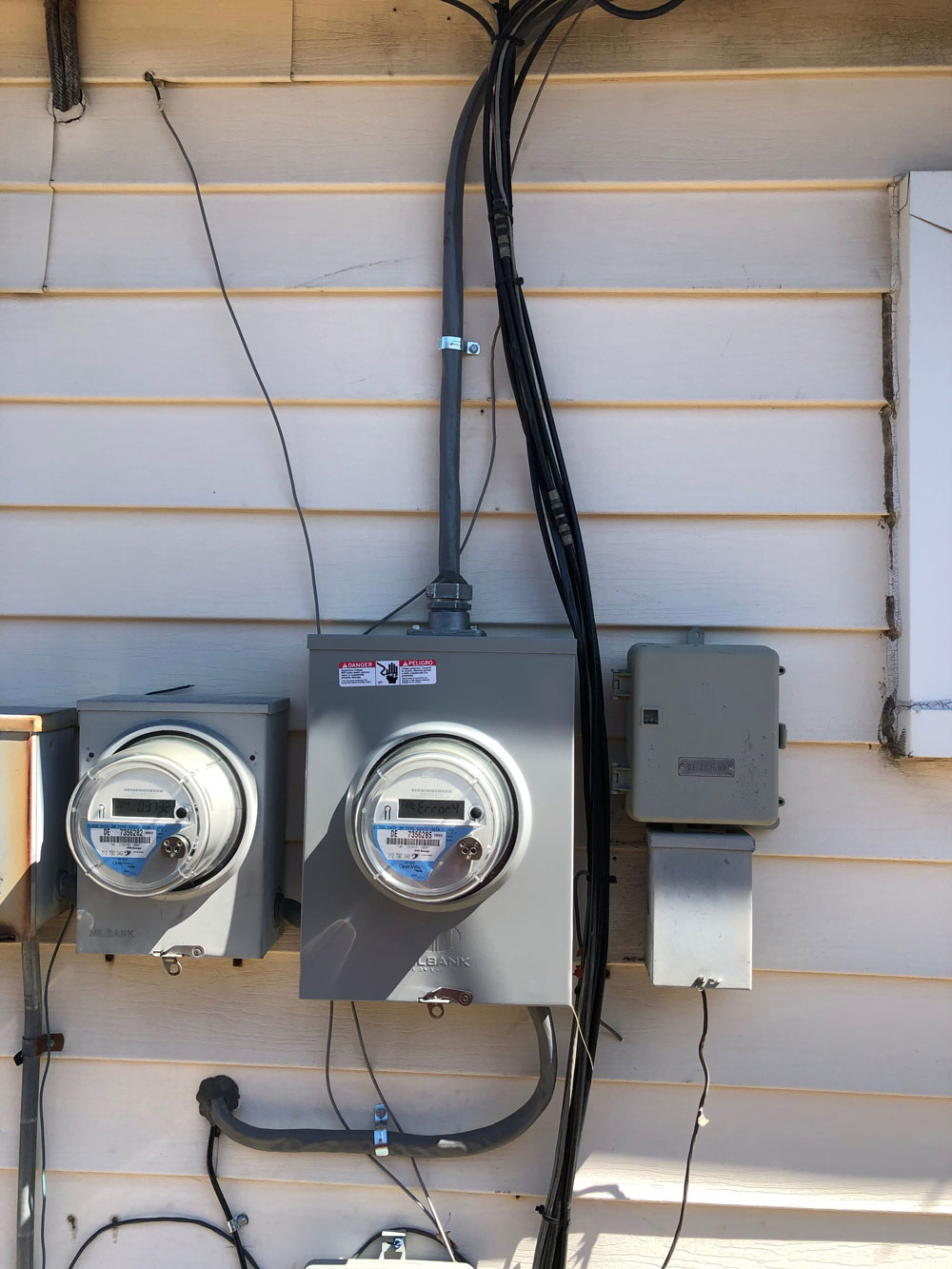
Adding an EV circuit changes the home’s electrical load, which is why the electrical panel deserves early attention. A charger may be located close to the panel or require a longer wiring route, and that difference can affect the installation approach. Homes with electric heating, air conditioning, cooking appliances, spas, workshops, or other substantial loads may need especially careful evaluation before a charging circuit is selected.
For owners planning an Electric car charger installation, the useful first step is to match the charging equipment to the household rather than assuming every property needs the same amperage. A sensible design considers daily driving needs, the vehicle’s charging limit, and whether charging can occur during lower-demand periods. That assessment can help avoid overbuying equipment or overlooking an electrical constraint.
Public charging and home charging serve different needs
Public stations can be valuable for longer trips, destination charging, or drivers who cannot charge where they park. Home charging serves a different purpose: it provides routine access at the place where many vehicles sit for hours. Many households use both, relying on a residential charger for everyday energy and public infrastructure when travel or circumstances require it.
An EV charging station installation can therefore be especially helpful for owners with a garage, attached parking area, or other suitable private parking arrangement. The objective is not to eliminate every public charging stop, but to reduce reliance on them for normal day-to-day driving. A dedicated residential station can also be a useful consideration when a household is preparing for its first electric vehicle.
Equipment features worth considering before you buy
Charger selection should be based on function, compatibility, and the realities of the installation. A well-known brand or a high advertised output does not by itself determine whether a unit is right for a specific vehicle and home. Review the connector type, charging rating, cable length, weather suitability for the planned location, and whether the equipment is designed for plug-in or hardwired use.
Smart EV charger installation is relevant for drivers who want connected features such as scheduling, charging-session visibility, or app-based controls. These functions can be useful when a vehicle is parked for long periods or when the owner wants more visibility into charging activity. Connected features are optional, however, and a simpler charger may be the better match for someone who values straightforward operation over app controls.
Some charging equipment can support scheduled charging, which may help a household align vehicle charging with its own routine or electric-rate structure where applicable. Wi-Fi reliability at the installation location, app compatibility, and manufacturer account requirements are practical factors to understand before choosing a connected unit. The charger should remain usable for its core purpose even if a homeowner does not use every optional feature.
Placement, cable reach, and weather exposure matter
A charger should be placed with normal parking behavior in mind. The connector needs to reach the vehicle’s charge port without repeatedly stretching the cable across a walking path, driveway, or garage opening. Outdoor locations require equipment and installation details appropriate for exposure, while indoor locations still benefit from a neat route and accessible controls.
An EV charging point installation should account for where the vehicle actually stops, not just the closest available wall. A few extra minutes spent planning parking orientation and cable reach can improve everyday convenience. This is also a good time to consider whether guests, a second vehicle, or a future vehicle with a charge port on the opposite side could change how the space is used.
Choosing the right electrical provider for the project
EV charging equipment is part of a home’s electrical system, not simply an appliance that can be placed wherever there is an outlet. Homeowners should look for a provider that will discuss the electrical conditions, equipment specifications, intended location, and scope of work in clear terms. It is reasonable to ask how the selected circuit will be determined, what property conditions may affect the work, and what information is needed before installation can be planned.
A Professional EV charger installer can help translate vehicle and charger specifications into an electrical installation plan. That planning is valuable when a homeowner is unsure about panel capacity, charger output, hardwired versus plug-in equipment, or the best mounting location. Executive Electric can be contacted to begin that conversation for a West Bloomfield Township property.
- Share the EV make and model, if known, plus expected daily driving needs.
- Identify the intended parking space and whether the charger will be inside or outdoors.
- Note where the electrical panel is located and any known electrical upgrades or major loads.
- Bring the charger specifications if equipment has already been selected.
- Ask what project details should be confirmed before installation is scheduled.
FAQs about home EV charging
Do I need a Level 2 charger for my electric vehicle?
Not every driver needs Level 2 charging. A Level 1 connection may suit lower daily mileage and long parking periods, while a Level 2 charger is often preferred when faster home charging is needed. The right choice depends on the vehicle, daily miles, available electrical capacity, and desired charging schedule.
Can an existing electrical panel support an EV charger?
It depends on the panel’s capacity, current loads, service configuration, and the charging circuit being considered. An electrical review helps determine whether the proposed charger can be supported as planned or whether a different charging rate, load-management solution, or electrical upgrade should be considered.
Where should a home EV charger be installed?
The best location is typically one that allows the connector to reach the vehicle comfortably, keeps the cable manageable, and provides a practical route from the electrical panel. Garage walls, exterior walls near a parking area, and dedicated parking spaces may all be options, depending on the property and equipment selected.
Does Executive Electric have an office in West Bloomfield Township, MI?
Executive Electric’s provided location is 20504 Hall Rd, Clinton Township, MI 48038. The company can be contacted about EV Charger Installation needs in West Bloomfield Township and throughout Michigan without representing West Bloomfield Township as its office location.
Plan your next step with Executive Electric
Whether you are purchasing your first EV, replacing a basic charging setup, or preparing the household for another electric vehicle, a clear electrical plan can make the decision easier. Executive Electric can discuss the information that matters most, including your vehicle, parking arrangement, preferred charger, and electrical panel considerations.
Contact Executive Electric today to discuss EV Charger Installation for West Bloomfield Township, MI. Reach out through the Executive Electric contact page and reference the company’s location at 20504 Hall Rd, Clinton Township, MI 48038 when starting your service conversation.