Diesel Generator Installation West Bloomfield Township, MI
When an outage can interrupt heating, refrigeration, security, communications, essential equipment, or daily operations, a permanently installed diesel generator can provide a planned source of standby power. Executive Electric offers a point of contact for property owners researching Diesel Generator Installation West Bloomfield Township, MI, with its listed location at 20504 Hall Rd, Clinton Township, MI 48038. A productive first conversation starts with the property, the electrical loads that matter most, and the level of continuity the owner expects during a utility interruption.
A generator is not simply a machine placed outside a building. A dependable standby-power system requires proper equipment selection, electrical integration, fuel planning, controls, protection, and a clear understanding of what the system is intended to power. Careful planning helps homeowners, facility managers, and business owners make a decision based on practical needs rather than generator size alone.
Plan standby power around the loads that cannot wait
Diesel Generator Installation is most useful when a property needs reliable on-site backup power for longer interruptions or for critical loads that should not be left to portable equipment. The goal is to match the system to actual operating priorities, including starting loads, continuous loads, and the order in which equipment must come back online. A well-defined scope can prevent both undersizing, which can cause poor performance, and oversizing, which can add unnecessary cost and complexity.
Identify the equipment your generator should support
Before selecting a generator, separate essential circuits and systems from loads that can remain off during an outage. At a residence, priorities may include a sump pump, furnace equipment, refrigeration, selected lighting, well equipment, medical devices, and communications. At a commercial or larger residential property, priorities may include life-safety equipment, security systems, servers, elevators where applicable, refrigeration, process equipment, or designated portions of the building.
- List every device or system that must operate during an outage.
- Note whether motors, compressors, pumps, or other equipment have high starting demand.
- Decide which loads can be managed, delayed, or excluded from generator power.
- Consider future electrical additions that could affect capacity requirements.
Load analysis is more informative than choosing a unit based on square footage alone. Motor-driven equipment can draw substantially more power when starting than while running, and several loads may need to start at different times. An electrical professional can use the load plan to discuss generator capacity, transfer equipment, and whether load management may be appropriate.
Understand the role of the transfer switch
A transfer switch is the equipment that moves a building or selected circuits from utility power to generator power and back again. An automatic transfer switch can sense a utility outage, signal the generator to start, and transfer qualifying loads after the system reaches stable output. Manual transfer arrangements require a person to operate the switch, which may be less suitable when the property needs unattended backup capability.
The transfer approach affects both convenience and the scope of electrical work. A whole-building arrangement may provide broader coverage, while a critical-load panel or selected-circuit design focuses generator capacity on the systems that matter most. Neither choice is automatically right for every property, so the decision should reflect budget, fuel use, available space, operating goals, and the consequences of losing particular loads.
What a diesel backup generator project typically involves
A diesel generator project generally moves from site and load evaluation to equipment planning, installation, testing, and owner orientation. Exact requirements vary by building, generator size, fuel storage approach, and the authority having jurisdiction. Executive Electric can discuss the electrical side of the project and help a prospective customer understand the information that should be addressed before work begins.
- Initial assessment: Review priority loads, service equipment, proposed generator location, access, and desired operation during an outage.
- System design: Determine a suitable generator capacity range, transfer method, distribution strategy, and control requirements.
- Coordination and preparation: Plan electrical routing, equipment clearances, fuel-system coordination, permits, and inspections as applicable.
- Installation: Set equipment, install electrical connections and transfer equipment, and complete associated wiring in accordance with the approved plan.
- Startup and verification: Test normal and emergency operation, confirm transfer behavior, and review basic operating and maintenance responsibilities.
Site conditions matter as much as generator size
The proposed location must support safe access, serviceability, ventilation, exhaust routing, noise considerations, and the physical requirements of the selected equipment. Electrical pathways between the generator, transfer switch, service equipment, and critical-load panels also affect the project layout. Fuel supply and storage are central to diesel standby systems, so they should be considered early rather than after electrical selections have already been made.
Permitting and inspection requirements can differ by jurisdiction and project type. A responsible planning process identifies which approvals may apply and avoids treating code-related details as an afterthought. Property owners should also disclose existing electrical upgrades, renovations, solar equipment, battery systems, or planned additions, because these conditions can influence the design conversation.
Why diesel may be the right standby-power option
Diesel-fueled standby generators are commonly considered for applications that value durable backup capacity, on-site fuel planning, and support for substantial or prolonged loads. The right fuel choice depends on the property, anticipated runtime, local fuel arrangements, space, maintenance expectations, and electrical demand. Comparing diesel with natural gas, propane, battery backup, or portable generation is useful because each option solves a different outage problem.
Battery storage can provide quiet, immediate power for selected loads, but stored energy capacity and recharge conditions determine duration. Portable generators can be practical for temporary, limited needs, yet they typically require manual setup, fuel handling, and careful connection practices. A fixed diesel standby system is a more involved investment, but it can be a sensible option when the property needs structured power transfer and a deliberate plan for essential loads.
For a broader overview of Diesel generator installation, it is helpful to view the service as a coordinated electrical system rather than a single piece of equipment. Generator output, transfer controls, distribution panels, overcurrent protection, grounding, fuel arrangements, and routine testing all work together. Discussing those components early helps a property owner compare proposals on scope and suitability, not only on generator nameplate capacity.
Benefits that depend on thoughtful system design
The benefit of a standby generator is continuity for the loads the system was designed to support. It can reduce disruption during a utility outage by providing power to chosen building functions after transfer occurs. The strongest results come from a realistic priority list, an appropriate capacity decision, and regular follow-through after installation.
- Continuity: Keep selected essential equipment operating during an interruption.
- Convenience: Automatic transfer can reduce the need for manual generator setup when utility power fails.
- Load control: A planned circuit strategy helps direct available power where it matters most.
- Preparedness: On-site standby equipment supports an outage plan that does not depend solely on portable solutions.
Every backup-power system has limits. Runtime depends on fuel availability and consumption, while actual capacity depends on the loads connected and their operating behavior. A generator should not be treated as maintenance-free or as a substitute for safe electrical practices, manufacturer guidance, and appropriate inspection requirements.
How to evaluate a provider and prepare for a consultation
Choosing a provider for generator electrical work should involve clear communication about scope, equipment interfaces, approvals, and commissioning. Ask how the proposed design addresses your essential loads, where the transfer equipment will be located, and what testing will occur after installation. A clear written understanding is especially valuable when a project involves other parties, such as a generator supplier, fuel provider, contractor, or local inspector.
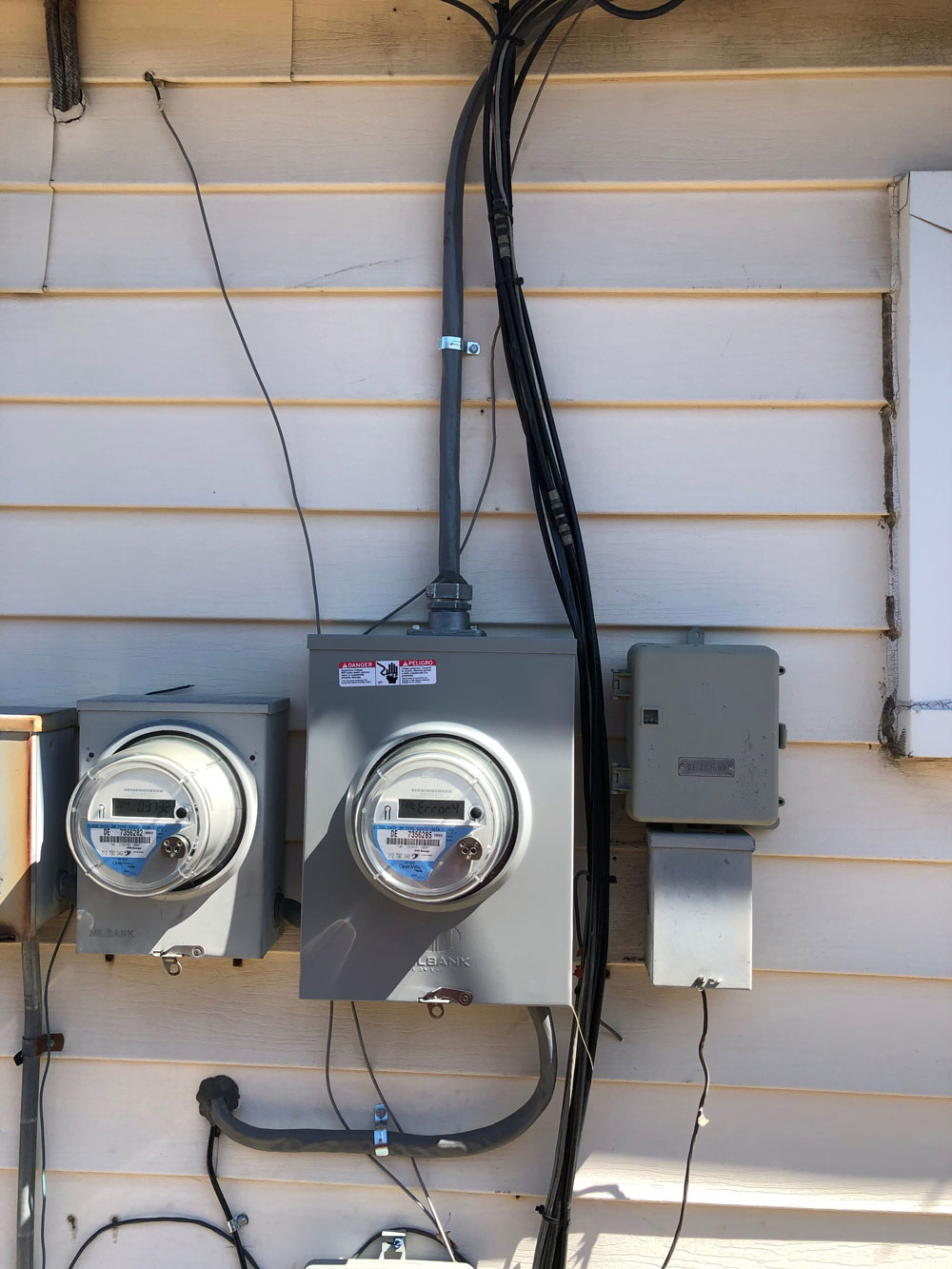
Prepare basic information before contacting Executive Electric. Recent utility bills can offer useful context, but a list of critical equipment is often more important for standby planning. Photographs of the electrical service area, main panel, proposed generator area, and any existing backup equipment may also help frame the initial discussion.
- Which circuits, appliances, or systems must remain energized?
- Is uninterrupted power essential, or is a short transfer period acceptable?
- How long should the property reasonably operate on backup power?
- Are there planned additions such as HVAC upgrades, pumps, electric vehicle charging, or renovations?
- Who will coordinate fuel supply, equipment maintenance, and periodic exercise testing?
Executive Electric is based at 20504 Hall Rd, Clinton Township, Michigan 48038. That location provides a clear starting point for customers evaluating their electrical needs in West Bloomfield Township, MI and seeking practical information about a generator installation project. Contacting the company allows you to describe the property and determine the appropriate next steps for your situation.
Questions property owners often ask
How do I know what size diesel generator I need?
Generator size should be based on the electrical loads you intend to support, including motor starting demand and whether several systems may run at once. A load review is more reliable than estimating from building size because two similarly sized properties can have very different electrical priorities and equipment.
Can a diesel generator power my entire home or building?
It can be designed for broad coverage when capacity, transfer equipment, fuel planning, and the electrical service support that goal. Many owners instead choose selected critical loads to control project scope and fuel consumption. The appropriate design depends on what must remain operational during an outage.
What happens during an automatic generator transfer?
An automatic transfer switch detects a qualifying utility outage, sends a start signal to the generator, and transfers designated loads after generator power stabilizes. When normal utility power returns and meets the switch settings, the system transfers loads back and the generator completes its programmed shutdown sequence.
Is professional installation important for a standby diesel generator?
Yes. A fixed standby system involves electrical service connections, transfer equipment, protective devices, grounding, equipment placement, and applicable permits or inspections. Professional planning helps ensure the system is designed around intended loads and installed as a coordinated electrical backup-power solution rather than an improvised connection.
Start with a practical backup-power conversation
Reliable outage preparation begins with a clear picture of what your property cannot afford to lose. Whether you are considering a new diesel standby generator, replacing aging backup equipment, or comparing whole-property and critical-load options, Executive Electric can be contacted to discuss the electrical planning questions involved. The company’s listed location is 20504 Hall Rd, Clinton Township, MI 48038, and it serves as the contact point for customers considering Diesel Generator Installation West Bloomfield Township, MI.
Ready to discuss your backup-power priorities? Contact Executive Electric to share your property needs, essential-load goals, and generator project questions. A focused conversation can help you move from outage concerns to a more informed plan for standby power in Michigan.