Briggs & Stratton generator installation West Bloomfield Township, MI
A standby generator can keep essential electrical systems available when an outage interrupts normal life. For property owners researching Briggs & Stratton generator installation in West Bloomfield Township, MI, the important first step is not simply choosing a unit. It is determining what the generator needs to support, where it can be placed, how it will be fueled, and how it will connect safely to the electrical system.
Executive Electric is located at 20504 Hall Rd, Clinton Township, MI 48038. Customers in the surrounding region who are weighing a home backup power project can contact Executive Electric to discuss their needs and the information needed to plan a generator installation. A thoughtful conversation before equipment is selected can help prevent an undersized system, unnecessary load demands, or avoidable changes later in the project.
Backup power should be planned around the loads that matter most
A Briggs & Stratton standby generator is intended to provide automatic backup power after a utility outage, subject to the design of the system and the circuits selected. Rather than treating every home or building as identical, a useful installation plan starts with the equipment and functions that need continuity. This approach helps align generator capacity, transfer equipment, fuel supply, and electrical distribution with real priorities.
For many Michigan property owners, the objective is to maintain comfort, safety, food storage, communication, and basic daily operations during an outage. The right scope may look different for a household that wants essential circuits than for a property that needs a broader portion of its electrical system backed up. More coverage generally requires more capacity and more careful load management.
Essential-load backup versus whole-home coverage
Essential-load backup focuses on selected circuits, such as refrigeration, lighting, a furnace blower, a sump pump, internet equipment, garage access, or chosen receptacles. Whole-home or more comprehensive coverage is designed around a larger electrical demand, but it still requires a realistic assessment of appliances and systems that may run at the same time. The electrical panel configuration and the chosen transfer equipment influence what each approach can support.
- Essential-circuit systems can be a practical fit when the goal is to protect high-priority functions while controlling generator size and project scope.
- Broader-coverage systems may suit owners who want more normal operation during an outage and are prepared to plan for larger connected loads.
- Managed-load designs can help account for certain high-demand equipment by limiting which loads operate simultaneously, depending on the system design.
Air conditioners, electric ranges, dryers, electric water heaters, well pumps, hot tubs, and other motor-driven or heating loads deserve particular attention. Some equipment draws more power during startup than while running. A proper planning discussion considers both running demand and possible starting demand instead of relying on a rough square-footage estimate.
Why fuel and placement belong in the first conversation
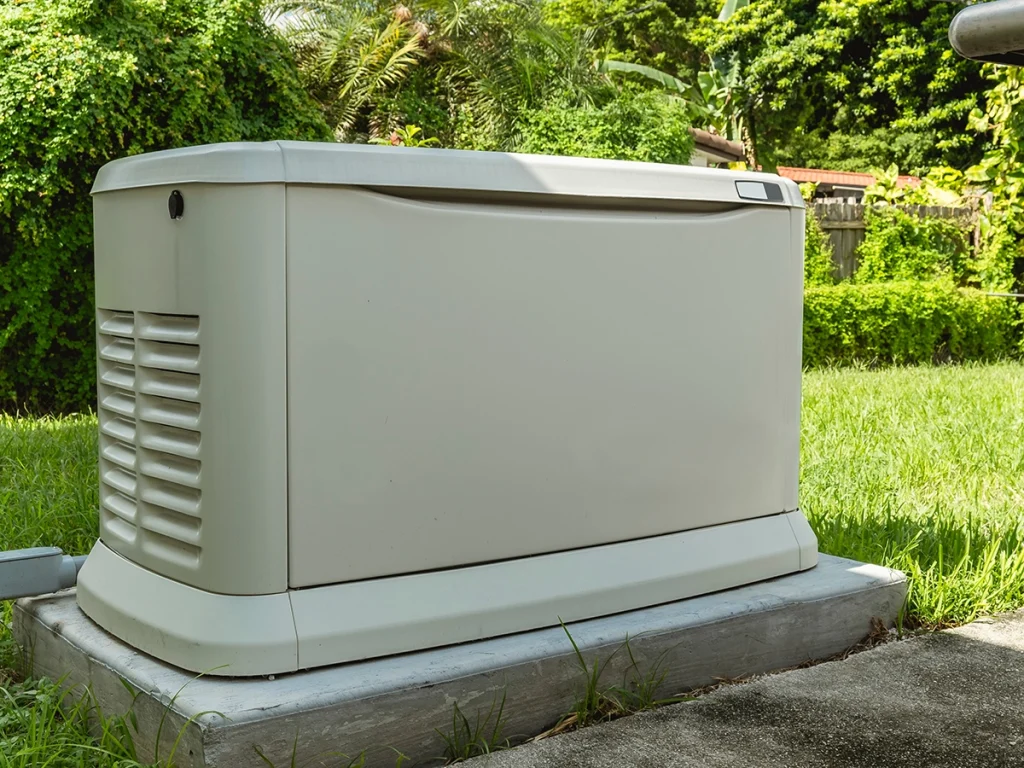
A permanently installed backup generator needs an appropriate fuel source, commonly natural gas or propane, as well as a location that supports safe installation, service access, ventilation, and applicable requirements. Fuel availability and fuel-delivery capacity can affect whether a proposed generator can perform as intended under load. Placement also has practical implications for conduit routing, electrical connection, noise considerations, and access for future maintenance.
Before committing to a particular Briggs & Stratton generator model, property owners should identify the available fuel, note the proposed installation area, and gather basic information about their electrical service. It is also wise to consider outdoor equipment, grading, gates, landscaping, and any property-specific restrictions that could affect the final plan. These details are easier to address early than after equipment has been ordered.
What a Briggs & Stratton generator installation typically involves
A permanent generator installation is a coordinated electrical and site project, not a portable generator placed outside during a storm. The system is designed to sense loss of utility power, isolate the property from the utility through transfer equipment, and supply selected electrical loads from the generator. When utility power returns, the system is designed to transition back according to its controls and configuration.
Executive Electric can be a relevant contact for customers seeking clarity about the electrical side of a backup power project. An initial discussion can establish the property goals, electrical questions, and planning information that should be reviewed before moving forward with a Briggs & Stratton standby generator installation.
From initial review to operating backup system
- Define outage priorities. List the circuits, appliances, equipment, and rooms that should have power during an interruption.
- Review electrical demand. Consider panel information, major loads, startup needs, and whether the target is essential-load or broader backup coverage.
- Evaluate the site. Consider generator placement, access, routing, fuel arrangements, and the physical path for electrical connections.
- Select compatible equipment. Generator capacity, automatic transfer switch configuration, and load-management options should match the intended use.
- Complete installation and required steps. The work may involve electrical connections, equipment placement, coordination with fuel-related work where applicable, permits, and inspections as required by the authority having jurisdiction.
- Test and understand operation. Owners should know what the system is intended to power, how automatic operation works, and how to recognize when service or attention is needed.
Actual project steps vary by property and local requirements. Electrical, fuel, and permitting responsibilities may involve different parties, so it is helpful to establish the scope clearly. A prospective customer should ask what is included in the electrical installation, what site preparation is needed, and which items require separate coordination.
Important decisions before selecting a generator provider
The strongest generator decision is based on a clear scope, transparent assumptions, and safe integration with the property. Price alone does not explain whether a proposed system is sized for the desired loads or whether the installation details have been considered. Comparing proposals is more useful when each provider is asked to address the same backup-power goals.
When considering Briggs & Stratton generator installation, ask for an explanation of the intended loads and transfer approach in plain language. A customer should be able to understand the difference between powering selected circuits and supporting a larger portion of the property. That clarity makes it easier to judge whether the proposed system fits the actual need.
Questions that help make proposals comparable
- Which circuits, appliances, or systems are included in the backup-power plan?
- What generator capacity is being considered, and what load assumptions support that choice?
- Will the design use an automatic transfer switch, a dedicated essential-load panel, load management, or another approach?
- What site conditions, fuel considerations, permits, inspections, or third-party coordination may affect the schedule and scope?
- What access will be needed around the unit for operation, testing, and routine maintenance?
These questions are especially valuable for an existing home where the panel, fuel connection, and generator location may be separated by finished spaces, landscaping, or other obstacles. A low initial estimate may not tell the whole story if it does not identify assumptions about trenching, conduit, panel work, site preparation, or fuel-related work. Clear planning supports better expectations for everyone involved.
Benefits and limitations of automatic standby power
The central benefit of a standby generator is continuity during a utility interruption. An automatic system can reduce the need to set up a portable generator in poor weather and can support selected systems even when the owner is away, provided the system is properly configured and its fuel supply is available. For some properties, that added preparedness is particularly valuable when sump pumps, temperature-control equipment, refrigeration, security-related devices, or medical-support needs are part of the outage plan.
At the same time, a generator is not unlimited power. Its capacity, the selected loads, fuel supply, maintenance condition, and the nature of the outage all affect what it can do. An installation plan should avoid the misconception that every appliance can run at once simply because a generator is present. Matching expectations to the design is a key part of getting meaningful backup power.
Portable generators are a different solution
A portable generator can be useful for temporary, limited needs, but it generally requires manual setup, safe outdoor positioning, refueling or fuel management, and a proper method of connecting selected loads. A permanently installed Briggs & Stratton home generator system is designed for a different experience: fixed equipment, automatic transfer capability, and a planned connection to the building electrical system. The better choice depends on the desired level of convenience, coverage, budget, and preparedness.
For West Bloomfield Township, MI customers, a professional conversation is appropriate when the project involves a service panel, transfer switch, permanently installed equipment, or questions about which loads can safely be supported. Executive Electric can help begin that conversation without treating generator selection as a one-size-fits-all purchase. Contacting the company early gives you an opportunity to describe your property, priorities, and questions before making final equipment decisions.
Frequently asked questions
What does a Briggs & Stratton standby generator do during a power outage?
A standby generator is permanently installed equipment that can detect a utility interruption and, through compatible automatic transfer equipment, supply electricity to planned loads. The exact circuits and appliances it supports depend on generator sizing, transfer-switch configuration, connected load demands, and the electrical design for the property.
How do I know what size Briggs & Stratton generator I need?
Generator sizing should begin with the loads you want available, including major appliances, HVAC-related equipment, pumps, refrigeration, lighting, and their possible startup demands. A list of priorities and a review of the electrical system provide a sounder basis than selecting a unit solely by home size.
Can a standby generator power my entire house?
It may be possible to design for broad or whole-home coverage, but the outcome depends on electrical demand, generator capacity, fuel supply, transfer equipment, and load-management strategy. Some owners instead choose essential-circuit backup to focus capacity on the equipment that matters most during an outage.
Is Executive Electric located in West Bloomfield Township, Michigan?
Executive Electric is located at 20504 Hall Rd, Clinton Township, MI 48038. Property owners seeking generator planning in or around West Bloomfield Township can use the contact process to discuss their backup-power project, location details, and electrical needs with Executive Electric.
Start planning a more resilient power system
Backup power is most useful when it has been designed around the way a property actually operates. Whether the priority is a sump pump and refrigerator, essential heating equipment, selected work-from-home needs, or more comprehensive coverage, the planning details matter. Bringing a list of priority loads, photos or information about the electrical panel, and a general idea of the proposed generator location can make an initial discussion more productive.
Executive Electric serves the region from 20504 Hall Rd, Clinton Township, MI 48038. To discuss Briggs & Stratton generator options, electrical integration, and the next steps for your West Bloomfield Township, MI property, contact Executive Electric today.