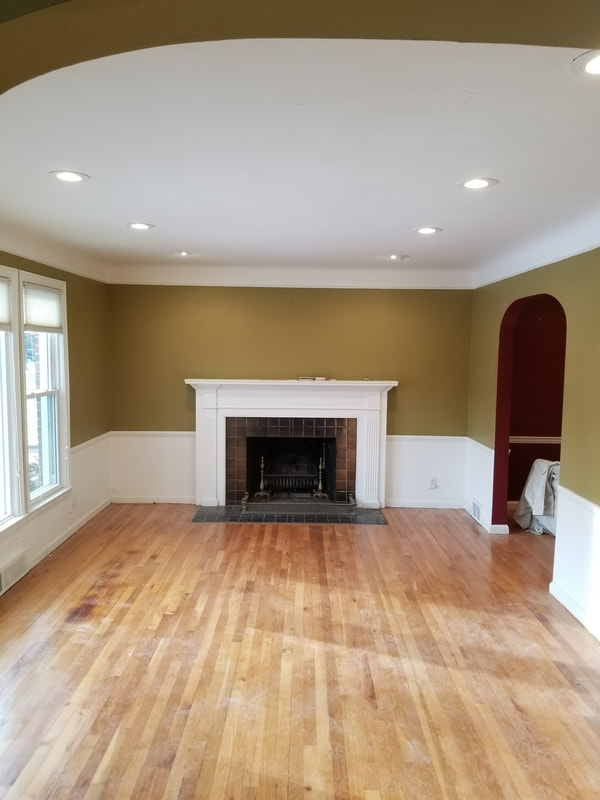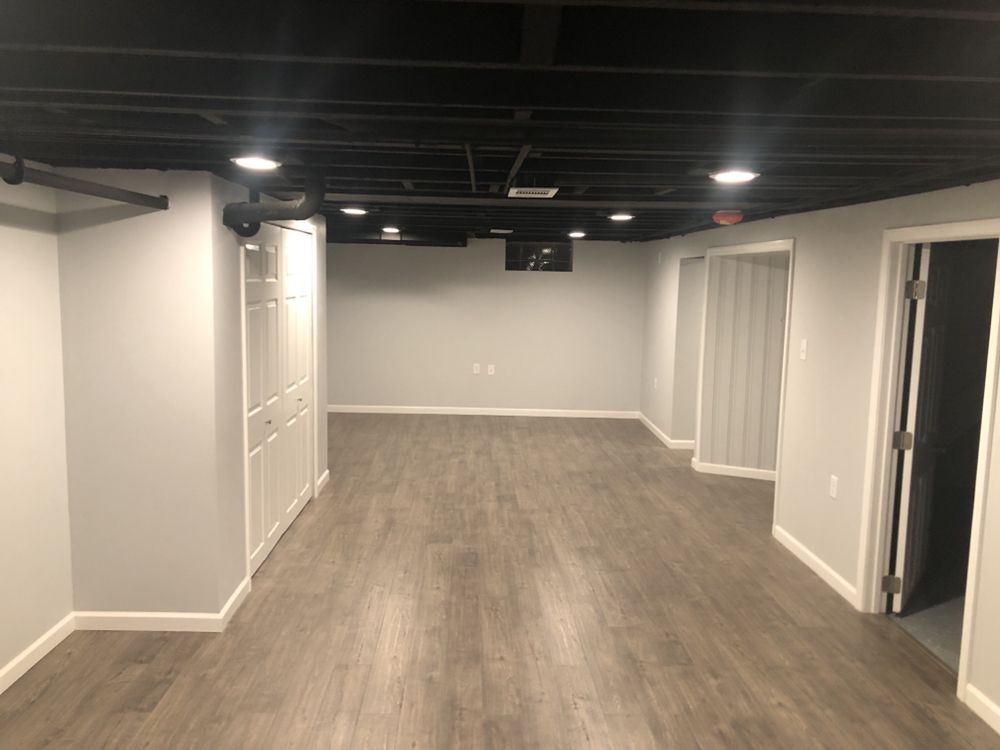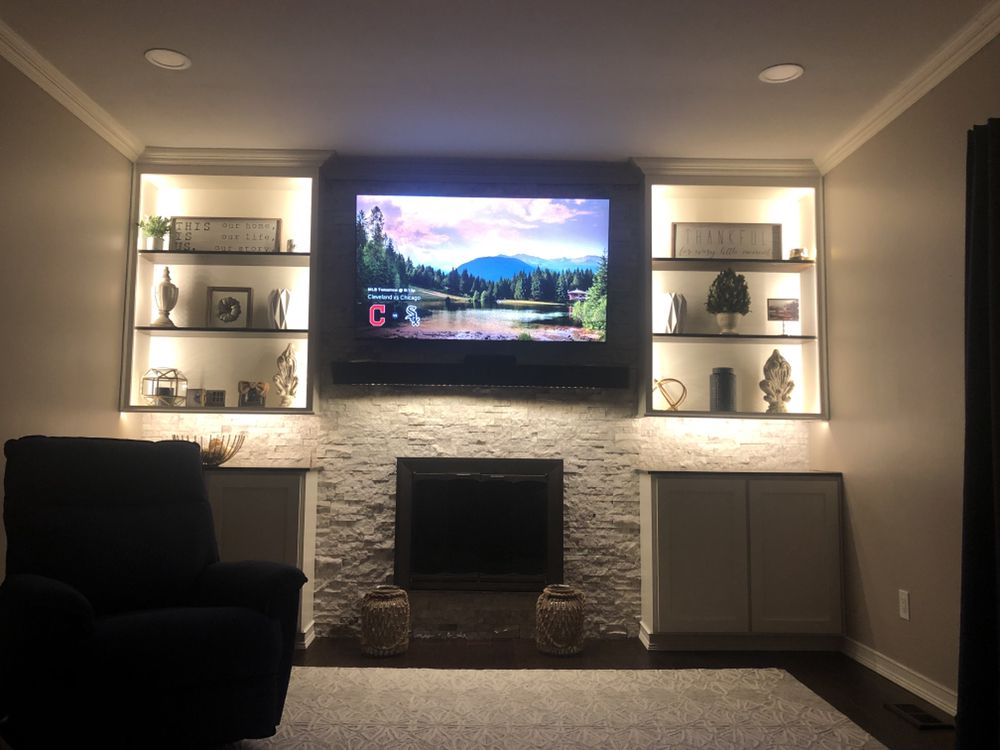
Recessed Lighting Washington Twp, MI
Thoughtful recessed lighting can make a Washington Twp, MI room feel brighter, more open, and easier to use without adding bulky fixtures to the ceiling. It is a practical choice for kitchens that need clearer task light, living areas that need a softer evening atmosphere, bathrooms with shadowed vanity areas, and finished spaces where a clean ceiling line matters. Executive Electric is based at 20504 Hall Rd, Clinton Township, MI 48038, and is a relevant contact for homeowners considering a lighting upgrade in the surrounding region.
Also called can lights, pot lights, or recessed downlights, these fixtures sit within the ceiling plane and direct illumination downward. The result depends on more than the fixture itself: placement, beam spread, color temperature, dimming compatibility, ceiling construction, and the existing electrical layout all influence how the room performs. A well-planned installation starts with the way a space is actually used, not simply with a grid of lights.
What recessed fixtures can solve in your home
Recessed fixtures are especially useful when a central ceiling light leaves dark corners, casts shadows on work surfaces, or competes with the look of the room. Because the housing is concealed above the ceiling and the trim is visible below, this lighting approach can provide broad ambient light with a less visually intrusive appearance than many surface-mounted fixtures.
For homeowners exploring options, recessed lighting solutions can be designed as the primary layer of illumination or used alongside pendants, sconces, under-cabinet lights, and decorative fixtures. Layering matters because a single lighting type rarely meets every need. Downlights can establish an even foundation, while other fixtures handle close work, visual interest, or accent lighting.
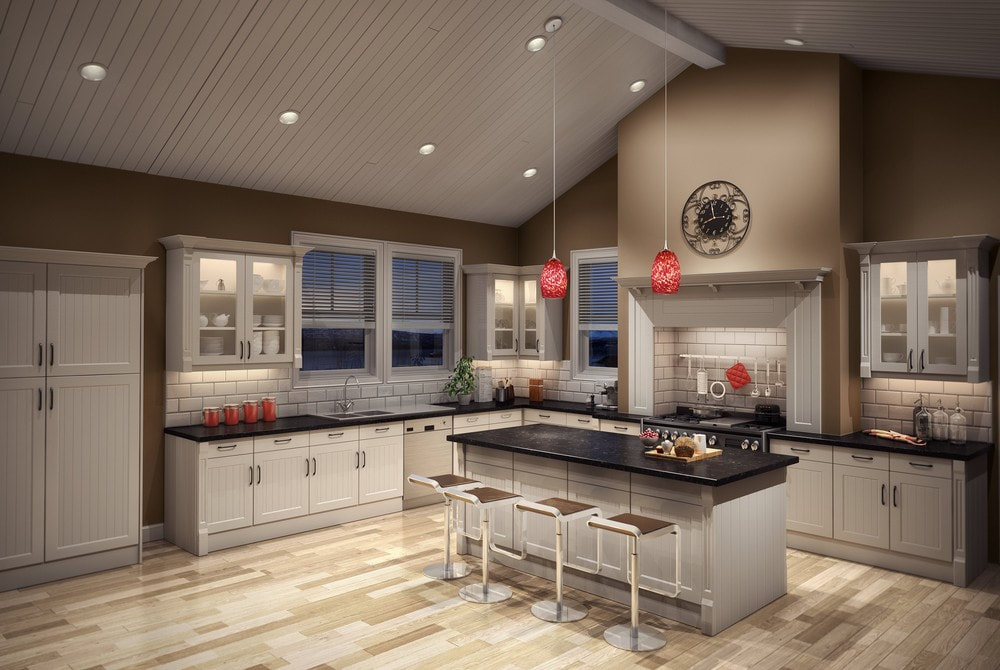
- Kitchens: Improve light over aisles, counters, sinks, and food-prep zones while preserving ceiling space for pendants or a statement fixture.
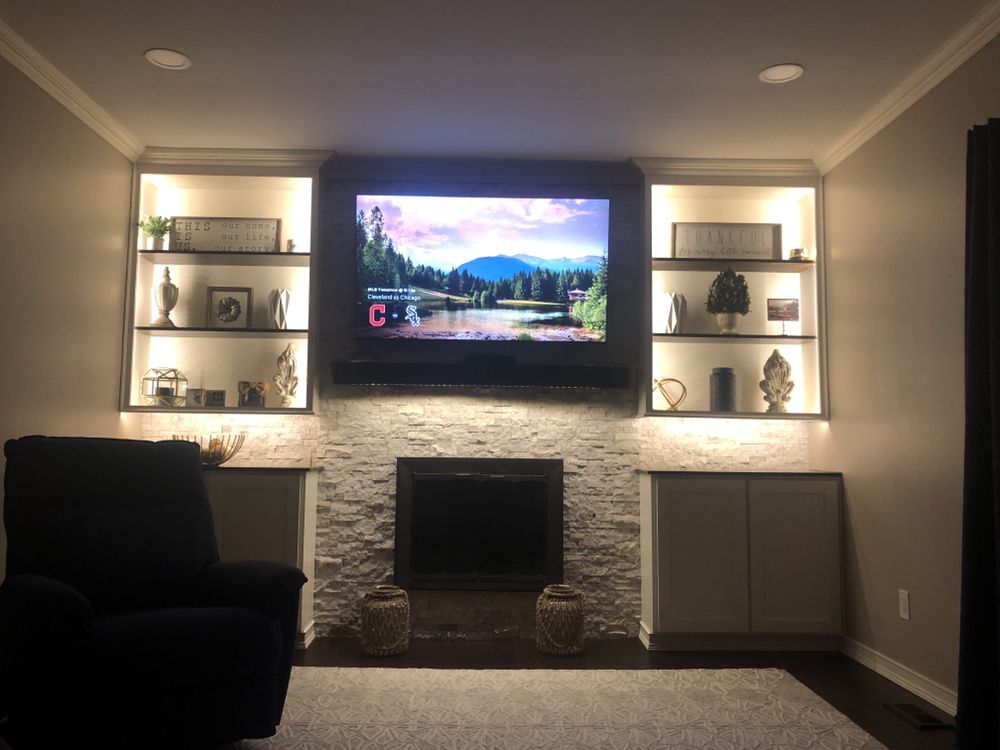
- Living rooms and family rooms: Add flexible ambient lighting for conversation, reading, television viewing, or entertaining, particularly when paired with dimmers.
- Bathrooms: Brighten the overall room and reduce gloomy areas, while separate vanity lighting helps address facial shadows at the mirror.
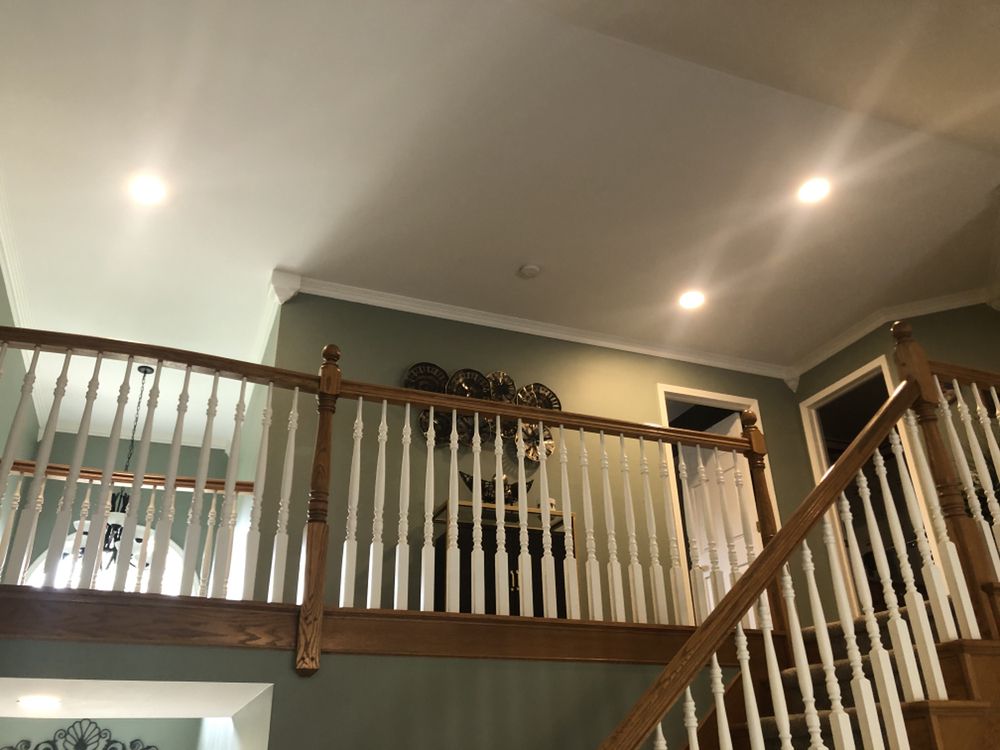
- Hallways, entries, and stairs: Deliver consistent light in circulation areas where a low-profile fixture can be preferable.
- Basements and finished lower levels: Help rooms with limited natural light feel more usable without lowering visual headroom.
Recessed lighting is not automatically the right answer for every ceiling. Very shallow ceiling cavities, concrete ceilings, ornate ceilings, or spaces where a decorative fixture is the primary design goal may call for another approach. An on-site discussion helps clarify whether recessed cans, wafer-style LED lights, track lighting, surface fixtures, or a combination makes the most sense.
Plan the light, not just the number of fixtures
Good recessed lighting design considers where light lands and what people do beneath it. Simply adding more fixtures can create glare, uneven pools of brightness, or a ceiling that feels overly busy. A useful plan accounts for room dimensions, furniture placement, ceiling height, architectural details, and the location of cabinets, artwork, televisions, and work areas.
Spacing, placement, and beam control affect comfort
Fixture spacing should be based on the selected light output, beam angle, ceiling height, and the desired light level, rather than a one-size-fits-all measurement. Downlights placed too close together can overlap harshly. Fixtures placed too far apart may leave visible dark bands, especially along counters, walls, or paths through the room.
Placement also changes the quality of the light. A downlight directly behind a person working at a counter can cast that person’s shadow across the task area. In a room with artwork or textured walls, adjustable or directional lighting may be worth discussing when the goal is to highlight a feature rather than provide general illumination.
Color temperature and dimming change the mood
LED recessed lighting is available in different color temperatures. Lower, warmer temperatures generally create a more relaxed, golden appearance, while higher temperatures look whiter and can feel more crisp for task-oriented areas. The preferred option often varies by room, existing finishes, daylight exposure, and the appearance of nearby lamps or decorative fixtures.
Dimming adds another layer of control. Bright illumination may be desirable for cooking, cleaning, or detailed tasks, while lower levels can suit an evening meal or movie night. Not every LED fixture, driver, and dimmer works together in the same way, so compatibility should be part of the selection conversation. Choosing the right controls at the beginning can help avoid flickering, limited dimming range, or unexpected behavior later.
Housing, trim, and ceiling conditions deserve attention
The visible trim is only one part of a recessed fixture. The housing above the ceiling, insulation conditions, air sealing needs, access from above, and wiring route can affect what installation approach is appropriate. Slim wafer fixtures can be helpful where ceiling depth is limited, while other recessed housings may be selected for different construction conditions or lighting goals.
In older homes, existing wiring and ceiling materials should be evaluated before work begins. In newer or remodeled spaces, planning fixture locations before drywall is installed can offer more flexibility. A professional electrical assessment is valuable whenever new circuits, switches, dimmers, fixture locations, or changes to existing wiring are involved.
What to expect when considering an installation
A lighting project usually begins with a conversation about the room, the current problem, and the desired result. Executive Electric can be contacted to discuss your project and the information needed to evaluate the work. Sharing photos, room dimensions, ceiling type, renovation plans, and preferences about brightness or controls can make that first discussion more productive.
- Define the purpose of each area. Identify where you need general illumination, focused task light, softer accent light, or all three.
- Review ceiling and electrical conditions. Determine practical routing options, fixture locations, switch placement, and whether the existing setup needs modification.
- Select fixture characteristics. Consider trim style, light output, color temperature, beam direction, dimming, and how the new lights will coordinate with other fixtures.
- Plan the work sequence. Coordinate lighting decisions with painting, drywall, cabinetry, insulation, or other renovation steps when applicable.
- Test the finished controls and light levels. Once installed, confirm that switches and dimmers operate as intended and that the room has the desired balance of brightness and comfort.
Installation can involve creating carefully located ceiling openings, routing wiring, installing fixtures and controls, and restoring the visible ceiling area as appropriate to the scope of work. The exact experience varies with the building and the project. Asking early about access, potential ceiling repairs, switch locations, and how the installation fits into a larger remodel helps set clear expectations.
How to compare lighting options before you decide
Recessed downlights offer a streamlined look and can distribute ambient light effectively, but they are one option among several. The most useful choice depends on the room’s purpose and the visual result you want. Comparing options by function can prevent a design that looks good on paper but feels incomplete in daily use.
- Recessed lights: Best suited to clean, low-profile ambient light and targeted overhead illumination. They can work well in rooms where ceiling space needs to stay visually quiet.
- Pendant lights: Provide a decorative focal point and more localized downward light. They are often considered over islands, tables, or counters, where ceiling height and sightlines permit.
- Surface-mounted ceiling fixtures: Can be easier to access and make a stronger design statement, though they project farther into the room.
- Track or rail lighting: Offers adjustable heads that can direct light toward changing displays, artwork, or specific zones.
- Under-cabinet lighting: Addresses countertop shadows that ceiling fixtures alone may not eliminate.
Many successful rooms combine these choices. For example, a kitchen may use ceiling-mounted downlights for overall brightness, under-cabinet lights for food preparation, and pendants for visual definition at an island. A living room may use recessed ceiling lights on a dimmer while keeping floor lamps for reading and decorative fixtures for character.
Questions worth raising with an electrical provider
Before moving ahead, focus on practical questions that relate to your room and electrical setup. A clear conversation gives you a stronger basis for comparing recommendations and making choices that will remain useful after the project is finished.
- What lighting zones should be separately switched or dimmed?
- Will the proposed layout prevent shadows on counters, mirrors, desks, or seating areas?
- Which fixture style fits the available ceiling depth and construction?
- How will the selected lights coordinate with existing fixtures and bulb color?
- What ceiling access or finish repair considerations may apply?
- Should the project be coordinated with painting, cabinetry, insulation, or drywall work?
Executive Electric offers a straightforward local point of contact from 20504 Hall Rd, Clinton Township, Michigan 48038. For a Washington Twp, MI homeowner, providing specifics about the space and your desired lighting use is the best way to begin a productive service conversation. The goal is not merely to add fixtures, but to create lighting that supports how the room looks and functions.
Frequently asked questions about recessed lighting
How many recessed lights does a room need?
The right quantity depends on room size, ceiling height, fixture output, beam spread, natural light, and the activities in the space. A kitchen with task areas may need a different layout than a lounge area of the same size. Planning around the room’s lighting layers is more reliable than choosing a fixture count first.
Are LED recessed lights a good choice for a remodel?
LED recessed fixtures are commonly considered for remodels because they are available in low-profile designs, multiple light outputs, and various color temperatures. The appropriate fixture still depends on ceiling depth, wiring conditions, dimmer compatibility, insulation considerations, and the illumination needed in the specific room.
Can recessed lighting be added to an existing ceiling?
Yes, recessed lighting can often be added to an existing ceiling, but feasibility depends on ceiling construction, access, wiring routes, insulation, and the desired fixture locations. An electrical evaluation can identify practical options and any related finish-work considerations before installation is planned.
Do recessed lights replace vanity, under-cabinet, or reading lights?
Usually not by themselves. Recessed fixtures provide useful general or overhead light, but vanity lights, under-cabinet lighting, and reading lamps place illumination closer to the task. Combining layers can reduce shadows and give a room more comfortable lighting for different times of day.
Talk with Executive Electric about your lighting project
If your current rooms feel dim, unevenly lit, or limited by an outdated ceiling fixture, a planned recessed lighting project can be a meaningful improvement. Bring your room goals, photos, questions, and renovation timeline to the conversation. Executive Electric is located at 20504 Hall Rd, Clinton Township, MI 48038 and can be contacted about your Washington Twp, Michigan lighting needs.
Contact Executive Electric to discuss recessed lighting for your home. A clear discussion of the space, desired controls, and preferred look is the next step toward a lighting plan that fits your project.