Home EV charger installation Washington Township, MI
Charging an electric vehicle at home should fit your driving routine, electrical system, and vehicle, not force you to rely on public stations for everyday miles. For homeowners researching Home EV charger installation in Washington Township, MI, Executive Electric offers a clear starting point for planning a dedicated charging solution. Executive Electric is located at 20504 Hall Rd, Clinton Township, MI 48038, and homeowners can contact the company to discuss the electrical work their project may require.
A properly planned home charging setup can make EV ownership simpler: park, connect the vehicle, and replenish the battery while it is already at home. The right approach depends on the charger type, panel capacity, cable route, parking location, and the electrical requirements of the specific vehicle. Considering those details before equipment is mounted helps avoid inconvenient outlet placement, overloaded circuits, and last-minute changes.
Choose a charging setup that matches how you drive
Most homeowners benefit from deciding first whether standard charging meets their needs or whether a faster dedicated circuit makes more sense. Daily mileage, the hours the vehicle is parked overnight, battery size, and whether the household expects to add another EV all affect that decision. A charging plan should also leave room for safe access around the vehicle and a cord route that is practical without becoming a trip hazard.
Understand the difference between Level 1 and Level 2 charging
Level 1 charging generally uses a standard household receptacle and can be appropriate for drivers with modest daily mileage and ample time to charge. Level 2 equipment uses 240 volts and is commonly selected when a vehicle needs more charging capacity during overnight or between-trip parking. The practical question is not which option sounds more advanced, but whether the available charging time reliably restores the miles a household uses.
Level 2 EV charger installation is often considered when a homeowner wants a dedicated, higher-capacity charging arrangement rather than depending on a typical wall outlet. The electrical work may involve a correctly sized circuit, suitable overcurrent protection, and a thoughtful path from the service panel to the parking area. Equipment specifications and vehicle charging limits should be reviewed so the installed setup aligns with the intended use.
Dedicated 240-volt power is about more than speed
A 240-volt circuit can support the charging equipment many EV owners choose for regular at-home use, but capacity must be evaluated as part of the whole home electrical system. Existing major loads, panel space, the distance to the charger location, and the manufacturer requirements can influence the scope of work. An installation should be planned around electrical safety and the equipment instructions, not just the desire for the highest available charging rate.
240V EV charger installation gives homeowners a dedicated power option for compatible charging equipment. It is important to distinguish a purpose-built circuit from simply adapting an existing appliance outlet, because circuit rating, receptacle configuration, wiring condition, and load expectations may differ. A project review can identify whether a new circuit, panel-related work, hardwired equipment, or another configuration is the sensible path.
What a home charging project typically involves
Home EV charger installation is an electrical project with a vehicle-use component. The process normally begins by identifying where the vehicle parks and how the charger will be used, then assessing the electrical path needed to support that plan. Good preparation makes it easier to choose equipment and understand the likely installation considerations before work begins.
- Clarify vehicle and charging needs. Note the EV model, charging connector, desired charging window, expected daily driving, and whether a second EV may be added later.
- Review the intended location. Consider garage, carport, driveway, wall space, cord reach, weather exposure, and the route from the electrical panel.
- Assess electrical requirements. Circuit capacity, panel space, load considerations, wiring route, and the equipment’s instructions guide the technical plan.
- Select the equipment approach. Compare a hardwired unit with a plug-in unit and verify that the chosen device is appropriate for the planned electrical configuration.
- Complete the installation and use the equipment as intended. After installation, homeowners should follow charger and vehicle guidance for everyday operation and monitor the setup for any concerns.
The exact scope varies from property to property. A charger near the electrical panel in an attached garage may present different planning considerations than one serving a detached garage or exterior parking space. Homeowners in Michigan should also think about the environment around the equipment, including protection from moisture, physical impact, and the need to keep the charging area usable in changing weather.
Hardwired units and charging outlets serve different needs
A hardwired charger is connected directly to the electrical circuit, while a plug-in charger uses a matching receptacle. Hardwired equipment can reduce reliance on a receptacle and may suit a fixed, long-term charging location. A plug-in arrangement may appeal to someone who wants to use portable equipment or replace the charging unit later, provided the outlet and circuit are appropriately specified for that purpose.
EV charging outlet installation can be a practical choice when the selected charger is designed to plug into a compatible receptacle. The outlet type should match the charging equipment requirements, and the circuit should be dedicated and planned for the expected continuous charging load. Homeowners should not assume that an existing dryer or range outlet is automatically appropriate for vehicle charging.
A Home charging station creates a predictable place to charge rather than making public charging the default for routine driving. Placement matters because a station should reach the vehicle’s charge port comfortably without stretching the cable across a walkway or garage entrance. Thinking through the parking position, door swing, storage areas, and future vehicle changes can make the setup more convenient for years to come.
Plan for your vehicle, household load, and future needs
Electrical capacity is one of the most important factors in a residential charging project. An EV charger can represent a significant ongoing load, so the home should be evaluated in the context of other electrical demands such as HVAC equipment, electric cooking, laundry, water heating, and workshop tools. More charging power is not automatically better if it exceeds what the vehicle needs or creates a more complicated upgrade than the household requires.
Residential EV charger installation should account for the individual property rather than relying on a one-size-fits-all setup. A thoughtful review helps determine whether the existing service and panel can support the proposed circuit and where equipment can be installed cleanly and accessibly. It also gives homeowners an opportunity to discuss future plans, such as a second EV, a move from a plug-in hybrid to a battery-electric vehicle, or a garage remodel.
Permit and inspection requirements can vary by jurisdiction, and homeowners should verify the requirements that apply to their property before work begins. Manufacturer instructions, applicable electrical rules, and the selected equipment all matter. Asking about these considerations early helps the project move forward with fewer surprises and gives the homeowner a clearer picture of what the finished installation will involve.
Consider Tesla equipment and connector compatibility
Vehicle connector compatibility should be confirmed before selecting equipment. Some owners use a charger designed around their vehicle brand, while others choose a universal option that may better accommodate different current or future vehicles. Adapter use, cable length, charging settings, and the location of the vehicle’s charge port can all affect day-to-day convenience.
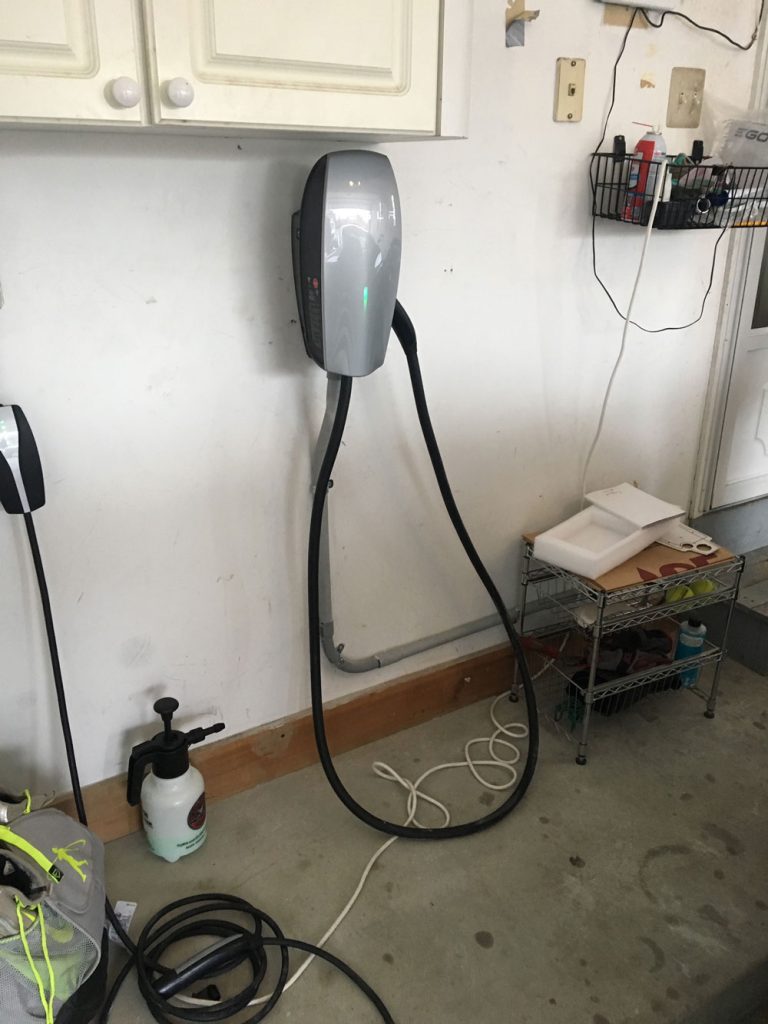
Tesla charger installation should be planned around the specific Tesla charging equipment, its electrical requirements, and the place where the vehicle normally parks. Homeowners may prefer Tesla-specific equipment for a streamlined experience, while a household with multiple vehicle brands may want to compare connector options before committing. Confirming the equipment details before electrical work begins supports a setup that is compatible from the start.
Questions to ask before scheduling an installation
Choosing a provider is easier when the conversation focuses on the actual property and equipment instead of a generic package. Bring the charger model if it has already been selected, or be prepared to explain the vehicle, parking arrangement, and charging expectations. Clear information helps identify the factors that may shape the work.
- Is the charger hardwired, or does it require a specific outlet type?
- What circuit rating and electrical specifications does the equipment manufacturer call for?
- Where is the main electrical panel, and what route would connect it to the charging location?
- Will the cable reach the charge port without crossing a walking path or requiring an extension cord?
- Does the household have anticipated electrical changes, such as another EV or new electric appliances?
- What local permit or inspection steps may apply to the property?
Executive Electric can be a useful contact for Washington Township, MI homeowners who want to begin with those practical details. The company location provided is 20504 Hall Rd, Clinton Township, MI 48038, rather than Washington Township, so prospective customers can use the contact process to discuss their project and location directly. A focused conversation about the charger, home electrical system, and parking area is the most reliable way to determine an appropriate next step.
Frequently asked questions about home charging
How long does Home EV charger installation usually take?
The time required depends on the property’s electrical layout, panel condition, equipment choice, wiring distance, and whether permit or inspection steps apply. A straightforward nearby installation may differ substantially from a project requiring a longer wire route, exterior equipment, or electrical panel modifications. Discussing the specific site and charger model is the best way to understand the expected scope.
Is a Level 2 charger worth it for an EV owner in Washington Township, MI?
A Level 2 charger can be worthwhile when standard outlet charging does not restore enough driving range during the time the vehicle is parked at home. It is especially useful for regular commuters, households with larger-battery EVs, or drivers who need dependable overnight replenishment. The best choice depends on daily mileage, vehicle limits, available electrical capacity, and budget.
Can I charge an EV from an existing garage outlet?
Possibly, but an existing outlet should not be assumed suitable without evaluating its circuit, condition, configuration, and intended load. EV charging is often a sustained electrical load, and a dedicated circuit may be the appropriate solution. Reusing an outlet that serves another appliance can create compatibility and safety concerns.
What should I have ready when contacting Executive Electric?
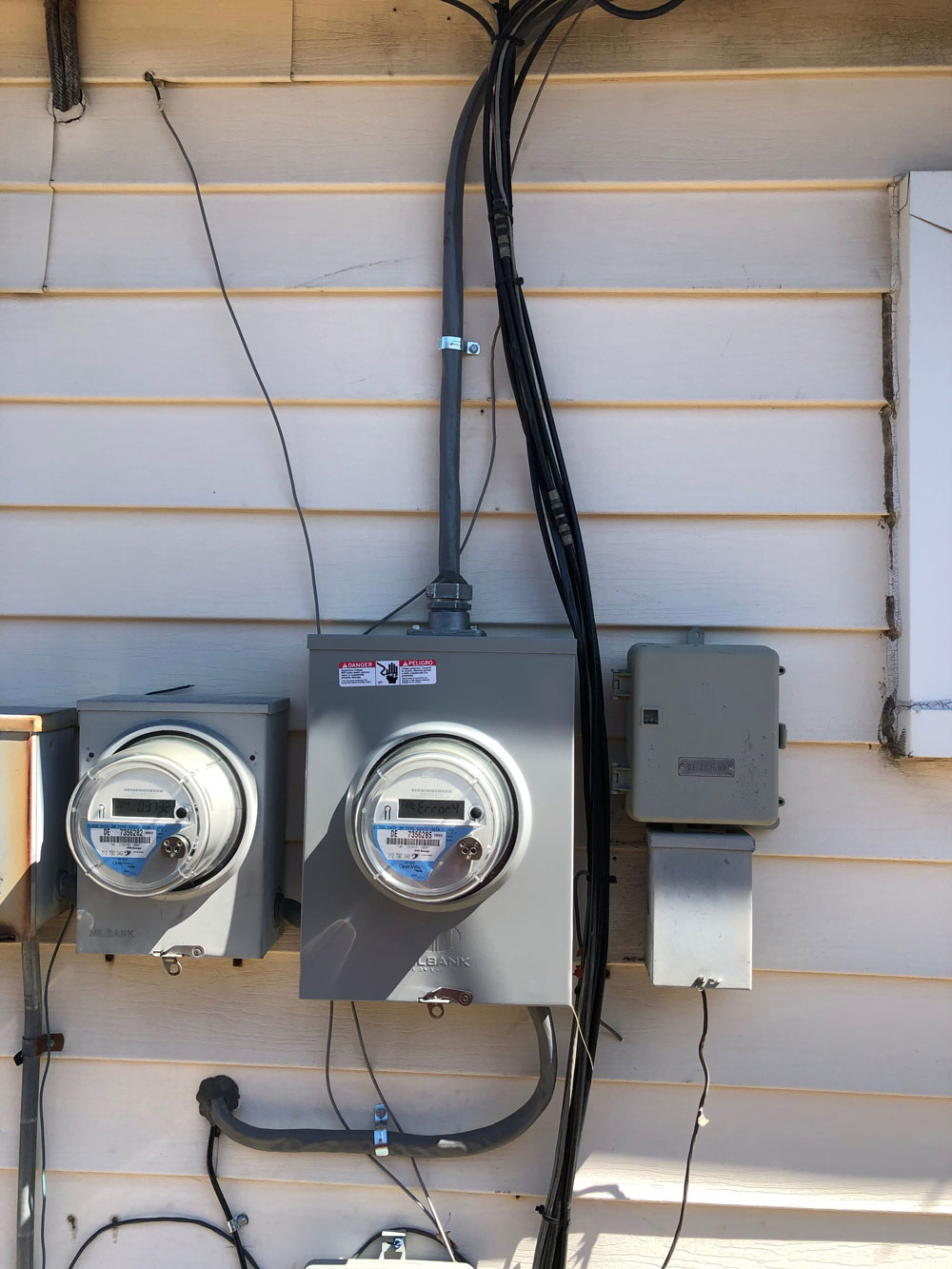
Share your vehicle model, charger model if selected, preferred charger location, photos or information about the electrical panel, and whether the parking area is indoors or outdoors. Also mention future EV plans and any concerns about outlet versus hardwired equipment. Executive Electric is located at 20504 Hall Rd, Clinton Township, MI 48038, and can be contacted to discuss the project details.
Start planning a more convenient charging routine
At-home charging can turn a recurring stop into part of the normal parking routine, provided the equipment and electrical installation are planned for the home. Whether you are comparing a standard outlet with a 240-volt setup, deciding between plug-in and hardwired equipment, or preparing for a new Tesla or another EV, the right questions come first. A well-considered installation supports everyday convenience while keeping the project grounded in the realities of the property.
Ready to discuss a charging setup for your home? Contact Executive Electric to talk about Home EV charger installation needs in Washington Township, MI. Executive Electric is located at 20504 Hall Rd, Clinton Township, MI 48038, and can help you begin the conversation with your vehicle, charger preferences, and home electrical considerations in mind.