Home Generator Installation Warren, MI
When an outage interrupts lighting, refrigeration, heating equipment, internet access, or essential household routines, a permanently installed generator can provide a more practical response than relying on extension cords and a portable unit. Executive Electric provides a clear point of contact for homeowners exploring Home Generator Installation in Warren, MI, with its listed location at 20504 Hall Rd, Clinton Township, MI 48038. The goal is to help you evaluate a backup-power system that fits the circuits, fuel source, and level of protection your home actually needs.
A home generator is not a one-size-fits-all appliance. The right design depends on what must stay powered, how much electrical demand those loads create, whether the home has an appropriate fuel supply, and how the generator will connect safely to the electrical system. Thoughtful planning before equipment is selected can reduce surprises later and make the system easier to use when power is interrupted.
What a professionally planned generator system can do
Home Generator Installation is the process of integrating a fixed generator, transfer equipment, electrical connections, and fuel considerations into a residence so backup power can be used safely during a utility interruption. Rather than attempting to power every device by default, the planning process identifies the loads that matter most and determines an approach suited to the property. For Warren, MI homeowners, that can mean prioritizing comfort, food storage, communications, security equipment, and other day-to-day essentials during an outage.
- Keep selected lighting, receptacles, and refrigeration available when utility power is down.
- Support critical home systems, such as a furnace, sump pump, well equipment, or internet hardware, when properly included in the design.
- Use transfer equipment that separates generator power from utility power for a controlled, safe connection.
- Provide a more permanent alternative to moving, fueling, and manually connecting a portable generator.
Some households want broad coverage across much of the electrical panel, while others prefer a smaller system dedicated to a defined group of essential circuits. Both can be reasonable choices. The important distinction is that generator capacity, load priorities, electrical-panel configuration, and fuel arrangements should be considered together instead of selecting a unit based only on a general square-footage estimate.
Whole-home coverage versus essential-circuit backup
Whole house generator installation is designed around powering a larger share of a residence, but it still requires a realistic review of simultaneous electrical loads. Large appliances, air conditioning, electric heat, and other high-demand equipment can substantially affect sizing decisions. A whole-home approach may offer broader convenience, while essential-circuit backup can focus investment on the systems a household considers nonnegotiable.
In either approach, a transfer switch or other listed transfer equipment is a central part of the system. It manages the change between utility and generator power and helps prevent generator electricity from feeding back onto utility lines. Homeowners should ask how the proposed design will handle priority loads, starting demand, and any equipment that may need to be managed differently during generator operation.
Automatic response when an outage begins
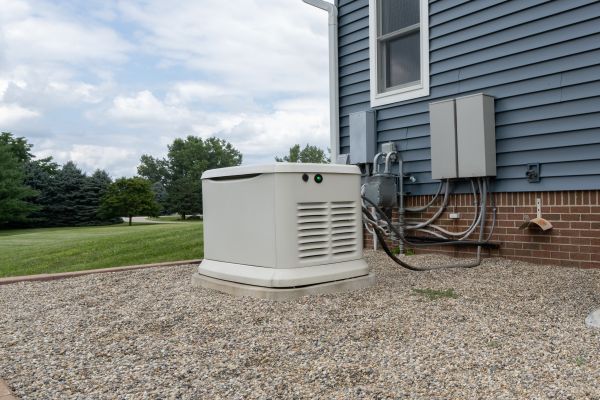
Standby generator installation generally refers to a permanently connected system intended to supply backup power without the manual setup associated with a portable generator. Depending on the selected equipment and configuration, automatic transfer equipment can detect a loss of utility power, start the generator, and transfer supported loads. That convenience is especially relevant when an outage occurs overnight, while residents are away, or when lifting and fueling portable equipment is not desirable.
A fixed standby system still benefits from homeowner awareness. Residents should understand which loads are covered, where the equipment is located, what normal operating sounds to expect, and how routine testing fits into the ownership plan. Automatic operation does not mean ignoring the system; it means the system is arranged to respond more predictably when the electrical grid is unavailable.
How Executive Electric approaches the planning conversation
Executive Electric can help start the decision process by discussing the home, the systems you want to protect, and the practical questions that influence installation. The company is located at 20504 Hall Rd, Clinton Township, MI 48038, and serves homeowners seeking generator guidance in the surrounding region, including those researching options for Warren, Michigan. A productive conversation begins with priorities, not with assumptions about what size generator every home should have.
- Identify essential loads: List the equipment that needs power during an outage, including items with motors or heating elements that may have high demand.
- Review the electrical setup: Consider the existing panel, available space for transfer equipment, and the circuits that may be included.
- Discuss fuel and placement: Evaluate the fuel option, equipment location, access for service, ventilation, and applicable installation requirements.
- Choose the backup strategy: Compare essential-load coverage with more extensive coverage based on lifestyle, budget, and outage concerns.
- Plan ongoing ownership: Ask about testing, maintenance needs, and what to do if the system indicates a fault or needs attention.
Home standby generator systems are often considered by households that want backup power to be available with less hands-on action during an outage. These systems are typically fixed in place and paired with electrical transfer equipment rather than plugged into household receptacles. The best fit depends on the loads you expect to run, the desired level of automation, and the fuel arrangement available at the home.
Before requesting a proposal, it helps to make a simple inventory of your priorities. Include HVAC-related equipment, pumps, refrigerators and freezers, medical or mobility-related devices where applicable, lighting, garage access, communications equipment, and any major appliances you expect to use. This list gives the installer useful context and helps prevent a design from being driven by vague expectations.
Fuel, siting, and electrical details deserve attention
Natural gas generator installation may appeal to homeowners whose property has an available natural gas supply, because the generator can be connected to an ongoing fuel source rather than requiring gasoline storage and refueling. Fuel capacity and supply conditions still need to be evaluated in relation to the generator and other gas appliances in the home. Equipment placement also matters, with attention to manufacturer instructions, required clearances, exhaust, access, noise considerations, and local permitting requirements.
Electrical details are equally important. A generator does not simply attach to a panel and power everything automatically. The transfer method, breaker-panel layout, load calculations, grounding and bonding considerations, and chosen circuits all affect how the system is designed. A qualified professional should evaluate the specific property rather than relying on an online sizing chart as the final answer.
Choosing the right level of backup power
Backup generator installation can be a practical choice for a homeowner who needs dependable power for selected essentials but does not require every household load to operate at once. A dedicated essential-load design can protect refrigeration, lighting, communications, and critical mechanical equipment while keeping capacity needs more focused. It is a useful option to discuss when budget, fuel use, panel capacity, or installation scope makes full-home coverage unnecessary.
Residential generator services involve more than placing equipment outside a home. A complete service conversation should address site evaluation, generator sizing, transfer equipment, electrical integration, fuel coordination, startup expectations, and future maintenance planning. Asking about these elements helps homeowners compare proposals based on scope and suitability rather than only on the generator’s nameplate rating.
A portable generator remains a reasonable alternative for some households, particularly when only short-term, limited power is needed and users are comfortable with manual operation. However, portable units require safe outdoor placement, fuel management, manual connections, and careful control of loads. A permanent residential standby setup is usually considered when convenience, automatic response, and organized electrical integration are higher priorities.
Questions that help compare installation proposals
Look for an explanation that connects recommended equipment to your priorities. A useful proposal discussion should clarify what will be backed up, whether load management is anticipated, how the transfer equipment functions, and what site or fuel work may be involved. It should also make clear which items are outside the proposed scope so you can make an informed comparison.
- Which appliances, systems, or circuits are included during an outage?
- How was the generator capacity selected for those intended loads?
- What transfer equipment will be used, and how will it operate?
- What placement, fuel-source, permit, or utility coordination issues may affect the project?
- What testing and maintenance should the homeowner expect after installation?
Home electrical backup solutions should be selected according to the household’s outage risks and everyday needs, not simply the desire for the largest available generator. A family concerned about a sump pump and refrigeration may need a different plan than a household that also wants heating, central cooling, electric cooking, or extensive appliance coverage. Defining priorities makes it easier to weigh capacity, cost, automation, and fuel use in a practical way.
Power outage backup solutions can also include non-generator measures, such as battery-backed internet equipment, surge protection, flashlights, and an emergency plan for food, medications, or mobility needs. These measures can complement a generator but do not replace safely installed backup power for larger household loads. Thinking through the full outage plan helps residents use a generator system more effectively when utility service is disrupted.
Take the next step toward a more prepared home
For homeowners considering Home Generator Installation in Warren, MI, Executive Electric offers a practical starting point for discussing power priorities, electrical integration, and the type of generator setup that makes sense for the property. The company’s listed location is 20504 Hall Rd, Clinton Township, MI 48038, not Warren, so the conversation can begin with clear location and project details. Michigan homeowners can use that discussion to move from a general concern about outages to a defined backup-power plan.
Ready to explore a generator system for your home? Contact Executive Electric to discuss your household’s essential loads, preferred backup approach, and Home Generator Installation needs. Share the systems you want protected and any fuel or panel questions so the next steps can be considered with the right context.
Frequently asked questions
What is included in a typical home generator installation?
A typical installation connects a permanent generator to approved transfer equipment and selected electrical loads, with planning for fuel, placement, controls, and applicable permits. The exact scope varies by home, generator type, electrical panel, and whether you want essential circuits or broader home coverage.
How do I know what size generator my Warren, MI home needs?
Generator size should be based on the electrical loads you expect to operate, including motor starting demand and major appliances, rather than home size alone. Make a list of priority equipment, then have the electrical system and intended loads reviewed so capacity and transfer equipment can be matched appropriately.
Can a standby generator run the entire house?
Some systems are designed for extensive home coverage, but whether every load can run at once depends on generator capacity, load calculations, and the home’s equipment. Large loads such as central air conditioning, electric heat, and cooking appliances may require more capacity or load-management planning.
Where is Executive Electric located for homeowners seeking generator help?
Executive Electric’s listed location is 20504 Hall Rd, Clinton Township, MI 48038. Homeowners in Warren and elsewhere in Michigan can contact Executive Electric to discuss their generator project, property details, and the backup-power coverage they are considering.