Home EV charger installation Warren, MI
Charging an electric vehicle at home can make daily driving simpler, but the charger needs a safe electrical path from the panel to the parking location. For homeowners researching Home EV charger installation Warren, MI, Executive Electric offers a local point of contact at 20504 Hall Rd, Clinton Township, MI 48038. A thoughtful plan helps align the charger, circuit capacity, cable route, and vehicle needs before work begins.
A dedicated home charging setup can reduce reliance on public stations and give drivers a predictable place to recharge between trips. The right approach is not always the highest-powered charger. It is the configuration that fits the home electrical system, the vehicle’s charging capability, parking habits, and applicable local requirements.
What a home charging project should accomplish
Home EV charger installation is the process of adding a properly planned electrical circuit and charging connection for an electric vehicle at a residence. The goal is dependable, convenient charging without overloading existing equipment or relying on an unsuitable extension cord, shared circuit, or improvised outlet arrangement. A professional review starts with the home, not simply the charger model.
Many Warren, MI drivers seek a residential charging solution after purchasing a battery-electric vehicle, adding a plug-in hybrid, or finding that standard wall-outlet charging does not keep pace with their routine. A dedicated setup can also help households coordinate charging when a vehicle is parked in an attached garage, detached garage, driveway, or other approved parking area. The installation plan should account for where the vehicle actually sits and how the cord can be used safely.
- Daily convenience: Start the day with a vehicle that has had time to recharge at home.
- Purpose-built power: Use a dedicated circuit sized for the selected equipment and electrical conditions.
- Cleaner cable management: Position the connection to reduce unnecessary cord stretching across walking or driving paths.
- Future-minded planning: Consider whether another EV, different vehicle, or panel upgrade may affect later decisions.
Residential charging begins with the electrical system
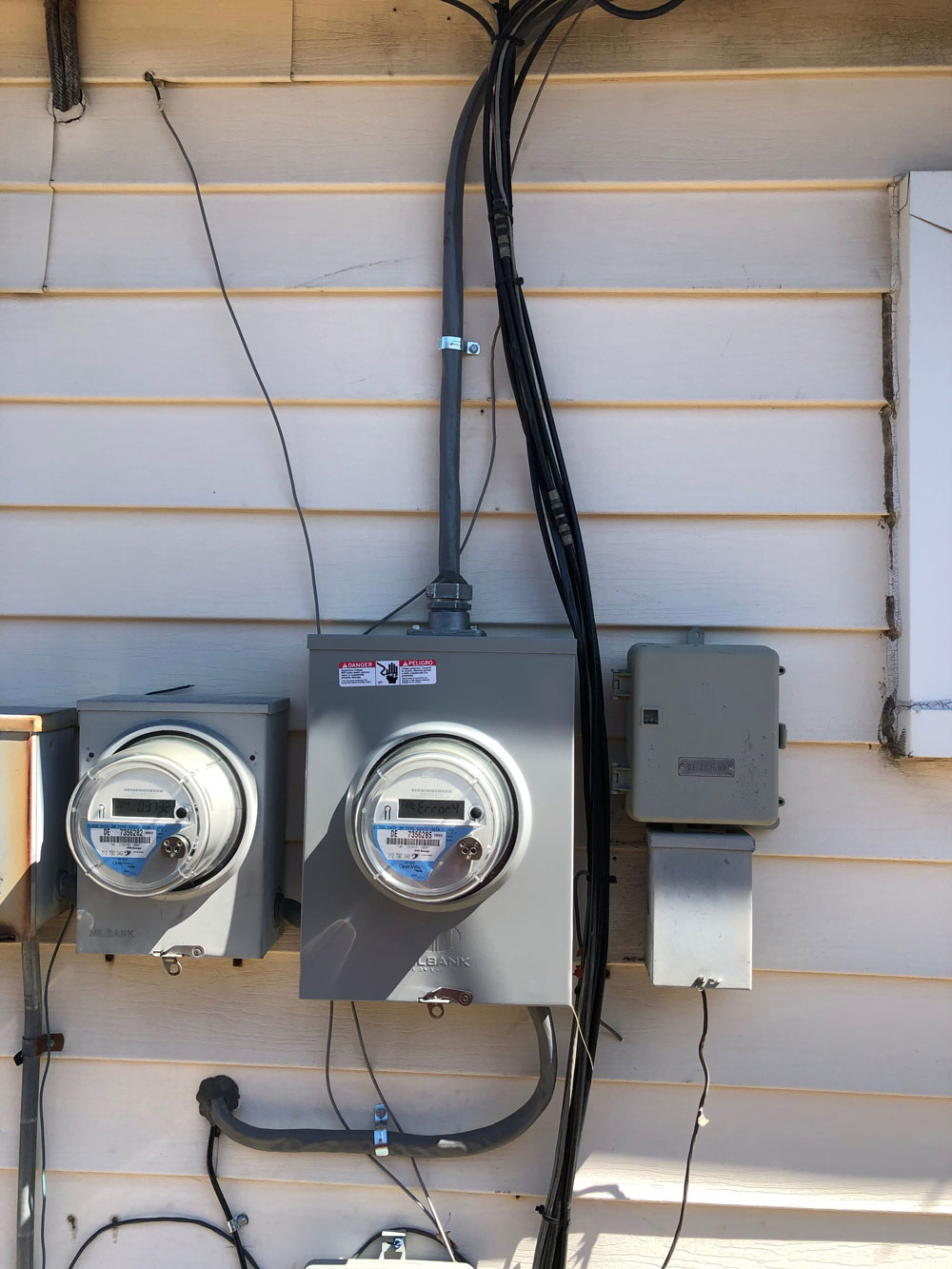
Residential EV charger installation is more than mounting a device on a garage wall. It commonly involves evaluating the service panel, available load capacity, breaker space, wire route, disconnecting requirements where applicable, and the distance to the charging location. These details influence both the feasible charging rate and the scope of work.
Older homes, additions, finished garages, and long runs to a detached structure can present different planning considerations than a newer home with an open panel and nearby parking. If existing electrical capacity is limited, a homeowner may need to evaluate options such as a lower-amperage charging configuration, load-management equipment where appropriate, or electrical service improvements. The useful decision is one based on an assessment of the specific property rather than an assumption that every home can support the same equipment.
Choosing the connection that matches how you drive
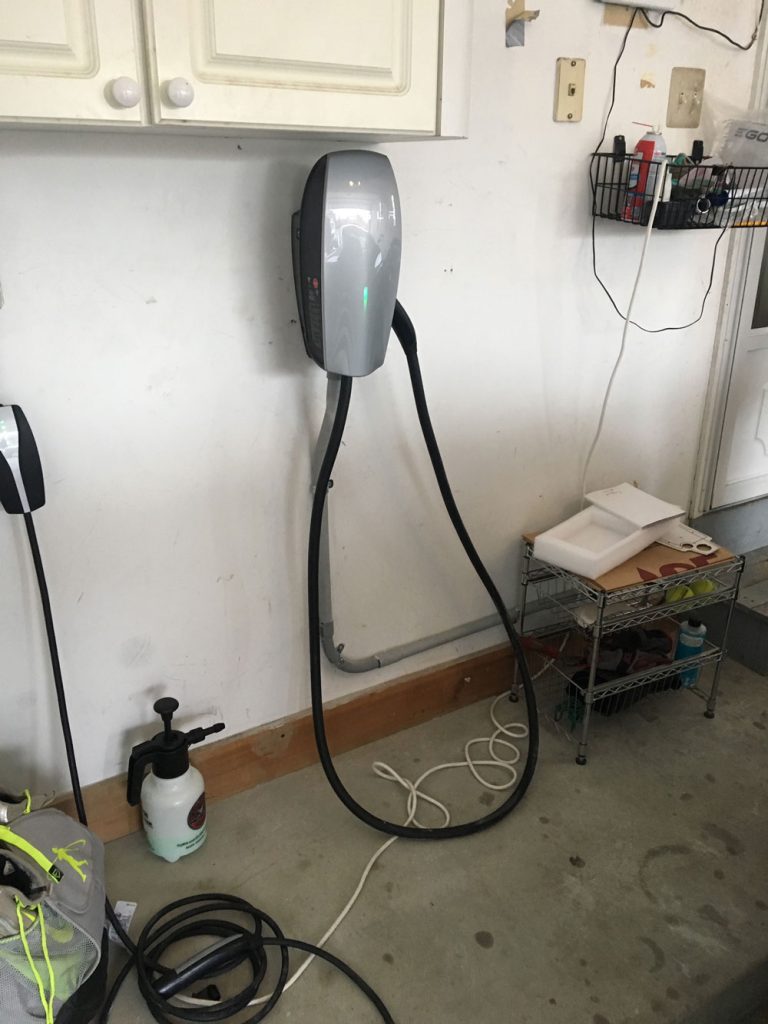
A Home charging station gives the vehicle a designated charging point instead of making a standard receptacle carry the entire routine. Homeowners can choose between a hardwired unit and a plug-in charging unit when the electrical design, equipment instructions, and site conditions support that choice. Features such as scheduling, app connectivity, weather rating, cord length, and access control may matter, but electrical compatibility should come first.
The charging station should be selected with the vehicle’s onboard charger in mind. Installing equipment capable of a higher output does not necessarily make every vehicle charge faster, because the vehicle may limit the rate it accepts. Conversely, a modest charging rate may be entirely practical when the vehicle is parked overnight and the daily commute uses only part of the battery.
A Level 2 EV charger installation generally uses 240-volt household power and can provide substantially more charging capability than a typical 120-volt Level 1 setup. This option is often appropriate for drivers who want to replenish more range during an evening, have longer daily driving needs, or prefer greater flexibility between trips. The actual charging speed depends on the charger setting, circuit rating, vehicle capability, battery conditions, and other factors.
Important decisions before installation day
The best time to resolve charger questions is before equipment is purchased or a circuit is installed. A clear conversation about the vehicle, location, desired charge window, and electrical panel can prevent a mismatch between the charger a homeowner buys and the capacity the home can reasonably support. It also gives the homeowner a more useful basis for comparing installation approaches.
- Identify the vehicle or vehicles that will charge at the property and review their charging connection requirements.
- Choose the normal parking position and consider cord reach, mounting height, weather exposure, and access.
- Review the service panel and likely circuit path to understand capacity, routing, and potential obstacles.
- Select compatible equipment and determine whether a hardwired connection or receptacle-based configuration fits the plan.
- Confirm permit and inspection expectations with the authority having jurisdiction before work is scheduled.
- After installation, understand the charger controls, charging schedule, and any operating limits for the new circuit.
Why 240-volt planning matters
A 240V EV charger installation typically requires a dedicated branch circuit designed around the equipment’s continuous electrical load and installation instructions. Circuit breaker size, conductor sizing, receptacle type if one is used, and the panel’s available capacity all matter. Because EV charging can run for hours, the installation should not be treated like adding an ordinary convenience outlet.
Some homeowners assume that any unused breaker space means a new charger can be added immediately. Physical space in the panel and available electrical load are different considerations, and both should be reviewed. A sound plan also looks at the path through walls, ceilings, basements, or exterior areas so the finished installation is practical and protected.
An EV charging outlet installation can be a suitable choice when compatible plug-in equipment is selected and the outlet, circuit, and enclosure are designed for that use. This approach can offer equipment flexibility, while a hardwired charger can eliminate the plug-and-receptacle connection and may suit other layouts. The appropriate option depends on the charger instructions, location, electrical design, and how the homeowner expects to use the connection over time.
Vehicle-specific equipment and practical placement
Drivers should not assume that every charging connector, wall unit, or cable arrangement is interchangeable without checking the vehicle and equipment documentation. Connector standards, adapter use, charger output settings, and manufacturer instructions can all affect the setup. A well-planned residential EV charging installation considers these details before the equipment is mounted.
A Tesla charger installation should be planned around the Tesla vehicle’s charging equipment, the selected wall connector or compatible charging solution, and the home’s electrical capacity. Tesla owners may choose equipment that supports their current vehicle while considering future household vehicles that could use a different connector standard. Placement remains important: the cord should reach the charge port comfortably without creating an avoidable obstruction.
For Michigan homeowners, garage temperature, outdoor exposure, snow and moisture, and the location of the vehicle’s charge port can influence equipment placement. An exterior installation may call for equipment rated for the environment and a route that avoids damage from vehicles or routine use. Executive Electric can be contacted to discuss the property-specific details that affect a home charging project.
What to look for when comparing installation options
Comparing proposals only by the charger brand or advertised amp rating can leave out important parts of the project. A meaningful installation discussion identifies what is included, how the circuit will reach the charger, whether panel work may be needed, and how permits or inspections fit into the process. Clear scope helps a homeowner understand the practical tradeoffs before committing.
- Whether the proposed circuit is dedicated to EV charging.
- How the panel capacity and breaker space will be evaluated.
- Whether the charger will be hardwired or connected through an appropriate receptacle.
- Where equipment and cable routing will be placed in relation to parking and daily use.
- What equipment information the homeowner should provide before installation.
- Which local permit and inspection steps may apply to the property.
Executive Electric’s Clinton Township location provides a straightforward contact option for people considering Home EV charger installation in Warren, MI. Sharing the vehicle model, charger model if already purchased, photos of the panel and proposed location, and the distance between them can make the initial conversation more productive. If equipment has not been selected, describing charging habits and parking conditions is still useful.
Common questions about charging at home
How long does a Level 2 home charger take to charge an EV?
Level 2 charging time varies by the vehicle’s battery size, onboard charger, starting battery level, charger output, and circuit setting. It usually provides more overnight charging capability than a standard 120-volt connection. The vehicle manual and selected equipment specifications provide the most accurate expectations for a particular model.
Do I need a panel upgrade for a home EV charger?
Not every home needs a panel upgrade. The need depends on the electrical service, current loads, available capacity, panel condition, charger setting, and the rest of the home’s electrical demand. An electrical evaluation is the appropriate way to determine whether the existing system can support the proposed dedicated circuit.
Can I use a plug-in charger instead of a hardwired charger?
Either configuration may be appropriate when it is compatible with the charger instructions and the electrical installation is designed for it. A plug-in unit requires a suitable receptacle and dedicated circuit, while a hardwired unit connects directly to the electrical system. Placement, equipment requirements, and future flexibility can guide the decision.
Is Executive Electric located in Warren, Michigan?
Executive Electric is located at 20504 Hall Rd, Clinton Township, MI 48038. Homeowners seeking a charging installation discussion for a Warren, MI property can contact Executive Electric to review their vehicle, parking location, and electrical project considerations.
Discuss your home charging plan with Executive Electric
A charger installation is easier to plan when the electrical details, vehicle needs, and parking layout are considered together. Whether you are preparing for a new EV, replacing an inadequate charging routine, or weighing a Level 2 upgrade, start with the information that shapes the installation. Contact Executive Electric through the online contact form to discuss Home EV charger installation for your Warren, MI home. Executive Electric’s location is 20504 Hall Rd, Clinton Township, MI 48038.