EV Charger Electrical Panel Upgrade Warren, MI
An EV charger can be a major new electrical load, and the home’s existing panel must have enough safe, usable capacity to support it. For homeowners researching an EV Charger Electrical Panel Upgrade in Warren, MI, Executive Electric can be contacted to discuss the electrical considerations involved before a charger installation moves forward. Executive Electric is located at 20504 Hall Rd, Clinton Township, MI 48038, and serves customers seeking clear information about a panel-related charging project.
A panel upgrade is not automatically required for every electric vehicle charger. It becomes a practical consideration when the current service, panel rating, breaker space, or calculated electrical load does not support the charger circuit alongside the home’s normal demand. Looking at those details early helps prevent an installation plan that is inconvenient, undersized, or dependent on assumptions about the existing electrical system.
Why an EV charger may call for a panel upgrade
Electric vehicle charging is usually supplied by a dedicated circuit, particularly for higher-output Level 2 charging equipment. That circuit draws power for extended periods, so its effect on the overall electrical service deserves more attention than simply finding an open spot in the panel. The right path depends on the property’s existing equipment and actual household electrical usage.
Your panel has to support the full household load
Panel capacity is not determined only by the number printed on the main breaker or by the number of unused breaker positions. An electrician typically needs to consider the service rating, major fixed appliances, heating or cooling equipment, electric water heating, cooking equipment, laundry loads, and the planned charging circuit. This load calculation helps determine whether the service can accommodate EV charging without exceeding the system’s intended capacity.
Many homes can add charging with a properly sized circuit when the load calculation supports it. Other homes may need a larger panel, a service upgrade, or a different charging approach. An open breaker slot alone does not prove that the home has adequate electrical capacity, just as a full panel does not always mean the electrical service itself must be replaced.
- A breaker panel may lack physical room for the required dedicated circuit.
- The calculated load may be too high once EV charging is included.
- Older equipment may warrant evaluation before adding a substantial continuous load.
- A planned charger location may require a long circuit run, which affects design and material needs.
- Future electrical plans, such as another EV or added electric appliances, may influence the preferred upgrade size.
Level 1 and Level 2 charging create different demands
Level 1 charging generally uses a standard household receptacle and adds energy more slowly. Level 2 charging uses 240-volt power and can offer faster home charging, but it commonly requires a dedicated circuit and a closer review of the electrical panel. The appropriate choice depends on driving habits, vehicle charging acceptance, available time at home, and the electrical capacity the property can safely provide.
Choosing the highest available charger output is not necessarily the best answer. A homeowner may decide that a moderate Level 2 circuit meets daily needs while reducing the scope of electrical work, while another household may prefer capacity that supports greater charging demand or future vehicle changes. A professional review can turn those tradeoffs into a practical installation plan rather than a guess based on charger advertising.
What an electrical assessment should clarify
The purpose of an assessment is to match the charging plan to the home’s electrical system, not to recommend equipment before the essential facts are known. Executive Electric can be contacted about an EV charging project so the discussion begins with panel capacity, circuit routing, charger location, and the property’s broader electrical needs. For a Warren, Michigan homeowner, that preparation can make the next decision more straightforward.
- Review the existing electrical equipment. Identify the main panel, service rating, available breaker positions, and visible conditions relevant to adding a circuit.
- Consider household demand. Account for major electrical loads that may operate while the vehicle is charging.
- Define the charging goal. Consider the vehicle, desired charging speed, preferred charger location, and anticipated daily use.
- Plan the circuit route. Evaluate the distance and path from the panel to the garage, driveway, or other parking area.
- Choose an appropriate scope. Determine whether a new dedicated circuit, panel work, service work, or a different charging strategy best fits the assessment.
Permits, inspections, and local code requirements can be part of an electrical upgrade project, depending on the work and jurisdiction. A homeowner should ask how the proposed scope will address applicable requirements rather than treating a charger as a simple appliance plug-in. Proper planning also considers whether the charging equipment will be hardwired or receptacle-connected and whether its electrical rating matches the circuit design.
Panel upgrades can solve more than one problem
An electrical panel upgrade can create space and capacity for EV charging while also organizing a crowded or obsolete panel arrangement. It may be especially worth discussing when a homeowner expects to add other electrical loads over time, such as electric appliances, updated HVAC equipment, or a second electric vehicle. The benefit is a system plan that considers present charging needs and avoids making a short-term choice that becomes restrictive later.
That said, more capacity is not automatically better if it does not match the home’s service and future plans. The appropriate upgrade should be based on the electrical assessment, the desired charging circuit, and the property’s condition. A clear proposal should explain what is being changed, why the work is needed, and how the design supports the planned charger.
EV Charger Panel Upgrade planning for a practical home setup
An EV Charger Panel Upgrade should be planned as an electrical-system decision, not merely as the final step after buying charging equipment. The panel, service capacity, dedicated circuit, wire route, and charger output all work together. Reviewing those pieces before installation can help a homeowner select charging equipment that fits the property instead of forcing unnecessary compromises afterward.
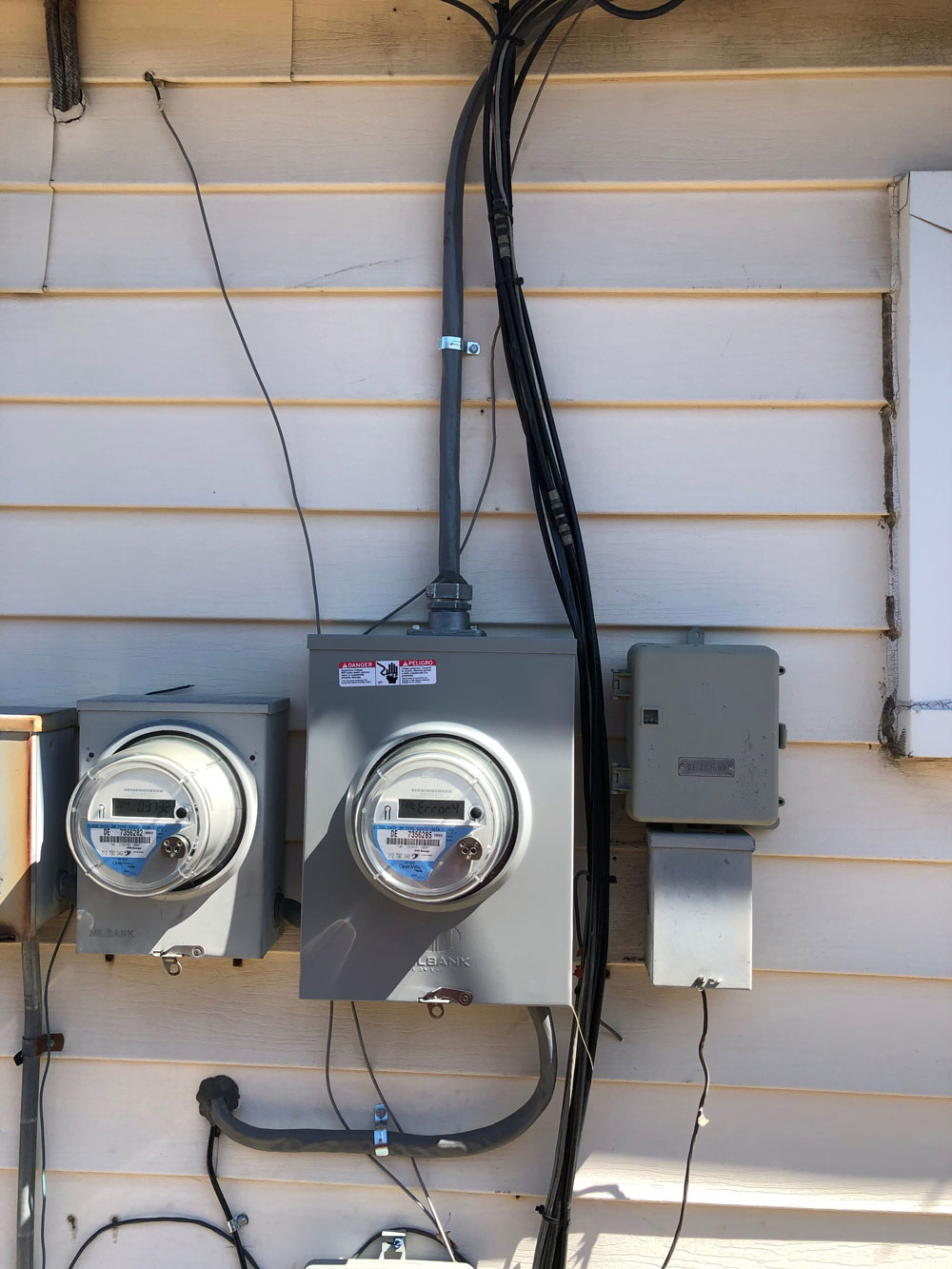
It is useful to gather a few details before contacting an electrical provider: the EV model, charging equipment under consideration, a photo of the electrical panel if available, and the proposed parking or charger location. Sharing future plans is also valuable. For example, a household that expects to replace gas appliances with electric models may want that possibility considered when evaluating panel capacity.
Consider the charger location as carefully as the panel
The preferred parking location influences the entire installation. A charger near the electrical panel may allow a simpler circuit route, while a detached garage, exterior driveway, or distant parking position may require a more involved path. Weather exposure, physical protection, mounting surface, cable reach, and vehicle access are all relevant considerations for a useful charging setup.
Homeowners should also think about everyday use, not just installation day. The charging cord should reach the vehicle connection without creating an avoidable trip hazard or stretching across an unsuitable route. Planning around how and where the vehicle actually parks helps ensure that the upgraded electrical capacity results in a charger location that is convenient to use.
How to choose the right scope for your home
The best electrical solution is the one that safely supports the intended charger without overlooking the rest of the house. A new circuit may be enough when the panel has space and the load calculation allows it. A panel replacement, service upgrade, or revised charger selection may be more appropriate when capacity, equipment condition, or future demand points in that direction.
- Dedicated circuit only: Often considered when existing panel space and calculated capacity are sufficient.
- Panel upgrade: May be considered when breaker space, panel condition, or distribution capacity creates a limitation.
- Service upgrade: May be relevant when the incoming electrical service cannot support the anticipated total load.
- Adjusted charging plan: A lower-output setup or managed charging approach may be worth discussing when it meets the household’s needs with a different scope of work.
For residents considering an EV charger electrical panel upgrade in Warren, MI, it is sensible to request an explanation in plain language. Ask what the load calculation indicates, whether the recommendation addresses present or future demand, where the charger circuit will run, and what work is included. Those details make it easier to compare options based on suitability rather than selecting solely by charger price or advertised speed.
Talk with Executive Electric about your EV charging project
Executive Electric offers a direct contact point for homeowners who want to start with the electrical side of an EV charging plan. Explain your current panel, anticipated charger location, vehicle needs, and any future electrical upgrades you are considering. That conversation can help establish whether a panel evaluation is the logical next step before choosing a final installation approach.
If you are in or around Warren, MI and need to explore charging capacity at your home, contact Executive Electric to discuss your project. Executive Electric’s listed location is 20504 Hall Rd, Clinton Township, MI 48038. A thoughtful review of the electrical system can help you move toward dependable at-home charging with a scope suited to your Michigan property.
Common questions about EV charging panel capacity
Do I always need a panel upgrade to install an EV charger?
No. An EV charger electrical panel upgrade is needed only when the existing panel or service cannot safely support the planned dedicated charging circuit and household demand. An assessment and load calculation help identify whether a circuit addition, panel work, service work, or another charging approach is appropriate.
What is the difference between adding a circuit and upgrading the electrical panel?
Adding a circuit means installing a dedicated breaker and wiring for the charger when the existing system has adequate space and capacity. Upgrading a panel involves replacing or modifying the distribution equipment to address limited breaker space, equipment condition, or capacity needs. The service feeding the home may also require separate consideration.
Can a Level 2 charger overload a home electrical system?
A properly designed installation is intended to account for the charger’s load and the home’s other electrical demand. Problems can arise when a charger is selected or installed without confirming available capacity. A load calculation helps determine a circuit rating and overall approach that fit the property.
What should I have ready when contacting Executive Electric from Warren, Michigan?
Bring the EV model, charger details if you have them, the desired charging location, and information about major electrical appliances or future upgrades. Photos of the panel can also be useful for an initial discussion. Executive Electric can be contacted at its listed Clinton Township, MI location to discuss the next steps for your project.