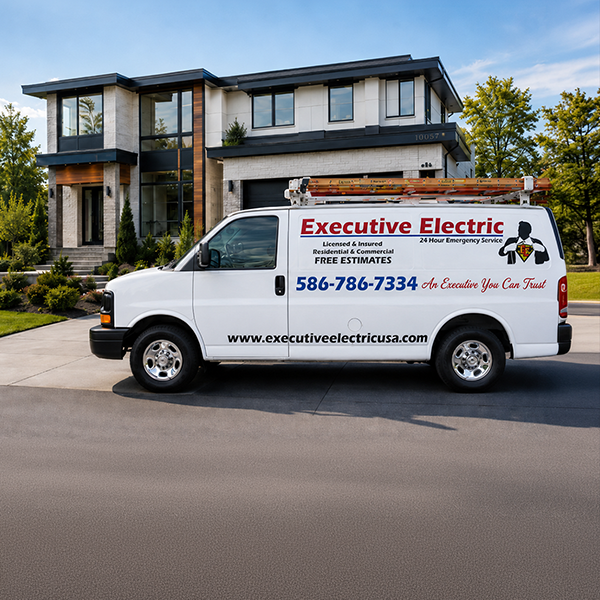
Diesel Generator Installation Warren, MI
Power interruptions can stop heating equipment, refrigeration, security systems, communications, and essential operations without warning. For property owners seeking diesel generator installation in Warren, MI, the goal is not simply to buy a generator. It is to create a backup-power system that is appropriately sized, safely connected, and planned around the electrical loads that matter most.
Executive Electric is located at 20504 Hall Rd, Clinton Township, MI 48038. Warren customers considering standby power can contact Executive Electric to discuss their project needs, the information required for a useful assessment, and the next practical step toward a professionally planned generator connection.
Backup power should begin with the loads you need to protect
A diesel standby generator supplies electricity when normal utility power is unavailable, but the generator is only one part of the system. The electrical connection, transfer equipment, fuel arrangement, placement, and selected circuits all affect whether backup power performs as expected. A careful plan helps a Warren property owner avoid paying for capacity that is not needed or choosing equipment that cannot support priority loads.
Why diesel backup power may fit the property
Diesel generators are commonly considered where dependable on-site fuel storage, higher-demand equipment, or extended outage planning are priorities. They can be a practical option for residences with critical electrical needs, commercial properties, facilities with refrigeration or pumps, and operations that cannot easily pause when utility service fails. The right fit depends on actual load requirements, operational goals, fuel-management expectations, and the space available for compliant equipment placement.
Backup power planning is especially useful when a property has systems that must remain available during an outage. Rather than assuming every circuit needs generator power, owners can identify the functions that support safety, preservation, comfort, or continuity. This approach makes the project easier to define before equipment is selected.
- Heating, ventilation, sump, and well-pump equipment where applicable
- Refrigeration, freezers, and selected kitchen equipment
- Security, lighting, network, and communications equipment
- Medical-support equipment or other essential household loads
- Business systems, controls, pumps, or priority production equipment
Starting with a priority-load list also helps distinguish between a whole-property solution and an essential-circuit solution. Whole-building backup may be appropriate when many systems must continue running, while a managed set of critical circuits can reduce required capacity and project complexity. A professional electrical review can clarify the practical tradeoff instead of relying on a generator nameplate alone.
Generator size is based on electrical demand, not guesswork
Proper generator sizing accounts for running watts, starting demand, voltage, phase, and the likelihood that multiple loads will operate at the same time. Motors and compressors can require substantially more power at startup than during normal operation. An oversized unit can add unnecessary equipment and fuel costs, while an undersized unit may overload, fail to start important loads, or require inconvenient load shedding.
Useful project information often includes recent electrical usage, panel details, equipment specifications, and a clear list of what must operate during an outage. For a business, it may also help to identify which functions can remain off temporarily and which must stay energized. These details support a more informed discussion about generator capacity, circuit priorities, and the transfer strategy.
What a diesel generator project typically involves
A complete installation connects a generator to a property in a controlled way so normal utility power and generator power are not improperly combined. The work generally includes evaluating the electrical service, determining how power will transfer, routing conductors, and coordinating the generator system with the circuits or distribution equipment it is intended to serve. Site conditions and local requirements influence the final scope.
Assessment and equipment planning come before installation
The planning phase is where major decisions should be made. An installer needs to understand the building’s electrical layout, the desired level of backup, the generator’s proposed location, fuel considerations, and access for service. For a Warren, Michigan property, it is also important to verify applicable permitting, inspection, clearance, noise, and installation requirements with the relevant local authorities before work proceeds.
- Define outage priorities. Identify the equipment, circuits, and functions that need power first.
- Review electrical demand. Evaluate connected loads, starting loads, service configuration, and potential capacity needs.
- Select a transfer method. Decide whether the system should transfer automatically or be operated manually, based on the property’s needs.
- Plan placement and connections. Consider equipment clearances, ventilation, exhaust, fuel supply, conductor routing, and service access.
- Complete installation and verification. Install the generator connection and associated equipment, then verify operation according to the project plan and applicable requirements.
Automatic transfer equipment can sense a utility outage and signal the generator system to take over, then return the load when normal power is restored. Manual transfer equipment requires a person to initiate the transfer, which can be a reasonable choice for some lower-complexity applications but will not provide unattended response. The better option depends on how quickly power must be restored and whether someone will reliably be present to operate the system.
Safe transfer equipment is a central part of the system
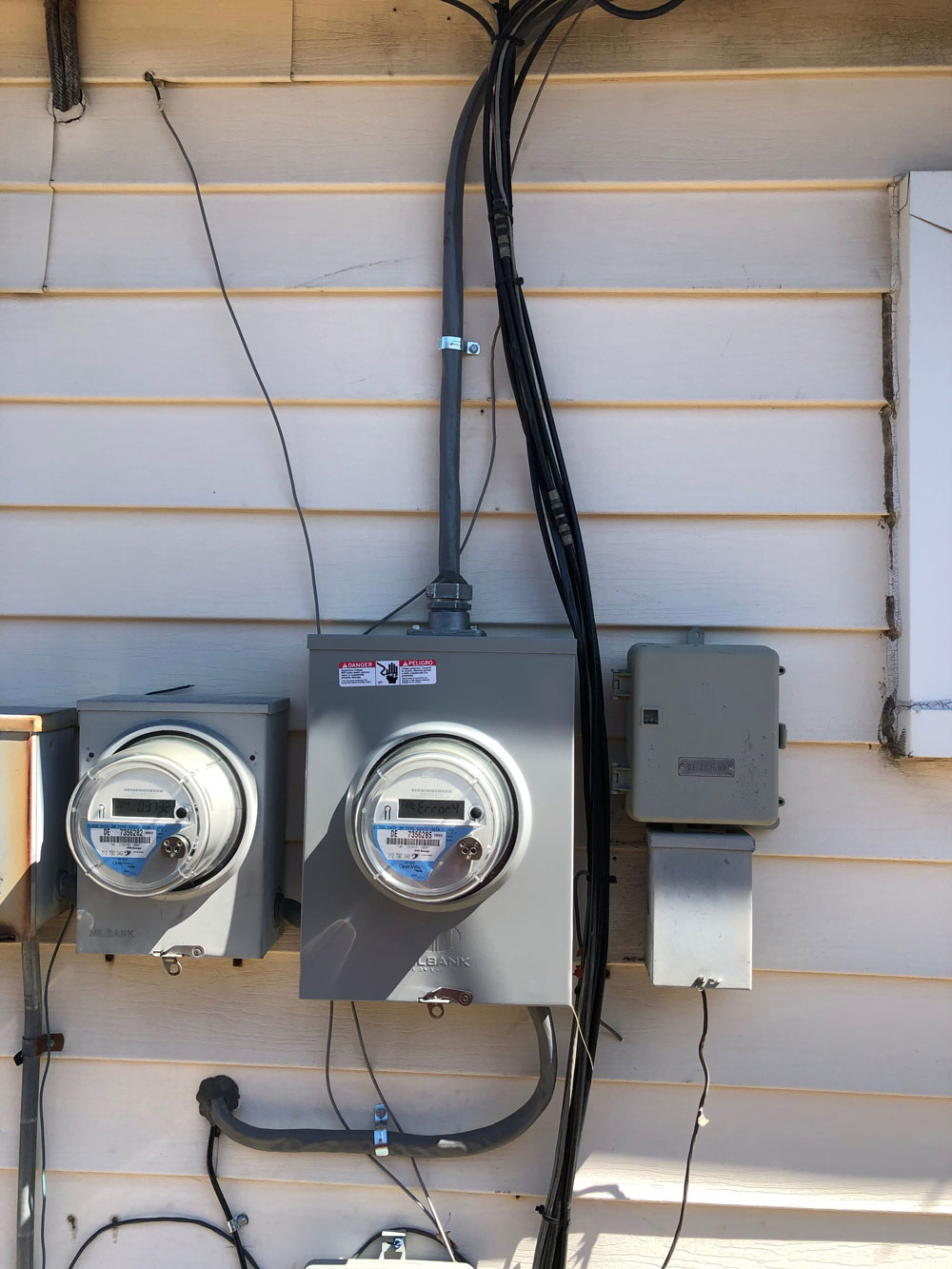
A generator must never be connected through an improvised method that can energize utility lines or bypass required protective equipment. Properly selected transfer switches or transfer panels isolate utility power from generator power during operation. This protects people working on electrical infrastructure and helps protect the property’s electrical system from an unsafe backfeed condition.
Panel capacity and circuit organization can also influence the design. Some properties may benefit from a dedicated emergency panel that groups essential loads, while others may require a service-rated transfer arrangement or a more comprehensive distribution solution. Executive Electric can be contacted to discuss the existing electrical setup and the type of questions that should be resolved before a diesel generator project is finalized.
Choosing a practical backup-power approach
Diesel generator installation is a long-term infrastructure decision, so comparison shopping should consider more than the generator’s purchase price. A lower initial equipment cost may not account for transfer equipment, electrical modifications, fuel storage, placement work, permitting, or the future maintenance needs of an engine-driven system. Clear project scope is more valuable than a vague estimate because it identifies what the backup system is intended to do.
For a useful overview of the electrical considerations behind Diesel generator installation, think of the system as a coordinated package rather than a standalone appliance. The generator, fuel source, transfer equipment, electrical distribution, protective devices, and selected loads must work together. Planning these components as a package helps prevent surprises after the equipment arrives.
Questions that help you compare project options
Before selecting a provider or a system design, property owners should ask for explanations in terms they can use. The objective is to understand the scope, not to become an electrical expert overnight. A clear conversation should connect the recommended approach to the loads, outage expectations, and physical conditions of the specific property.
- Which loads are included, and which loads will remain off during generator operation?
- What generator capacity is being considered, and how was that capacity determined?
- Will the system use automatic or manual transfer equipment?
- What electrical upgrades, panels, conductors, or protective devices may be necessary?
- What placement, fuel, clearance, permit, and inspection considerations apply?
- What routine testing, fuel management, and maintenance responsibilities should the owner expect?
Routine care matters after commissioning. Diesel fuel condition, battery readiness, fluid levels, periodic exercise, and maintenance intervals all influence whether a backup generator will be ready when needed. Installation establishes the electrical foundation, but an owner should also have a realistic plan for ongoing generator upkeep and safe operation.
Talk with Executive Electric about your Warren backup-power plans
Executive Electric provides a direct point of contact for people evaluating diesel generator connections and standby-power planning in the Warren area. The company’s listed location is 20504 Hall Rd, Clinton Township, MI 48038, rather than Warren itself. That distinction matters when looking for a provider while still allowing a Warren, MI property owner to begin a clear conversation about the project’s electrical needs.
Bring a list of priority equipment, any available generator information, and questions about your current panel or service. These details can make an initial conversation more productive and help determine whether the next step is a site evaluation, load review, or a more detailed installation plan. Reliable backup power begins with defined expectations, safe electrical design, and decisions that match how the property is actually used.
Ready to plan a more resilient power setup? Contact Executive Electric to discuss diesel generator installation for your Warren, Michigan property. Executive Electric can be reached through its Clinton Township location at 20504 Hall Rd, Clinton Township, MI 48038 to start the conversation.
Frequently asked questions about diesel generator installation
How is the right diesel generator size determined?
The right size is determined by the electrical loads the generator must support, including running demand, motor-starting demand, voltage, phase, and how many loads may operate together. A load review is more reliable than selecting capacity based only on building size or a general rule of thumb.
Can a diesel generator power an entire home or business?
It can, if the generator, transfer equipment, electrical service, and fuel plan are designed for whole-property demand. Many owners instead choose essential-load backup to support selected circuits, such as heating equipment, refrigeration, pumps, lighting, communications, or critical business systems. The appropriate approach depends on priorities and budget.
Is an automatic transfer switch necessary for a standby generator?
An automatic transfer switch is not necessary in every installation, but it is valuable when power must be restored without someone manually operating the system. A manual transfer method may suit properties where an occupant can safely respond to an outage. The choice should reflect response-time needs and the planned generator setup.
Does Executive Electric have an office in Warren, MI?
Executive Electric’s supplied business location is 20504 Hall Rd, Clinton Township, MI 48038. The Warren, MI page is intended for customers seeking information and a contact option for diesel generator installation in or around Warren. Contact Executive Electric to discuss whether the project’s needs and location are a fit.