Briggs & Stratton generator installation Warren, MI
A standby generator can keep essential circuits operating when a utility outage interrupts daily life, but the value of the equipment depends on a safe, properly planned electrical connection. For property owners seeking Briggs & Stratton generator installation in Warren, MI, Executive Electric provides a clear point of contact for discussing the electrical side of a backup-power project. Executive Electric is located at 20504 Hall Rd, Clinton Township, MI 48038, and serves customers evaluating generator power needs in the surrounding region.
A permanent generator is different from a portable unit placed outdoors during an emergency. A standby system is designed to work with a transfer switch, selected electrical loads, and an appropriate fuel arrangement so power can be supplied in an organized way after an outage. The right plan starts with understanding what must stay on, not simply choosing the largest generator available.
Plan backup power around the loads that matter most
A Briggs & Stratton standby generator should be sized and connected for the property’s actual priorities. Many households do not need every electrical item to run at once during an outage. Identifying essential loads helps shape the generator capacity, transfer equipment, and overall installation approach.
In Warren, Michigan, a backup-power plan may focus on practical needs such as refrigeration, lighting, a sump pump, internet equipment, selected outlets, heating controls, or other systems that are important to the household. Electric heating, central air conditioning, electric water heating, and large appliances can materially change the load calculation. Starting with a realistic list prevents disappointment when the system is called upon.
Essential-load coverage versus whole-home coverage
Essential-load coverage directs generator power to chosen circuits during an outage. It can be a sensible option when the goal is to protect necessities while keeping the project focused. Whole-home or broader-load coverage aims to support more of the electrical system, but it generally requires more careful consideration of generator capacity and simultaneous appliance demand.
- Essential-load planning may prioritize refrigeration, lighting, selected receptacles, heating controls, communications equipment, and pumps.
- Broader coverage may include additional household circuits, subject to equipment capacity and the expected combination of loads.
- Load management can help account for high-demand equipment that does not need to operate at the same time as every other circuit.
A generator nameplate rating is only one part of the decision. Starting demands from motors and compressors can differ from their normal running demands. The electrical distribution equipment, transfer method, and intended use all deserve attention before a system is selected or connected.
Why a transfer switch is central to the installation
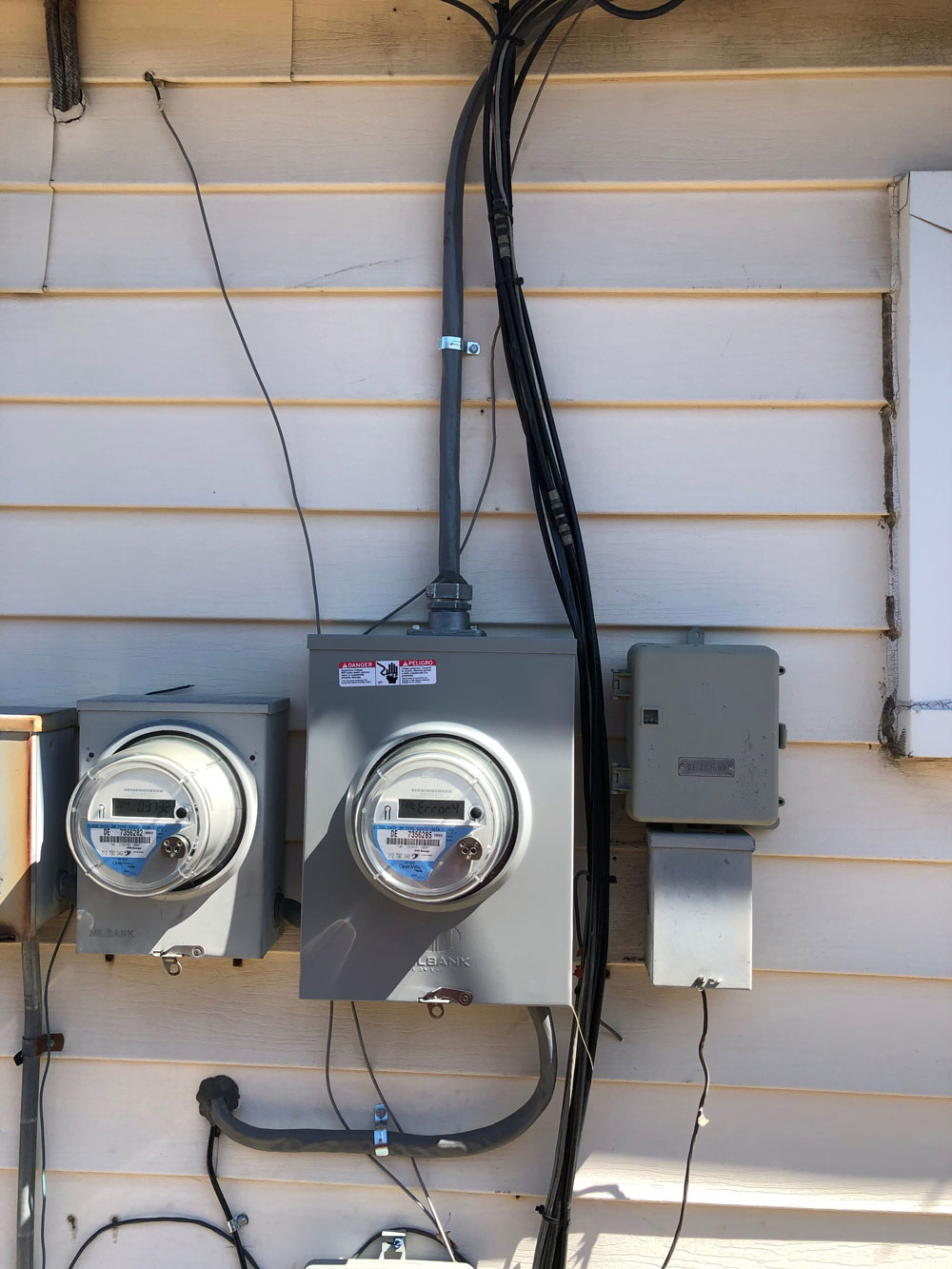
A transfer switch is the component that manages the change between utility power and generator power. It is an essential part of a standby generator installation because it is intended to isolate the property from the utility source while generator power is in use. A correctly planned transfer arrangement also clarifies which circuits or loads the generator is expected to serve.
Connecting a generator through an improvised arrangement is not an acceptable substitute for a purpose-designed transfer system. Backfeeding can create serious hazards for occupants, electrical equipment, and utility workers. A professional installation process should account for the service panel, circuit selection, grounding and bonding considerations, generator connections, and applicable approval requirements.
What a Briggs & Stratton generator project typically involves
The installation process is a sequence of planning, electrical integration, coordination, and testing. The exact scope depends on the generator model, the property’s existing electrical system, the intended loads, and fuel-source considerations. Asking focused questions early can make the project easier to evaluate and reduce surprises later.
- Discuss power priorities. Begin with the systems and circuits that need backup power and the concerns driving the project, such as preserving food, maintaining a pump, or keeping essential home systems available.
- Review the electrical setup. The service equipment, panel arrangement, available space, and proposed transfer-switch location affect how the electrical work is planned.
- Choose an operating approach. Consider essential circuits, wider coverage, automatic operation, and any load-management needs in relation to the generator and property.
- Coordinate installation details. A standby unit also involves placement, fuel-source planning, and any required local approvals. Those factors should be addressed alongside the electrical work rather than treated as afterthoughts.
- Test and understand the system. After installation, the owner should understand normal operation, the purpose of the transfer equipment, routine exercise expectations, and when to seek service.
Executive Electric can be contacted to discuss a Briggs & Stratton generator installation and the electrical questions that come with connecting standby power to a home or property. A productive initial conversation includes the generator model under consideration, the loads that matter most, and any known details about the electrical panel or planned generator location.
Important choices before selecting an installer
Generator equipment is a long-term electrical investment, so the provider discussion should go beyond a simple equipment price. Property owners benefit from asking how the proposed system will serve the intended loads, how transfer equipment fits the panel, and what work is included in the electrical scope. Clear answers help distinguish a plan that matches the property from one based on assumptions.
Questions that help clarify the scope
Before moving forward, it is reasonable to request a straightforward explanation of the proposed electrical work. The following topics can help a customer compare approaches without relying only on generator size or a broad description of “backup power.”
- Which circuits or electrical loads will the system be designed to support?
- Will the plan use selected-circuit backup, broader home coverage, or load management?
- What transfer-switch equipment is contemplated, and how will it integrate with the existing service panel?
- What site, fuel, permitting, inspection, or utility-related steps may need coordination?
- What should the owner know about exercising the generator and arranging ongoing maintenance?
It is also useful to separate installation from maintenance. Installation establishes the electrical connection and operating configuration. Routine maintenance helps keep an engine-driven generator ready to run over time. The specific maintenance schedule should follow the generator manufacturer’s guidance and the requirements of the equipment in use.
Automatic standby power and portable power solve different problems
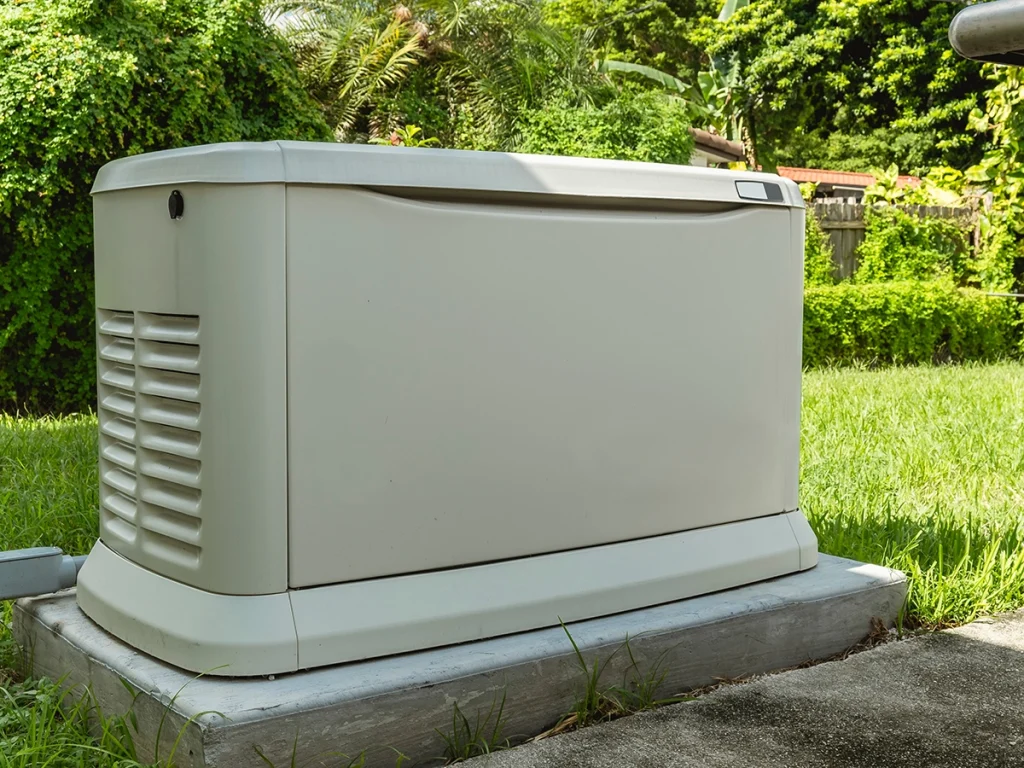
A portable generator can be appropriate for temporary, limited power when used outdoors with suitable cords or an approved inlet and transfer arrangement. It requires owner setup, fuel handling, and active decisions during an outage. A permanently installed Briggs & Stratton standby generator is intended for a more integrated backup-power arrangement and may provide automatic response when paired with the appropriate transfer equipment.
Neither option is automatically right for every property. A portable approach may suit occasional, narrowly defined needs, while a standby system can be a stronger fit for owners who want selected household systems supported with less emergency setup. The best choice depends on the property, expected outages, budget, fuel considerations, and how much manual involvement the owner is comfortable with.
A practical fit for homes and properties around Warren
Backup generation can be particularly valuable for people who rely on electrically powered systems that become difficult to manage during an outage. It may also appeal to homeowners who work from home, want to protect refrigerated items, need dependable lighting and communications, or prefer a planned response instead of last-minute extension cords. The purpose is not to promise that every load will run indefinitely, but to create a defined electrical strategy for interruptions in normal utility service.
For Michigan property owners, seasonal weather and everyday household reliance on electricity make preparedness a reasonable topic to consider before an outage occurs. Generator planning is easier when there is time to inspect the electrical setup, think through priorities, and coordinate the necessary components. Waiting until power is already out can force rushed decisions and limit options.
Executive Electric’s listed location is 20504 Hall Rd, Clinton Township, MI 48038. That address gives customers considering generator electrical work a specific business location to use when reaching out, while the service discussion can remain centered on the needs of the Warren, MI property. A detailed conversation is more useful than a generic recommendation because panel layouts, loads, and desired coverage differ from one property to another.
Move from outage concerns to a defined installation plan
Choosing a generator is only the first step. A well-considered backup-power project connects the generator, transfer equipment, selected loads, and property requirements into one workable system. Executive Electric can help begin that conversation with the information relevant to your proposed Briggs & Stratton equipment and electrical goals.
If you are considering standby power for a Warren, MI home or property, contact Executive Electric to discuss your project. Share the equipment you are considering, the circuits you want protected, and any questions about the existing electrical panel. Executive Electric is located at 20504 Hall Rd, Clinton Township, MI 48038.
Frequently asked questions
What is included in Briggs & Stratton generator installation?
Briggs & Stratton generator installation generally involves connecting a compatible standby generator to the property’s electrical system through properly selected transfer equipment, identifying the loads to be backed up, and completing the required planning, coordination, and testing for the installation. Fuel-source work and approval requirements may also be part of the overall project.
Can a standby generator power an entire house in Warren, MI?
It may, but whole-home coverage depends on generator capacity, the home’s electrical demand, high-draw appliances, transfer equipment, and how loads are managed. Many owners choose essential-circuit coverage instead. A load review is the practical way to determine whether broader coverage fits the property.
Why can’t I connect a generator directly to my electrical panel?
A direct or improvised connection can backfeed electricity into utility lines and create dangerous conditions. A properly planned transfer switch isolates utility power from generator power and manages the source changeover. This equipment is a key safety and operational component of a permanent standby generator system.
Where is Executive Electric located for customers considering generator work?
Executive Electric is located at 20504 Hall Rd, Clinton Township, Michigan 48038. Customers interested in generator electrical planning for properties in or around Warren can use the company’s contact page to start a conversation about their equipment and backup-power goals.