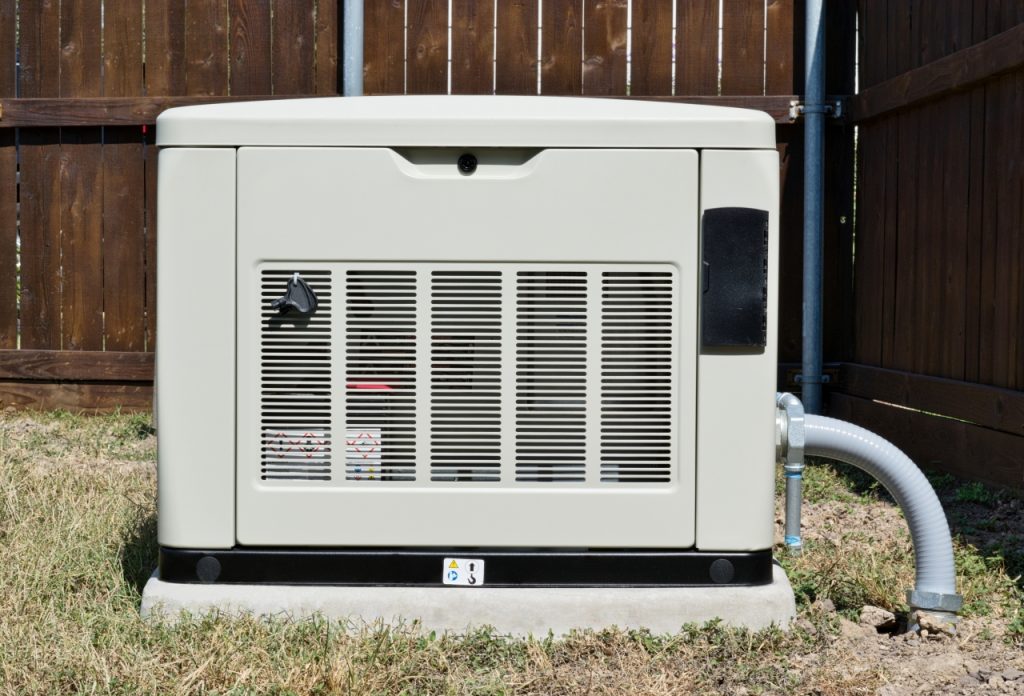
Generator wiring services Troy, MI
When an outage disrupts daily life, the value of a generator depends on whether power can be connected safely and predictably. Executive Electric provides generator wiring services for property owners seeking a professional path to connect generator power, evaluate the electrical setup, and plan for essential loads. For customers in Troy, MI, the company location provided is 20504 Hall Rd, Clinton Township, MI 48038, rather than an office in Troy.
A properly planned generator connection can help reduce uncertainty during a utility interruption without turning generator use into a risky do-it-yourself electrical project. The right approach depends on the generator type, the electrical panel, the circuits that matter most, and whether the system is intended for occasional portable use or a permanently installed standby unit. Executive Electric can be contacted to discuss the scope of a generator connection and the next practical step for your property.
What generator wiring is designed to accomplish
Generator wiring creates a controlled way to deliver generator power to selected parts of a building’s electrical system. Instead of relying on extension cords for every device, an appropriately designed connection can make it easier to power chosen circuits while keeping normal utility power and generator power properly separated. That separation is central to safety for occupants, electrical equipment, and utility personnel.
Homeowners and small commercial property owners often seek this work before storm season, after experiencing a prolonged outage, or when they purchase a generator and realize that a standard outlet cannot safely feed a building panel. Generator electrical connections are also worth considering when refrigeration, sump pumps, heating equipment controls, communications equipment, lighting, or other priority loads need a more organized backup-power plan. The goal is not to power everything automatically by default, but to match available generator capacity to the loads that are genuinely important.
Why backfeeding a panel is not a solution
Backfeeding occurs when generator electricity is introduced into a building wiring system without the correct transfer equipment and isolation. This can energize lines beyond the property, damage equipment when utility power returns, and create a serious shock or fire hazard. A purpose-built transfer method prevents the generator and utility supply from being connected in an unsafe way.
Generator size alone does not determine whether a setup will work well. Starting loads, such as motors in pumps or refrigerators, can demand more power than their running wattage suggests. A thoughtful circuit selection and load-management conversation helps avoid overloading the generator and helps set realistic expectations for what backup power can support.
Choosing between portable and standby generator connections
The best generator connection depends on how frequently backup power is needed, how much automation is desired, and which circuits need to remain available. A portable unit typically requires manual setup, fuel management, and a connection point that is used when an outage occurs. A standby generator is generally a fixed system that can be paired with automatic transfer equipment, but its installation scope and planning needs are different.
- Portable generator setups can be a practical option for selected emergency loads when the owner is comfortable placing, starting, and fueling the unit safely outdoors.
- Standby generator setups may suit properties seeking a permanently installed backup-power arrangement and an automated transition when utility power fails.
- Essential-load planning prioritizes key circuits rather than assuming one generator can support every appliance and system at once.
- Whole-panel considerations require closer attention to service capacity, generator output, and how loads will be managed.
Portable power needs a safe connection point
Portable generator wiring is more than adding a convenient outlet near an electrical panel. It involves planning a compatible inlet, a safe transfer method, circuit priorities, and the operating steps the owner will follow during an outage. The generator must be operated outdoors in accordance with manufacturer guidance, with attention to exhaust, weather exposure, cords, fuel, and the unit’s output limitations.
A portable unit can be an appealing choice when a property owner wants flexibility and intends to power only a limited group of circuits. It also asks more of the user during an outage because the generator must be positioned, started, connected, and monitored. Asking about the required connection procedure in advance can help ensure the backup plan remains understandable when conditions are stressful.
Transfer equipment makes the difference
A transfer switch or other appropriate transfer arrangement is the component that manages the change between utility and generator power. It helps ensure that only one source supplies the selected circuits at a time. The type of equipment and the number of circuits involved should be based on the electrical configuration and intended generator use, not selected solely on appearance or price.
Manual transfer equipment can give the owner direct control over when generator power is used, while automatic transfer equipment can support a more hands-off standby arrangement. Neither option is universally better. The useful decision is the one that fits the property, generator, budget, desired level of automation, and the consequences of losing power to particular loads.
What to expect when planning generator wiring
Effective generator wiring begins with understanding the electrical system and the backup-power objective. Executive Electric can use a conversation about the property, generator plans, and priority equipment to frame the work that may be needed. A clear scope before installation helps the property owner compare options and avoid assuming that every existing circuit should be included.
- Identify critical loads. Make a practical list of equipment that should operate during an outage, such as refrigeration, select lighting, communications, pumps, or heating controls.
- Review the generator plan. Consider whether a portable or standby generator is being used, its rated output, its connection requirements, and how it will be fueled or operated.
- Evaluate the panel and transfer approach. The existing electrical panel, circuit layout, and planned backup circuits influence the equipment and wiring path.
- Clarify operating expectations. Know who will start the generator, move the transfer equipment if applicable, and manage loads during an interruption.
- Plan for final use. After the connection is complete, the owner should understand the intended operating sequence and generator manufacturer’s instructions.
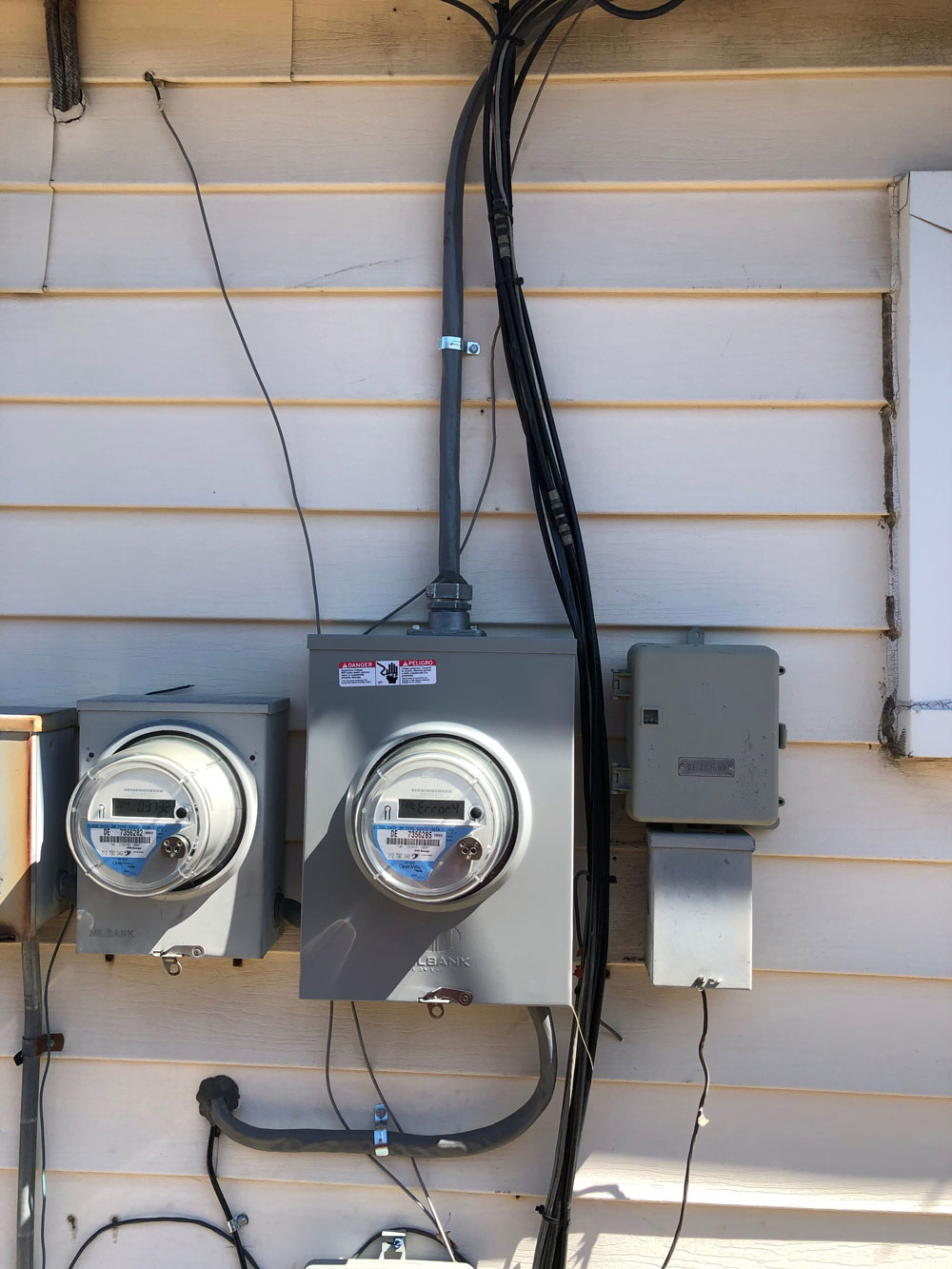
For a property in Troy, Michigan, it is useful to have the generator model information available before discussing the project. Photos or details about the electrical panel, a list of priority equipment, and an estimate of how the generator will be used can make the initial conversation more productive. Electrical requirements and local permitting or inspection expectations can vary, so they should be addressed for the specific installation rather than assumed.
Questions worth asking before selecting a provider
Generator wiring affects a building’s electrical distribution, so the conversation should go beyond the cost of a single outlet or switch. Ask how the proposed arrangement isolates utility power, which circuits can be supported, what owner actions are required, and whether the plan accounts for generator output and motor starting loads. It is also reasonable to ask what information about the existing panel and generator is needed before the work can be defined.
Clear answers help distinguish a basic connection for a few circuits from a broader backup-power project. They also help prevent a common misconception: a generator connection does not automatically mean every appliance can run simultaneously. Good planning gives the owner a workable priority list and a safer response when utility power is unavailable.
A practical backup-power decision for Troy property owners
Generator wiring services are most valuable when they turn an improvised outage response into a defined electrical plan. That plan can provide safer source separation, clearer access to selected circuits, and fewer decisions to make in the middle of an interruption. It can also reduce the temptation to use unsafe cord arrangements or make changes to an electrical panel without suitable transfer equipment.
If you are evaluating options, compare the daily realities of each approach. A portable generator may involve a lower initial equipment commitment but requires manual operation, outdoor placement, and fuel attention. A standby configuration may offer greater automation, yet it calls for a broader installation plan. The right choice depends on what must stay powered, how long outages may affect the property, and how involved the owner wants to be during an event.
Executive Electric is a relevant contact when you want to discuss a generator connection in relation to your existing electrical system and intended use. In a normal project discussion, useful details include the generator make and model if already purchased, the list of priority loads, whether the property is residential or commercial, and any concerns about panel space or manual versus automatic operation. This preparation supports a focused conversation rather than a one-size-fits-all recommendation.
For readers comparing Generator wiring services, the most important outcome is a setup that matches the generator, transfer equipment, and selected circuits in a coherent plan. Executive Electric’s listed location is 20504 Hall Rd, Clinton Township, MI 48038. Contact the company to discuss generator wiring needs for a Troy, MI property and determine the appropriate next step.
Common generator wiring questions
Can a portable generator be connected directly to a home electrical panel?
No. A portable generator should not be connected directly to a panel without an appropriate transfer method that isolates utility power. A properly planned inlet and transfer arrangement helps direct generator power to selected circuits while preventing dangerous backfeed conditions.
How do I decide which circuits should receive generator power?
Start with equipment that protects the property or supports basic daily needs, then compare those loads with the generator’s available capacity. Refrigeration, select lights, communications equipment, pumps, and heating controls are common priorities, but the appropriate list depends on the property and generator.
Is a manual transfer switch enough for my Michigan property?
A manual transfer approach can be appropriate when the owner is prepared to start a generator and switch selected circuits during an outage. Automatic transfer equipment may better fit a permanently installed standby system or a property where a manual response is less practical. The electrical layout and intended use should guide the decision.
Does Executive Electric have an office in Troy, MI?
Executive Electric’s supplied company location is 20504 Hall Rd, Clinton Township, MI 48038. The page addresses generator wiring services for customers in and around Troy, but it does not state that Executive Electric is physically located in Troy.
Ready to plan a safer generator connection?
Contact Executive Electric through the contact page to discuss your generator, essential circuits, and electrical panel. Share that your property is in Troy or elsewhere in Michigan, and include any generator model details you have. Executive Electric’s listed location is 20504 Hall Rd, Clinton Township, MI 48038.