EV Charger Installation Troy, MI
Home charging changes the way an electric vehicle fits into everyday life. Instead of planning errands around public stations, a properly selected and installed charger can let a vehicle replenish its battery while it is parked at home. For drivers researching EV Charger Installation in Troy, MI, Executive Electric provides a clear starting point for discussing the electrical work, equipment choices, and site-specific considerations involved.
Executive Electric is located at 20504 Hall Rd, Clinton Township, MI 48038. That location is not a claim of a Troy office, but it gives Michigan homeowners a defined point of contact when they are ready to discuss a charging project. The right installation is not simply about mounting a device on a wall; it is about matching the charging setup to the vehicle, parking arrangement, electrical system, and daily driving needs.
Make at-home charging fit your vehicle and routine
A dedicated home charging circuit can offer a more convenient and predictable alternative to relying only on a standard household outlet or searching for available public charging. Many EV owners seek a faster home option after buying a vehicle, adding a second EV, moving into a new home, or finding that existing charging habits do not keep up with their mileage. The practical goal is simple: return to a parked vehicle and have a dependable way to charge it where it is normally stored.
Charging needs differ from one driver to another. A plug-in hybrid with modest daily mileage may have different requirements than a battery-electric vehicle used for longer commutes, frequent trips, or multiple drivers. Garage parking, driveway parking, cable reach, weather exposure, and the location of the electrical panel all affect what should be evaluated before selecting equipment.
- Daily driving pattern: How much energy the vehicle typically needs between charging sessions.
- Vehicle and charger compatibility: The charging connector, onboard charging capability, and equipment specifications should work together.
- Parking layout: The charging connector and cable should reach the vehicle without creating an avoidable obstruction.
- Electrical capacity: The home’s panel, available load, circuit routing, and any needed upgrades require professional evaluation.
- Future plans: A household considering another EV may benefit from planning for expansion now.
Level 1, Level 2, and the value of a dedicated circuit
Level 1 charging generally uses a standard 120-volt outlet and may work for some low-mileage drivers, but it is often slower than a household wants for routine EV use. Level 2 equipment uses 240-volt power and is commonly chosen when faster home charging is desired. The appropriate option depends on the vehicle, the electrical system, and how quickly the driver needs to recover everyday mileage, rather than on a one-size-fits-all recommendation.
Hardwired chargers and plug-in chargers can both be viable configurations when the electrical work and equipment are correctly matched. A dedicated circuit helps separate the charger load from other household demands and is part of a thoughtful safety-focused design. An electrician can review the intended equipment rating and installation conditions before work begins instead of assuming an existing receptacle or circuit is suitable.
What a thoughtful charger installation process should cover
Good planning reduces surprises during a charger project. Before installation, the electrical panel, route from panel to parking area, proposed equipment location, and charging goals should be considered together. This upfront assessment helps identify whether a straightforward circuit installation is feasible or whether the project calls for additional electrical work.
- Discuss the vehicle and use case. Identify the EV or plug-in hybrid, expected charging frequency, and desired charging location.
- Review the electrical conditions. Consider panel capacity, available breaker space, load requirements, and the path for wiring.
- Select an appropriate setup. Decide between compatible equipment and placement options based on the property and user needs.
- Complete the installation work. Install the required circuit, protective components, and charger connection in accordance with the project plan and applicable requirements.
- Confirm practical operation. Check that the equipment is positioned for usable cable reach and that the owner understands everyday charging operation.
Electric car charger installation for a practical home setup
Electric car charger installation is most useful when it is planned around the way a household actually parks and drives. A charger placed too far from the normal parking position, for example, can make a technically functional setup inconvenient every day. Considering cable management, garage-door clearance, outdoor exposure, and the likelihood of another vehicle using the space helps turn electrical work into a practical long-term improvement.
For a Troy household, it is also wise to think beyond the charger itself. The route from the electrical panel to the parking area may influence project scope, while indoor versus outdoor placement can affect the type of equipment and mounting approach under consideration. Discussing these conditions early gives a prospective customer a more realistic framework for evaluating the project.
EV charging station installation and electrical planning
EV charging station installation involves more than connecting a charging unit to power. The electrical service must be assessed for the additional continuous load, and the circuit, overcurrent protection, wiring method, and equipment location should be planned as a coordinated system. This is especially important in homes with significant existing electrical demands, such as electric heating equipment, cooking appliances, workshop tools, or other high-load devices.
Homeowners should avoid treating a charger as an ordinary appliance that can be added to any available outlet. An EV can draw substantial power for extended periods, which is why a qualified electrical evaluation matters. If capacity or panel conditions need attention, understanding that before purchasing equipment can prevent a mismatched charger choice or unexpected changes later in the project.
Choosing features without overbuying
The most expensive charger is not automatically the best fit. Some owners want a simple, reliable way to charge overnight, while others value connected controls, scheduling, usage visibility, or power-sharing capabilities. The useful choice is the one that fits the vehicle, household electrical conditions, parking environment, and preferences without making assumptions about features the owner will never use.
EV charging point installation for one or more vehicles
EV charging point installation can be planned for a single vehicle today while keeping future household needs in view. If a second EV is likely, the electrical design and physical space may deserve discussion before the first charger is installed. Planning ahead does not mean every home needs two chargers now; it means understanding options such as future circuit capacity, charger placement, or managed charging before walls are finished or wiring routes become harder to access.
For homes with more than one driver, charging schedules can matter as much as charging speed. Some households can alternate a single charging point overnight, while others may prefer a future-ready approach that reduces scheduling conflicts. The best path depends on actual vehicle use and available electrical capacity, not a generic recommendation.
Smart EV charger installation and connected controls
Smart EV charger installation may appeal to owners who want app-based status information, scheduled charging, energy-use tracking, or other connected features offered by compatible equipment. These features can be convenient, but they should be evaluated alongside core concerns such as proper circuit sizing, accessible placement, and reliable day-to-day charging. A smart model does not eliminate the need for sound electrical planning, and a simpler model may be perfectly appropriate for a driver whose primary goal is dependable overnight charging.
Before selecting a connected charger, consider who will use the controls, whether the home has suitable connectivity at the parking location, and which functions would be genuinely useful. Scheduling can be valuable for households that prefer to manage when charging occurs, while usage data may help owners understand their vehicle’s energy habits. Equipment features are a choice, not a substitute for a properly designed installation.
Why work with a professional for charger electrical work?
A charger adds a sustained electrical load to a home, so equipment selection and installation details deserve more attention than a casual plug-in solution. A Professional EV charger installer can help a homeowner frame the right questions about panel capacity, circuit requirements, equipment placement, and the practical use of the finished setup. That guidance is particularly valuable when a home has an older panel, limited available space, a detached garage, or an outdoor parking arrangement.
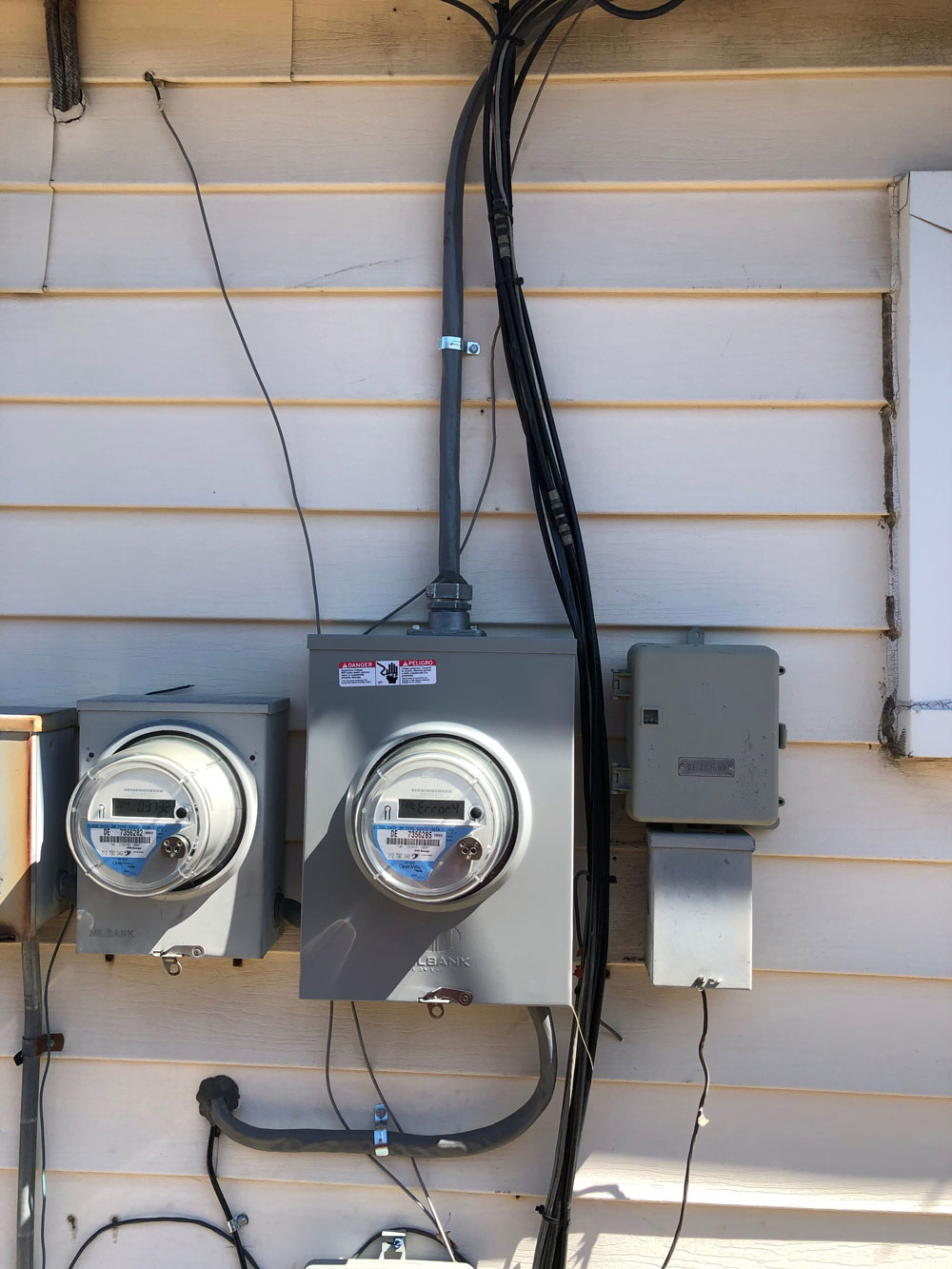
Executive Electric can be a relevant contact for Troy, MI residents who want to begin with the electrical side of the decision rather than guessing. A productive conversation can clarify what information to have ready, including the vehicle model, charger specifications if already selected, photos or details of the panel area, and the intended parking location. Clear information supports a more informed project discussion and helps homeowners decide what to do next.
- Ask whether the existing electrical panel and service should be evaluated before buying a charger.
- Ask what charger location will provide safe, convenient cable reach for the normal parking position.
- Ask how an outdoor or detached-garage installation may differ from an attached-garage project.
- Ask what future EV ownership plans could affect the electrical design.
- Ask what owner-supplied equipment details will help define the installation requirements.
Questions Troy drivers often ask
Do I need a Level 2 charger at home?
Not every EV owner needs Level 2 charging. A Level 2 setup is often preferred when a driver wants faster replenishment between trips, drives substantial daily mileage, or wants greater flexibility than a 120-volt outlet provides. Vehicle needs, household electrical capacity, and parking conditions determine whether it is a good fit.
Can an existing outlet be used for an EV charger?
An existing outlet should not be assumed suitable just because it is near the vehicle. The outlet type, circuit rating, wiring condition, load, and intended charger specifications all matter. A professional evaluation can determine whether a dedicated circuit or other electrical work is appropriate for the planned charging equipment.
What should I prepare before contacting Executive Electric?
Have the EV make and model, preferred charger model if chosen, desired parking location, and basic information about the electrical panel available. Photos can also help describe the space. These details make it easier to discuss the likely installation considerations for a Troy, Michigan property.
Is a smart charger always worth choosing?
A smart charger can be worthwhile for drivers who want scheduling, status notifications, or energy-use information. It is not essential for every household. A simpler compatible charger may meet the needs of an owner who mainly wants reliable overnight charging, provided the electrical installation is properly planned.
Ready to make home charging more convenient? Contact Executive Electric to discuss EV Charger Installation for your Troy, MI property. Executive Electric is located at 20504 Hall Rd, Clinton Township, MI 48038, and a conversation about your vehicle, panel, and parking setup can help identify the next practical step. Contact Executive Electric today to get started.