EV Charger Electrical Panel Upgrade Troy, MI
Adding home charging can be simple when the existing electrical system has enough capacity. When it does not, an EV Charger Electrical Panel Upgrade helps prepare the service panel, circuits, and protective devices for the sustained electrical demand of an electric vehicle charger. Executive Electric is located at 20504 Hall Rd, Clinton Township, MI 48038, and is a practical contact for homeowners researching panel capacity and charger-readiness for properties in Troy, MI.
A Level 2 charger can make daily ownership more convenient, but it is not a plug-and-play appliance in every home. The charger, the home’s existing loads, the available panel spaces, and the electrical service all affect what installation approach makes sense. A thoughtful assessment before equipment is selected can prevent avoidable delays, nuisance tripping, and an installation that limits future electrical plans.
When an EV charger calls for more panel capacity
An electrical panel upgrade may be appropriate when a load calculation shows that the present service cannot safely support the proposed charging load along with normal household use. It can also be the right path when the panel is full, aging, damaged, or unable to accept the needed breaker. The goal is not simply a larger panel, but a charging setup designed around the home’s actual electrical demand.
Electric vehicle charging is generally considered a continuous load because it may operate for hours at a time. That matters because circuit and service capacity must account for more than the charger’s advertised amperage. A professional evaluation looks at the planned charging rate and how it fits alongside heating and cooling equipment, electric cooking, water heating, laundry equipment, and other significant loads.
Signs a capacity review is worth scheduling
Some homes have sufficient capacity for a dedicated EV circuit without replacing the service equipment. Others need changes before a charger can be added. Common reasons to investigate a panel upgrade include:
- A planned Level 2 charger with a higher amperage requirement
- Frequent breaker trips, warm equipment, corrosion, or signs of panel wear
- No open breaker positions for a new dedicated circuit
- An older electrical service or a panel with limited capacity
- Existing or planned major electric loads, such as electric HVAC, an induction range, a dryer, or a future addition
- A desire to avoid relying on a lower-speed outlet-based charging arrangement
These signs do not automatically mean that a full service upgrade is required. Load management equipment, a lower charging rate, subpanel work, or a different charger configuration can sometimes be considered, depending on the property and applicable requirements. The useful next step is to compare those options against the homeowner’s driving needs and the electrical system’s condition.
Panel space and service capacity are different issues
A panel can have empty breaker positions but still lack sufficient electrical capacity for a new continuous load. Conversely, a service may have adequate calculated capacity while the panel needs a different arrangement, a subpanel, or replacement because there is no practical room for the breaker. Separating these questions helps avoid the common assumption that an empty slot alone proves a charger can be installed.
For homeowners who need clear guidance, an EV Charger Panel Upgrade evaluation should consider both the physical panel and the service feeding it. The review can identify whether the issue is circuit space, calculated demand, equipment condition, or a combination of factors. That information supports a more informed choice between a straightforward dedicated circuit, panel modifications, or a larger electrical upgrade.
What Executive Electric’s EV charging assessment should address
Before work begins, the important question is whether the home can support the charger you want to use safely and practically. Executive Electric can be contacted to discuss an EV charger electrical panel upgrade in Troy, Michigan, with the property’s existing electrical setup and charging goals in mind. A well-defined scope is valuable because it connects the charger decision to the rest of the home rather than treating it as an isolated outlet installation.
- Discuss charging needs. Consider the vehicle, typical daily mileage, available time to charge, and whether overnight charging meets the household’s needs.
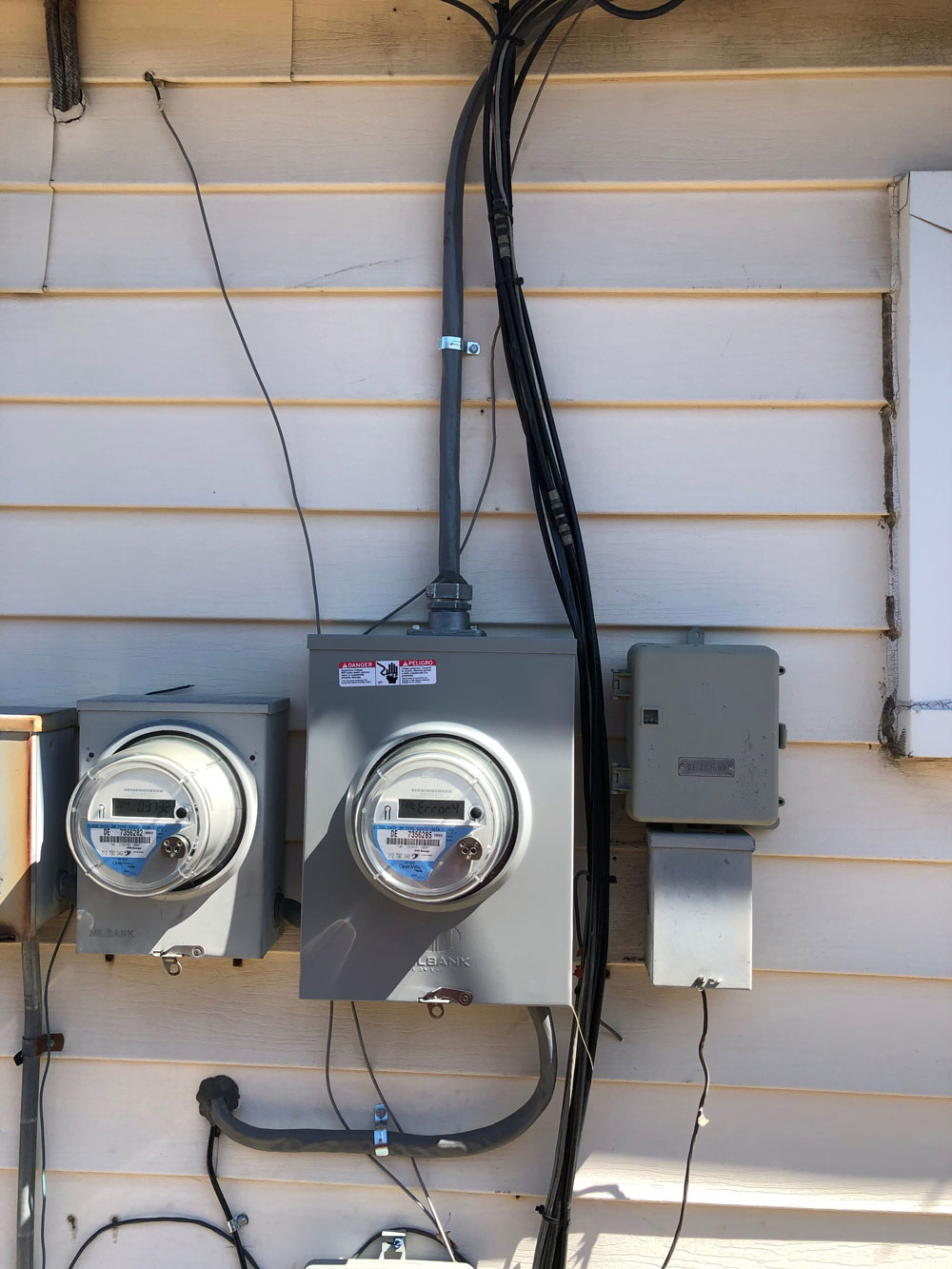
- Review the electrical equipment. The service panel, breaker capacity, panel spaces, service rating, visible equipment condition, and route to the charger location all matter.
- Calculate and plan. Existing household loads and the proposed EV load help determine the suitable circuit and whether panel or service work should be considered.
- Choose the installation approach. The plan may involve a dedicated circuit only, panel work, an upgraded service, or an alternative that better fits the home’s capacity.
- Complete the work and verify operation. After installation, the charging equipment and protective devices should be checked so the homeowner understands normal use.
Home layout influences the project as much as the panel does. A charger near the garage, driveway, or parking area may require a longer wiring route than a panel located nearby, and the route can affect planning, access, and finish work. Sharing the intended charger location early helps make the assessment more accurate.
Choosing charging speed without overbuilding
Faster charging is not automatically the best choice for every Troy household. A driver who is home overnight may find that a moderate Level 2 charging rate fully supports daily travel, while a household with multiple EVs or shorter charging windows may value additional capacity. The right setup balances vehicle capability, household schedule, electrical capacity, and the cost and scope of upgrades.
Level 1 charging from a standard receptacle is a reasonable temporary or low-mileage option for some drivers, but it is substantially slower than typical Level 2 charging. A dedicated Level 2 circuit usually provides more practical daily replenishment, yet it must be sized and installed for the selected equipment. Selecting the charger before reviewing the electrical system can create pressure to solve problems later, so it is often better to evaluate both together.
Questions to consider before authorizing panel work
The best proposal is one that makes the recommended work understandable. Homeowners should know what equipment will be affected, why the current setup is insufficient or limited, where the charging circuit will run, and whether the plan allows reasonable flexibility for future electrical needs. Clear answers help distinguish a necessary electrical panel capacity upgrade from optional work that may not serve the household’s goals.
- What charging amperage is being planned, and what does that mean for charging time?
- Does the home need a dedicated circuit only, panel replacement, a subpanel, or a service upgrade?
- How does the calculation account for major existing electrical loads?
- Will the work require coordination with local permitting or utility requirements?
- Is there a practical lower-amperage or load-management alternative?
- What future loads should be considered before the panel is configured?
Permits, inspections, and utility coordination can be part of electrical service work depending on the scope and local requirements. Those steps are not merely administrative details. They help ensure that the project is reviewed under the standards that apply to the installation and that any service-related changes are addressed in the proper sequence.
Benefits of preparing the electrical system for EV ownership
A properly planned upgrade can support convenient home charging while reducing uncertainty about how the charger will coexist with everyday electrical use. It can also create a better foundation for future changes, such as another EV, electrified appliances, or other new loads. The value comes from matching capacity and equipment to the household, not from choosing the highest available amperage by default.
For a homeowner in Troy, MI, the practical benefit is often predictability. Rather than guessing whether a charger will trip breakers when the air conditioner, range, and laundry are operating, the installation is based on a review of anticipated demand. That planning can make it easier to choose a charging routine that works for the household and the vehicle.
Michigan homeowners should also think beyond the first vehicle. If an electrical panel is already near its limit, a narrowly sized solution may leave little room for future equipment. Discussing likely plans, including another EV or major appliance conversion, gives the electrical professional context for recommending a solution that is sensible now without overstating what the home needs.
Plan your Troy charging project with useful information
When contacting Executive Electric, it helps to have the vehicle or charger model in mind, photos of the panel if available, the desired charger location, and a list of large electric appliances. This information does not replace an on-site review, but it helps frame the discussion. Executive Electric’s listed location is 20504 Hall Rd, Clinton Township, MI 48038, rather than Troy, so customers should confirm service details and scheduling directly.
Do not wait for recurring breaker problems or a new vehicle delivery date to start thinking about capacity. Early planning gives more room to compare a standard circuit installation with panel expansion, electrical panel replacement, service capacity changes, or a charging rate that better fits the existing system. It also lets you make an electrical decision based on real needs instead of a rushed assumption.
Frequently asked questions
Does every Level 2 EV charger require an electrical panel upgrade?
No. A Level 2 charger may only need a properly sized dedicated circuit if the home has adequate calculated service capacity, usable panel space, and suitable equipment. An evaluation determines whether the existing panel can support charging alongside household loads or whether upgrades are appropriate.
How do I know whether my home in Troy, MI has enough capacity for an EV charger?
A professional reviews the service rating, panel configuration, major electrical loads, and the proposed charger’s continuous demand. Empty breaker spaces alone do not answer the question. A load calculation and equipment assessment provide a clearer basis for deciding whether a dedicated circuit, panel work, or another solution fits the home.
Can I choose a lower-amperage charger instead of upgrading the panel?
Sometimes. A lower charging rate may reduce the added load and can be adequate for drivers with long overnight charging windows or modest daily mileage. However, the decision should still account for the circuit, equipment condition, vehicle needs, and the home’s calculated load rather than relying on charger amperage alone.
What should I ask Executive Electric before moving forward with an EV charger electrical panel upgrade?
Ask what the assessment found, why the recommended scope is needed, what charging rate the plan supports, and whether alternatives are practical. You can also ask about the expected circuit route, affected equipment, local permit considerations, and any future electrical loads that should influence the design.
Ready to evaluate your home’s charging capacity? Contact Executive Electric to discuss an EV charger electrical panel upgrade for your Troy, Michigan property. Reach out through the contact page to start a conversation with the team at 20504 Hall Rd, Clinton Township, MI 48038 about your charger plans, panel capacity, and next steps.