Commercial EV charger installation Troy, MI
Commercial EV charger installation Troy, MI, gives property owners and organizations a practical way to support electric-driving employees, customers, tenants, and fleet vehicles. A well-planned charging system is more than a parking-lot amenity. It is an electrical project that must match how people use the site, the capacity of the existing service, the parking layout, and the desired charging experience.
Executive Electric is located at 20504 Hall Rd, Clinton Township, MI 48038. For a Troy, MI business evaluating EV infrastructure, the right first step is a conversation about the property, the number and type of vehicles expected to charge, and whether the goal is workplace access, public use, tenant retention, or fleet readiness.
Commercial charging projects can range from a small group of Level 2 stations to a larger, managed installation with multiple ports, network features, access controls, and future expansion capacity. Thoughtful planning helps an organization avoid installing equipment that is undersized for demand, oversized for the available electrical service, or difficult to expand later.
Build charging around the way your property operates
The best commercial EV charging plan starts with usage, not with a charger model. A retail property may prioritize convenient customer dwell time, while an office may need all-day employee charging and a fleet facility may need dependable turnaround between routes. Executive Electric can help frame the electrical and site-planning questions that should be resolved before equipment is selected.
Identify who will charge and when
Charging speed should fit the time vehicles are typically parked. Level 2 equipment is commonly suited to longer stays, such as work shifts, apartment parking, hotels, or destinations where drivers remain for several hours. DC fast charging can serve shorter stops and higher-throughput needs, but it generally requires more significant electrical capacity, site coordination, and budget consideration.
Consider the rules behind access as carefully as the physical equipment. Some sites want charging available only to authorized staff or fleet drivers, while others want to offer guest access, collect payment, or set time limits. Networked stations may support user identification, pricing, monitoring, and usage reporting, but those features should be chosen because they solve an operational need, not simply because they are available.
- Expected number of charging vehicles today and over the next several years
- Typical parking duration and the level of charge drivers need
- Whether access is private, employee-only, tenant-only, fleet-only, or public
- Desired station locations, accessible parking considerations, and vehicle circulation
- Whether the property should reserve electrical capacity and conduit pathways for future ports
Plan the electrical path before selecting equipment
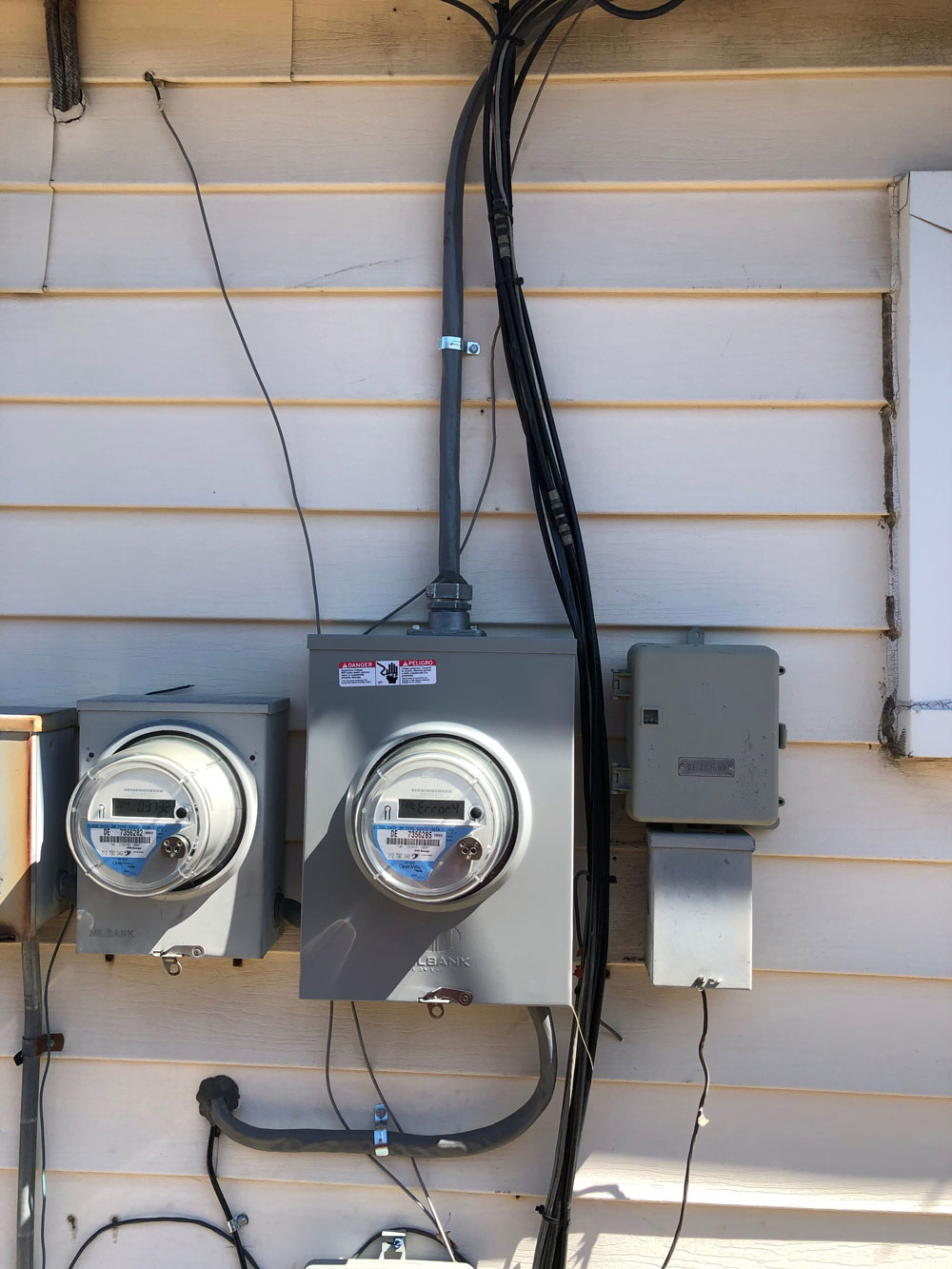
Every commercial charging project depends on the building’s electrical distribution and the route from the service equipment to each charging location. A site review typically considers available capacity, panel space, feeder sizing, protection requirements, trenching or surface routing, mounting conditions, and the distance to parking spaces. Existing capacity may support the planned stations directly, or the project may need load-management strategies, distribution upgrades, or phased expansion.
A durable design also accounts for conditions outside the building. Equipment placement should protect cables, preserve parking flow, allow practical maintenance access, and consider bollards or other vehicle-impact protection where appropriate. Installing empty conduit or planning spare capacity during initial construction can make a future expansion less disruptive than reopening finished pavement or walls later.
Commercial charging options and the decisions behind them
Commercial EV charging is not a one-size-fits-all purchase. The useful comparison is not simply Level 2 versus DC fast charging. It is the relationship between charging power, dwell time, electrical infrastructure, user access, hardware features, and the property’s long-term operating plan.
Workplace charging can support employees without overbuilding
Workplace EV charger setup is often a fit for employers that want to give employees a dependable place to charge during the workday. A workplace plan can define which drivers may use the stations, whether sessions are free or paid, how long vehicles may remain connected, and how the organization will handle growing demand. Because vehicles may be parked for many hours, a carefully sized Level 2 system can be a sensible starting point for many offices and employment sites.
Before adding employee chargers, organizations should decide whether the program is an employee benefit, a managed paid amenity, or a mix of both. Clear parking and charging policies can reduce frustration when demand exceeds available ports. It is also wise to think ahead about how more spaces could be added if adoption increases, rather than treating the first few chargers as an isolated installation.
Public access requires an operational plan
A Public EV charger installer should be considered when a business, destination, or property owner wants charging available to visitors beyond a private employee or tenant group. Public-facing charging introduces decisions about visibility, driver instructions, payment methods, hours of access, station monitoring, and who responds if equipment is unavailable. The appropriate equipment and network configuration depend on whether charging is intended as a customer convenience, a revenue-generating service, or an amenity that encourages longer visits.
Public access does not automatically mean fast charging is required. A destination where visitors routinely stay for an extended period may benefit from Level 2 ports, while a site designed for quick stops may evaluate higher-power charging. Property owners should also consider signage, lighting, maintenance responsibilities, and how charging spaces will be kept available for drivers who need them.
Dock placement affects usability and durability
EV charging dock installation involves more than attaching hardware to a wall or pedestal. The dock location affects cable reach, parking orientation, accessibility, exposure to traffic, and the electrical route needed to serve the equipment. Proper placement can make charging intuitive for drivers while reducing the chance that cables, connectors, or stations interfere with walkways and normal site operations.
Wall-mounted equipment can be practical where parking is close to a suitable structure, while pedestal-mounted units may better serve open parking areas. The site layout should account for the connector length supplied by the selected equipment and avoid asking drivers to stretch cables across travel paths. A planned installation also leaves room for service access and for additions if the charging program expands.
Fast charging has distinct infrastructure demands
EV fast charger installation is most appropriate when drivers need meaningful energy in a comparatively short stop or when vehicle utilization leaves limited charging time. DC fast charging equipment can provide a different experience from Level 2 charging, but it may require substantial utility coordination, electrical upgrades, dedicated distribution equipment, and a detailed site design. Project feasibility should be assessed before a property owner commits to a particular charging speed or equipment count.
For some Troy-area properties, a phased approach can be more practical than installing maximum power at every space immediately. Starting with the charging level that serves current dwell times, then preserving capacity or pathways for future upgrades, may balance present needs with growth. The correct approach depends on site conditions and operational goals rather than a universal recommendation.
What to expect from a commercial installation project
Commercial EV charger installation should follow a clear path from discovery through activation. The project sequence helps align the charging system with building infrastructure and gives stakeholders an opportunity to address access, operations, and expansion before construction begins.
- Discuss objectives and use patterns. Define who will charge, how long vehicles stay, how many ports are needed, and whether charging is private or public.
- Review the site and electrical system. Evaluate parking locations, electrical service and distribution, routing options, and physical conditions that affect equipment placement.
- Select a right-sized approach. Compare charging levels, port counts, network capabilities, and provisions for future growth against the property’s needs.
- Coordinate the installation scope. Plan equipment locations, electrical work, protective measures, permits or approvals as applicable, and any necessary utility-related steps.
- Activate and manage the stations. Confirm that users understand access rules, operating procedures, and the process for monitoring or maintaining the charging program.
During construction, the visible charger is only one part of the work. The electrical infrastructure behind it may include circuits, feeders, panels, conduit, supports, protective devices, and site restoration depending on the design. Asking about the complete scope helps a property owner compare proposals fairly and understand where future expansion could affect the initial installation.
Questions to resolve before you move forward
A strong provider conversation should produce clear answers about scope, equipment compatibility, electrical limitations, and the responsibilities that continue after installation. Commercial property owners do not need to know every technical detail in advance, but they should be prepared to share their goals and ask how the proposed system supports them.
- How many vehicles should the system serve now, and how could it grow?
- What charging speed fits the average parking duration?
- Can the current electrical service support the planned load?
- Will load management, new distribution equipment, or utility coordination be relevant?
- Which stations need payment, user authorization, reporting, or remote monitoring?
- What site work, protection, accessibility considerations, and approvals may be part of the project?
Executive Electric can be a relevant contact for organizations seeking a grounded discussion of commercial electrical needs and charging objectives in Michigan. Providing basic information about the property type, parking configuration, vehicle users, and desired timeline will make the initial conversation more productive. A clear scope also helps distinguish a simple equipment addition from a broader EV infrastructure project.
Frequently asked questions
What is commercial EV charger installation?
Commercial EV charger installation is the design and electrical work required to place EV charging equipment at a business, multifamily property, fleet site, or public-facing location. It can include evaluating electrical capacity, routing power to parking spaces, mounting equipment, protecting stations, and preparing the site for operations and future expansion.
Should a Troy, MI business choose Level 2 or DC fast charging?
The appropriate choice depends primarily on parking duration and available electrical infrastructure. Level 2 charging often suits longer stays, while DC fast charging may fit short-stop or high-utilization needs. A site assessment should consider service capacity, expected demand, budget, user experience, and whether a phased approach is more practical.
Can commercial charging stations be expanded later?
Many systems can be planned for future expansion, but the initial electrical design matters. Reserving panel capacity, feeder capacity, conduit routes, or suitable station locations can reduce disruption later. The feasibility of expansion depends on the existing service, selected equipment, site layout, and the growth strategy established at the beginning.
What information should I have before contacting Executive Electric?
Bring the property address, approximate number of spaces or vehicles, expected parking times, preferred charger locations, and whether access will be private or public. If available, electrical drawings or recent utility information can help clarify the starting conditions. Executive Electric is located at 20504 Hall Rd, Clinton Township, Michigan 48038.
Ready to evaluate commercial charging for your property? Contact Executive Electric to discuss Commercial EV charger installation in Troy, MI, your site goals, and the electrical considerations that can shape a practical plan. Executive Electric’s listed location is 20504 Hall Rd, Clinton Township, MI 48038.