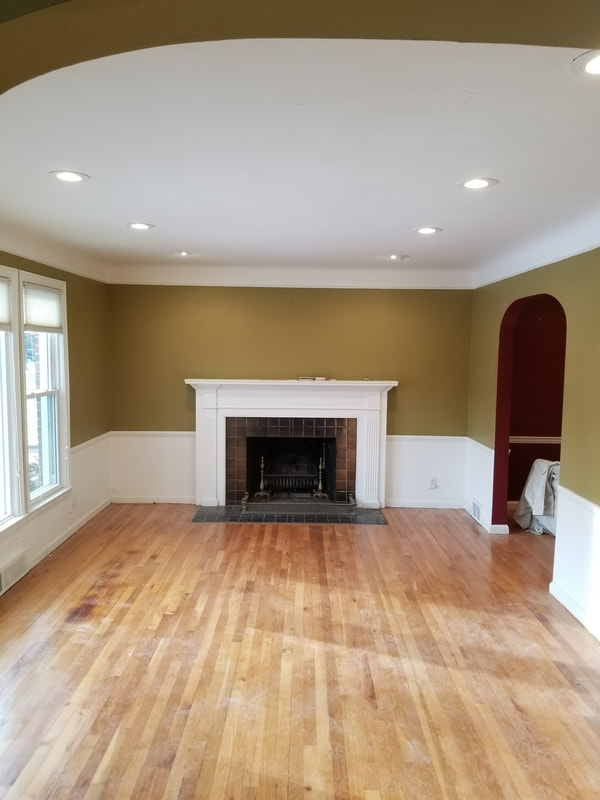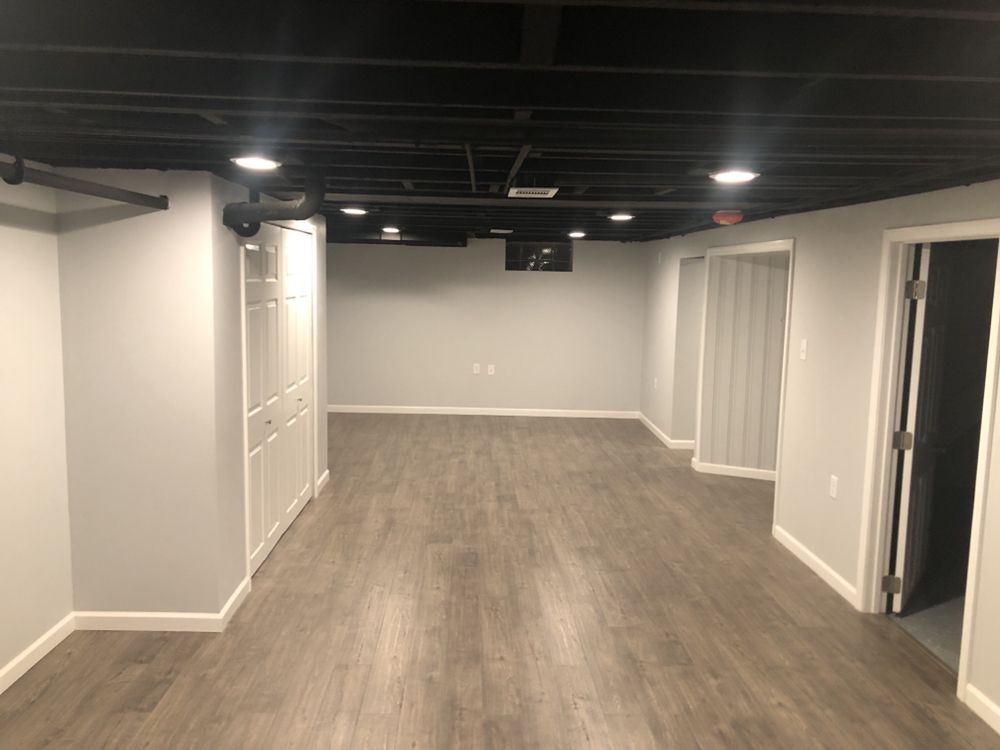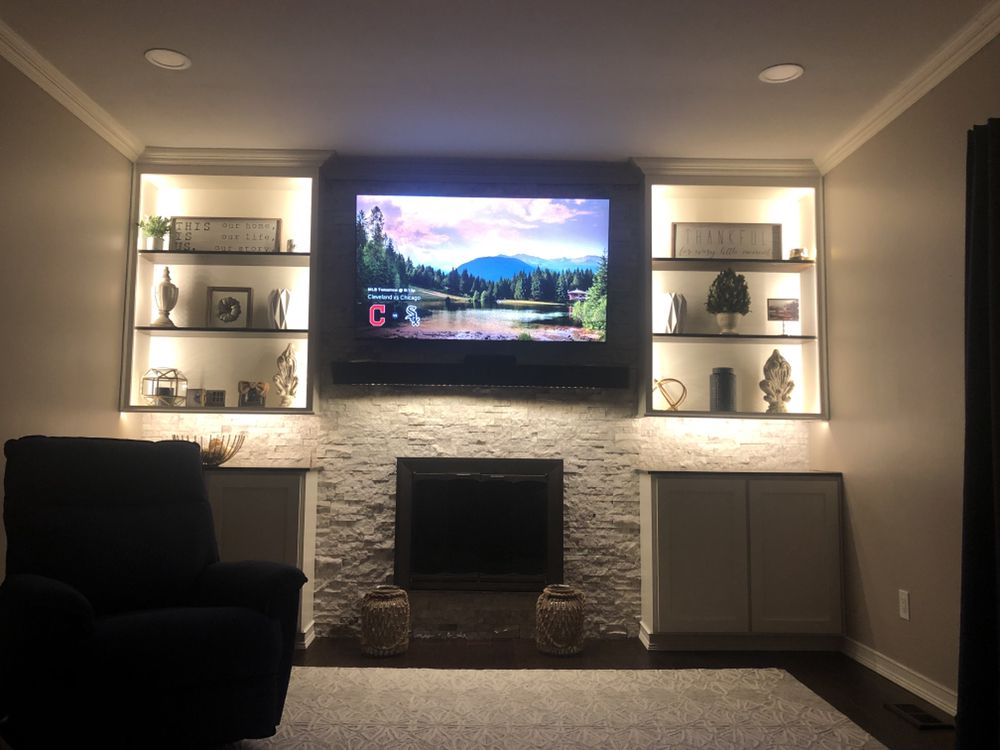
Recessed Lighting Sterling Heights, MI
Thoughtfully placed recessed lighting can make a Sterling Heights, MI room feel brighter, more open, and easier to use without adding the visual bulk of hanging fixtures. It is a practical choice for kitchens, living areas, hallways, bathrooms, finished basements, and work spaces where broad, even illumination matters. Executive Electric is located at 20504 Hall Rd, Clinton Township, MI 48038, and provides a clear starting point for homeowners considering an electrical lighting update in the region.
Recessed lights, also called can lights or downlights, sit within the ceiling and direct light downward. The result can be clean general lighting, targeted task lighting, or a layered lighting plan that works alongside pendants, lamps, and decorative fixtures. The right layout depends on the room, ceiling construction, existing wiring, intended use, and the amount of natural light available.
What recessed lighting can solve in your home
Recessed lighting is most useful when a room needs better coverage without a fixture hanging into the space. A single central ceiling fixture often creates bright and dim zones, especially in larger rooms or rooms with cabinets, counters, or furniture that block the light. Multiple properly planned recessed fixtures can distribute illumination more consistently across the usable area.
For a homeowner searching for recessed lighting options, the goal is usually more than adding a few lights. The project may be about making food preparation safer, reducing shadows at a vanity, improving a home office, updating a dark basement, or creating a cleaner ceiling line during a remodel. Discussing the room’s daily function before selecting fixture locations helps turn a lighting idea into a useful electrical plan.
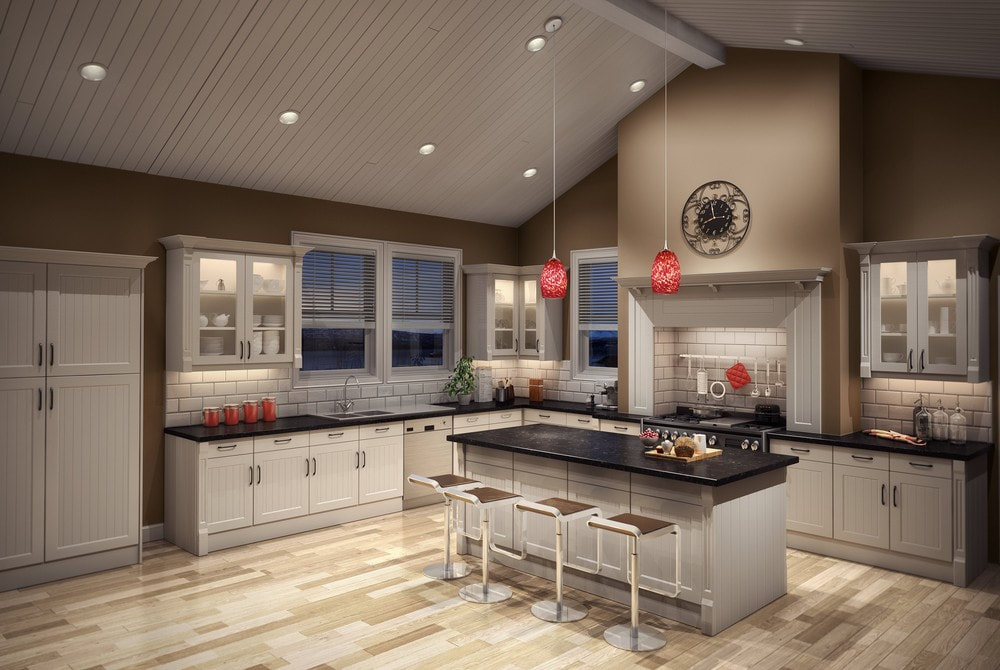
- Kitchens: Recessed fixtures can provide general ceiling light while focused task lighting is planned around counters, sinks, and work zones.
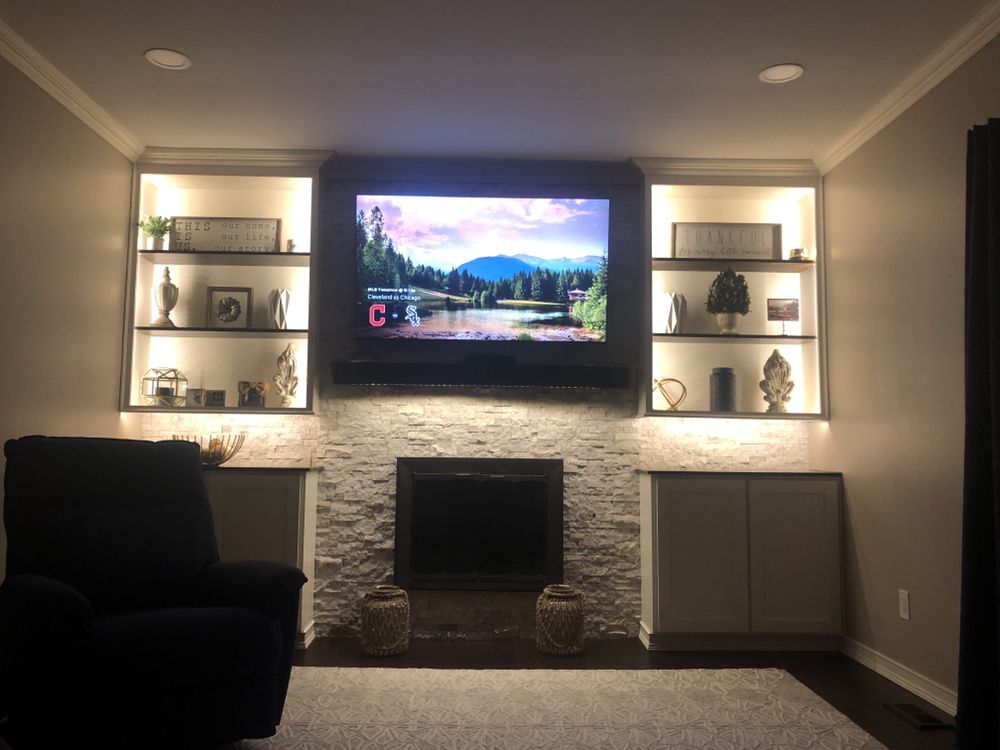
- Living rooms and family rooms: Dimmable ceiling lights can support everyday activities, entertaining, and relaxed evening use.
- Bathrooms: Ceiling downlights can supplement vanity lighting and improve overall visibility, with fixture selection suited to the room’s conditions.
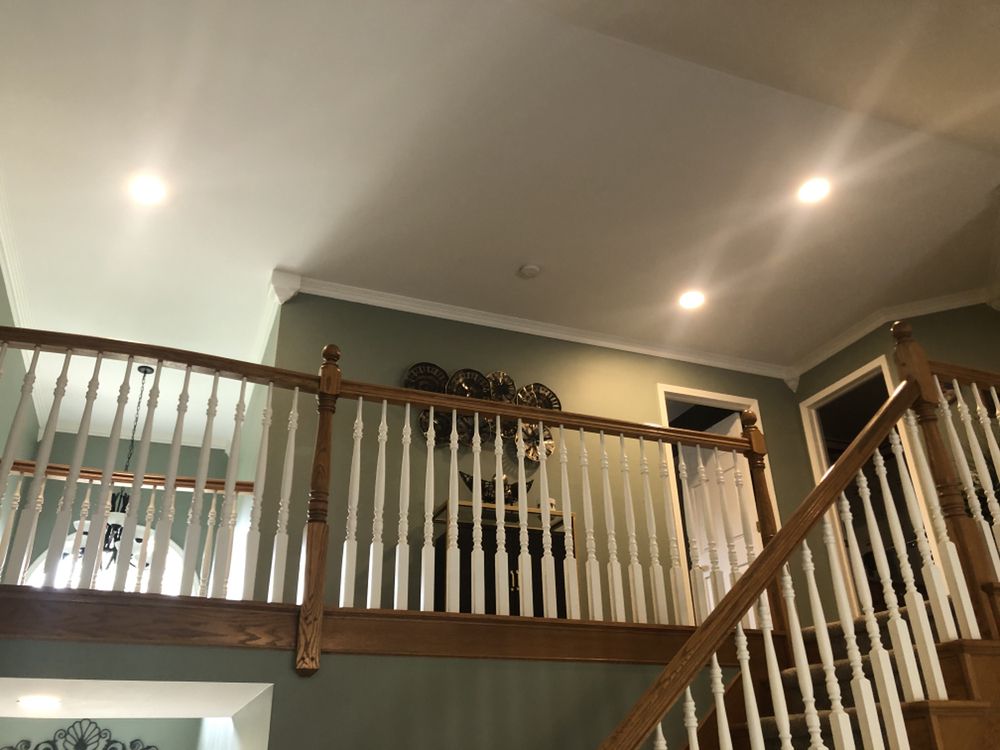
- Hallways and entries: Low-profile lighting can improve navigation where a pendant or flush fixture may not fit the space well.
- Finished lower levels: Recessed ceiling lights can preserve headroom and help spread light across rooms with limited daylight.
Plan the layout before choosing trim or bulb color
A successful recessed lighting installation begins with placement, electrical feasibility, and controls, not with the finish of the trim. Fixture spacing is not one-size-fits-all because ceiling height, beam spread, wall color, furniture placement, cabinetry, and the type of activity in the room all affect how light performs. An electrical professional can review the existing ceiling and wiring conditions before a homeowner commits to a layout.
Start with the purpose of each area
General lighting makes the room comfortably visible. Task lighting supports specific work, such as chopping food, reading, applying makeup, or using a desk. Accent lighting is intended to draw attention to a feature, such as artwork or a textured wall. One set of recessed fixtures can contribute to more than one goal, but separating zones and controls often gives the homeowner more flexibility.
In a kitchen, for example, a plan should consider where people stand at the counters rather than only placing fixtures in an evenly spaced grid. In a media room, reducing glare on a screen may matter more than maximizing brightness. These choices are why the room’s actual use should guide the design conversation.
Consider ceiling access, joists, and insulation
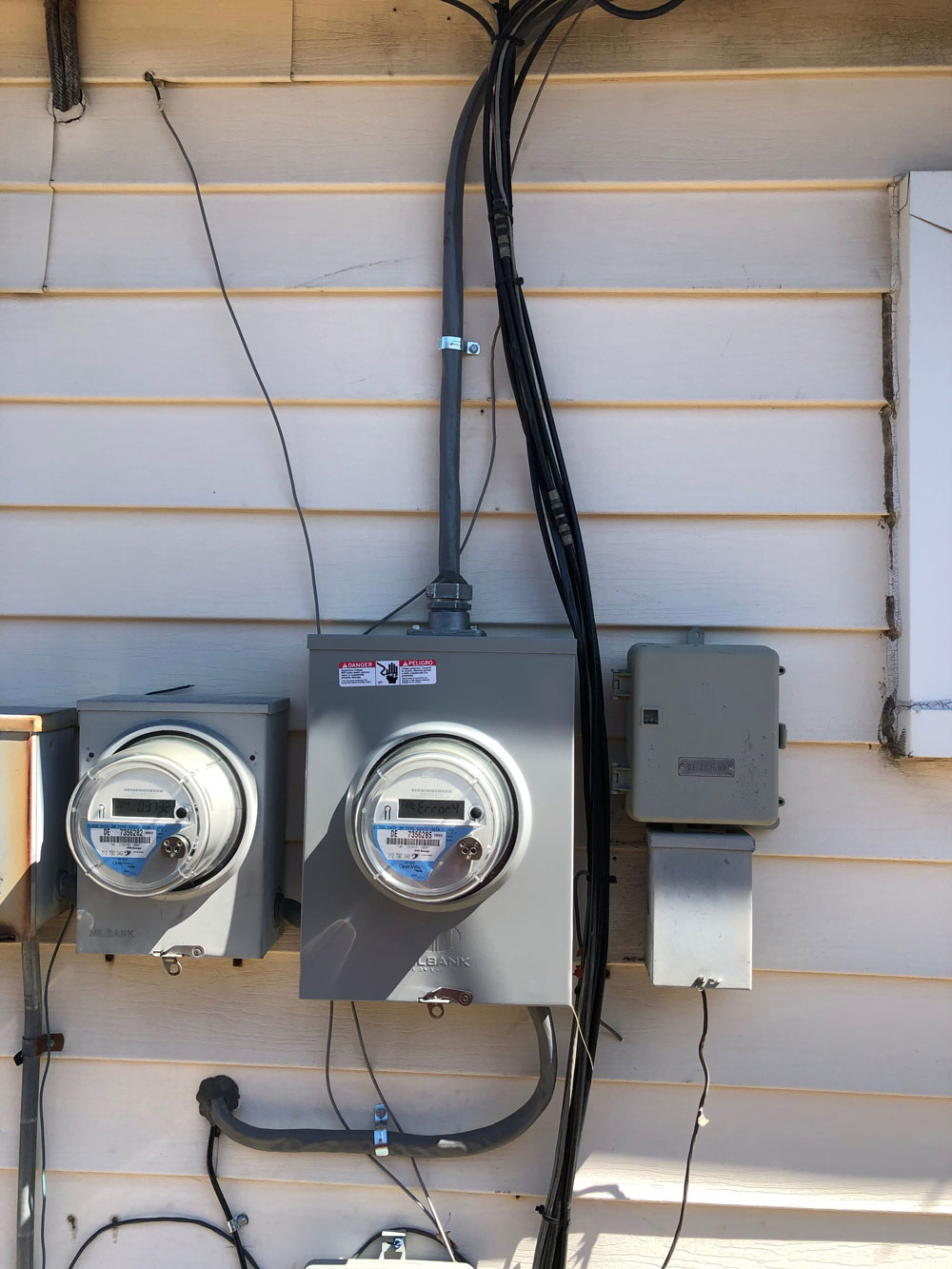
The ceiling above a room may contain framing members, insulation, ductwork, plumbing, or existing electrical wiring. Those conditions can affect where recessed fixtures can go and which housing style is appropriate. A professional assessment helps identify practical locations before cutting ceiling openings.
Older, new-construction, and remodeled spaces can present different access challenges. Some projects may be better suited to slim recessed lights, while others may accommodate more traditional recessed housings. The best choice depends on the ceiling assembly and the desired lighting result, not simply on what looks smallest in a product photo.
Choose controls that match the way you live
Dimmers are a common consideration because they let a single lighting system serve more than one purpose. Bright settings can help with cleaning, cooking, or detailed work, while lower settings can create a calmer atmosphere. Compatibility matters: the dimmer, LED light source, and fixture components should be selected to work together.
Switch placement also deserves attention. A room with several lighting zones may benefit from separate controls for general, task, and accent light. Planning the controls early can prevent a finished room from having plenty of light but limited flexibility.
Recessed fixtures, surface fixtures, and decorative lighting are not interchangeable
Recessed lighting offers a streamlined ceiling appearance and broad light coverage, but it is not automatically the best choice for every location. Surface-mounted fixtures can be easier to access visually and may suit rooms where a central fixture is preferred. Pendants and chandeliers provide a decorative focal point, yet they typically do not replace the even coverage created by a planned group of recessed lights.
- Recessed fixtures: Best considered for low-profile general lighting, layered lighting, or spaces where clearance is important.
- Flush or semi-flush fixtures: Useful for a central source of light and a visible design element.
- Pendants: Often selected over islands, tables, or other focal areas where directed light and style are both important.
- Wall sconces and lamps: Helpful for ambient light, reading areas, and visual comfort without adding more ceiling penetrations.
Many homes use a combination. For instance, a kitchen may use recessed ceiling lighting for coverage and pendants over an island for visual definition. A living room may use can lights on a dimmer along with floor lamps for softer evening light. Considering the layers together helps avoid an overly bright, flat, or shadow-filled result.
What to expect from a lighting project
A recessed lighting project generally involves evaluating the room, determining appropriate fixture and control locations, checking the electrical setup, completing the installation work, and testing the finished lighting. The exact scope varies according to the number of fixtures, the accessibility of the ceiling, the condition of existing wiring, and whether the work is part of a broader renovation. Asking direct questions about the plan helps establish clear expectations.
- Discuss the room: Explain what feels inadequate about the current lighting and how the space is used at different times of day.
- Review the ceiling and electrical conditions: This helps determine feasible fixture locations and the work needed to connect them.
- Set the lighting layout and controls: Decide where fixtures, switches, and dimmers should be placed before installation begins.
- Complete installation and finish work: The work may involve carefully placed ceiling openings, wiring, fixtures, trims, and controls.
- Test operation: Check that fixtures and controls operate as intended and that the lighting serves the planned zones.
Homeowners should be prepared for some work around the ceiling area. Protecting nearby furnishings and discussing access to the room ahead of time can make the process more manageable. If ceiling repair or painting is expected after the electrical portion, it is helpful to coordinate the order of work with any other renovation professionals involved.
Questions worth raising before you move forward
The best lighting plan is tailored to a room rather than copied from another home. Before scheduling recessed lighting in Sterling Heights, MI, think about the details that influence usability after installation. Clear answers can help you compare options based on function instead of choosing solely by fixture appearance.
- Which parts of the room need general light, task light, or accent light?
- Should all fixtures operate together, or should the room have separate lighting zones?
- Would dimming improve the room’s flexibility?
- What ceiling conditions could affect fixture placement?
- Will the lighting complement existing pendants, vanity lights, or lamps?
- Is the project part of a remodel that should be planned with other ceiling, cabinetry, or painting work?
Executive Electric can be a relevant contact for property owners who want to discuss these practical details before moving ahead. Rather than treating recessed lighting as a purely cosmetic upgrade, a thoughtful conversation can connect the fixture layout to visibility, room use, switch control, and the physical conditions inside the ceiling.
Recessed lighting FAQ
What is recessed lighting?
Recessed lighting is a ceiling-mounted lighting system in which the fixture is installed into the ceiling plane rather than hanging below it. Also called can lighting or downlighting, it provides low-profile general, task, or accent illumination and can be used with compatible dimmer controls.
How many recessed lights does a room need?
The number depends on room size, ceiling height, fixture beam spread, wall colors, natural light, furniture, and the activities performed there. A kitchen work area, for example, needs different coverage than a bedroom. A room-specific layout review is more useful than relying on a universal spacing rule.
Can recessed lights be installed in an existing ceiling?
In many cases, recessed lights can be considered for an existing ceiling, but the practical approach depends on framing, insulation, access above the ceiling, and existing wiring. An evaluation of those conditions is the appropriate first step before selecting fixture locations or making ceiling cuts.
Does Executive Electric have an office in Sterling Heights, Michigan?
Executive Electric’s provided location is 20504 Hall Rd, Clinton Township, MI 48038. The company is not presented here as physically located in Sterling Heights. Sterling Heights, Michigan property owners can use the contact page to ask about their recessed lighting needs and next steps.
Bring a clearer lighting plan to your Sterling Heights project
Better illumination can improve the way a room looks and works every day, particularly when the layout accounts for tasks, ceiling conditions, and controls from the beginning. Whether you are updating a single dark room or planning lighting as part of a larger change, Executive Electric offers a local point of contact from 20504 Hall Rd, Clinton Township, MI 48038.
Ready to discuss recessed lighting for your Sterling Heights, MI property? Contact Executive Electric to share your project goals, ask about the existing space, and start a conversation about an appropriate lighting plan.