Generator repair services Sterling Heights, MI
When a standby or portable generator will not start, runs unevenly, fails to transfer power, or displays warning indicators, the problem deserves prompt electrical attention. For property owners searching for Generator repair services Sterling Heights, MI, Executive Electric provides a clear point of contact for discussing generator concerns and arranging the next appropriate step. Executive Electric is located at 20504 Hall Rd, Clinton Township, MI 48038, and serves as a practical resource for customers evaluating a generator problem in the Sterling Heights area.
A backup generator is meant to reduce disruption when normal utility power is unavailable. A unit that has been sitting unused, has a starting issue, or is not supplying expected power can leave a home or business without the protection it was intended to provide. Timely diagnosis helps distinguish a correctable issue from a condition that requires more extensive repair or replacement planning.
What generator problems should prompt a repair visit?
Generator repair is appropriate when equipment is unreliable, behaves differently than usual, or cannot perform its intended backup-power function. Electrical, fuel, battery, control, and transfer-related issues can produce similar symptoms, so a professional evaluation is more useful than assuming one component is at fault. Documenting what happened before, during, and after the issue helps make the service conversation more productive.
- The generator does not start, starts only after repeated attempts, or shuts down unexpectedly.
- The unit cranks slowly, has a weak battery, or shows a battery or charger warning.
- It runs but does not provide power to the selected circuits or connected equipment.
- An automatic standby generator does not start when utility power is interrupted.
- The transfer equipment does not switch power as expected, or it produces an alarm or fault code.
- There is visible damage, unusual vibration, an unfamiliar odor, leaking fluid, corrosion, or signs of rodent intrusion.
Some symptoms overlap. For example, a no-start condition may stem from a battery, charging circuit, control setting, fuel supply issue, or an engine-related condition. Likewise, loss of backup power may involve the generator itself, the automatic transfer switch, the electrical connection, or the load being asked of the system. A careful inspection avoids treating a symptom while missing the underlying cause.
Starting, charging, and control concerns
Starting components are a common place to begin because batteries and chargers can degrade even when a generator is rarely called upon. Control panels also monitor operating conditions and may prevent starting or continued operation when they detect a fault. Retaining any displayed code, noting the last successful exercise cycle, and identifying whether the unit cranks or remains silent can provide useful diagnostic context.
Power transfer is part of the backup system
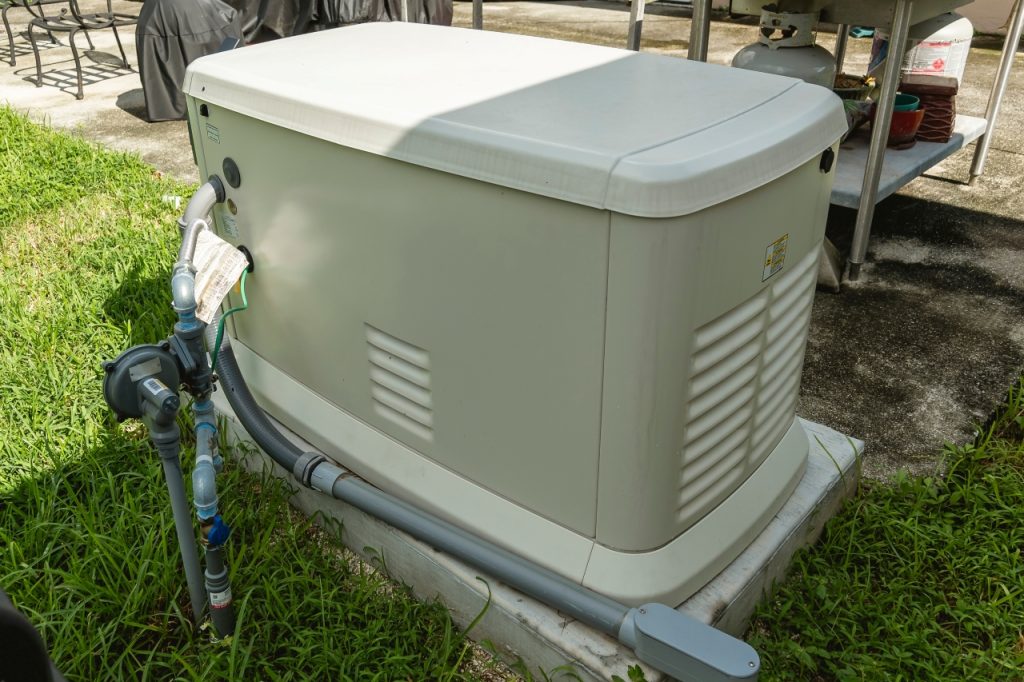
A generator that runs normally but does not restore power may not have an engine failure at all. Standby systems depend on coordinated operation among the generator, transfer switch, distribution equipment, and selected circuits. Repair planning should account for the entire backup-power path, especially when the concern occurs only during an outage or only affects certain loads.
A practical approach to generator diagnosis and repair
Effective generator repair services begin with the reported symptom and then work through the system in a logical order. Executive Electric can discuss the unit type, observed issue, warning information, and whether the equipment is portable or permanently installed. This initial context helps establish whether troubleshooting, inspection, electrical repair, maintenance, testing, or replacement evaluation may be the most sensible next step.
- Describe the failure clearly. Note whether the generator would not start, stopped under load, failed to transfer, or ran without supplying usable power.
- Gather basic information. Have the generator make and model, approximate age, service history, error codes, and recent changes to the electrical system available if possible.
- Evaluate the relevant components. The review may include the battery and charger, connections, controls, fuel-related components, transfer equipment, wiring, and operating output as appropriate to the symptom.
- Identify the repair path. After the condition is understood, the next decision may involve a targeted repair, preventive service, additional performance testing, or a conversation about replacement.
- Confirm operation after work. A repair should be followed by an appropriate operational check so the owner understands what was addressed and what ongoing care the system needs.
Safety matters throughout this process. Generators involve energized electrical equipment, combustion, moving parts, batteries, and, for installed standby units, transfer equipment that interfaces with a building electrical system. Avoid bypassing safety devices, repeatedly resetting faults without understanding them, or attempting electrical work inside panels and transfer switches if you are not qualified to do so.
Repair, maintenance, or replacement: how to weigh the options
Not every generator issue calls for the same solution. A serviceable unit with a weak battery, deteriorated connection, overdue upkeep, or an isolated electrical fault may be a good candidate for repair. On the other hand, repeated failures, unavailable parts, substantial corrosion, persistent engine trouble, or a system that no longer meets the property’s power needs can justify comparing repair costs and reliability expectations with replacement options.
Before authorizing work, focus on the condition of the whole system rather than only the immediate symptom. Consider how often the generator is used, whether it has received scheduled exercise and inspection, the importance of uninterrupted power at the property, and whether the connected load has changed. A thoughtful comparison helps homeowners and facility decision-makers avoid spending on a short-term fix that does not align with their longer-term backup-power needs.
Maintenance and testing help prevent surprise failures
Generator maintenance near me is a useful search when equipment appears to be working but has not been inspected or exercised consistently. Routine care can identify aging batteries, loose connections, low fluid levels, control alerts, and other developing issues before an outage exposes them. Maintenance does not guarantee that every future failure can be avoided, but it creates a more informed picture of generator condition and readiness.
Standby equipment benefits from an organized schedule because inactivity can be hard on batteries, fuel systems, connections, and mechanical components. Owners should keep records of service dates, observed alarms, run times, and changes in performance. If a generator supports medically important equipment, business operations, sump pumps, refrigeration, security, or other essential loads, consistent preventive attention becomes especially important.
Why load testing adds useful information
Generator load testing evaluates how a generator performs when it is asked to support electrical demand rather than merely running without a meaningful load. This can help reveal output, voltage, frequency, overheating, or transfer-related concerns that a brief no-load exercise may not show. The appropriate test approach depends on the generator design, installation, connected loads, and the condition being evaluated.
A generator can sound normal during a routine exercise and still have difficulty when starting motors, operating appliances, or carrying multiple essential circuits. Load-oriented evaluation is therefore valuable after certain repairs, when performance is uncertain, or as part of a readiness strategy for critical backup systems. Executive Electric can help customers discuss whether testing is relevant to the problem they are seeing.
When a generator issue feels urgent
Emergency generator services are most relevant when a backup-power failure affects safety, essential operations, or the ability to protect a property during a utility interruption. If there is smoke, a burning odor, sparking, an active fuel leak, exposed damaged wiring, or an immediate electrical hazard, prioritize personal safety and contact the appropriate emergency resource before attempting to operate the equipment. For non-hazardous but urgent reliability concerns, provide Executive Electric with the symptoms, current power status, and equipment information when you contact the company.
It is also helpful to set realistic expectations about urgency. A generator that will not start during an outage deserves attention, but a repair cannot always be responsibly diagnosed by replacing the most obvious part. Clear details about the condition, prior service, warning codes, and what loads were connected support a more efficient assessment and a better-informed repair decision.
Choosing a provider for generator repair work
The right service conversation should address the specific generator issue, the electrical system around it, and the outcome you need from backup power. Ask whether the concern appears related to starting, fuel, controls, output, transfer operation, wiring, or routine upkeep. It is also reasonable to ask what information to have ready, whether testing may be useful after repair, and what maintenance steps may reduce future reliability concerns.
- Share the make, model, unit type, and any panel messages or fault codes.
- Explain whether the unit is portable, a permanently installed standby generator, or part of a broader backup-power setup.
- State what happened during the last attempted run or power interruption.
- Identify the essential circuits, appliances, or equipment the generator is expected to support.
- Keep prior repair and maintenance records available when possible.
Executive Electric’s known company location is 20504 Hall Rd, Clinton Township, Michigan 48038. Customers in Sterling Heights, MI can contact Executive Electric to discuss generator repair needs, provide relevant system details, and determine an appropriate path forward. This approach keeps the discussion centered on actual equipment conditions instead of assumptions about the cause of a failure.
Questions Sterling Heights property owners often ask
What does generator repair typically include?
Generator repair typically involves identifying the cause of a starting, running, output, control, or transfer problem and addressing the affected component or connection. The exact scope depends on the unit type and symptom. An evaluation may also show that maintenance, load testing, electrical work, or replacement planning is more appropriate than a single repair.
Should I run my generator if it is showing a warning or fault code?
Do not ignore a warning or repeatedly clear a fault without understanding why it occurred. Record the code and the operating conditions, then seek guidance. If there is smoke, sparking, a burning smell, fuel leakage, or exposed damage, stop using the equipment and prioritize safety.
Can a generator run but still fail to protect my home or business?
Yes. A generator may start and run while an issue with output, selected circuits, transfer equipment, wiring, or connected load prevents backup power from reaching what it is meant to support. That is why a complete review of the generator and its power-transfer path is important when the system does not perform as expected.
Is Executive Electric located in Sterling Heights?
Executive Electric’s supplied location is 20504 Hall Rd, Clinton Township, MI 48038. The company can be contacted by customers seeking generator-related help in and around Sterling Heights, Michigan. Sharing your location, generator type, and specific concern allows for a more useful initial service discussion.
Discuss your generator concern with Executive Electric
Whether your unit will not start, fails to transfer power, needs a condition review, or has not been tested under meaningful demand, a focused conversation is a sensible first step. Provide the generator details and symptoms you have observed so Executive Electric can better understand your situation. For Generator repair services in Sterling Heights, MI, contact Executive Electric at its Clinton Township location, 20504 Hall Rd, Clinton Township, Michigan 48038, through the Executive Electric contact page.