EV Charger Installation Sterling Heights, MI
Reliable home charging starts with a circuit, charger location, and electrical capacity that fit the vehicle and the property. Executive Electric provides EV Charger Installation for customers considering a dedicated charging solution in Sterling Heights, MI, with planning that focuses on safe, practical everyday use rather than a one-size-fits-all setup.
A professionally planned charger can make ownership simpler: plug in after arriving home, charge during the hours that work for your household, and begin the next drive with more confidence in available range. Executive Electric is located at 20504 Hall Rd, Clinton Township, MI 48038. That address should not be confused with an office location in Sterling Heights, Michigan.
Make home charging fit the way you drive
Most homeowners pursue a dedicated EV charger because a standard household outlet may not provide the charging speed, convenience, or circuit capacity they want for regular driving. The right installation considers how far the vehicle travels, when it is parked, the battery system, and the available electrical infrastructure. A charging setup should support daily routines without overloading existing equipment.
Level 1 charging generally uses a standard 120-volt outlet and can be suitable for lower daily mileage or occasional charging. Level 2 equipment uses a 240-volt circuit and typically delivers substantially more charging capacity, making it a common choice for overnight charging. The appropriate option depends on the vehicle, the home’s electrical panel, and the charging goal, not simply on choosing the highest-rated charger.
- Daily mileage: Regular longer drives may make faster at-home replenishment more valuable.
- Parking arrangement: Garage, driveway, attached structure, and cable-routing conditions affect placement.
- Electrical capacity: Panel space, service capacity, and existing large electrical loads need review.
- Vehicle and charger compatibility: Connector type, charging limits, and manufacturer instructions matter.
- Future plans: A second EV, remodel, or electrical upgrades can influence today’s design choices.
Electric car charger installation begins with a property review
Electric car charger installation is more than mounting a device on a wall. It involves evaluating the intended charger location, the route from the electrical panel, the circuit requirements, and conditions that can affect a neat, usable installation. Reviewing these details before work begins helps a homeowner understand whether the proposed arrangement suits current driving needs and the property layout.
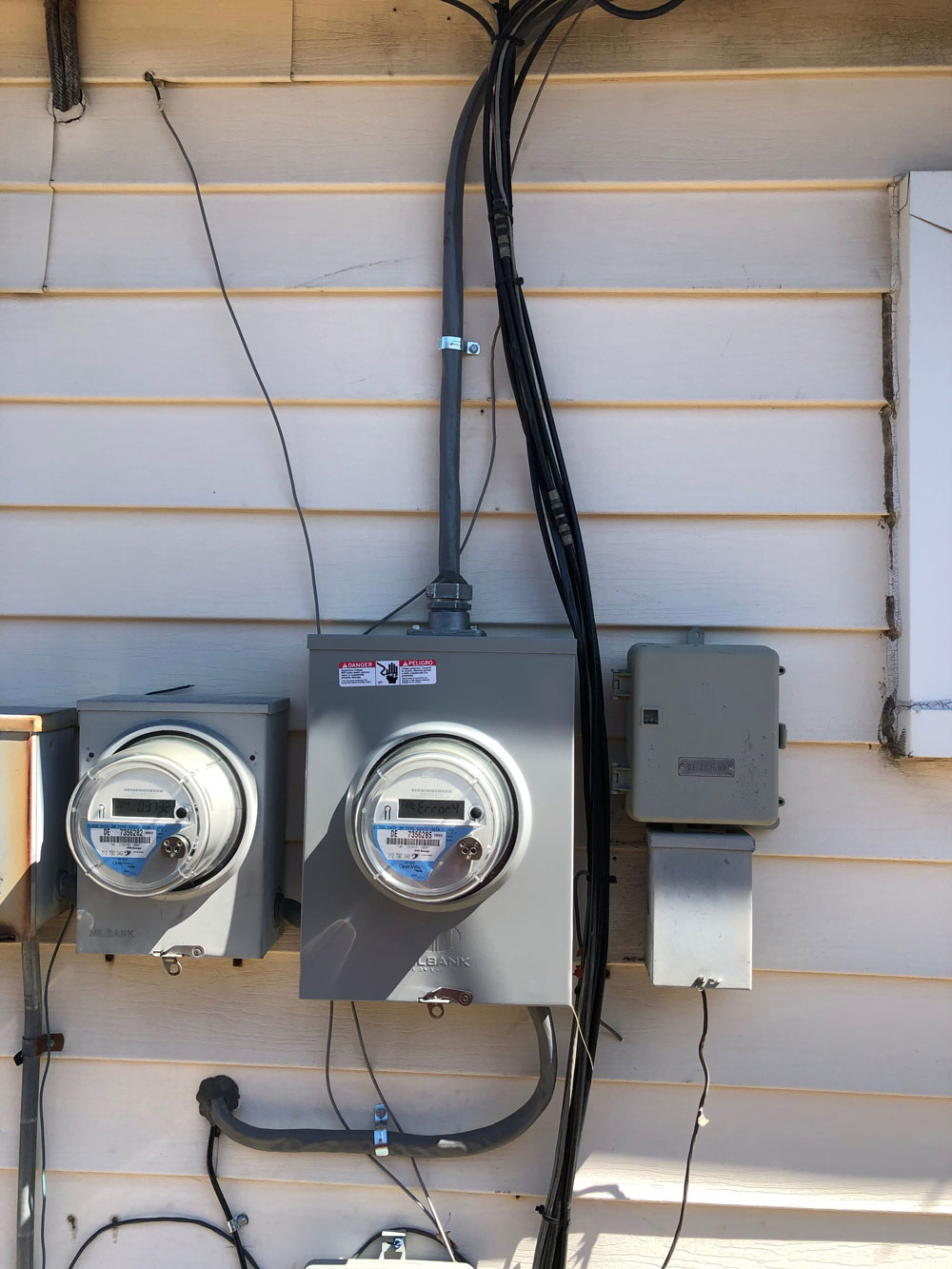
An electrical assessment can reveal practical limitations early, such as a full panel, a long wiring path, or the need to coordinate charger placement with a garage door, vehicle parking position, or outdoor exposure. In some homes, a dedicated circuit can be added directly. In others, electrical changes may be needed before a charger can be installed appropriately.
EV charging station installation supports dependable daily use
EV charging station installation creates a dedicated place to recharge instead of relying on improvised extension-cord arrangements or repeatedly sharing a general-purpose outlet. A properly considered station can reduce the routine of finding public charging for everyday energy needs and make overnight charging a more predictable part of vehicle ownership. The final placement should allow the cable to reach the vehicle connection comfortably without creating an unnecessary trip or strain hazard.
Public charging still has a useful role for trips and charging away from home, but it is not always the most convenient substitute for routine residential charging. Home charging is often most valuable when the vehicle remains parked for several hours. For households with more than one driver or changing schedules, the charger selection and circuit planning should account for actual use patterns rather than assumptions.
What a thoughtful charger installation process looks like
EV Charger Installation in Sterling Heights, MI, should begin with clear information about the home and vehicle, followed by a site-specific plan for the electrical work. The installation process can vary significantly by panel condition, charger location, construction materials, and local permitting requirements. Executive Electric can be contacted to discuss the details that apply to a particular project.
- Discuss the charging objective. Identify the vehicle, desired charging capability, usual parking location, and expected driving routine.
- Review electrical conditions. Consider service capacity, panel configuration, circuit space, and other significant electrical loads.
- Choose practical equipment placement. Plan a location that provides access, cable reach, and appropriate protection for the intended setting.
- Plan the dedicated circuit and installation path. Determine how conductors, protective devices, and required components can be installed for the property.
- Complete final checks. Confirm that the installed equipment is ready for proper use and that the owner understands basic operation.
Permits and inspections may be required depending on the jurisdiction and scope of work. Homeowners should not assume that every property needs the same upgrade or follows the same timeline. A direct discussion of the site helps replace broad online estimates with a plan based on the actual electrical system.
EV charging point installation is about access and cable management
EV charging point installation focuses on where the vehicle connects and how that connection works in a real parking space. The best location is often one that keeps the charging cable within its intended reach while avoiding pinch points, sharp bends, door paths, and areas where the cord may be walked over. Indoor and outdoor installations can present different mounting, weather-exposure, and routing considerations.
It is helpful to park the vehicle in its normal position before settling on a charger location. This simple step can show whether the port is on the front, rear, or side of the vehicle and whether a charger location will remain useful if a different EV is purchased later. Thoughtful placement can prevent a technically functional installation from becoming inconvenient every day.
Choosing the charger and electrical approach
The right charger is the one that works safely with the vehicle, electrical system, and household routine. Higher output is not automatically better if the vehicle cannot use it, the electrical service cannot support it without changes, or overnight charging already meets the family’s needs. A clear installation plan weighs charging speed against electrical capacity, equipment features, cost considerations, and future flexibility.
- Plug-in versus hardwired: The equipment type and circuit configuration should be evaluated as part of the installation plan.
- Amperage and vehicle limits: Charger output, circuit rating, and the vehicle’s onboard charging capability work together.
- Panel upgrades or load management: Existing electrical demand may affect which approach is appropriate.
- Indoor versus outdoor location: The selected equipment and installation method should be suitable for the environment.
- Connected features: Wi-Fi controls can be convenient, but they should not distract from proper electrical design.
Smart EV charger installation can add useful control
Smart EV charger installation may appeal to drivers who want app-based status updates, scheduling options, energy-use visibility, or other connected features offered by compatible equipment. These functions can help an owner monitor charging sessions and align charging with household preferences. The electrical installation remains the foundation, so connected features should be selected after the charger type, location, and circuit needs have been considered.
Not every homeowner needs a connected charger. A simpler unit may be a sensible fit when dependable plug-in charging is the main priority, while a smart model may be worthwhile for someone who values monitoring or scheduled operation. Comparing feature needs honestly can help avoid paying for functions that will not be used.
Why a Professional EV charger installer matters
A Professional EV charger installer helps connect the charger decision to the realities of the electrical system and the property. Dedicated EV charging equipment can involve continuous electrical demand, which is why circuit sizing, overcurrent protection, wiring methods, equipment instructions, and applicable requirements deserve careful attention. Professional planning is particularly important when the panel is older, capacity is uncertain, the charger is far from the panel, or outdoor routing is involved.
Executive Electric can help prospective customers move from a general idea to a more informed conversation about their project. Sharing the EV model, charger under consideration, photos or details of the panel, intended mounting area, and usual parking position can make that conversation more productive. There is no need to guess at a final design before reaching out.
Practical benefits for Sterling Heights drivers
For many drivers, the main value of a home charging solution is control over the daily routine. Instead of treating charging as a separate errand, the vehicle can recharge while it is already parked. That convenience can be especially meaningful for households balancing commuting, family schedules, and limited time at the end of the day.
A dedicated setup may also offer a clearer, more durable charging arrangement than relying on an outlet that was not planned around regular EV use. It gives the homeowner an opportunity to select charger features and placement intentionally. In Michigan, seasonal weather and changing driving patterns can make it even more useful to have a consistent charging plan at home.
If you are evaluating EV Charger Installation for a Sterling Heights property, prioritize an assessment of electrical capacity and practical charger placement before purchasing equipment. Executive Electric’s Clinton Township location at 20504 Hall Rd, Clinton Township, MI 48038 provides a clear point of contact for discussing your Michigan project and the information needed to plan the next step.
Questions homeowners often ask
How long does EV charger installation take?
Installation time depends on the property, charger location, panel condition, wiring route, permit needs, and whether electrical upgrades are necessary. A straightforward dedicated circuit may involve fewer steps than a project requiring panel work or a longer cable route. Discussing site conditions with Executive Electric is the best way to understand the expected scope.
Do I need a panel upgrade for a Level 2 charger?
Not always. Whether an upgrade is needed depends on the existing electrical service, panel capacity, available breaker space, household loads, and the charger circuit being considered. An electrical review can determine if the current system can support the planned charging equipment or if changes should be considered first.
Can an EV charger be installed outside?
Outdoor installation can be possible when the equipment is appropriate for the environment and the installation addresses mounting, wiring protection, weather exposure, and cable use. The exact approach depends on the property and selected charger. A review of the intended location helps identify practical placement and routing considerations.
What should I have ready before contacting Executive Electric?
Have the EV make and model, desired charger or charging level, a description of the normal parking location, and any available information about the electrical panel. Photos can also be useful when appropriate. These details help start a more focused discussion about an EV charging solution for your home.
Plan your home charging project with Executive Electric
Installing a charger is an investment in a smoother daily driving routine, but the most useful result comes from matching the equipment to the home. Executive Electric can help you discuss charger placement, circuit needs, electrical capacity, and the practical choices involved in a residential EV charging project.
Ready to explore charging options for a Sterling Heights, MI property? Contact Executive Electric to begin the conversation. Reach Executive Electric through its location at 20504 Hall Rd, Clinton Township, MI 48038, and share the details of your vehicle, home, and preferred charging arrangement.