EV Charger Electrical Panel Upgrade Sterling Heights, MI
An EV charger can make daily driving simpler, but the charger is only as capable as the electrical system supplying it. For homeowners researching EV Charger Electrical Panel Upgrade Sterling Heights, MI, the key question is whether the existing panel has enough safe, usable capacity for a dedicated charging circuit. Executive Electric can help customers evaluate the electrical side of home charging from its location at 20504 Hall Rd, Clinton Township, MI 48038.
A panel upgrade is not automatically required for every electric vehicle charger. It becomes a practical consideration when a home has an older service, limited breaker space, an already busy panel, or a load calculation that shows the new charger would overextend available capacity. A thoughtful assessment helps you choose a charging approach that fits both your vehicle and your home’s electrical demands.
Why an EV charger can change your panel requirements
Level 2 home charging is a substantial, continuous electrical load, unlike a device that runs only briefly. The electrical panel must be able to support that load alongside heating and cooling equipment, kitchen appliances, laundry equipment, lighting, and the rest of the home’s normal usage. An electrical panel assessment identifies whether a new dedicated circuit can be added without compromising safe operation.
Many homeowners start the process after buying an EV, while others plan charging equipment before the vehicle arrives. Either approach can work, provided the electrical system is reviewed before installation. Planning ahead may also prevent a charger purchase from getting ahead of the home’s actual circuit and capacity options.
Signs it may be time to assess electrical capacity
Age alone does not determine whether a service panel needs attention. A qualified evaluation considers the panel’s condition, rating, available spaces, existing loads, and the charging equipment being considered. Still, several situations commonly prompt a closer look:
- The panel has no open positions for a new two-pole breaker.
- Breakers trip when several household appliances operate at once.
- The home has added major electrical loads, such as central air conditioning, electric heat, a hot tub, or an induction range.
- The existing panel uses outdated equipment or shows visible signs that warrant professional attention.
- You want faster Level 2 charging than the current electrical capacity can reasonably support.
A crowded panel does not always mean a full service replacement is the only answer. In some circumstances, the solution may involve a panel change, a subpanel, load management, or selecting charger settings that better align with the available electrical service. The appropriate path depends on the individual home and should be based on an assessment rather than assumptions.
What an EV Charger Electrical Panel Upgrade involves
An EV Charger Electrical Panel Upgrade is the work of improving the panel or electrical service so a home can safely accommodate EV charging and other household loads. The exact scope can range from creating breaker capacity to upgrading service equipment, depending on the load calculation and condition of the existing installation. It is a foundational electrical decision, not simply a charger accessory.
For a homeowner comparing options, an EV Charger Electrical Panel Upgrade can create room for a dedicated circuit while supporting a more organized, future-conscious electrical layout. The value is not merely faster charging. It is the ability to make a charging decision with a clearer understanding of what the home’s electrical system can support.
From assessment to a ready charging circuit
The process should begin with information gathering, not with a one-size-fits-all recommendation. Executive Electric can discuss your charger plans and inspect relevant electrical equipment to determine what work may be needed. A typical project conversation and workflow may include:
- Reviewing the vehicle, charger type, desired charging speed, and where charging equipment will be located.
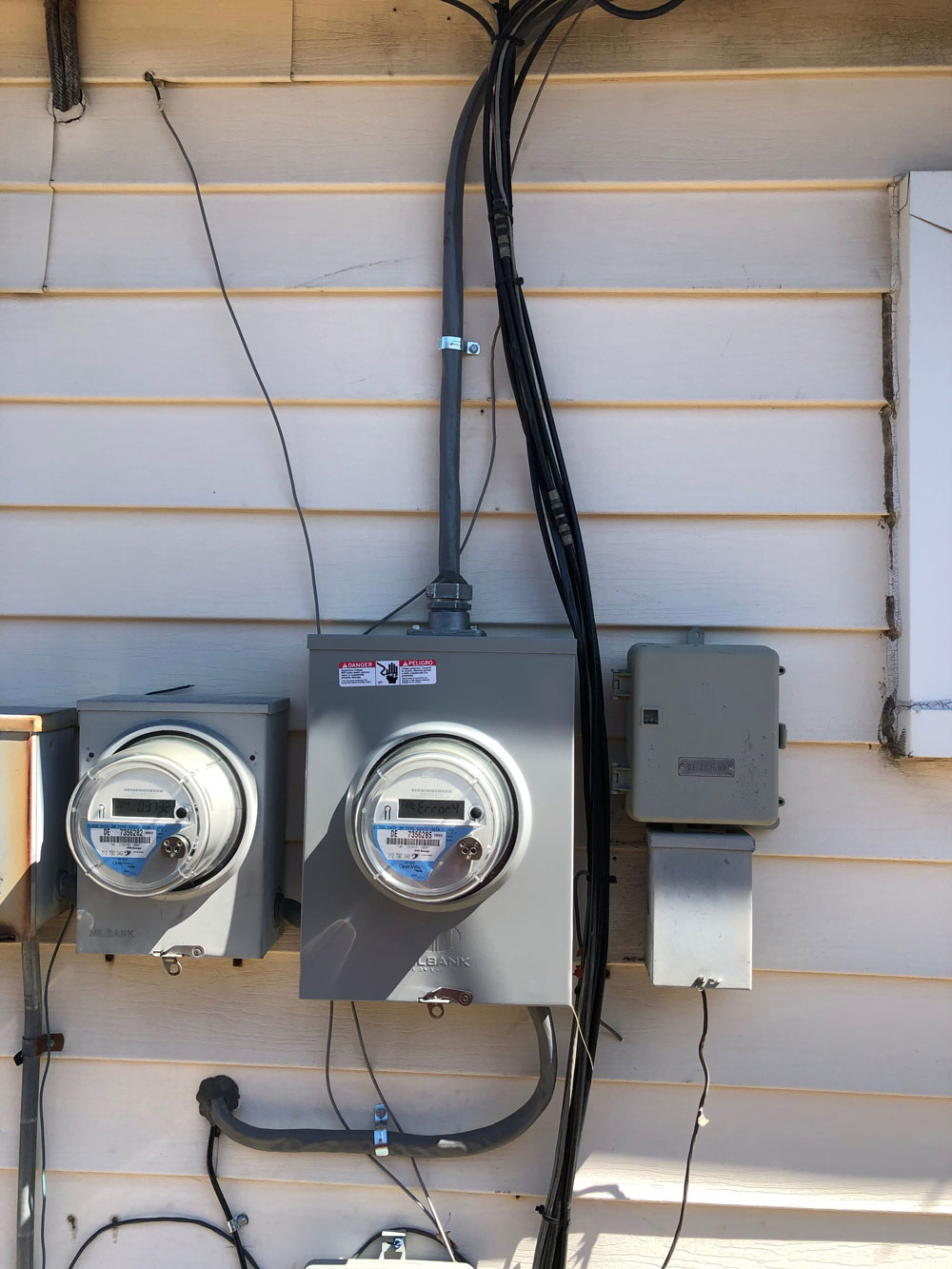
- Examining the existing main panel, breaker availability, service rating, and visible equipment condition.
- Calculating or evaluating household electrical demand, including significant existing appliances and systems.
- Identifying whether a dedicated circuit can be added as-is or whether panel, service, or load-management work should be considered.
- Defining the scope for the panel work and the EV charging circuit, including applicable permitting and inspection considerations.
- Completing the approved electrical work and verifying the installation is ready for normal use.
The charger location matters as much as the panel itself. Distance from the electrical panel, garage layout, cable routing, wall construction, and whether the charger is hardwired or plug-in can affect the design. Discussing these details early gives you a more complete picture of the project rather than treating the panel and charger as unrelated jobs.
Understanding charging speed, circuit size, and tradeoffs
Higher charging output can be convenient, but higher output also requires more electrical capacity. A lower-amp Level 2 setup may meet the needs of a driver with predictable overnight parking, while a higher-capacity circuit may better fit a household with longer daily mileage, short turnaround times, or more than one EV. The best choice is based on driving habits, vehicle acceptance rate, and total household load, not simply on the highest number available.
Some vehicles and chargers allow charging output to be configured. That flexibility can be useful when the home can support Level 2 charging but does not need, or cannot justify, the maximum charger output. A panel upgrade may be the right long-term solution when you want greater charging capacity or expect more electrical additions later, but it should be weighed against your present needs and the home’s overall electrical plan.
How panel upgrades support safer, more useful home charging
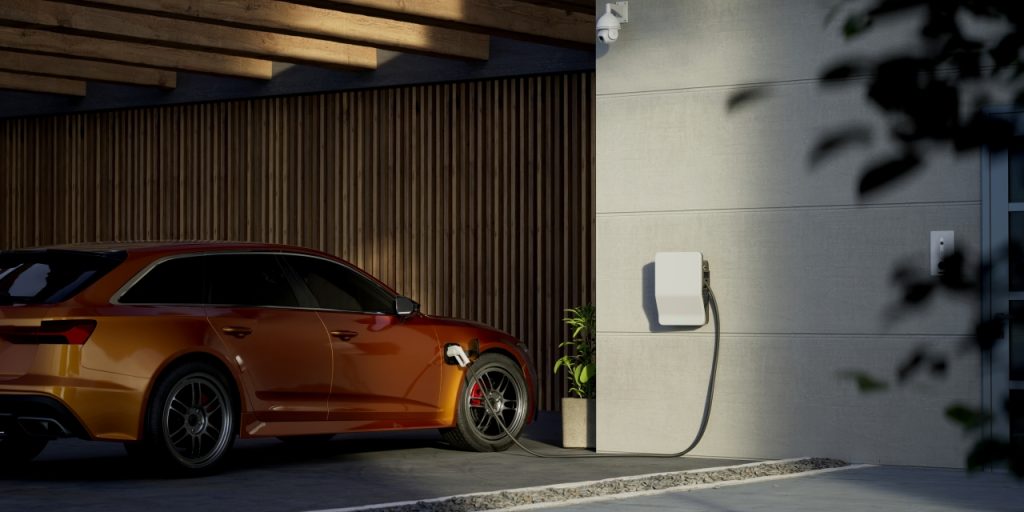
A properly planned EV charging circuit is dedicated to the charger and sized to work with the electrical system. This helps avoid the temptation to rely on extension cords, overloaded receptacles, or improvised charging arrangements. It also gives the homeowner a defined electrical path for a device that may operate for hours at a time.
- Reliable everyday charging: A dedicated circuit helps make at-home charging part of a regular routine.
- Capacity for household loads: Load planning considers the EV charger in context with the equipment already serving the home.
- Clearer future planning: Panel work can be evaluated alongside possible additions such as another EV or electrified appliances.
- More informed equipment selection: Knowing the electrical limits first can help prevent choosing a charger that does not fit the property.
Homeowners sometimes assume that a larger panel automatically means unlimited electrical capacity. In reality, the service equipment, utility supply considerations, existing loads, circuit design, and charger specifications all matter. Conversely, an older panel is not automatically unable to support an EV charger, which is why an on-site assessment and load review are more useful than general rules of thumb.
Choosing the right electrical partner for the decision
Before authorizing electrical work, ask for an explanation of why the proposed scope fits your home. Useful questions include what the load evaluation shows, whether the recommendation addresses breaker space or total service capacity, what charger circuit is planned, and how permits or inspections may apply. Straightforward answers help you compare a targeted upgrade with alternatives such as a lower-output charging configuration or managed charging equipment.
The EV Charger Panel Upgrade conversation should connect your transportation needs to the practical limits of your house. Executive Electric can be a relevant resource for Sterling Heights-area homeowners who want to discuss panel capacity, a dedicated EV circuit, and the scope that their charging plan may require. Sharing the make of the charger, vehicle model, desired installation area, and a list of significant electric appliances can make that discussion more productive.
Executive Electric is located at 20504 Hall Rd, Clinton Township, Michigan 48038. That address provides a clear point of contact for customers considering EV charging electrical work in and around Sterling Heights, MI, without suggesting that the company has an office in Sterling Heights. Contacting the company is an appropriate next step when you want project-specific guidance rather than a generalized estimate of what your panel may handle.
Prepare for an electrical evaluation
You do not need to know every technical detail before reaching out, but a few basics can speed up planning. Take note of where you park, the approximate location of the electrical panel, the charging equipment you are considering, and any electrical issues you have noticed. If accessible, photographs of the panel and its directory can also help begin a more focused conversation, although the actual scope should be determined through professional review.
It is also helpful to state your future plans. A household that expects to add a second EV, replace gas appliances with electric models, or renovate a garage may have different priorities than a household seeking modest overnight charging for one vehicle. That context allows the electrical work to be considered as part of a broader home-energy plan.
Questions Sterling Heights homeowners often ask
Do I need a panel upgrade to install a Level 2 EV charger?
Not always. A Level 2 charger needs a dedicated circuit, but an upgrade is only needed when the existing panel or service lacks safe capacity, breaker space, or suitable equipment condition. A load evaluation of the home’s current electrical use and planned charger output determines the appropriate option.
Can a home with an older electrical panel charge an EV?
Possibly, but age is only one factor. The panel’s rating, condition, available breaker positions, household electrical demand, and desired charging rate must all be reviewed. Older equipment may call for a different approach, but it should be evaluated on the specific installation rather than ruled in or out by age alone.
Is a higher-amp EV charger always better?
No. Higher output can reduce charging time, but it also raises circuit and capacity requirements. For many drivers, overnight charging at a moderate Level 2 rate is sufficient. Choosing the charger output that matches your driving pattern and electrical system can be more practical than pursuing maximum output.
Does Executive Electric have a location in Sterling Heights, Michigan?
Executive Electric’s supplied location is 20504 Hall Rd, Clinton Township, MI 48038. The company can be contacted regarding EV Charger Electrical Panel Upgrade needs for Sterling Heights, MI, and the project discussion can clarify service details, panel conditions, and your intended home charging setup.
Take the next step toward home EV charging
Whether you are purchasing your first EV, replacing a basic charging setup, or planning for increased electrical demand, start with the panel and circuit capacity. Executive Electric can help you move from uncertainty to a clearer electrical plan for EV charging. Contact Executive Electric to discuss an EV charger electrical panel upgrade from the company’s Clinton Township, MI location at 20504 Hall Rd, Clinton Township, Michigan 48038.