Briggs & Stratton generator installation Sterling Heights, MI
A properly planned standby generator can keep essential circuits available when an outage interrupts normal life at home. For property owners seeking Briggs & Stratton generator installation in Sterling Heights, MI, Executive Electric provides a clear point of contact from its location at 20504 Hall Rd, Clinton Township, MI 48038. The goal is not simply to place equipment outside, but to create a safe, code-conscious electrical connection that fits the property and the loads that matter most.
Standby power is especially relevant when a loss of electricity affects refrigeration, sump pumps, heating equipment controls, medical-support needs, work-from-home equipment, security systems, or ordinary day-to-day comfort. A Briggs & Stratton home generator is intended to supply selected or whole-home electrical loads through an automatic transfer arrangement, depending on the system design. Choosing the right configuration before installation helps avoid disappointment when the power goes out.
What a standby generator installation is designed to do
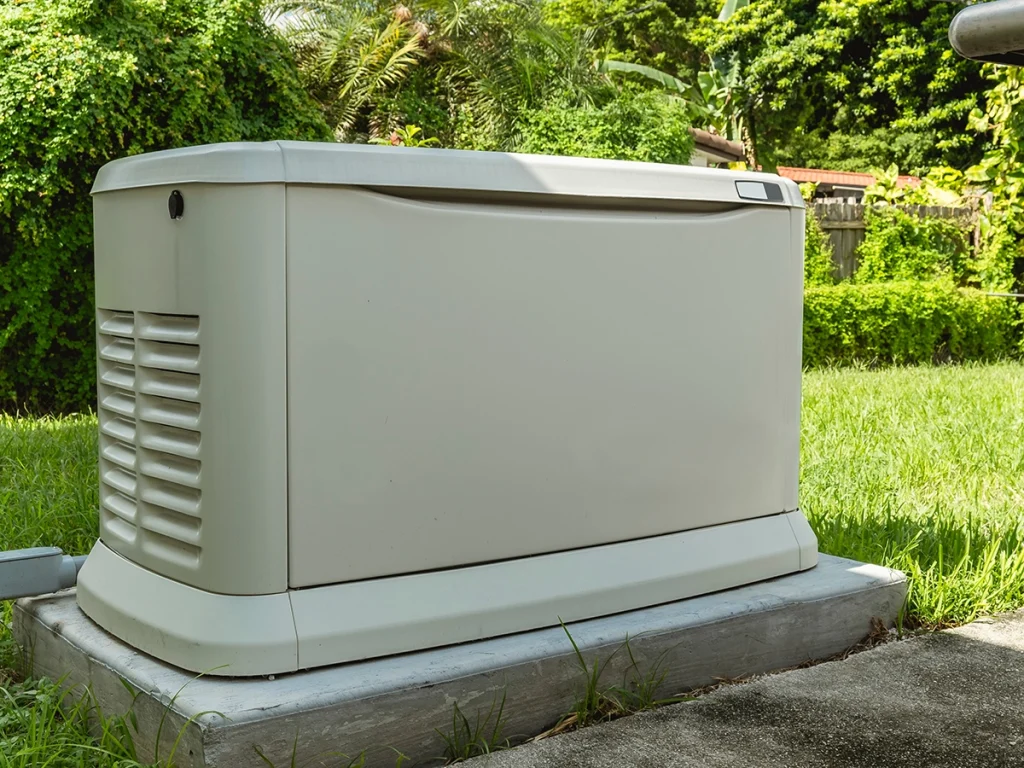
A Briggs & Stratton standby generator is a permanently installed power source that can respond when utility power fails. Unlike a portable generator that must be moved, started, and connected manually, a standby system works with transfer equipment that separates the property from the utility supply before generator power is used. That separation is a central safety requirement, not an optional add-on.
The generator, transfer switch, electrical panel, fuel source, and protected circuits operate as one system. During an outage, properly designed transfer equipment moves the designated load from utility power to generator power. Once utility service returns and the system confirms stable power, the transfer equipment returns the load to normal service and the generator can complete its shutdown cycle.
Essential-load coverage versus whole-home coverage
The first major decision is whether to back up a limited group of important circuits or to plan for broader household coverage. Essential-load designs commonly prioritize items such as refrigeration, lighting, selected receptacles, a sump pump, garage-door operation, and heating or cooling controls. Whole-home approaches may offer more flexibility, but the generator and electrical design must be sized for the realistic demand.
Neither option is automatically better. A focused plan can control equipment size and concentrate power where it is most valuable, while a more comprehensive plan may reduce the need to decide which circuits stay on during an outage. Large electric appliances, air conditioning, electric heat, well pumps, and other motor-driven loads deserve particular attention because starting demand can differ from ordinary running demand.
Why a transfer switch matters
A transfer switch or equivalent listed transfer equipment manages the change between utility and generator power. It helps prevent generator electricity from feeding back onto utility lines, a dangerous condition often called backfeeding. It also provides the organized connection needed for an automatic standby system to serve the intended panel or circuits.
Do not assume a generator can safely power a building by using an extension cord or an improvised panel connection. Portable-generator use and permanently installed generator systems are different arrangements with different equipment and operating practices. For an automatic Briggs & Stratton generator setup, the electrical connection and transfer method should be determined before equipment is selected.
Planning a Briggs & Stratton system for your property
Good planning starts with what the household actually needs during an outage, not with a guess based only on square footage. Executive Electric can be contacted to discuss a Briggs & Stratton generator installation and the electrical questions that affect system scope. A useful conversation identifies priority loads, panel arrangement, available installation space, and the type of fuel connection the generator will require.
Homes in Michigan can have very different electrical demands even when they appear similar from the street. One household may mainly need refrigeration, lighting, and a sump pump; another may need to account for a home office, security equipment, a finished basement, or a larger collection of electric appliances. Defining priorities is the most practical way to begin a generator decision.
Information to gather before requesting service
Bringing a few details to an initial discussion makes the evaluation more productive. You do not need to calculate every electrical value yourself, but knowing how the home operates during a typical day and during severe weather can clarify what should remain available. If possible, note equipment that cannot reasonably be without power for several hours.
- Which appliances, systems, and rooms are most important during an outage.
- Whether the property uses natural gas, propane, or another fuel arrangement that needs separate coordination.
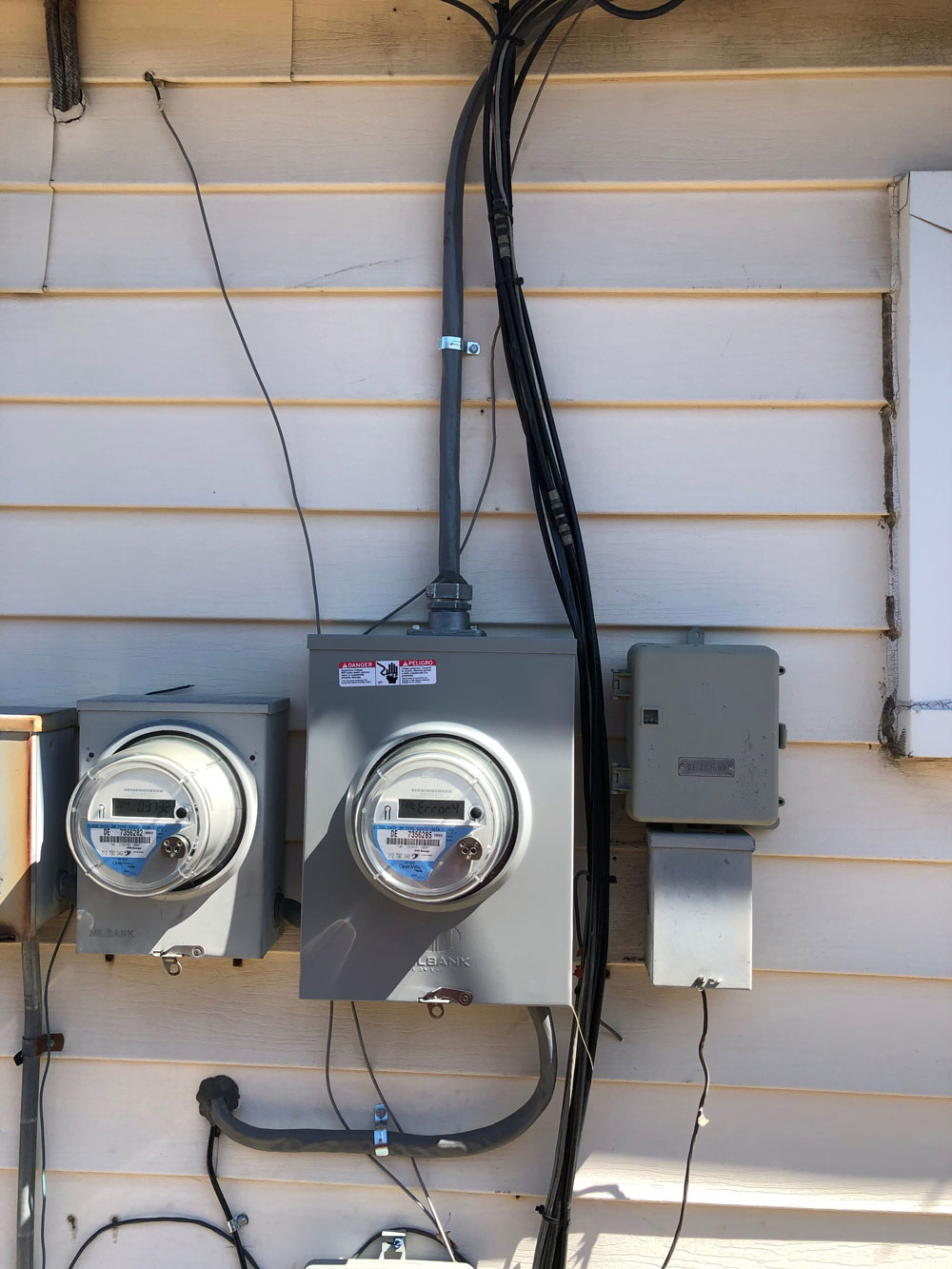
- The location and condition of the main electrical panel and any subpanels.
- Large electrical loads, including air conditioning, electric cooking, electric heat, pumps, or workshop equipment.
- Preferred generator placement considerations, while allowing for required clearances and site conditions.
- Whether a previous portable generator arrangement revealed limitations or safety concerns.
This information supports a more useful recommendation than selecting a unit solely by its advertised output. Generator capacity, transfer equipment, circuit selection, wire sizing, overcurrent protection, grounding and bonding considerations, and local approval requirements all need to work together. Fuel supply and placement are also part of the project, even though they may involve coordination beyond the electrical portion of the work.
What the installation experience commonly involves
A permanent generator project usually moves through assessment, design decisions, installation, and final system orientation. The exact sequence depends on the property, the equipment chosen, and applicable local requirements. Knowing the typical stages helps Sterling Heights, MI homeowners ask focused questions and prepare for decisions before work begins.
- Discuss outage priorities. Identify the loads that should be available and distinguish must-have circuits from convenience loads.
- Review the electrical system. Consider the main panel, subpanels, proposed transfer equipment, routing needs, and the connection between the generator and the building.
- Coordinate the overall scope. Confirm equipment choices, placement factors, fuel-source planning, permits or inspections when applicable, and responsibilities among involved parties.
- Install and connect the system. The generator and electrical equipment are installed according to the approved plan, with attention to safe connections and required clearances.
- Test operation and explain the system. After installation and required approvals, the owner should understand normal operation, basic status indicators, maintenance responsibilities, and what to do if an alert appears.
Site preparation should not be treated as an afterthought. A standby generator needs an appropriate location that considers manufacturer guidance, clearance requirements, service access, exhaust, noise expectations, and the route for electrical and fuel connections. The installation team can address electrical scope, while homeowners may need to coordinate separately for fuel, concrete or mounting preparation, landscaping changes, or other property work when those items are outside the electrical installation.
Choosing between standby power and other outage options
A permanently installed Briggs & Stratton generator system is a strong fit for people who want automatic outage response and a fixed connection to selected household systems. It is not the only option. Comparing the alternatives honestly can help a homeowner invest in the arrangement that suits how often outages occur, what must stay powered, and how much manual involvement is acceptable.
- Portable generator: Often lower in initial equipment cost, but typically requires fuel handling, manual setup, weather-aware operation, and safe cord or inlet arrangements. It may be suitable for limited, temporary loads.
- Standby generator: Permanently installed with transfer equipment and commonly designed for automatic operation. It can support a more organized outage plan, though it requires a larger up-front project and ongoing maintenance.
- Battery backup: Can be useful for selected electronic loads and short-duration needs. Capacity, recharge conditions, and the loads connected determine whether it can address larger household demands.
There is also a meaningful distinction between buying a generator and having a complete backup-power system. The generator itself is only one component. A well-considered project accounts for the electrical distribution equipment, fuel planning, site conditions, startup loads, access for future service, and the homeowner’s expectations during an outage.
Questions that help you select the right provider and scope
Before authorizing a project, ask how the proposed generator size relates to your priority loads, what transfer equipment is included, and which circuits or portions of the home will receive backup power. Ask how placement and electrical routing will be handled, what approvals may apply, and which work requires coordination with other trades. Clear answers help make the scope understandable before installation begins.
It is also reasonable to ask what the owner should do to keep the system ready after installation. Standby generators need periodic exercise and maintenance according to the manufacturer guidance, and the fuel supply must remain available. A system that has not been maintained may not perform as expected during the outage it was purchased to address.
Executive Electric is a relevant contact for Sterling Heights, MI residents who want to begin with the electrical realities of a Briggs & Stratton standby generator rather than a vague equipment estimate. The company is located at 20504 Hall Rd, Clinton Township, MI 48038, and can help start the conversation around property needs, protected loads, and installation planning. That straightforward approach gives homeowners a better basis for deciding whether a permanent generator system is appropriate.
Frequently asked questions about backup generator installation
How does a Briggs & Stratton standby generator work during a power outage?
A standby generator detects a utility outage through its connected transfer equipment, starts automatically, and transfers designated electrical loads to generator power once operating conditions are met. When utility power returns and stabilizes, the system transfers those loads back and the generator shuts down through its normal sequence.
Do I need to power my entire house with a standby generator?
No. Many homeowners choose essential-load backup for the systems and appliances that matter most, such as refrigeration, lights, selected outlets, sump pumps, and heating controls. Whole-home coverage is another option, but generator sizing and electrical design should reflect actual household demand and major appliance loads.
Can a portable generator use the same connection as an automatic standby unit?
Not necessarily. Portable and standby generators use different equipment and operating approaches. An automatic standby system relies on compatible permanently installed generator and transfer equipment. A safe portable setup also needs an appropriate transfer method or inlet arrangement, rather than an improvised connection to the electrical panel.
Where is Executive Electric located for Sterling Heights customers?
Executive Electric is located at 20504 Hall Rd, Clinton Township, MI 48038. The company does not claim an office in Sterling Heights; contact Executive Electric to discuss whether its Briggs & Stratton generator installation services are suitable for your Michigan property and project needs.
Start with a practical backup-power conversation
Outages are easier to manage when the backup-power plan is based on real priorities, not assumptions. If you are considering a Briggs & Stratton generator for a home in or around Sterling Heights, MI, contact Executive Electric to discuss the electrical side of the project, the loads you want protected, and the next planning steps. Reach Executive Electric at its Clinton Township location, 20504 Hall Rd, Clinton Township, MI 48038, through the contact page.