Home Generator Installation St. Clair Shores, MI
When an outage interrupts lighting, refrigeration, internet access, heating or cooling equipment, and essential household routines, a permanently installed generator can provide a more dependable plan than extension cords and portable equipment. Executive Electric provides a practical point of contact for homeowners considering Home Generator Installation in St. Clair Shores, MI, with the company location listed at 20504 Hall Rd, Clinton Township, MI 48038. A properly planned system is designed around the circuits, appliances, and comfort needs that matter most to your household.
Generator planning is not simply a matter of selecting a unit by appearance or assuming that larger is always better. The right approach considers electrical demand, fuel availability, the desired level of coverage, transfer equipment, placement, and the existing electrical system. Executive Electric can help you begin the conversation with the questions that turn a power concern into a clear installation plan.
What a permanent generator system does for your home
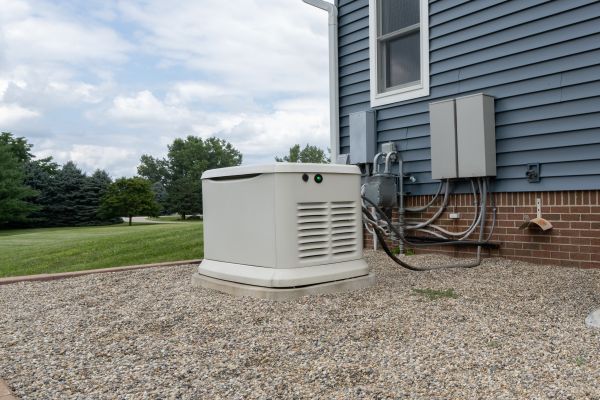
A home generator system supplies electricity through safely installed switching equipment when utility power is unavailable. Depending on the design, it may support selected essential circuits or a broader portion of the home. The goal is not merely to make power, but to restore power in a controlled way that protects the home electrical system and makes outage response easier for the people living there.
For households that rely on refrigerated food, well-planned lighting, connected devices, sump equipment, security systems, garage access, or climate-control equipment, outage preparation can bring meaningful peace of mind. A permanent system can start automatically when configured with an automatic transfer switch, rather than requiring someone to set up and refuel a portable generator in poor conditions. The actual equipment and coverage should always be matched to the home and its priorities.
- Keep priority lighting, refrigerators, communications, and selected receptacles available.
- Support chosen heating, cooling, water-management, or security equipment when the system capacity allows.
- Reduce the need to run temporary cords through doors, windows, or living spaces.
- Provide a structured electrical backup plan for planned and unexpected utility interruptions.
Whole-home coverage and essential-load coverage are different choices
Whole house generator installation is generally intended to support most or all of a residence, subject to the system design and the loads being used at one time. It can be a sensible option for homeowners who want fewer decisions during an outage, but it often requires a careful load calculation and a system sized for more demanding appliances. An essential-load design, by comparison, focuses capacity on selected circuits and can be appropriate when the goal is to protect the functions that matter most.
The best choice depends on how your household uses electricity. Central air conditioning, electric heat, pumps, cooking appliances, EV charging, and other high-demand loads can significantly affect generator sizing. Discussing what must remain on, what can stay off, and what may run at the same time gives an installer a more useful starting point than choosing equipment based on square footage alone.
Automatic operation depends on transfer equipment
Standby generator installation typically pairs a permanently placed generator with a transfer switch that separates the home from the utility supply during an outage. This isolation is an important safety function because generator power must not feed back onto utility lines. Once utility power returns, the transfer equipment is designed to transition the home back to normal service according to the system configuration.
An automatic transfer switch can make a standby arrangement especially helpful for people who may be away from home, asleep, or unable to safely manage a portable unit when an outage begins. It also creates a defined path for the generator to serve the electrical panel rather than relying on improvised connections. The transfer switch, panel arrangement, and circuits to be supported should be evaluated as part of the complete installation, not as afterthoughts.
How Home Generator Installation is planned
Thoughtful Home Generator Installation starts with understanding the home, the available fuel source, and the desired level of backup power. A professional installation is a coordinated electrical project, not a plug-in appliance purchase. Early planning helps identify practical constraints before equipment is selected and work begins.
- Identify outage priorities. List the appliances, systems, and circuits your household wants available, then separate must-have loads from nice-to-have loads.
- Review electrical demand. Consider running watts, starting loads, and which major appliances could operate at the same time during an outage.
- Assess placement and fuel. The proposed location needs to account for manufacturer guidance, utility considerations, access, ventilation, and applicable local requirements.
- Plan the electrical connection. The generator, transfer switch, service equipment, and selected circuits must work together in a safe, code-conscious design.
- Understand operation and upkeep. Homeowners should know how the system exercises, what warning indicators mean, and what maintenance the manufacturer calls for.
Site conditions vary from one property to another, which is why an on-site assessment is valuable before making assumptions about capacity, placement, or scope. Ask how the proposed design will handle high-demand equipment and whether load management is relevant to your goals. Clear answers can help prevent disappointment when an outage occurs and several appliances are running.
Fuel choice and natural gas connections
Natural gas generator installation can appeal to homeowners who want a permanently connected fuel source rather than the recurring task of storing and refilling gasoline. Natural gas availability, meter capacity, fuel-line sizing, and coordination with the appropriate utility or qualified trade professionals are important factors to review. Where natural gas is not the right fit or is unavailable, other approved fuel arrangements may be considered based on the property and equipment selected.
Fuel planning should be completed before purchase whenever possible. A generator cannot deliver its intended output if the fuel supply arrangement is inadequate for the selected equipment. Homeowners should also ask where fuel components will be located and what ongoing inspection or maintenance considerations apply to the chosen setup.
Choosing the backup approach that fits your household
A Home standby generator is a permanently installed unit intended to provide automatic or managed backup power through dedicated transfer equipment. Unlike a portable generator, it is not ordinarily moved into position each time the power fails. That distinction can be important for households seeking a solution that requires less hands-on response during a disruptive event.
Portable generators can be useful for limited, temporary needs, but they involve fuel handling, outdoor placement, manual startup, weather exposure, and safe cord or inlet connections. A permanent standby system generally involves a larger up-front project and more planning, yet it can offer a more integrated response for homeowners who want selected systems ready to operate. Neither option is universally right, so the decision should reflect the household’s risk tolerance, budget, electrical needs, and willingness to manage equipment during an outage.
Backup generator installation is most useful when it is designed around real outage priorities rather than an assumed one-size-fits-all package. For example, a household may prioritize a refrigerator, lighting, communications, a sump pump, and a few comfort circuits, while another may need capacity planning for more extensive loads. A clear priority list helps guide sizing and avoids paying for capacity that does not align with how the home will be used.
Residential generator services should address the electrical components that make backup power workable, including the generator connection, transfer equipment, load considerations, and homeowner understanding of system operation. Before selecting a provider, ask what information is needed for an assessment, how the scope will be explained, and what responsibilities remain with the homeowner after installation. It is also reasonable to ask about manufacturer-recommended maintenance and how to recognize when service attention is needed.
Build a layered plan, not just a generator purchase
Home electrical backup solutions can include more than the generator itself. Circuit selection, transfer switching, surge protection considerations, battery-powered devices for short interruptions, and a household outage plan can all contribute to readiness. A layered approach helps homeowners decide what needs generator power immediately and what can be handled by other means.
Power outage backup solutions are most effective when every household member understands the basic plan. Keep essential contact information accessible, know which appliances should remain off during a limited-load event, and review the generator’s operating guidance. Preparedness also means avoiding unsafe indoor generator use and never treating temporary power connections as a substitute for properly installed transfer equipment.
Why a consultation is worth scheduling before an outage
Homeowners in St. Clair Shores and elsewhere in Michigan can benefit from planning before severe weather or a utility interruption creates urgency. A consultation allows time to discuss coverage goals, the home’s electrical layout, fuel questions, equipment placement, and the practical difference between essential-load and whole-home approaches. It also gives you a chance to compare the tradeoffs of automatic backup with a manually operated portable alternative.
Executive Electric is located at 20504 Hall Rd, Clinton Township, MI 48038. That location information provides a clear point of contact for homeowners researching a generator project in the region without suggesting that Executive Electric has an office in St. Clair Shores. Contacting the company is an appropriate next step when you want to move from general research to a conversation about your property’s electrical backup needs.
Reliable backup begins with a plan that matches the way your home actually uses power. Bring a list of critical appliances, recent concerns about outages, and any questions about fuel or automatic transfer switching to the discussion. Those details can make the planning conversation more productive and help clarify the path toward a permanent generator system.
Common questions about generator projects
How does a home generator know when the power is out?
A standby system commonly uses an automatic transfer switch to detect loss of utility power, separate the home from the utility supply, and signal the generator to start. After the generator stabilizes, the switch transfers approved loads to generator power. When utility service returns, the system transfers back according to its configuration.
Can one generator run every appliance in my home?
It depends on generator capacity, the electrical demand of the appliances, and which loads operate at the same time. High-demand equipment can require significant capacity. A load review helps determine whether whole-home coverage, selected circuits, or load management is the more realistic design for your household.
Is a permanent generator safer than connecting a portable generator with extension cords?
A professionally planned permanent system uses dedicated transfer equipment to isolate generator power from utility lines and connect the home in a controlled manner. Portable generators can serve limited needs when used correctly outdoors, but they require careful fuel handling, placement, and connection practices every time they are used.
Does Executive Electric have a location in St. Clair Shores, Michigan?
The supplied company location for Executive Electric is 20504 Hall Rd, Clinton Township, MI 48038. Homeowners seeking generator information for St. Clair Shores can contact Executive Electric to discuss their project needs and determine the appropriate next steps.
Ready to discuss backup power for your property? Contact Executive Electric to start a conversation about Home Generator Installation for your St. Clair Shores home and to request guidance from the company’s Clinton Township, MI location at 20504 Hall Rd, Clinton Township, MI 48038.