Generator wiring services St. Clair Shores, MI
When an outage interrupts lights, refrigeration, heat, internet access, or essential equipment, a generator is only as useful as the connection that safely delivers power where it is needed. Executive Electric provides a practical point of contact for homeowners and property owners seeking generator wiring services in St. Clair Shores, MI, with its listed location at 20504 Hall Rd, Clinton Township, MI 48038. The goal is not simply to connect a generator, but to plan a power connection that fits the electrical system, the generator type, and the circuits that matter most.
Thoughtful generator electrical work helps reduce uncertainty during a power interruption. A properly planned setup can make it easier to move from normal utility power to generator power while helping avoid unsafe practices such as improvised cords, overloaded circuits, or connections that could feed electricity back toward utility lines. Before choosing an approach, it helps to understand the differences between portable and permanently installed equipment, how transfer equipment works, and which loads deserve priority.
Start with the power you need during an outage
Generator wiring should begin with an honest inventory of what the property needs to operate when utility power is unavailable. Most properties do not need every circuit energized at once, and selecting essential loads can make a generator plan more manageable. Executive Electric can be contacted to discuss the electrical side of a proposed generator arrangement and the information needed to evaluate a connection.
Identify essential circuits before choosing the connection
Essential circuits vary by household and building use. A refrigeration circuit, selected lighting, internet equipment, a sump pump, furnace controls, medical-support equipment, or a garage door opener may be more important than powering an entire panel. Listing those priorities gives an electrician and generator supplier a clearer basis for considering capacity, circuit arrangement, and transfer options.
- Decide which rooms, appliances, and systems are necessary during a typical outage.
- Note equipment with motor-starting demand, such as pumps, refrigerators, and certain heating or cooling components.
- Consider whether selected 120-volt circuits are enough or whether the property needs 240-volt equipment supported.
- Account for fuel, placement, ventilation, and the manufacturer’s operating instructions in addition to electrical needs.
Load planning is a safety and usability issue, not just a convenience choice. A generator may have adequate running capacity for several items but still struggle when multiple motors start at the same time. Clear priorities help avoid expecting a backup source to run more equipment than its rating and connection arrangement can support.
Why transfer equipment matters
A transfer switch or listed interlock arrangement is central to a safe generator connection because it controls how power is supplied to selected circuits or the electrical panel. It is designed to prevent the generator and normal utility supply from being connected in an unsafe manner at the same time. The appropriate equipment depends on the generator, electrical panel, intended loads, and the installation conditions.
Using a generator through extension cords may be reasonable for a few limited, cord-connected items, but it is different from supplying hardwired circuits. A dedicated inlet and transfer method can provide a more orderly way to power prioritized loads, reduce cords through doors or walkways, and give the operator a defined process for switching sources. It is not appropriate to use a household outlet to energize a building panel, a hazardous practice often called backfeeding.
Generator connection options for Michigan properties
Generator wiring services can support different backup-power goals, from a compact portable unit used for selected circuits to a permanently installed standby system designed for broader coverage. The right option is based on the equipment selected, the electrical demand, and how much manual operation the owner is comfortable with during an outage. A conversation before purchase can prevent mismatches between the generator, inlet configuration, transfer equipment, and panel capacity.
Portable units and standby systems solve different problems
Portable generator wiring is often considered by owners who want a flexible backup source that can be stored when not in use and connected when an outage occurs. A planned portable-generator connection commonly involves a compatible outdoor inlet, appropriate transfer equipment, and carefully selected circuits, rather than attempting to power every electrical load. The generator must always operate outdoors in a location consistent with manufacturer safety guidance, never in a garage, basement, or enclosed space.
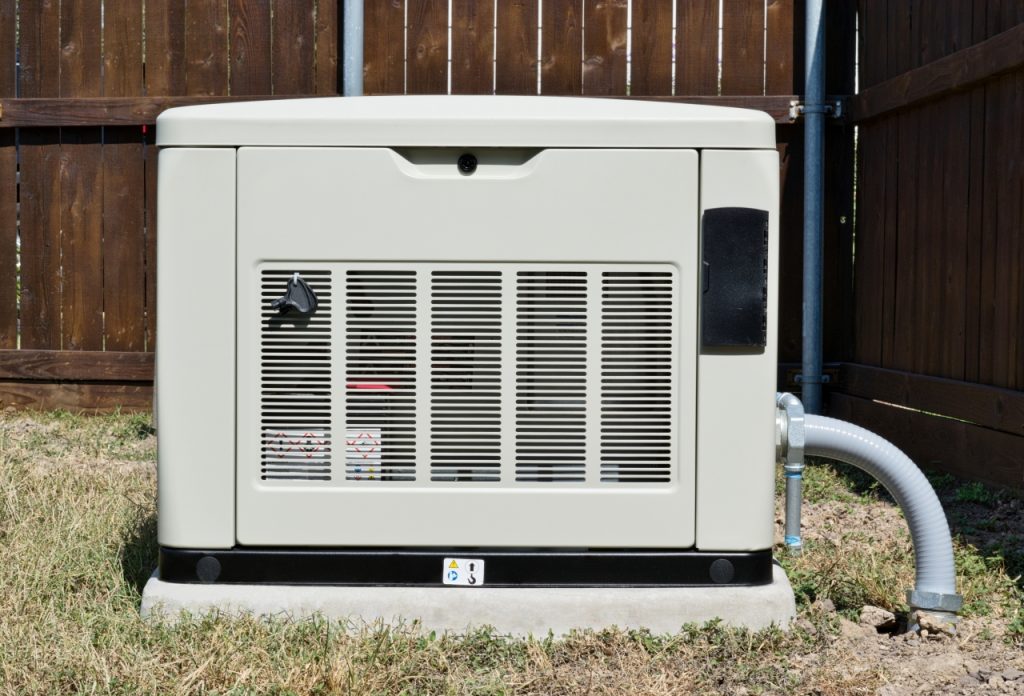
A standby generator is a separate equipment choice that is permanently located outdoors and connected to an approved fuel source and electrical transfer equipment. It may offer more automation and potentially support more loads, but it also requires planning across generator capacity, fuel supply, placement, and the electrical installation. Neither option is universally better: portable equipment may suit occasional, limited backup needs, while a standby system may be considered when automatic or wider backup coverage is a priority.
For properties in Michigan, weather-related outages can make preparation especially valuable, but the electrical design should remain specific to the actual property. The size of the service, condition and layout of the panel, available spaces for breakers, generator output, and chosen circuits all affect the work. A site-specific review is more useful than assuming that one connection style fits every house or small commercial property.
What to expect from a generator wiring project
A well-defined project typically moves from load discussion and equipment review to installation planning, connection work, and an explanation of operating steps. The exact scope depends on the existing electrical system and whether the generator has already been selected. Asking clear questions early helps establish what is included in the electrical portion and what other work may need separate coordination.
- Discuss goals and equipment. Share the generator model, output information, desired circuits, and whether the system is portable or standby.
- Review the electrical arrangement. The panel, service configuration, available circuit capacity, and proposed inlet or transfer equipment must be considered together.
- Plan the connection method. The arrangement should provide a controlled separation between normal power and generator power.
- Complete the installation scope. Electrical components are installed and connected according to the project requirements and applicable local requirements.
- Learn the operating sequence. The owner should understand how to connect or start the generator, transfer power, manage loads, and return to utility service.
After installation, keep the generator instructions, electrical operating guidance, and any relevant component information accessible. Periodic generator maintenance, fuel management, and safe testing remain important owner responsibilities. Electrical wiring does not eliminate the need to operate the generator correctly, monitor the loads being used, and follow all manufacturer directions.
Questions worth asking before work begins
Before selecting a provider or finalizing equipment, ask how the proposed connection isolates generator power from utility power, which circuits are intended to receive backup power, and whether the generator output matches the plan. It is also useful to ask what information is needed from the generator nameplate, whether transfer equipment is included in the electrical scope, and what operating steps the owner will need to perform. These questions focus the conversation on safety, compatibility, and real-world use instead of on a generic generator setup.
Executive Electric’s listed Clinton Township address gives St. Clair Shores customers a defined business contact for discussing generator electrical needs: 20504 Hall Rd, Clinton Township, MI 48038. Contacting the company with photos or details of the electrical panel, generator specifications, and a list of priority loads can make the initial conversation more productive. The company should be able to clarify the next appropriate step based on the project details rather than relying on assumptions about the property.
Choose a connection plan that supports safe backup power
The value of generator wiring is greater than having an outlet or a cable connection available. A considered system can support a more organized response to an outage, protect selected circuits from improvised connections, and help the owner use backup power within the generator’s intended limits. For many property owners, that clarity is the difference between owning a generator and having a workable backup-power plan.
Professional electrical help is appropriate whenever the project involves a panel connection, transfer switch, interlock, generator inlet, hardwired circuits, or uncertainty about capacity. These components affect the building’s electrical distribution and should not be treated as a do-it-yourself shortcut. If the generator has not been purchased, starting the discussion before buying can help align the unit’s output and receptacles with the intended electrical connection.
Common questions about generator connections
Can a portable generator power a home’s electrical panel?
A portable generator can be connected to selected building circuits through a properly planned generator inlet and transfer method. It should not be connected by backfeeding through a receptacle. The generator’s output, the panel arrangement, transfer equipment, and intended loads must be compatible for the setup to be used safely.
Do I need a transfer switch for generator wiring?
Transfer equipment is used to separate generator power from utility power and provide a controlled source changeover. The specific approach may vary with the property and generator, but a safe plan must prevent simultaneous connection to normal utility supply. An electrician can review the panel and generator details to determine the appropriate arrangement.
What information should I have ready when I contact Executive Electric?
Have the generator make and model, output rating, receptacle details, a list of circuits or equipment you want to support, and any photos or information available for the electrical panel. Also explain whether the generator is already installed or is still being selected. These details help frame an informed discussion about the potential scope.
Is a standby generator always the better choice?
No. A standby unit may be appropriate for automatic operation or broader backup coverage, while a portable generator can be a practical choice for limited essential loads and occasional use. The better option depends on budget, generator capacity, fuel considerations, desired convenience, and the electrical loads that need support during an outage.
Talk with Executive Electric about your backup-power plan
If you are comparing transfer options, preparing to purchase a generator, or replacing an improvised cord-based approach, Executive Electric can be your next contact for generator wiring services St. Clair Shores, MI property owners can discuss in detail. Share your priority circuits and generator information so the conversation can focus on a safe, practical electrical connection. Contact Executive Electric through the online form to get started, or use the listed company location at 20504 Hall Rd, Clinton Township, MI 48038 as your reference when reaching out.