Generator repair services St. Clair Shores, MI
When a standby or portable generator will not start, runs unevenly, trips a breaker, or fails to transfer power as expected, prompt diagnosis matters. Executive Electric provides a practical point of contact for homeowners and property decision-makers seeking Generator repair services in St. Clair Shores, MI. The company is located at 20504 Hall Rd, Clinton Township, MI 48038, and serves customers looking for clear next steps when backup power equipment needs attention.
A generator problem is not always a generator-only problem. The issue may involve the engine, fuel supply, battery and charger, control panel, wiring, transfer equipment, or a protective setting. A professional evaluation helps identify the failed component and the condition that caused it, so the repair can focus on restoring dependable backup-power operation rather than masking a symptom.
Get to the source of a generator problem before the next outage
Generator repair begins with safe, systematic troubleshooting. Because a generator connects mechanical, fuel, and electrical systems, guessing at a fix can leave a unit unable to perform when utility power is interrupted. Executive Electric can help St. Clair Shores customers start the repair conversation with the symptoms, equipment details, and service history that make assessment more efficient.
Common warning signs deserve attention even when the unit still runs. A brief monthly exercise cycle does not necessarily prove that the generator can carry household loads, communicate with its transfer equipment, or operate through a longer outage. Addressing irregular behavior early can help avoid a more disruptive no-start condition later.
- The generator does not crank, cranks slowly, or starts and then shuts down.
- Warning lights, fault codes, alarms, or an unresponsive controller appear.
- The unit runs but does not produce stable power or does not transfer power to selected circuits.
- There are unusual noises, vibration, exhaust concerns, fuel odors, visible leaks, or repeated breaker trips.
- The generator has not been exercised, inspected, or tested under meaningful load for an extended period.
Why a no-start condition needs more than a quick reset
A no-start event can stem from a discharged battery, charger issue, fuel problem, maintenance-related condition, sensor input, controller fault, or a safety shutdown. Resetting an alarm without understanding it may clear a message temporarily but does not confirm that the underlying condition is resolved. Generator troubleshooting should consider the equipment sequence from start command through stable operation and power transfer.
Before service, it is useful to note the generator brand and model, whether it is standby or portable equipment, the last time it operated normally, and any displayed code or message. Do not bypass safety devices, defeat interlocks, or open energized electrical components to force operation. Sharing accurate observations can help the service discussion begin with the most relevant possibilities.
Repair, maintenance, or replacement: how to think through the options
The right path depends on the nature of the fault, the condition of the unit, the availability of appropriate parts, and whether the system still fits the property’s backup-power needs. A maintenance-related issue, such as a weak battery or neglected service item, may be addressed differently from a damaged control component or an equipment capacity concern. An inspection gives the owner information to compare repair work with longer-term planning without assuming that every issue requires replacement.
Ask a provider to explain what was observed, what component or condition is suspected, what testing supports the diagnosis, and what work is recommended. It is also reasonable to ask whether the transfer switch, selected circuits, and load expectations should be reviewed as part of the decision. These questions support an informed choice and help ensure the backup system is evaluated as a connected system, not as an isolated engine.
A clear service process for backup-power equipment
Good generator service follows a sequence: understand the reported failure, inspect the system safely, test relevant functions, identify the likely cause, and discuss an appropriate repair plan. This structure is valuable for St. Clair Shores, Michigan property owners because it separates a visible symptom from the electrical and mechanical conditions behind it. It also creates a useful record of what the generator did, what was checked, and what should be monitored after service.
- Describe the problem. Report whether the issue occurred during an outage, an automatic exercise cycle, a manual start, or normal operation, along with any alarms or changes in performance.
- Review safe access and equipment information. Have the unit model, fuel type, installation details, and prior maintenance records available if possible.
- Inspect and test. A qualified service approach may consider starting components, controls, output, protective devices, connections, and transfer-related operation as applicable.
- Discuss findings and next steps. The owner can review the recommended repair, any maintenance needs, and testing that may be appropriate after the work is completed.
- Plan future checks. Regular exercise, inspection, and documented testing help reveal developing issues before an outage creates urgency.
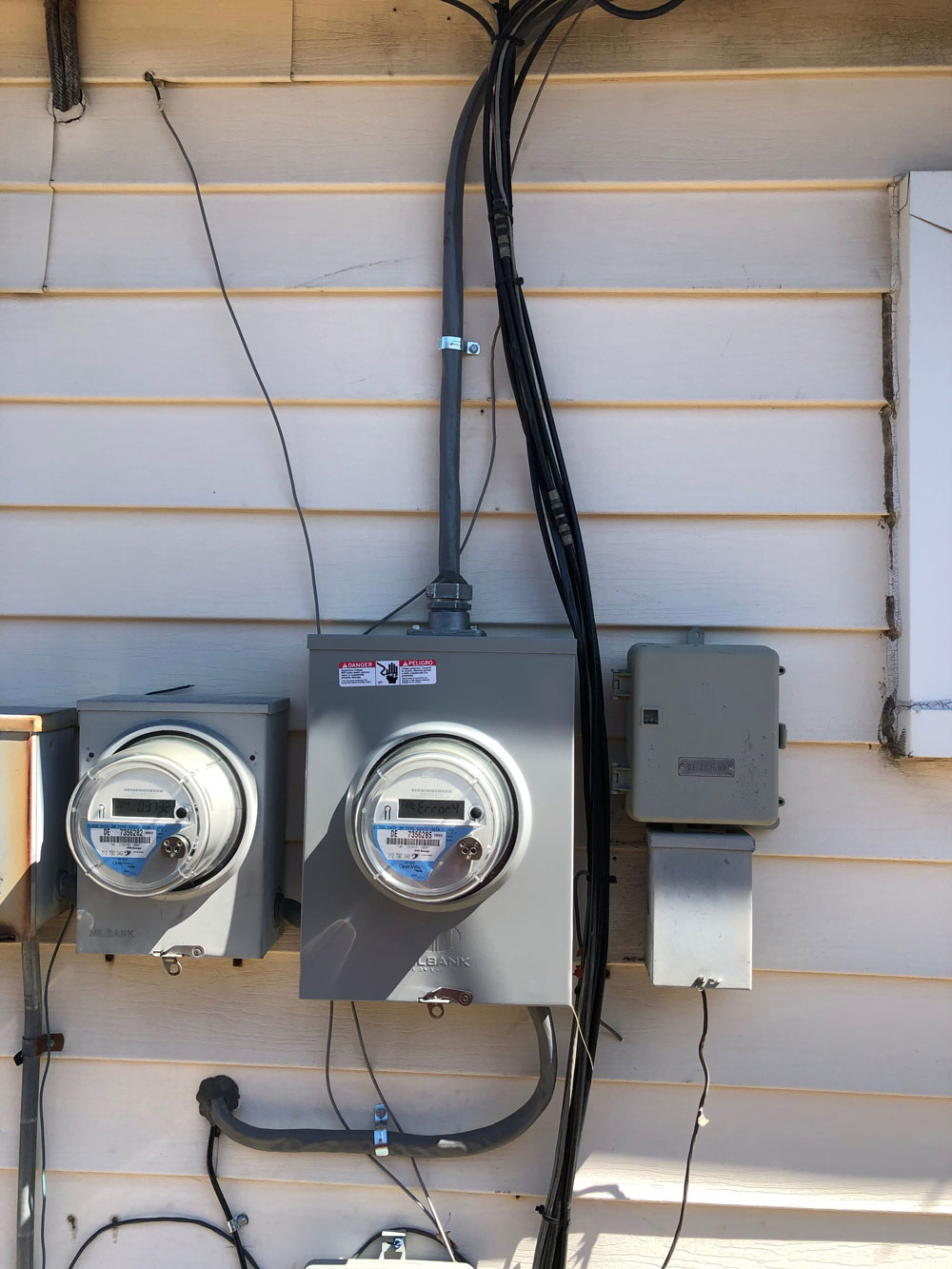
For a standby system, the automatic transfer switch is a central part of the backup-power experience. The generator may be capable of running while a transfer or control issue prevents power from reaching the intended circuits. Conversely, an electrical output concern can look like a transfer failure. Looking at the complete sequence, utility interruption, start signal, generator operation, output, and transfer, provides a more useful basis for repair decisions.
Maintenance and load testing protect readiness
Searching for Generator maintenance near me often reflects a smart shift from reacting to a failure toward protecting equipment readiness. Scheduled attention can include reviewing fluids and filters where applicable, battery condition, visible connections, exercise performance, alarms, and general equipment condition. Maintenance does not guarantee that a generator will never fail, but it can reveal wear, contamination, charging concerns, and other conditions before they become a no-power event.
Generator load testing is different from simply confirming that an engine starts. Load testing evaluates how the equipment performs while supporting electrical demand, which can help expose output instability, overheating, overload concerns, or transfer-related issues that a no-load exercise may not reveal. The appropriate test method and load level depend on the equipment and installation, so testing should be planned with safety and the system’s intended use in mind.
Routine care is especially relevant for property owners who rely on a generator for refrigeration, sump equipment, communications, heating-related equipment, security devices, or selected essential circuits. The goal is not to promise uninterrupted power under every circumstance. The goal is to understand whether the backup system can start, produce appropriate power, and support the loads it was designed to serve.
When an urgent generator issue should be addressed
Emergency generator services are relevant when a backup-power failure creates an immediate concern during an outage or when generator behavior presents a potential safety issue. If there is smoke, sparking, active fuel leakage, a strong fuel odor, damaged wiring, or suspected carbon monoxide exposure, move people to safety as appropriate and contact emergency responders or the relevant utility when conditions warrant. Do not continue operating equipment that appears unsafe.
Not every urgent call involves an active outage. Repeated shutdowns, a failure to transfer power, persistent alarms, or unstable output should be addressed before the next interruption in utility service. A timely repair request can help a property owner document the concern, determine whether the generator should remain out of service pending inspection, and reduce uncertainty about what failed.
- Keep the area around the generator accessible and free from stored materials.
- Record fault codes, indicator lights, and the time the problem occurred.
- Note which circuits or equipment did not receive backup power.
- Do not operate a generator indoors or in enclosed spaces, and do not use damaged extension cords with portable units.
- Use a properly installed transfer arrangement rather than backfeeding power into a building electrical system.
Choose a provider based on the questions that matter
Choosing generator repair support is easier when the conversation covers both the immediate fault and the system’s role at the property. Executive Electric offers customers in the St. Clair Shores area a direct way to request contact regarding generator concerns from its Clinton Township, Michigan location at 20504 Hall Rd, Clinton Township, MI 48038. Clear information at the first contact helps align the service request with the equipment, symptoms, and backup-power priorities involved.
Before scheduling, consider whether you need help with a current failure, an inspection after an alarm, ongoing preventive care, or confirmation that a system can handle expected loads. A provider should be able to explain the scope of the visit and communicate findings in understandable terms. If the equipment is older or its demands have changed, ask whether system capacity, transfer equipment, and essential-load planning should be evaluated alongside the repair.
Reliable backup power starts with knowing the system’s actual condition. Rather than waiting until a storm or utility interruption reveals a hidden issue, arrange a conversation when warning signs first appear. Executive Electric can help you take the next step toward a more informed repair or maintenance decision for generator equipment serving St. Clair Shores, MI.
Questions about generator repair
What does generator repair service usually include?
Generator repair service typically starts with diagnosing the reported symptom, then checking relevant starting, fuel, control, electrical-output, and transfer-related components. The exact scope depends on the generator type, the fault indication, and how the equipment is installed. Recommended work should follow the findings rather than a one-size-fits-all assumption.
Should I call for service if my generator starts but does not power the house?
Yes. A generator that runs without supplying intended circuits may have an output, control, breaker, wiring, or transfer-switch-related issue. Because these systems involve energized electrical equipment and automatic operation, professional assessment is an appropriate next step instead of attempting to bypass protective devices or transfer equipment.
How often should a standby generator be checked?
Follow the generator manufacturer’s maintenance guidance and consider the unit’s age, fuel type, operating history, and importance to the property. Regular exercise alone is not a full condition assessment. Periodic inspection and appropriately planned load testing can provide a clearer picture of whether the system is prepared for an outage.
Is Executive Electric located in St. Clair Shores?
Executive Electric’s supplied location is 20504 Hall Rd, Clinton Township, MI 48038. The company provides a contact option for customers seeking generator repair services in St. Clair Shores, MI and surrounding service needs. Contact Executive Electric to discuss your generator, symptoms, and the appropriate next step.
Do not let a warning light, failed exercise cycle, or uncertain transfer operation remain an unanswered question. Contact Executive Electric to discuss generator repair needs, maintenance concerns, or testing questions. The company location is 20504 Hall Rd, Clinton Township, MI 48038, providing a clear contact point for customers seeking service related to St. Clair Shores and the wider Michigan region.