Generac generator installation St. Clair Shores, MI
Power outages can interrupt heating and cooling, refrigeration, medical equipment, internet access, sump pumps, and everyday routines. For property owners researching Generac generator installation in St. Clair Shores, MI, the goal is usually straightforward: create a safer, more dependable way to keep selected electrical systems operating when utility power is unavailable.
Executive Electric is located at 20504 Hall Rd, Clinton Township, MI 48038. Homeowners and businesses in the St. Clair Shores area can contact Executive Electric to discuss a standby generator project, the electrical considerations involved, and the information needed to plan a system that fits the property rather than relying on a one-size-fits-all solution.
What a permanently installed Generac generator can do
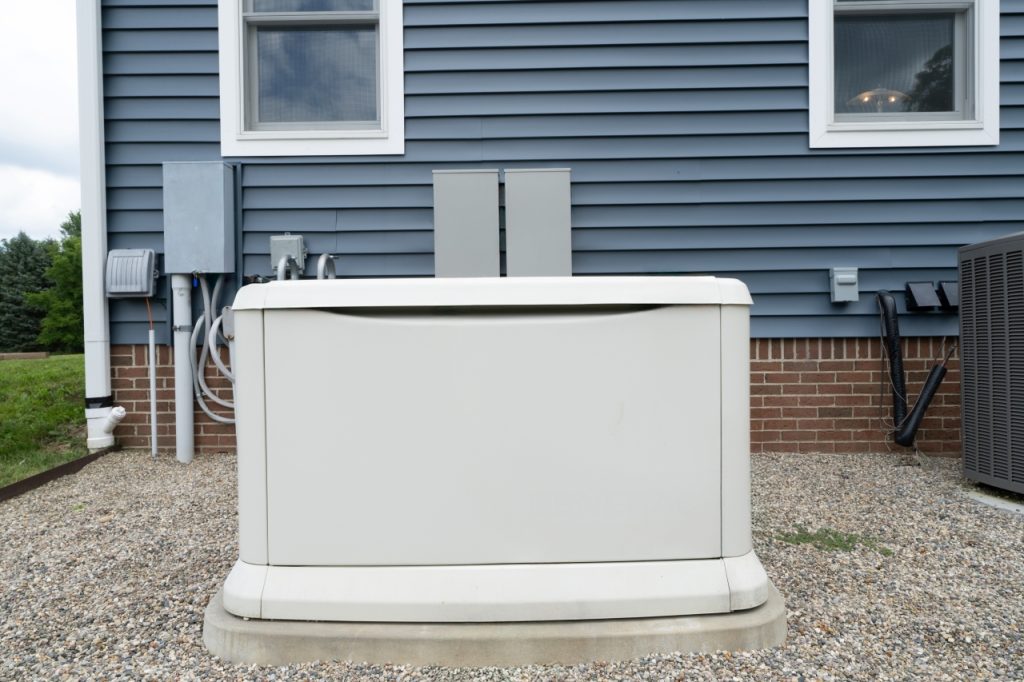
A Generac standby generator is a permanently installed backup power system that can start automatically after an outage when paired with the appropriate transfer equipment. Unlike a portable unit that must be moved, fueled, connected, and monitored during an emergency, a home standby generator is designed to recognize a loss of utility power and transfer the electrical load according to the system design.
The practical value is continuity. Depending on the generator size and electrical plan, backup power may support a limited group of priority circuits or a broader selection of household loads. The right approach depends on what matters most during an outage, the property’s existing electrical service, fuel availability, and realistic expectations about simultaneous appliance use.
Priority circuits versus broader home coverage
Choosing between essential-load backup and more extensive coverage is one of the most important decisions in a generator project. A priority-circuit plan may focus on refrigeration, lighting, a furnace blower, a sump pump, communication equipment, and a few receptacles. A larger design can potentially accommodate more systems, but it also requires thoughtful load calculations and may affect equipment, installation, and fuel-supply requirements.
- Essential-load planning helps direct generator capacity toward the systems a household considers most important.
- Broader coverage planning may be appropriate when more appliances, comfort systems, or electrical loads need continuity.
- Load management can help avoid asking the generator to serve too many high-demand appliances at the same time.
It is helpful to make a written list before discussing generator sizing. Include equipment that protects the property, systems needed for health or work, and appliances that make an extended outage manageable. Also distinguish between loads that must run immediately and loads that can remain off temporarily, since that distinction shapes a sensible backup-power strategy.
Planning Generac generator installation around the property
Successful Generac generator installation begins with an assessment of the electrical system, expected loads, generator placement, and fuel source. The installation is not simply placing equipment outdoors. It is an integrated electrical project that connects the generator, transfer equipment, service panel or selected circuits, controls, grounding considerations, and applicable permitting or inspection steps.
Why electrical load evaluation matters
Generator sizing should be based on anticipated electrical demand, not only the square footage of a home or a generator model name. Motors, compressors, electric heat, cooking equipment, well or sump pumps, and central air-conditioning systems can have substantial startup or operating requirements. A careful review helps prevent the disappointment of choosing equipment that cannot support the intended loads under real outage conditions.
A property’s utility configuration and fuel options matter as well. Standby generators commonly use a connected fuel source rather than portable gasoline containers, but the appropriate fuel arrangement is property-specific. Discuss the existing setup, anticipated outage duration, and any systems with high energy demand so the project can be evaluated as a complete power solution.
Placement, access, and the electrical connection
Generator placement should account for equipment clearances, ventilation, manufacturer guidance, local requirements, access for future service, and the route for electrical and fuel connections. The location also affects practical concerns such as drainage, snow accumulation, landscaping plans, and the ability to reach the unit without difficulty. Final placement should be determined through professional planning rather than selecting a spot solely because it appears convenient.
Electrical work is central to the reliability and safety of a standby system. The generator must work with the home’s electrical distribution in a controlled way so it does not energize utility lines during an outage. This is why transfer equipment and correctly planned connections are essential rather than optional add-ons.
Generator transfer switch installation creates the controlled handoff between normal utility power and generator power. The transfer switch isolates the building from the utility supply while backup power is active, then returns the system to normal operation when utility power is restored. The transfer equipment also influences whether a project serves selected circuits, a service entrance, or a managed set of loads.
What to expect from the generator project process
A clear installation process reduces surprises and gives the property owner a better basis for comparing options. Exact sequencing can vary with the property, equipment selection, permits, weather, fuel work, and inspection timing, but the core stages remain similar. Asking how each stage applies to a specific home is a practical way to prepare.
- Discuss outage priorities. Identify the circuits, appliances, and systems that should have backup power and which loads can be excluded.
- Review the site and electrical system. Consider panel capacity, service configuration, placement options, connection paths, and fuel arrangements.
- Select an appropriate system design. Align generator capacity and transfer equipment with the intended backup loads and operating expectations.
- Complete installation and required steps. Coordinate the electrical work and any applicable permitting, inspection, or fuel-related components.
- Test operation and understand ownership responsibilities. Confirm normal and outage-mode operation, then follow the manufacturer’s maintenance guidance for the installed equipment.
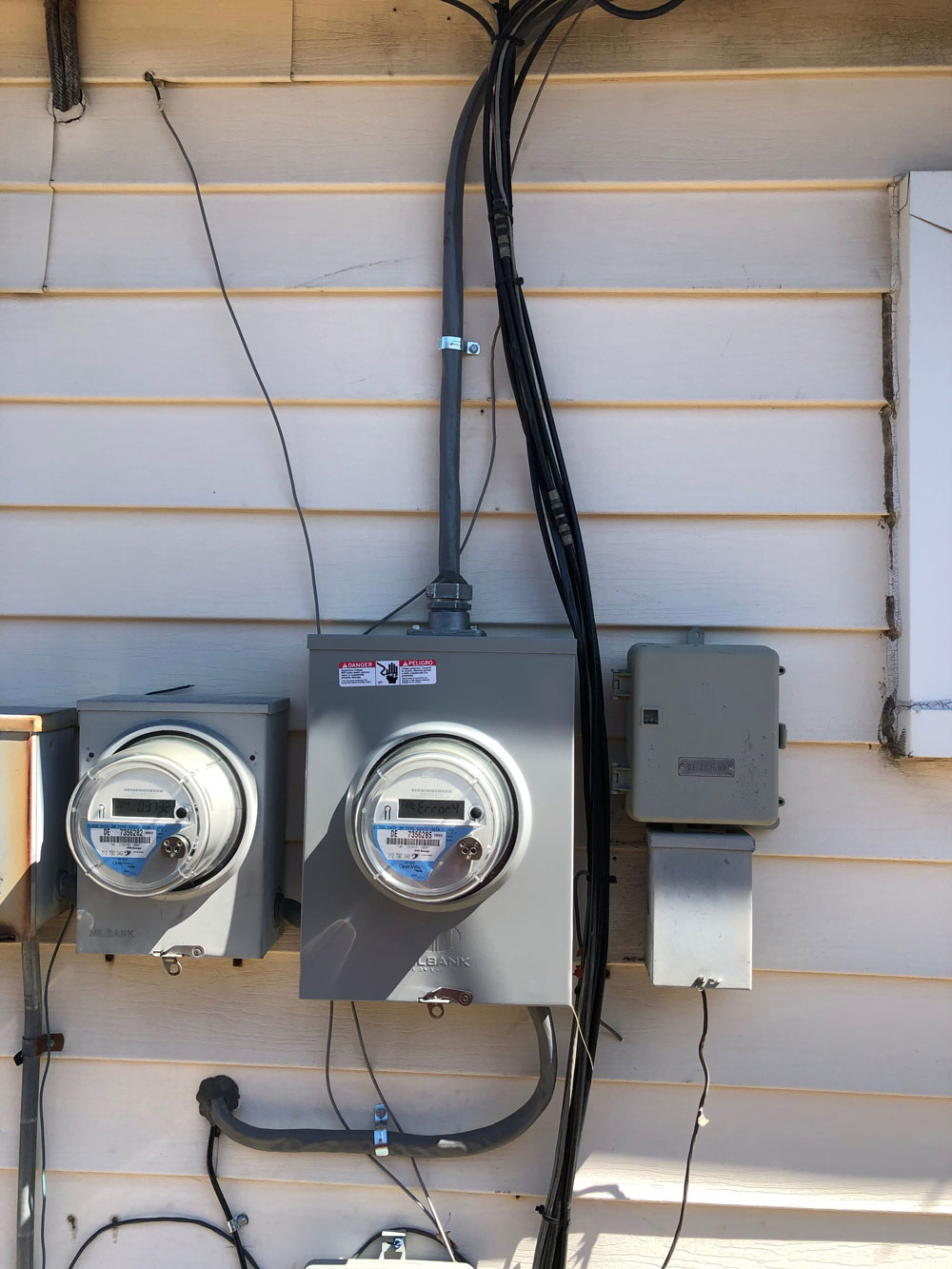
During the planning conversation, bring details that make the review more useful: a recent electric bill, a list of major appliances, photos of the electrical panel if available, and any known information about the fuel supply. These details do not replace an assessment, but they can help clarify the project’s scope early.
Installation is only part of long-term readiness
After installation, a standby generator needs ongoing attention to remain ready for an outage. Owners should understand how the unit exercises, what indicators or alerts to watch for, how to keep the area around the equipment accessible, and when to arrange manufacturer-recommended maintenance. Backup power is most valuable when it is prepared before the next interruption, not when the outage has already started.
It is also wise to set expectations about what automatic backup does and does not do. A generator does not eliminate every electrical decision during an outage, particularly if the system is designed around priority loads. Knowing which systems are covered, how load management works, and what operating conditions may affect performance makes the backup plan more practical for the household.
Questions to consider before selecting a provider
Property owners should compare proposed generator solutions by scope and fit, not just by the generator’s rated output. A lower-capacity system may be a good fit for essential circuits, while a larger system may better support broader needs. The useful comparison is whether the recommended equipment, transfer method, fuel plan, electrical work, and long-term maintenance expectations align with the property’s actual priorities.
- Which appliances and circuits will be supported during an outage?
- How were expected running and startup loads considered?
- What transfer equipment is proposed, and how will it interact with the electrical panel?
- Where will the generator be placed, and what access or clearance considerations apply?
- What owner maintenance tasks and professional service needs should be anticipated?
- Which permits, inspections, or utility and fuel coordination may be relevant to the project?
For some properties, a portable generator may remain a reasonable alternative for short-term, limited use. However, portable operation requires manual setup and safe connection practices, while a standby system is intended for automatic response and an integrated electrical transfer. A whole-home battery system is another backup-power option in some situations, though its capacity, recharge behavior, and fit for long outages differ from a fuel-supplied standby generator.
Executive Electric can be a useful contact point when you want to move from general research to a project-specific discussion. The company’s Clinton Township, Michigan location at 20504 Hall Rd, Clinton Township, MI 48038 provides a clear business address for customers considering electrical and standby-power planning for property needs in the region.
Backup power decisions for St. Clair Shores properties
Generac generator installation in St. Clair Shores, MI is most valuable when the design reflects how the property is actually used during an interruption. A household concerned about basement water management may prioritize a sump pump and refrigeration. Another household may place greater value on heating equipment, communications, home-office continuity, or carefully managed comfort loads.
Starting with priorities often produces a better decision than starting with the largest possible unit. It clarifies the difference between wants and necessities, guides load evaluation, and helps make the completed system easier to understand. For homeowners in Michigan, this planning also supports a more deliberate response to seasonal weather and any other circumstances that can affect utility reliability.
If you are considering a standby generator, contact Executive Electric to discuss your property, the electrical loads you want to protect, and the next steps for a tailored installation conversation. A well-defined plan can make backup power easier to operate, easier to maintain, and more useful when utility service is interrupted.
Answers for homeowners considering standby power
How does a Generac standby generator turn on during an outage?
A properly designed standby system detects the loss of utility power through its transfer equipment, starts the generator, and transfers designated electrical loads to generator power. When utility power returns, the system transfers back and the generator completes its shutdown sequence. Actual operation depends on the installed equipment and configuration.
Can a generator power an entire house?
It can, but whole-home coverage is not automatic or necessary for every property. Generator capacity, electrical loads, transfer equipment, fuel supply, and load-management design determine what can operate. Many homeowners choose a priority-load design that protects the most important circuits while keeping the system aligned with their budget and goals.
Do I need a transfer switch for a standby generator?
Yes. A transfer switch or appropriate transfer equipment is a critical part of a standby generator system because it separates generator power from utility power and directs electricity to the intended loads. It supports safe, controlled operation and helps prevent backfeeding into utility lines.
Where is Executive Electric located for customers researching generator installation near St. Clair Shores?
Executive Electric is located at 20504 Hall Rd, Clinton Township, MI 48038. St. Clair Shores, MI is the service-page focus, while the supplied company location is in Clinton Township, Michigan. Contact Executive Electric to discuss whether a generator project is appropriate for your property and needs.
Ready to discuss backup power for your property?
Contact Executive Electric to start a conversation about generator capacity, priority loads, transfer equipment, and project planning. Executive Electric is located at 20504 Hall Rd, Clinton Township, MI 48038, and can help you take the next informed step toward dependable standby power.