EV Charger Electrical Panel Upgrade St. Clair Shores, MI
Adding home charging can be an excellent way to make electric vehicle ownership easier, but the charger is only one part of the project. For homeowners evaluating an EV Charger Electrical Panel Upgrade St. Clair Shores, MI, the key issue is whether the existing electrical service and panel can safely support the charger alongside everyday household loads. Executive Electric is located at 20504 Hall Rd, Clinton Township, MI 48038, and can be contacted to discuss the electrical considerations behind a planned charging installation.
A panel upgrade is not automatically required for every Level 2 charger. It becomes a practical consideration when an electrical load calculation, panel condition, available breaker spaces, or the home’s service capacity indicates that the existing equipment has limited room for a new continuous load. Understanding that distinction helps homeowners make a more informed decision before purchasing charging equipment or scheduling installation work.
What an EV charging panel upgrade is designed to solve
An electrical panel upgrade for EV charging increases or improves the home’s ability to distribute power safely to a dedicated charging circuit. Depending on the existing setup, the work may involve replacing an outdated panel, increasing service capacity, adding capacity through a subpanel, or creating appropriate space for a new double-pole breaker. The correct approach depends on the home’s electrical system rather than on a charger model alone.
Level 2 EV supply equipment commonly operates at 240 volts and draws power for extended periods. Because vehicle charging is generally treated as a continuous electrical load, the circuit, breaker, wire size, and panel capacity must be evaluated together. A charger that seems modest on paper can still place meaningful demand on a panel that is already supporting air conditioning, electric heat, a range, dryer, hot tub, workshop tools, or other major loads.
Capacity is more than empty breaker spaces
Open slots in a panel do not necessarily mean a home has sufficient electrical capacity for vehicle charging. Breaker spaces are physical positions, while service capacity is determined by the load calculation and the rating and condition of the electrical system. A professional assessment considers the loads already in use, the equipment planned for the home, and the charging rate the owner intends to use.
For example, a homeowner may have unused panel positions but still need an upgrade if the calculated load approaches the limits of the existing service. Conversely, a home with a sound panel and adequate calculated capacity may only need a new dedicated circuit. This is why a site-specific electrical evaluation is more useful than assuming that all homes need the same 200-amp panel or the highest-amperage charger available.
Why a dedicated charging circuit matters
A permanently installed Level 2 charger is typically supplied by a dedicated 240-volt circuit sized for the charging equipment and installation conditions. That dedicated circuit helps avoid overloading shared wiring and allows the charging equipment to operate as intended. Proper breaker selection, conductor sizing, termination, and grounding are all central to a safe EV charging electrical installation.
Homeowners should also distinguish between the charger’s maximum output and the circuit rating. Continuous-load rules generally require the circuit to be sized above the charger’s continuous draw, so a higher-output unit may require substantially more electrical capacity than a lower-output option. Selecting a charging rate that fits the vehicle, driving routine, and existing home infrastructure can sometimes reduce the scope of electrical work while still delivering convenient overnight charging.
When a panel assessment is especially worthwhile
An electrical assessment is particularly valuable before ordering a charger, especially in homes with older service equipment or growing electrical needs. The goal is not to recommend a panel replacement by default. The goal is to identify the safest, code-conscious path for adding reliable home charging without overlooking the demands already placed on the system.
- Older fuse panels or electrical panels with signs of wear, corrosion, heat damage, or recurring breaker trips
- A full panel with no practical room for the required double-pole breaker
- Plans for a 40-, 50-, or higher-amp charging circuit
- Existing or planned electric appliances, HVAC equipment, a hot tub, solar equipment, or workshop loads
- A desire to prepare the home for a second EV or future electrification projects
Homeowners in Michigan often plan several electrical upgrades over time, such as replacing gas appliances with electric models, adding a heat pump, or installing new garage equipment. Looking at those anticipated loads during the charger planning stage can prevent a narrowly sized solution that needs to be reconsidered soon afterward. It also supports a clearer budget and project sequence.
Panel upgrade, subpanel, or lower-amperage charging?
There is more than one way to accommodate an EV circuit, and the best choice depends on the assessment results. A main-panel or service upgrade can provide broader long-term capacity when the existing service is undersized or equipment needs replacement. A subpanel may be useful when distribution space is the main issue and the upstream service has adequate capacity, while a lower-amperage charger can be a sensible alternative when overnight charging meets the driver’s needs.
These options involve different tradeoffs. Higher charging output may shorten charging time, but it can require larger conductors, a larger breaker, and more panel capacity. A carefully selected lower-rate setup may cost less to accommodate and still replenish typical daily driving overnight, whereas a comprehensive service upgrade may make more sense for a household preparing for substantial future electrical demand.
How Executive Electric helps homeowners plan the work
Executive Electric can be a useful point of contact when you need to move from a general EV charging idea to an electrical plan based on your home. A productive conversation starts with the vehicle or charger under consideration, the desired charging speed, the panel location, and the major electrical loads in the house. It should also address whether the garage, driveway, or parking area presents routing and equipment-placement considerations.
- Review the charging objective. Identify whether the priority is overnight charging, faster recovery between trips, or preparation for more than one EV.
- Evaluate the existing electrical system. Review panel rating, available spaces, visible equipment condition, and relevant household loads.
- Determine a suitable approach. Consider whether a dedicated circuit, load-management-compatible design if applicable, subpanel, panel replacement, or service upgrade is appropriate.
- Plan the installation details. Establish the circuit route, charger location, equipment requirements, and any permitting or inspection steps required by the authority having jurisdiction.
In practical terms, an EV Charger Panel Upgrade should be planned as part of the whole home electrical system, not treated as a standalone appliance connection. This approach helps match the charging circuit to the service capacity and gives homeowners a basis for comparing equipment choices. It also makes it easier to account for future needs before walls are opened or new conduit is installed.
Before work begins, a homeowner benefits from receiving a clear explanation of what the assessment found and why a particular scope is being considered. Useful details include the proposed circuit amperage, whether the panel or service rating affects the design, how the charging equipment will be located, and what work may be needed to support the installation. Clear scope discussions are especially important when comparing a basic circuit addition with a larger electrical service modernization.
Practical benefits of upgrading electrical capacity for charging
The primary benefit of an EV charger electrical panel upgrade is confidence that the new charging load has been considered alongside the rest of the home. When capacity and equipment are appropriately matched, owners can use a dedicated charging setup without relying on extension cords, improvised connections, or a circuit that was never intended for that demand. The result is a more organized foundation for routine home charging.
- Convenience: A Level 2 charging setup can support regular at-home charging around a driver’s schedule.
- Electrical planning: The project can account for current appliances and possible future loads.
- Equipment readiness: Updated distribution equipment can create room for appropriately sized dedicated circuits when the assessment supports it.
- Property usability: A thoughtfully located charger and circuit can make a garage or parking area more functional for EV ownership.
It is also worth avoiding a common misconception: upgrading a panel does not make every charger automatically compatible, and buying the biggest charger does not always produce the best outcome. Vehicle onboard charging limits, driving habits, utility considerations, existing service capacity, and installation conditions all affect the practical value of a particular charging rate. A right-sized design focuses on the household’s real use case.
Details to have ready before you make contact
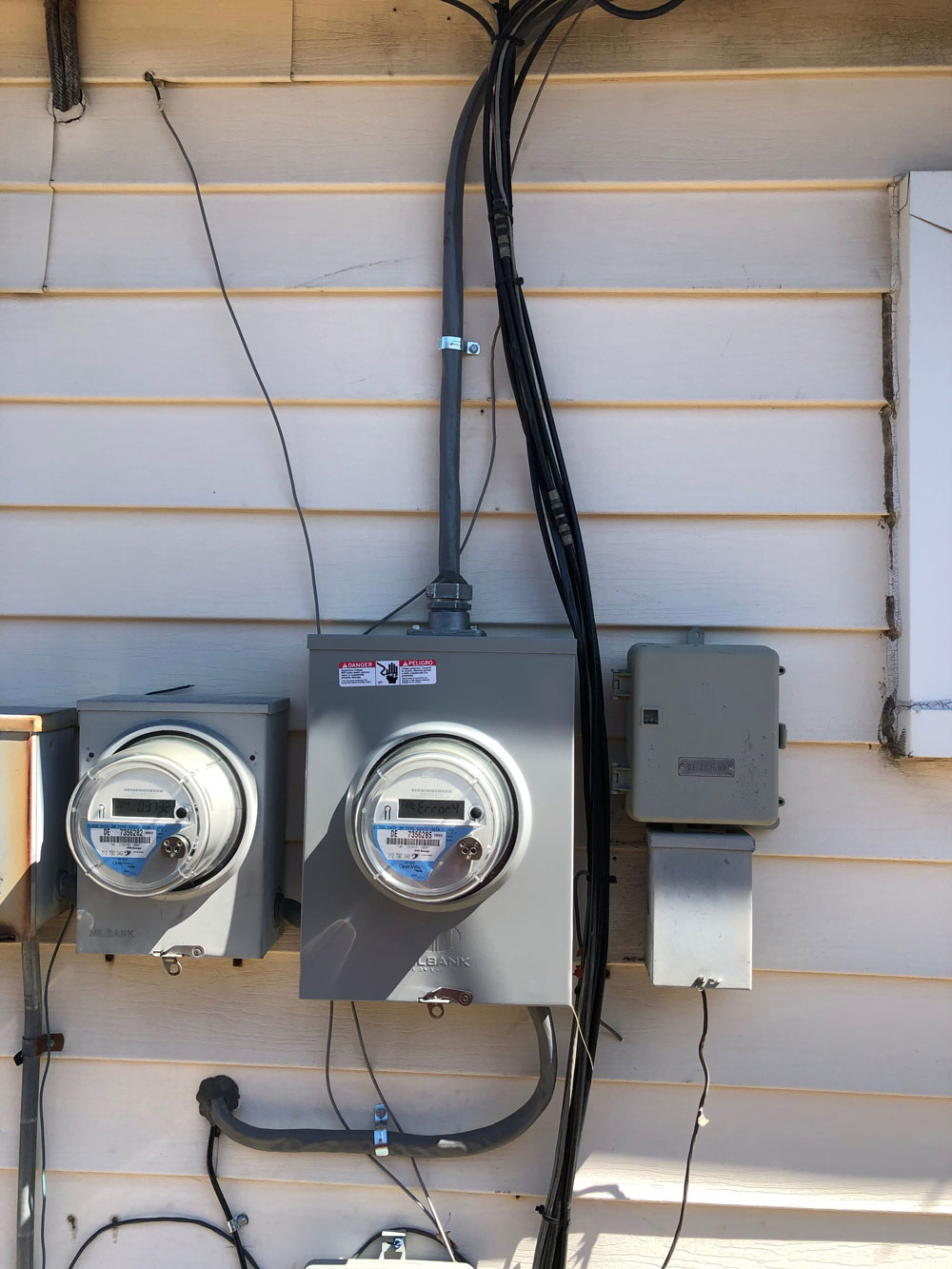
Gathering a few details can make the initial discussion more efficient. If available, note the electrical panel’s amp rating, take a clear photo of the panel directory, identify the proposed charger location, and have the charger’s electrical specifications or model information available. It is also helpful to list significant electrical equipment in the home and any upcoming remodeling or appliance-conversion plans.
For a St. Clair Shores, MI homeowner, those details turn a broad charging question into a more focused electrical planning conversation. Executive Electric’s Clinton Township, Michigan location should be considered the company address provided for contact purposes, rather than an office location in St. Clair Shores. Contacting the company is an appropriate next step when you want to discuss whether your proposed charger and electrical panel are a suitable match.
Frequently asked questions
Do I need an electrical panel upgrade for a Level 2 EV charger?
An electrical panel upgrade is needed only when the existing panel, service capacity, load calculation, equipment condition, or breaker space cannot safely accommodate the planned dedicated charging circuit. A professional assessment determines whether a circuit addition, subpanel, reduced charging rate, or larger upgrade is the appropriate solution for the home.
Can I install a lower-amperage EV charger instead of upgrading my panel?
Sometimes. A lower-amperage Level 2 charger places less demand on the electrical system and may still provide adequate overnight charging for a household’s driving routine. The circuit and installation still need to be evaluated, because available capacity, wiring conditions, and other household loads remain important.
What information affects the size of an EV charging circuit?
The charger output rating, continuous-load requirements, vehicle charging capability, desired charging speed, conductor route, electrical panel capacity, and the home’s existing loads all influence circuit planning. The electrical system should be assessed as a complete system rather than selecting breaker size based solely on a charger advertisement.
Is Executive Electric located in St. Clair Shores, MI?
Executive Electric’s provided location is 20504 Hall Rd, Clinton Township, MI 48038. Homeowners seeking EV charger electrical panel upgrade information for St. Clair Shores can use the contact process to discuss their proposed project and electrical considerations with Executive Electric.
Ready to plan a charging setup that fits your home’s electrical system? Contact Executive Electric through the contact page to discuss an EV charger electrical panel upgrade for your property. Executive Electric’s listed location is 20504 Hall Rd, Clinton Township, Michigan 48038.