Briggs & Stratton generator installation St. Clair Shores, MI
When an outage interrupts heat, refrigeration, lighting, internet access, or essential equipment, a properly planned standby generator can help a home continue operating with less disruption. Executive Electric provides a clear starting point for property owners seeking Briggs & Stratton generator installation in St. Clair Shores, MI, with the company located at 20504 Hall Rd, Clinton Township, MI 48038.
A generator installation is more than setting a unit beside the house. It is a coordinated electrical project that must account for the building’s electrical service, the circuits or loads the owner wants supported, a transfer method, fuel planning, equipment placement, and applicable permitting requirements. Good decisions made before installation can make the system more useful when the power actually goes out.
For homeowners comparing options, Briggs & Stratton generator installation is a practical conversation about backup power priorities, not simply generator size. Executive Electric can be contacted to discuss the property, outage concerns, and next steps for a proposed installation serving the St. Clair Shores area.
What a standby generator system is designed to do
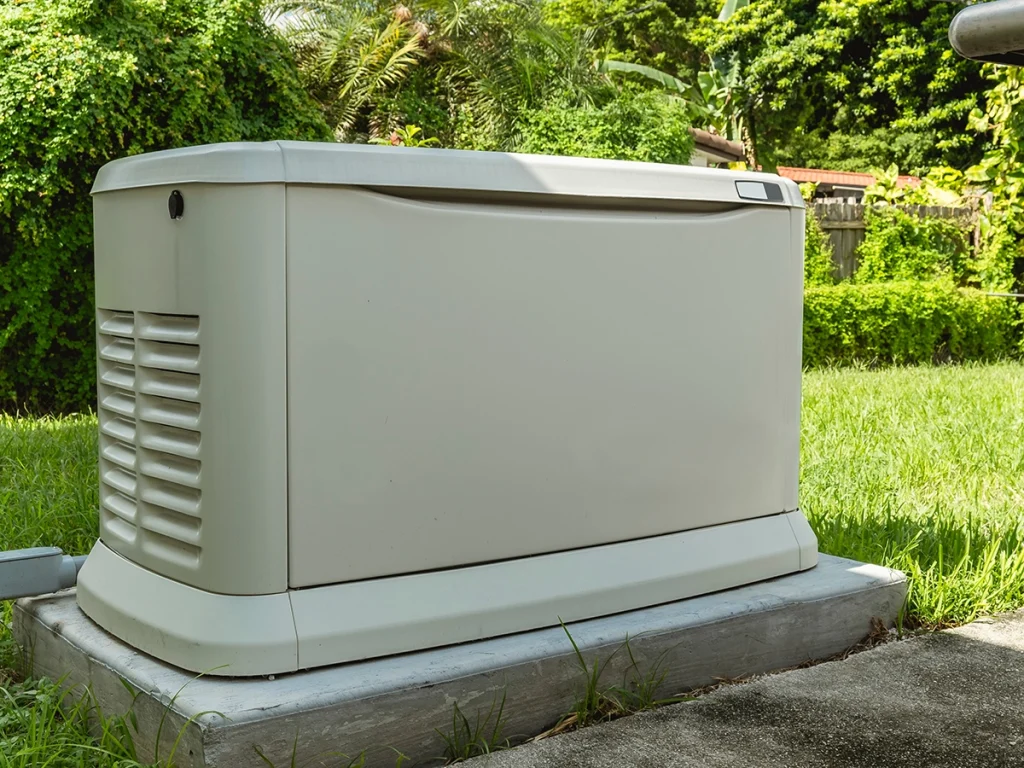
A permanently installed standby generator is intended to provide backup electricity after a utility outage, typically working with an automatic transfer switch that separates the property from the utility supply before generator power is used. This arrangement differs substantially from a portable generator connected with extension cords or a temporary manual setup.
The right system depends on what must remain powered and for how long. Some owners prioritize a few essential circuits, while others evaluate a broader whole-home backup approach. A Briggs & Stratton standby generator can be considered for either type of plan when the electrical design and capacity evaluation support the intended loads.
Common reasons homeowners explore backup power
Backup power is often considered after a previous outage reveals what is difficult to operate without electricity. The goal is not necessarily to power every device at once. It is to create a deliberate plan for the systems that matter most to the household.
- Keeping a furnace, boiler, sump pump, or other home-support system available during an outage
- Protecting refrigerated food and maintaining selected kitchen appliances
- Supporting lighting, receptacles, internet equipment, and home-office needs
- Maintaining power for medical-support equipment where appropriate and after discussing individual needs with relevant providers
- Reducing the need to run cords, refuel a portable unit, or make last-minute electrical arrangements in poor weather
Automatic operation and organized load planning are two central advantages of a standby-generator approach. Actual performance always depends on the selected equipment, fuel supply, transfer equipment, electrical loads, and the condition of the installed system.
Portable generators and standby generators solve different problems
A portable generator may suit short-term, limited power needs when it is used correctly outdoors and connected safely. A standby generator is fixed equipment intended to work as part of the property’s electrical infrastructure. It can offer more convenience, but it also requires more advance planning and a professional installation scope.
Portable equipment generally involves manual setup, fuel handling, extension cords or an approved inlet and transfer arrangement, and careful weather considerations. A standby system commonly relies on automatic transfer equipment and a permanent fuel source where available. The best choice is the one that matches the owner’s expected outage duration, budget, desired level of automation, and critical loads.
Start with loads, not a generator model number
The most useful first step in a Briggs & Stratton generator project is identifying the electrical loads the system should support. Generator capacity is measured in watts or kilowatts, but equipment selection cannot be based only on the square footage of a home or a neighbor’s generator size.
Many appliances have startup demands that exceed their normal running use. Central air conditioning, well pumps, sump pumps, motors, electric ranges, dryers, and electric heat can change the capacity calculation significantly. A sound assessment considers both continuous demand and equipment that may start while other loads are already operating.
Essential-load backup versus broader home coverage
Essential-load backup focuses the generator on selected circuits, such as refrigeration, heating controls, lighting, a sump pump, and communications equipment. This can be a sensible approach for owners who want outage protection for the most important functions without designing for every large electrical load.
Broader coverage may be attractive for households that want more normal operation during an outage. It can require a larger generator, careful management of high-demand equipment, or load-management solutions depending on the property. Discussing daily habits and must-have equipment up front helps prevent the common disappointment of expecting a generator to carry loads that were never included in the design.
- List the appliances and systems that are essential during an outage.
- Note fuel-fired versus electric heating equipment, pumps, cooling equipment, and major motor loads.
- Decide whether the goal is selected-circuit protection or more extensive backup coverage.
- Review the electrical service, panel configuration, and a feasible equipment location.
- Use the assessment to select compatible generator and transfer equipment rather than guessing at capacity.
What to expect during a generator installation project
A typical standby generator installation progresses from site and electrical evaluation to equipment selection, installation, inspection steps as applicable, testing, and owner orientation. The exact sequence varies by property, local requirements, fuel availability, and the final equipment plan.
Executive Electric can be a useful point of contact for people in or around St. Clair Shores, Michigan who want to begin that process with the electrical portion of the project in view. The company should have the opportunity to review the actual property before anyone assumes a particular generator size, schedule, scope, or final cost.
Before work begins: placement, fuel, and approvals
Generator location affects service access, exhaust clearance, noise considerations, utility connections, and compliance with applicable manufacturer instructions and local rules. The location should never be selected solely because it is visually convenient. Clearances and site conditions matter.
Fuel is another early decision. Depending on the property and available service, a standby generator may use natural gas or propane. Fuel capacity, piping, pressure requirements, and coordination with the appropriate fuel provider can affect the project. Electrical work must also be planned around the service equipment and transfer switch configuration.
During installation: integrating backup power safely
The installation involves connecting the generator and transfer equipment so utility power and generator power are not improperly connected. The transfer switch is a key safety component because it manages the change between utility and generator sources. It also helps prevent backfeeding, a hazardous condition that can endanger utility workers and damage equipment.
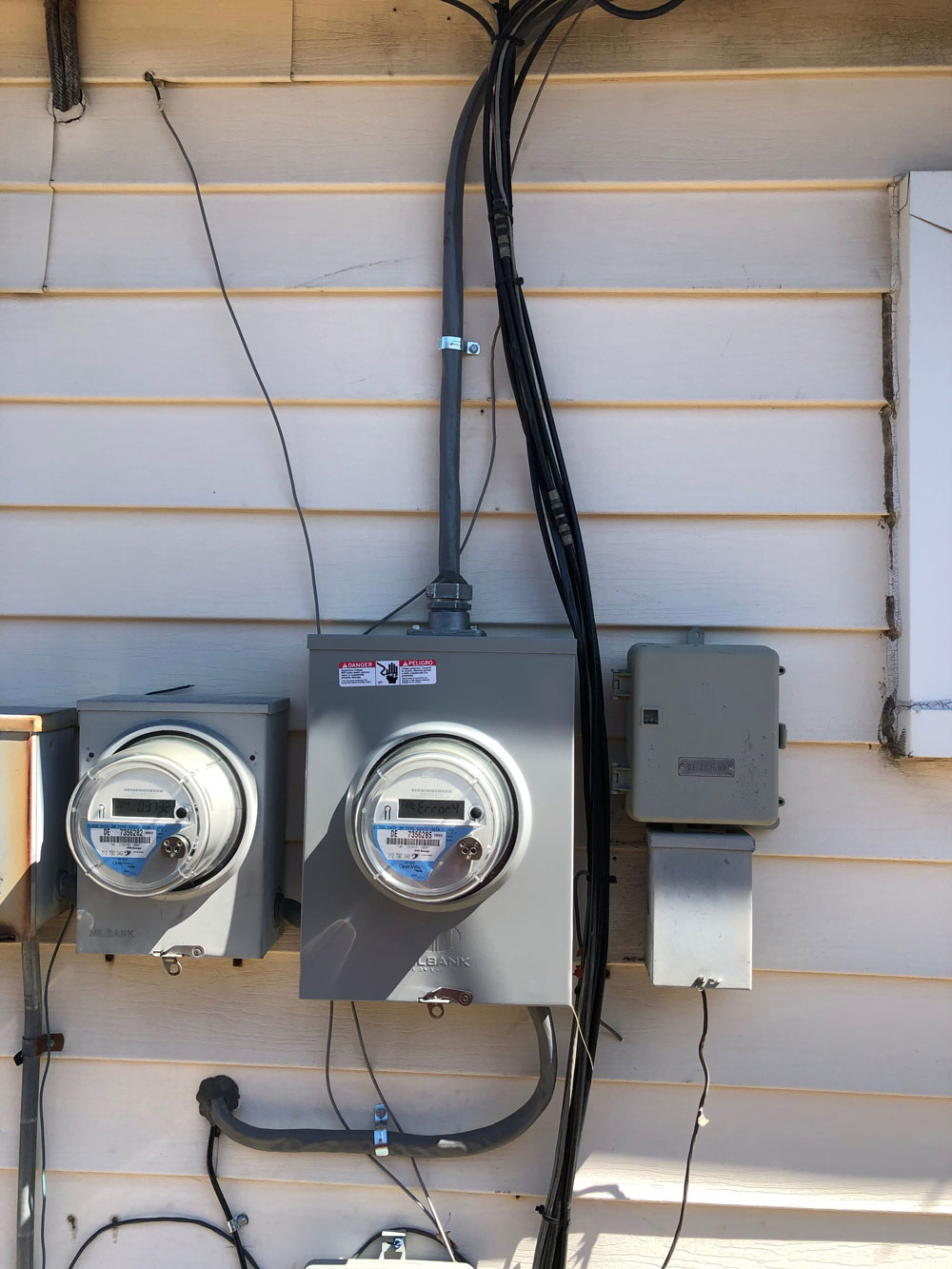
Depending on the design, work may include a generator pad or base preparation, electrical conduit and conductors, transfer-switch installation, panel modifications, control wiring, grounding and bonding considerations, and coordination with fuel-related work. Permits and inspections may be required by the authority having jurisdiction. Requirements can vary, so they should be confirmed for the specific address rather than assumed.
After installation: testing and learning the system
Installation is not complete merely because the generator starts. The system should be tested according to the applicable installation and equipment requirements, and the owner should understand normal operation, exercise settings, alarms, and what to do if a warning appears. Keep manufacturer documents and system information accessible for future service needs.
Standby equipment also benefits from ongoing attention. Follow the manufacturer-recommended maintenance schedule and address alerts promptly. Routine maintenance, battery condition, oil and filter needs, exercise cycles, and fuel-system considerations can all influence readiness when an outage occurs.
Questions to ask before choosing an installation provider
The right provider conversation should make the scope clearer, not leave the owner with vague promises. A detailed discussion helps distinguish a system designed around the home from a generic equipment quote. It also gives the owner a better basis for comparing proposals.
- Which loads are included, and which major loads are excluded or managed?
- What generator capacity and transfer equipment are proposed, and why?
- How will the electrical service and existing panels affect the design?
- What site, fuel, permitting, and inspection items may need coordination?
- What will the homeowner need to know about operation, testing, and maintenance after installation?
It is also wise to ask how changes in the desired load list would affect the proposed design. Adding central air conditioning, electric heat, a pump, or other large loads later can alter the original assumptions. A transparent evaluation helps an owner decide whether to prioritize essentials now or plan for broader capacity from the start.
Why contact Executive Electric for your St. Clair Shores project?
Executive Electric is located at 20504 Hall Rd, Clinton Township, Michigan 48038 and offers a direct way to discuss an electrical backup-power project with a company identified for this service. For a homeowner researching Briggs & Stratton generator setup near St. Clair Shores, the value of an initial contact is the opportunity to explain the property’s needs before committing to an equipment choice.
Bring a list of the equipment you want available during an outage, any information about your electrical panels, and questions about fuel service or the preferred generator location. Those details make the conversation more productive and help frame whether essential-circuit backup or a more comprehensive standby solution makes sense for your household.
A planned installation can provide more than convenience. It can give the household a defined response to an outage, with selected systems accounted for before severe weather or a utility interruption creates urgency. Contact Executive Electric to discuss Briggs & Stratton generator installation for a St. Clair Shores, MI property and to review the next appropriate step.
Frequently asked questions about standby generator installation
How does an automatic standby generator work during a power outage?
An automatic standby generator detects a utility outage through compatible transfer equipment, starts the generator, and transfers selected electrical loads to generator power. When utility power returns and the system completes its programmed sequence, the transfer equipment returns the loads to the utility source.
Do I need a whole-home generator to protect important appliances?
No. Many homeowners choose an essential-load design that supports selected circuits rather than every electrical device. The appropriate approach depends on the specific appliances, motors, heating or cooling equipment, and level of convenience you want during an outage. A load assessment helps define a realistic plan.
Can a standby generator power central air conditioning and electric heat?
It may be possible, but these are substantial loads that can significantly affect generator sizing and system design. A property assessment should identify startup and running demands, other simultaneous loads, and any load-management approach before assuming those systems can be included.
Is Executive Electric physically located in St. Clair Shores, MI?
Executive Electric’s supplied location is 20504 Hall Rd, Clinton Township, MI 48038. The company can be contacted about a Briggs & Stratton generator installation project for a property in St. Clair Shores or elsewhere in the relevant service area.
What information should I have ready when I contact Executive Electric?
Prepare a list of critical appliances and systems, your preferred level of backup coverage, questions about fuel availability, and any known details about the electrical panel. If possible, note equipment that has high demand, such as pumps, air conditioning, electric heat, ranges, or dryers. This information supports a more focused discussion of installation options.
Ready to move from outage concerns to a defined backup-power plan? Contact Executive Electric at its Clinton Township, MI location, 20504 Hall Rd, Clinton Township, MI 48038, to discuss your St. Clair Shores, Michigan generator project.