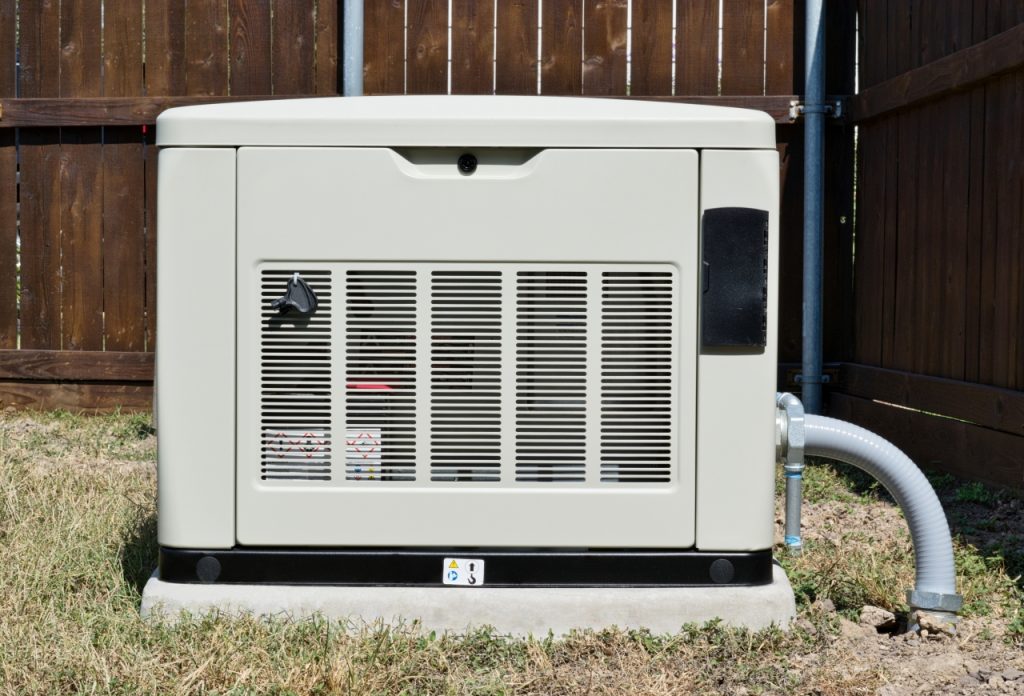
Generator wiring services Shelby Township, MI
Reliable backup power starts with a safe path from a generator to the circuits that matter most. For property owners looking for Generator wiring services Shelby Township, MI, Executive Electric can be contacted to discuss a wiring approach that fits the property, the generator type, and the loads that need support during an outage. Executive Electric’s listed location is 20504 Hall Rd, Clinton Township, MI 48038, rather than Shelby Township.
A generator should never be connected to a home or business electrical system with improvised cords or a do-it-yourself backfeed arrangement. Proper generator connections are designed to isolate utility power when necessary, direct power through approved equipment, and make operation more straightforward when conditions are already stressful. Thoughtful planning also helps prevent buying more generator capacity than needed or expecting one unit to run every electrical load at once.
What professional generator wiring is designed to accomplish
Generator wiring creates a controlled connection between backup power equipment and selected electrical circuits. The goal is not simply to make outlets work during a utility interruption. A well-planned connection helps manage power transfer, protects the electrical system from unsafe energization, and gives the property owner a clear operating method.
Many Shelby Township, MI households prioritize refrigeration, lighting, a sump pump, heating controls, internet equipment, a garage door opener, and a limited number of receptacles. Other properties may have different priorities, such as business-critical equipment or a well pump. Identifying those priorities before selecting equipment is more useful than treating backup power as an all-or-nothing decision.
Transfer equipment separates generator power from utility power
Transfer equipment is a central part of a safe generator connection because it manages the change between utility service and generator power. Depending on the system and design, the solution may involve a manual transfer switch, an interlock arrangement, or automatic transfer equipment paired with a standby generator. The appropriate option depends on the electrical panel, the generator, the circuits to be served, and the intended operating experience.
That separation matters because generator power and utility power should not be connected in an uncontrolled way. Backfeeding can create serious hazards for occupants, utility personnel, and electrical equipment. A qualified electrical assessment can determine whether the existing service equipment can accommodate the proposed connection and what modifications may be appropriate.
Portable generator wiring needs a dedicated, usable connection point
Portable generator wiring commonly uses a properly selected outdoor power inlet, compatible generator cord, and transfer equipment that feeds designated circuits. This arrangement lets the generator remain outdoors while the electrical connection is made at a purpose-built inlet rather than through a receptacle or open panel. It also gives the owner a repeatable sequence for starting the generator, connecting power, and managing selected loads.
Portable units are often a practical choice for occasional outages and limited essential-load coverage. They require manual setup, fuel management, and safe outdoor placement, so they differ from permanently installed standby systems that can start automatically. Generator size, cord configuration, inlet rating, and the number of intended circuits all need to work together rather than being selected independently.
- Keep generators outdoors and away from doors, windows, and vents to reduce carbon monoxide risk.
- Choose essential circuits before an outage so electrical demand remains within the generator’s capacity.
- Use equipment that is compatible with the generator’s voltage, amperage, and connection configuration.
- Follow the generator manufacturer’s operating, fueling, and maintenance instructions.
Start with loads, equipment, and the existing electrical panel
The most effective generator wiring plan begins with an electrical load review and a look at the existing service equipment. This helps establish which circuits are realistic candidates for backup power and whether a whole-home approach, an essential-circuit approach, or a portable-generator connection makes the most sense. It also reduces surprises after a generator has already been purchased.
Some loads draw much more power at startup than during normal operation. Motors in pumps, refrigerators, freezers, and heating or cooling equipment can affect generator sizing and the order in which equipment should be used. Electric ranges, clothes dryers, water heaters, and central air conditioning can also consume substantial capacity, which is why many backup plans intentionally focus on selected circuits.
Essential-circuit coverage and whole-property backup are different choices
Essential-circuit backup directs generator power to a defined group of circuits and is often easier to match with a portable generator or a modest standby unit. Whole-property backup is designed around a much larger load and can offer more seamless coverage, but it typically requires greater generator capacity and more extensive planning. Neither approach is automatically better; the useful choice is the one that reflects actual outage priorities, budget considerations, and the property’s electrical demands.
Before moving forward, it is helpful to write down the equipment that must remain available and the equipment that can stay off. A refrigerator, a few lights, communications devices, and a sump pump may be more important than convenience loads during a short interruption. That priority list gives an electrician and generator provider clearer information for evaluating the connection design.
- List the appliances, systems, and circuits that matter during an outage.
- Confirm whether the generator is portable, permanently installed, or still being selected.
- Have the electrical panel and proposed generator connection evaluated for compatibility.
- Choose transfer equipment and an inlet or other connection method suited to the intended setup.
- Learn the operating sequence, load limits, and maintenance responsibilities before an outage occurs.
Benefits of a planned generator connection
Professional Generator wiring services help turn backup power from a temporary workaround into a more organized preparedness measure. A dedicated connection can reduce cord clutter, make it easier to power selected circuits, and support safer transitions between utility and generator power. The practical value is clarity: occupants know what equipment is available, where the generator connects, and which loads should be managed.
A properly designed system can also make future decisions easier. If outage needs change, the documented circuit priorities and existing transfer arrangement provide a better starting point for evaluating a larger generator or different backup strategy. For Michigan properties that experience seasonal weather changes, planning ahead is often more useful than trying to solve electrical connection issues after power has already gone out.
- More intentional load management: Selected circuits help prevent unnecessary demand from overwhelming the generator.
- A clearer operating routine: Purpose-built equipment creates a defined connection and transfer process.
- Reduced reliance on extension cords: Critical hardwired circuits can be considered as part of the backup plan.
- Better preparation: Owners can understand generator limits and fuel needs before an interruption occurs.
Choosing the right provider and preparing for the conversation
When comparing electrical providers, look for a discussion that addresses the generator type, panel configuration, desired circuits, transfer method, and safe operating requirements. A useful evaluation should distinguish between supplying selected circuits and expecting a generator to run every load in the property. It should also account for the fact that generator installation, fuel supply, and electrical connection can involve separate decisions.
Executive Electric is a relevant contact for customers considering Generator wiring services and seeking an informed discussion of their backup-power connection needs. Be ready to share the generator model if one has been purchased, the circuits or appliances you hope to support, and any existing electrical concerns. This information makes it easier to explore a practical solution without relying on assumptions about capacity or compatibility.
Details worth having available
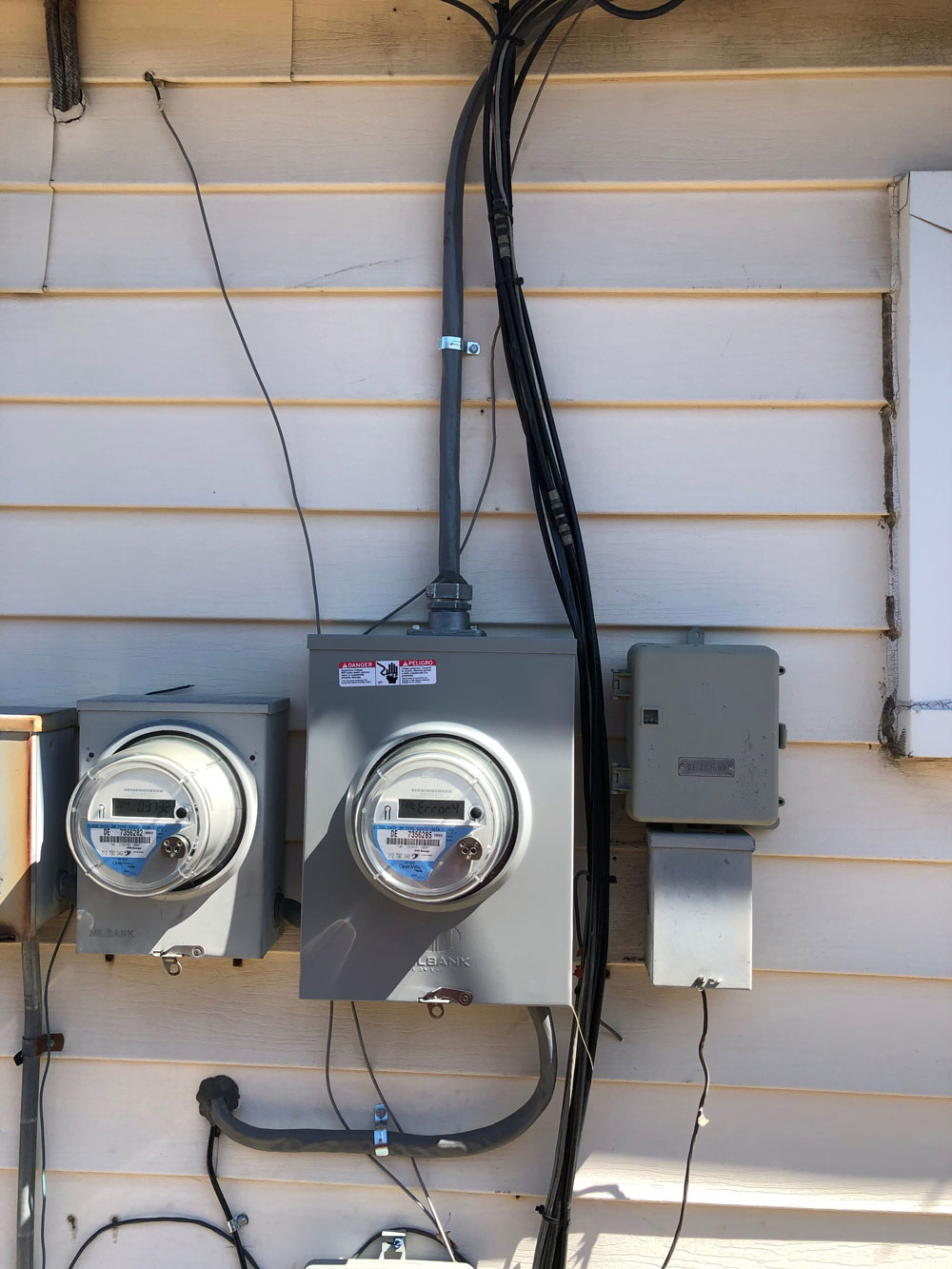
Bringing basic information to the initial conversation can make planning more efficient. Photos of the electrical panel, the generator’s rating label, and the proposed generator location can help describe the existing setup, while a written essential-load list clarifies priorities. If the property has experienced tripped breakers, panel space limitations, or concerns about a pump or heating equipment, include those details as well.
Executive Electric’s listed address at 20504 Hall Rd, Clinton Township, MI 48038 provides a clear point of contact for customers in the surrounding region. The company should not be represented as having an office in Shelby Township unless a Shelby Township location is separately confirmed. Contacting Executive Electric is an appropriate next step for property owners who want to discuss generator connection options with their own property details in mind.
Frequently asked questions
What does generator wiring service typically include?
Generator wiring service typically involves evaluating the electrical panel, identifying essential loads, and planning a safe connection using compatible transfer equipment and, when appropriate, a power inlet. The exact scope depends on whether the generator is portable or standby, the property’s electrical configuration, and the desired level of backup coverage.
Can a portable generator power an entire house?
A portable generator can power only the loads its capacity supports. Some homes use a portable unit for selected essential circuits, while whole-property backup generally requires more capacity and a system designed for that demand. Load priorities, starting wattage, and transfer equipment should be considered before assuming a portable generator can cover every appliance.
Why is a transfer switch or interlock important?
Transfer equipment helps keep generator power and utility power properly separated during operation. That separation is important for electrical safety and for preventing uncontrolled backfeeding into the utility system. The suitable equipment depends on the panel, generator, selected circuits, and whether manual or automatic operation is desired.
Does Executive Electric have a Shelby Township office?
Based on the provided location information, Executive Electric is listed at 20504 Hall Rd, Clinton Township, MI 48038. Shelby Township, MI is the service-topic geography for this page, not a confirmed company office location. Contact Executive Electric directly to discuss your property and generator wiring needs.
Discuss your backup-power connection with Executive Electric
Whether you are choosing a generator, upgrading an existing arrangement, or trying to protect a short list of essential circuits, start with the electrical details that affect safety and usability. A clear wiring plan can make backup power easier to use when it matters. Contact Executive Electric through the contact page to discuss Generator wiring services for Shelby Township, MI and provide your property information. Executive Electric’s listed location is 20504 Hall Rd, Clinton Township, Michigan 48038.