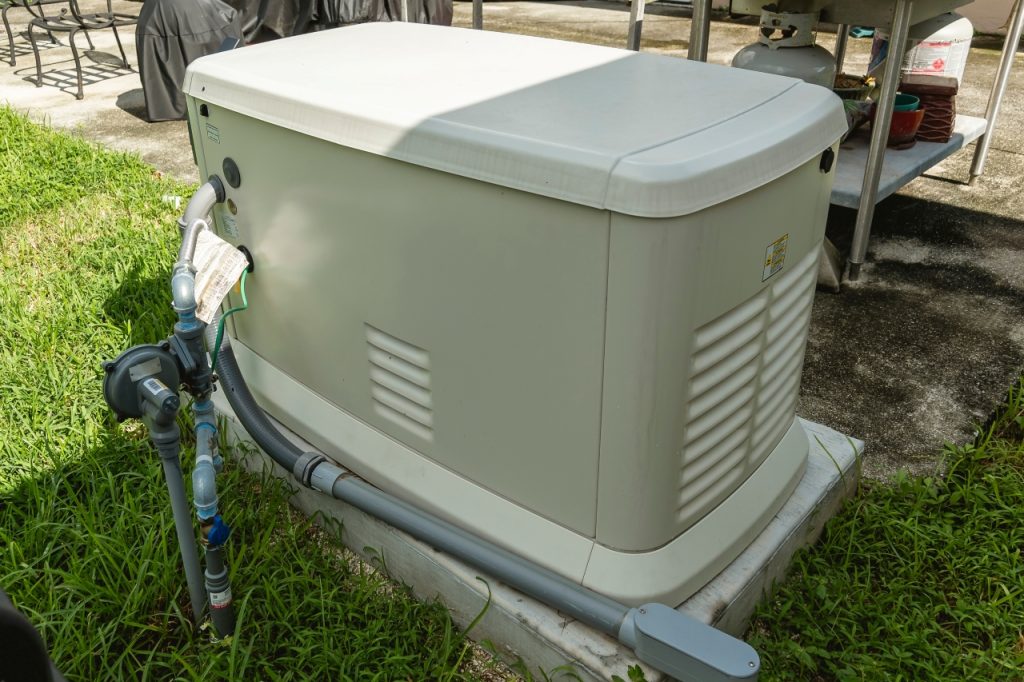
Generator repair services Shelby Township, MI
When a standby or portable generator will not start, runs roughly, shuts down under demand, or displays a fault message, the problem deserves prompt, methodical attention. Generator repair services for Shelby Township, MI, can help property owners move from uncertainty to a clearer plan for diagnosing an unreliable backup-power system. Executive Electric is located at 20504 Hall Rd, Clinton Township, MI 48038, and serves customers seeking electrical and generator-related support in the surrounding Michigan region.
A generator is most valuable when normal utility power is unavailable, so a small issue that seems harmless during a routine check can become a major inconvenience during an outage. Homeowners, businesses, and property managers may seek repair help after a failed exercise cycle, a no-start condition, unusual vibration, poor voltage output, fuel-related concerns, or an alarm that will not clear. The right next step depends on the generator type, its symptoms, its maintenance history, and whether the system is safely able to be inspected.
Know when a generator needs professional attention
Generator trouble is not always caused by one obvious failed part. Starting batteries, connections, fuel supply, air intake, control settings, transfer equipment, sensors, and engine components can all affect whether a unit starts and carries power as expected. A careful evaluation helps distinguish a maintenance need from a repair issue and reduces the temptation to replace parts based on guesswork.
Signs that should not be ignored
Some symptoms call for a timely service conversation, especially when the equipment is intended to support essential loads. Do not repeatedly attempt to start a generator that is leaking fuel, producing excessive smoke, making severe mechanical noise, or showing signs of overheating. Keep people clear of the equipment, follow the manufacturer’s safety instructions, and avoid operating a generator in enclosed or poorly ventilated spaces because exhaust creates a serious carbon monoxide hazard.
- The generator cranks but does not start, or starts and stalls soon afterward.
- An automatic unit fails its scheduled exercise cycle or shows a warning indicator.
- The system starts but does not transfer power, or power output appears unstable.
- The unit trips, surges, vibrates unusually, emits smoke, or has visible fluid leakage.
- The battery is weak, terminals are corroded, or the charger is not maintaining the battery.
For residents researching generator repair in Shelby Township, MI, documenting the symptom before calling is practical. Note when the problem began, whether it occurs during manual starting or automatic exercise, any displayed code, and recent changes such as an outage, extended storage, or fuel service. This information gives a service provider a more useful starting point than a general report that the generator “does not work.”
Repair, maintenance, or replacement: choosing the sensible path
Repair is often appropriate when the underlying issue can be identified and corrected without compromising safe operation. Routine upkeep may be the better answer when the generator works but has overdue battery checks, fluid service, filter changes, or operational testing. Replacement becomes a discussion when equipment condition, parts availability, repeated failures, capacity needs, or the overall cost of continued repairs make restoring the existing unit less practical.
Before authorizing work, ask what symptom is being investigated, what testing is needed to confirm the cause, and whether related components should be evaluated at the same time. It is also reasonable to ask how the proposed repair affects reliability, what owner maintenance should follow, and whether the generator’s output is appropriate for the loads it is expected to support. Clear answers help you compare an immediate fix with a longer-term equipment decision.
A practical process for diagnosing backup-power problems
Effective generator troubleshooting starts with safe observation and verification, not assumptions. The service process generally moves from reviewing the reported condition to checking basic operating factors, testing relevant electrical and mechanical components, identifying the likely fault, and discussing appropriate corrective options. The exact sequence varies by generator design and the symptoms present.
- Describe the failure clearly. Share the unit’s make and model if available, alarm information, recent maintenance, and what happened during the last start or outage.
- Check accessible basics safely. A qualified evaluation may consider battery condition, connections, fuel or energy supply, fluid levels, air-flow restrictions, and visible damage.
- Verify operation and output. Testing can help determine whether the generator starts, produces usable power, and responds correctly when connected to its intended system.
- Review findings before proceeding. A useful repair discussion identifies the observed issue, explains the recommended next step, and separates necessary work from future maintenance considerations.
A generator and its transfer equipment work as a system. In an automatic standby setup, the generator may be capable of running while another component prevents power from reaching selected circuits. Conversely, a transfer issue can look like a generator failure to a property owner, which is why a complete, safety-conscious assessment matters more than focusing on one component in isolation.
Why scheduled care supports dependable operation
Searching for Generator maintenance near me is a sensible step when a unit has been sitting unused, has missed its normal service interval, or needs a readiness check before severe weather or another period of concern. Regular attention can identify aging batteries, deteriorated connections, low fluids, clogged filters, and stored fault conditions before they contribute to a no-start event. Maintenance does not guarantee that a generator will never fail, but it provides a structured opportunity to catch correctable conditions early.
Owner care between professional visits also matters. Keep the area around the generator clear as directed by the manufacturer, pay attention to warning lights or messages, and retain records of service and test results. Do not bypass alarms or disable protective features simply to make the unit run, since those protections may be signaling an issue that requires evaluation.
Load testing answers a different question than starting
Generator load testing evaluates how a generator performs when it is asked to support electrical demand, rather than merely confirming that the engine can start and idle. This distinction matters because some problems only appear when the system is carrying a meaningful load, including unstable voltage or frequency, overheating, fuel-delivery limitations, and shutdowns. The appropriate test method and load level depend on the generator, installation, and safety requirements, so testing should be planned with the equipment’s intended use in mind.
A short exercise cycle can be helpful, but it is not always a complete measure of backup readiness. Property owners who depend on a generator for refrigeration, communications, sump equipment, essential business functions, or other priority circuits should understand which loads are intended to be supported. Knowing the expected load also helps prevent overloading a generator during an outage.
What to consider before selecting generator repair support
The best service decision is based on fit, communication, and safety, not just the urgency of the failure. Explain whether the unit is portable or permanently installed, whether it is manual or automatic, and whether a transfer switch or panel is involved. Those details help frame the work and reduce misunderstandings about what needs inspection.
- Ask whether the reported issue may involve the generator, the battery and charging system, electrical connections, or transfer equipment.
- Have model information, service records, alarm codes, and a description of the failed event ready.
- Discuss whether the immediate concern is restoring operation, confirming safe readiness, or planning ongoing care.
- Clarify which loads the generator is expected to serve and whether those needs have changed since installation.
- Use a provider who can communicate the findings in terms you can understand before you decide on next steps.
Executive Electric gives Shelby Township, Michigan customers a direct point of contact at its Clinton Township location: 20504 Hall Rd, Clinton Township, MI 48038. Contacting the company allows you to describe the equipment and concern, ask about the relevant service path, and determine the appropriate next step for your situation. This is particularly useful when a generator issue overlaps with the electrical side of a backup-power system.
When the problem cannot wait
Emergency generator services are a relevant consideration when backup power is unavailable during an outage, an essential operation depends on the unit, or the generator shows a condition that may create a safety concern. A prompt call can help you explain the situation and determine how to proceed, but immediate safety comes first: do not handle damaged wiring, fuel leaks, hot components, or exhaust-related hazards yourself. If there is fire, a suspected gas leak, or an immediate danger to people or property, contact the appropriate emergency authorities.
Not every no-start event is an emergency, but delaying a known fault can leave a property unprepared when utility power is interrupted. If the generator is intended for critical needs, arranging evaluation after a failed test or unexplained alarm is often more practical than waiting until the next outage. For Michigan property owners, readiness is about confirming that equipment can perform its intended role before it is urgently needed.
Talk with Executive Electric about your generator concern
A useful service request starts with the facts you already have: the generator type, the exact symptom, any displayed message, the last successful test, and whether the concern involves power transfer or output. Executive Electric can use that information to help guide the conversation around generator diagnostics, repair needs, routine servicing, and next steps. The company’s listed location is 20504 Hall Rd, Clinton Township, MI 48038, rather than Shelby Township itself.
If you need Generator repair services in Shelby Township, MI, contact Executive Electric to discuss your generator and the issue you are experiencing. A clear description of the problem can help start a focused conversation about restoring dependable backup-power operation and maintaining it over time.
Frequently asked questions
What are common signs that a generator needs repair?
Common signs include failure to start, repeated stalling, warning codes, weak or unstable power output, unusual noise or vibration, smoke, fluid leaks, and failure to transfer power during a test. Any fuel leak, electrical damage, overheating, or exhaust concern should be treated as a safety issue rather than a do-it-yourself repair.
How is a generator repair issue different from routine maintenance?
Maintenance is scheduled care intended to preserve readiness, such as inspections, battery checks, fluid and filter service, and operational testing. Repair addresses a specific malfunction, fault, damaged component, or performance problem. A maintenance visit can uncover a repair need, while a repair visit may also identify overdue preventive care.
Can a generator run normally but still fail when it is needed?
Yes. A generator may start and idle yet struggle when supporting electrical demand, transferring power, or operating for an extended period. Battery condition, fuel delivery, output stability, controls, and transfer equipment can affect real-world performance. Testing and evaluation help identify limitations before an outage exposes them.
Is Executive Electric located in Shelby Township, Michigan?
Executive Electric’s supplied location is 20504 Hall Rd, Clinton Township, MI 48038. Customers seeking generator-related help in Shelby Township, MI, can contact Executive Electric to discuss their equipment, symptoms, and the appropriate next step.