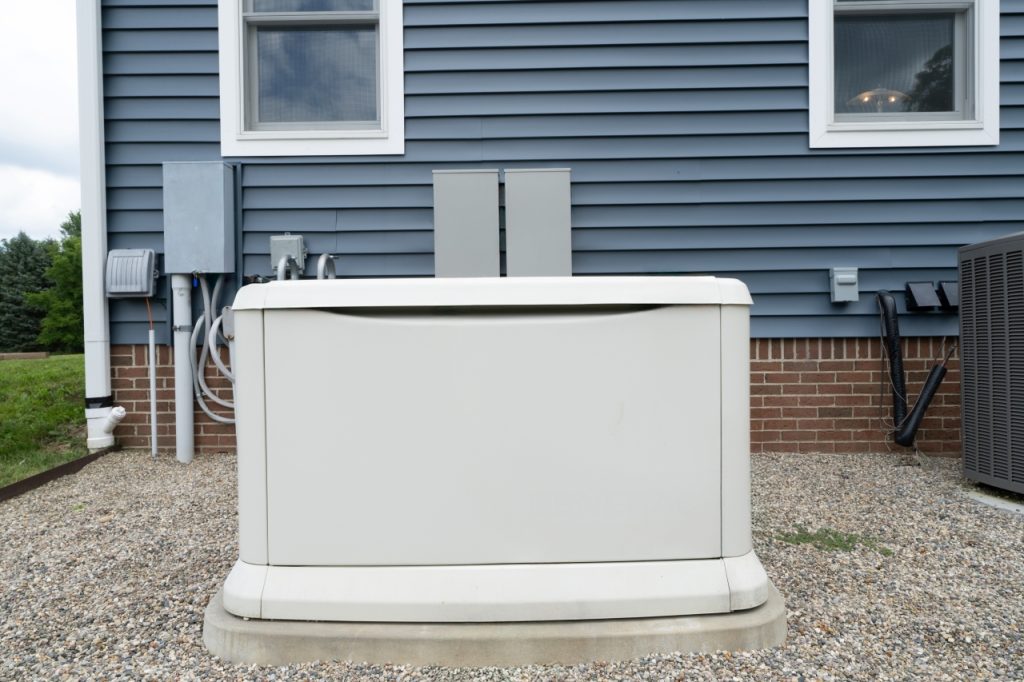
Generac generator installation Shelby Township, MI
Power interruptions can affect far more than lights. For homeowners considering Generac generator installation in Shelby Township, MI, a properly planned standby system can help keep essential household systems available when utility power is down. Executive Electric is located at 20504 Hall Rd, Clinton Township, MI 48038, and provides a clear place to begin the conversation about your backup-power goals.
A home standby generator is permanently installed equipment designed to supply selected electrical loads, or potentially much of a home, after an outage. It is different from a portable generator that must be positioned, fueled, started, and connected manually. The right approach depends on the home’s electrical demand, the systems the owner wants to support, and the site conditions that must be evaluated before installation.
Executive Electric can help prospective customers think through the practical details behind Generac generator installation, including electrical connection, transfer equipment, load priorities, and the questions to discuss before committing to a system. A thoughtful plan helps turn backup power from a vague idea into a solution aligned with how the household actually operates during an interruption.
What a standby generator can do for a Shelby Township home
A Generac standby generator monitors utility power and is designed to begin supplying power through an automatic transfer arrangement when an outage occurs. Rather than running extension cords to individual appliances, the system is integrated with the home’s electrical distribution. This can make backup power more orderly and more useful during an unexpected event.
Many Michigan homeowners explore standby power because an outage can interrupt comfort, communication, food storage, sump-pump operation, heating or cooling equipment, and work-from-home routines. The value is not identical for every household. A family with critical refrigeration needs may prioritize kitchen circuits, while another owner may want to plan around a well pump, furnace, home office, or other essential loads.
Choose the loads that matter most
Generator capacity should be matched to intended use, not guessed from the square footage of a home alone. Larger equipment can support more simultaneous loads, but the system still needs a realistic load calculation and an electrical design that accounts for starting demands and operating demands. Smaller, essential-load approaches can be a practical alternative when whole-home coverage is not the objective.
- Refrigerators, freezers, and selected kitchen circuits
- Heating equipment, air conditioning, or ventilation, depending on the design
- Sump pumps, well pumps, and other water-related equipment
- Lighting, internet equipment, security devices, and charging outlets
- Home-office circuits and other priority electrical loads
It is helpful to make a written list of what must remain powered and what can stay off during an outage. That list creates a more useful starting point than simply asking for the largest available unit. It also clarifies whether the homeowner is seeking essential-circuit backup, broader household coverage, or a solution focused on a specific operational concern.
Automatic operation versus portable backup
Portable generators can be appropriate for temporary, limited use when an owner is prepared to set up the equipment safely, manage fuel, and power only selected items. A permanently installed standby unit offers a different experience because it is connected through approved electrical equipment and can respond automatically to a utility failure. The tradeoff is that a standby system requires professional planning, installation work, site preparation, and an investment sized to the property’s needs.
Neither option is universally right. A homeowner who only wants occasional power for a few devices may decide on a portable solution, while a household that wants automatic response and support for fixed systems may see stronger value in a standby generator. Discussing outage priorities early helps avoid selecting equipment that is either insufficient for the intended loads or unnecessarily broad for the goal.
How Generac generator installation is planned
The installation process should begin with an assessment of the home and the owner’s backup-power priorities. A professional needs to understand the electrical service, the desired loads, the location options for the generator, and the fuel source considerations. These details affect equipment selection and the scope of electrical work.
- Identify essential systems, comfort priorities, and the expected level of coverage.
- Review the electrical panel, existing service, and the loads the generator may serve.
- Consider generator placement, clearance needs, fuel planning, and access for future service.
- Select transfer equipment and develop the electrical connection plan.
- Complete installation, testing, and homeowner orientation according to the project requirements.
Project timing and exact steps can vary because no two properties have identical electrical layouts or site conditions. Local requirements, equipment specifications, and utility or fuel arrangements may also influence the sequence. Asking about these items before work begins gives the homeowner a better understanding of what the project entails.
Why transfer equipment is central to safe backup power
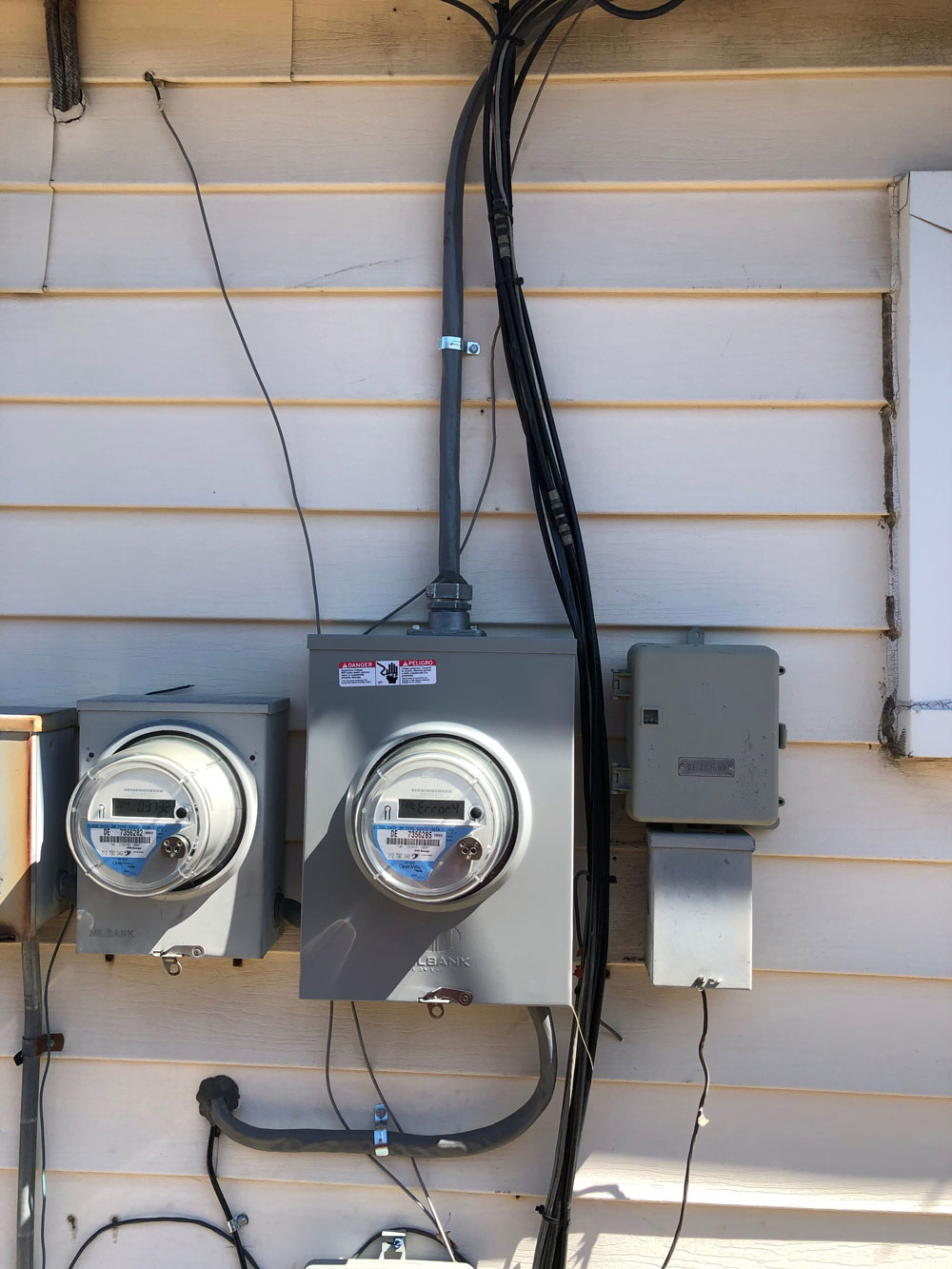
Generator transfer switch installation is the part of a standby-power project that manages the transition between utility power and generator power. The transfer switch is designed to isolate the home from the utility source while the generator is supplying electricity, which is essential to a properly configured backup-power system. It also determines how power is routed to the selected circuits or electrical service arrangement.
Automatic transfer switches are commonly paired with home standby generators because they can detect a utility outage and initiate the transfer sequence without the homeowner manually moving cords or switches. The appropriate switch configuration depends on the generator design and the desired loads. Executive Electric can discuss why this equipment should be considered as a core component of the installation, rather than as an afterthought.
Important decisions before you select a generator system
Good generator planning considers the entire system, not only the generator enclosure outside the home. Fuel availability, electrical capacity, transfer equipment, placement, permitted work, and future maintenance all affect the ownership experience. A useful proposal discussion should give you room to ask how each of these elements applies to your property.
Fuel source is one of the earliest practical questions. Standby generators are commonly planned around an available fuel supply, and the unit’s operating needs must be compatible with that supply. Homeowners should avoid assuming that every property can use the same fuel setup or that a generator can be selected independently of fuel planning.
Placement matters as well. The generator needs a suitable location that considers manufacturer requirements, applicable codes, access, connections, and the surrounding property. A site review is valuable because visual preferences alone do not establish whether a location is appropriate for the equipment or the necessary installation work.
- Which circuits or systems are priorities during an outage?
- Is essential-load backup or wider household coverage the better fit?
- What fuel source is available, and what coordination may be needed?
- Where can the generator be placed to accommodate requirements and service access?
- What transfer-switch arrangement fits the selected backup-power plan?
- What testing and operating information should the homeowner understand after installation?
Ask for a plan, not just a generator model
A meaningful discussion about standby power should connect the equipment to the homeowner’s day-to-day needs. For example, powering a furnace is different from powering a full heating and cooling system, and a pump motor may have a different electrical demand than lights or electronics. Clear load priorities help the electrical plan reflect real use instead of relying on assumptions.
It is also reasonable to ask how the system will be tested after installation and what routine attention the equipment will need over time. Standby generators are mechanical and electrical systems, so they should not be treated as install-once equipment that never requires attention. Understanding owner responsibilities and manufacturer-recommended maintenance expectations helps protect the value of the backup-power investment.
Why contact Executive Electric about backup power
Executive Electric offers a direct point of contact for homeowners evaluating generator installation in the Shelby Township, Michigan area. The company location provided is 20504 Hall Rd, Clinton Township, MI 48038. That distinction matters: Executive Electric is not represented here as having an office in Shelby Township, but as a company customers can contact when evaluating their generator needs in and around that community.
The most productive next step is to explain what happens in your home when the power goes out and which systems you consider nonnegotiable. Bring a list of priority appliances and equipment, along with any questions about existing electrical panels, desired coverage, or fuel arrangements. This makes it easier to have a focused conversation about the scope of a Generac backup generator installation.
Backup power is most useful when it is planned around your actual household needs. Whether your concern is protecting essential equipment, reducing disruption during outages, or gaining an automatic alternative to portable-generator setup, Executive Electric can be a relevant resource for discussing the electrical side of a standby solution in Michigan.
Frequently asked questions
How does a Generac standby generator work during a power outage?
A Generac standby generator works with an automatic transfer switch that detects a utility outage, separates the home from utility power, and directs generator power to the planned loads. When utility service returns, the system transfers back according to its operating sequence. Exact coverage depends on generator size and the electrical design.
Can a standby generator power my entire home?
It may be possible to plan for broad household coverage, but it depends on the generator capacity, the home’s electrical loads, and the transfer-switch configuration. Some homes are better served by an essential-load design that prioritizes systems such as refrigeration, heating, pumps, lighting, and selected outlets. A load review helps determine the appropriate approach.
What should I prepare before requesting Generac generator installation in Shelby Township, MI?
Prepare a list of the systems you want available during an outage, such as heating equipment, refrigerators, pumps, internet equipment, or home-office circuits. Note your concerns about fuel, generator placement, and automatic operation. This information helps Executive Electric discuss an installation plan that fits your intended use rather than a one-size-fits-all setup.
Is a transfer switch required for a permanently installed generator?
Transfer equipment is a fundamental part of a properly designed standby system because it controls how generator and utility power are separated and routed. The specific equipment needed depends on the generator and electrical plan. A professional assessment can explain the configuration appropriate for the home and intended loads.
Ready to discuss a backup-power plan for your property? Contact Executive Electric to start a conversation about Generac generator installation. Executive Electric is located at 20504 Hall Rd, Clinton Township, MI 48038, and can help you outline the questions and electrical priorities that matter before moving forward.