EV Charger Installation Shelby Township, MI
Driving electric is more convenient when charging fits naturally into your routine. For homeowners considering EV Charger Installation Shelby Township, MI, a properly planned home charging setup can turn overnight parking into dependable daily range, without relying on public stations for every charge.
Executive Electric is located at 20504 Hall Rd, Clinton Township, MI 48038. Shelby Township residents can contact Executive Electric to discuss their property, vehicle, electrical panel, preferred charger location, and the practical steps involved in adding dedicated vehicle charging at home.
Make home charging work around your vehicle and routine
A home EV charger is a dedicated electrical device that supplies power to an electric vehicle or plug-in hybrid. Most owners choose a Level 2 charging solution because it generally provides substantially faster charging than a standard household outlet, making it a practical choice for regular overnight use.
The right setup depends on more than the vehicle model. Available electrical capacity, garage or driveway layout, cable reach, weather exposure, charging habits, and future vehicle plans all affect the equipment and installation approach that makes sense for a Michigan household.
- Daily commuters may value predictable overnight charging and less dependence on public charging stops.
- Multi-vehicle households may want to consider charger placement and capacity for a second EV later.
- Plug-in hybrid owners may benefit from faster, more consistent at-home replenishment than a basic outlet provides.
- New construction and remodel projects can plan conduit, panel space, and parking-area access before finishes are complete.
Level 1 and Level 2 are different charging choices
Level 1 charging uses a standard 120-volt outlet and can be adequate for limited driving or occasional charging. A Level 2 charger typically uses a 240-volt circuit and is often better suited to drivers who need more range restored between trips. The appropriate option is based on vehicle requirements, expected mileage, available time to charge, and the home’s electrical system.
It is also important not to select a charger only by its highest advertised output. The vehicle may have its own onboard charging limit, and the electrical installation must be designed around the circuit, conductor sizing, protective devices, and applicable local requirements. A well-matched system is more useful than an oversized plan that does not fit the property.
What a thoughtful charger installation involves
Electric vehicle charger installation is an electrical project, not simply a matter of mounting equipment near a parking space. The process should account for the route from the electrical panel to the charger, the condition and capacity of the existing service, the intended mounting surface, and a location that lets the connector reach the vehicle without creating a trip or damage hazard.
- Discuss the charging goal. Identify the vehicle, desired charging speed, parking arrangement, and whether future EV ownership should be considered.
- Review the electrical system. Determine how a dedicated circuit may fit within the panel and whether additional electrical work could be needed.
- Choose equipment and placement. Consider a hardwired or receptacle-connected unit, indoor or outdoor location, cord management, and practical access.
- Complete the installation. The work typically includes the dedicated circuit, appropriate protective components, charger connection or receptacle, and secure mounting as applicable.
- Confirm operation. After installation, the charger and vehicle connection should be checked so the owner understands normal use and charging controls.
Permitting and inspection requirements can vary by jurisdiction and project scope. Before work begins, ask how the electrical plan will address applicable requirements in the Shelby Township area, particularly when a service upgrade, panel modification, outdoor equipment, or new wiring route is involved.
Electrical capacity deserves attention before equipment is purchased
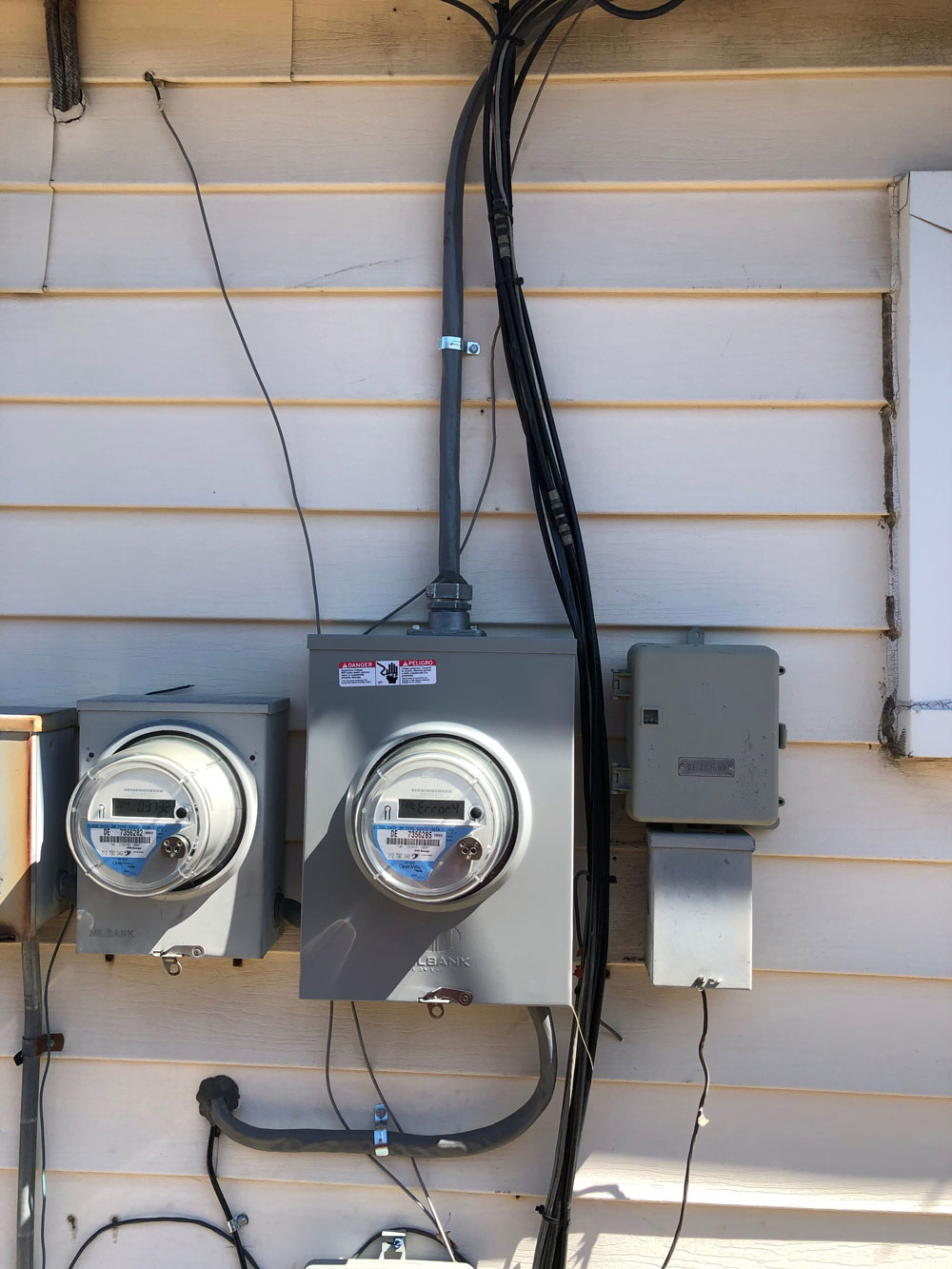
A charger draws a significant electrical load for extended periods, which is why an electrical capacity review is a central part of planning. Homes with electric heating, air conditioning, hot tubs, workshops, or other major loads may need a closer look at the existing panel and service before a charging circuit is added.
In some cases, the right next step may be a panel upgrade, service-related work, a lower-output charging configuration, or load-management equipment where appropriate. These are design considerations, not automatic requirements. Discussing them early helps avoid buying equipment that is incompatible with the available electrical infrastructure.
EV charging options worth comparing
Electric car charger installation should be planned around the way the vehicle is actually used, not just around a product specification. A driver with a long commute may prioritize charging speed, while someone who parks for many hours each day may find a moderate Level 2 output entirely sufficient. The electrical path, equipment location, and vehicle connection matter as much as the charger itself.
For many properties, EV charging station installation means creating a dedicated, convenient charging location in a garage, on an exterior wall, or near a driveway. Outdoor installations require particular attention to equipment suitability, secure mounting, cable protection, and exposure to changing Michigan weather. A location that is easy to reach every evening is often more valuable than one chosen only because it is closest to the electrical panel.
An EV charging point installation can also support a cleaner, more organized parking area by giving the charging cable a consistent home. Planning the height, side of the vehicle, connector reach, and path of travel helps reduce strain on the cable and keeps the setup more comfortable to use. This is especially useful when garage space is shared with storage, bicycles, or other vehicles.
Hardwired chargers and plug-in units have practical tradeoffs
Hardwired equipment is connected directly to the dedicated electrical circuit, while some chargers connect through a properly installed receptacle. Either approach may be appropriate depending on the equipment selected, the desired charging output, manufacturer instructions, and future replacement preferences. The decision should be made as part of the electrical plan rather than after the wiring is complete.
A plug-in unit can make future equipment changes more straightforward in some situations, but the receptacle and circuit still need to be correctly matched to continuous EV charging use. A hardwired setup can offer a streamlined permanent installation. The best choice is the one that supports safe operation, equipment compatibility, and the homeowner’s practical needs.
Why professional planning matters for an EV circuit
A Professional EV charger installer helps translate a vehicle owner’s charging goals into an electrical installation that accounts for circuit loading, panel capacity, equipment instructions, and site conditions. That planning is valuable because EV charging is a recurring high-load use, not an occasional appliance connection. It also provides a useful opportunity to ask about routing, placement, and the scope of electrical work before committing to a charger purchase.
When comparing providers, focus on the clarity of the proposed approach rather than looking only for the lowest initial number. Ask what information is needed about the vehicle and charger, whether the electrical panel will be evaluated, how the charger location will be determined, and whether permits or inspections may apply. Clear answers help a homeowner understand what is included and what site conditions could affect the project.
- Bring the vehicle make, model, and charging specifications if available.
- Note where the vehicle normally parks and which side has the charging port.
- Take note of the electrical panel location and any known capacity concerns.
- Consider whether another EV, an addition, or other major electrical loads may be added later.
- Identify whether the preferred charging location is indoors, outdoors, attached, or detached from the home.
Smart charging can add control, not just speed
Smart EV charger installation can be a good fit for owners who want app-based visibility, scheduled charging, charging status notifications, or other connected features offered by compatible equipment. These functions may help a driver coordinate charging with a daily routine and monitor whether the vehicle is plugged in. The value of smart features depends on the charger model, the owner’s preferences, and reliable network access at the installation location.
Connected features do not replace sound electrical design. A smart charger still needs an appropriately planned dedicated circuit and a practical physical location. For some drivers, a simpler charger with reliable daily operation is the better fit, while others may prefer the extra control that scheduling and monitoring can provide.
Start with a clear conversation about your home and EV
Executive Electric can be contacted from its Clinton Township location at 20504 Hall Rd, Clinton Township, MI 48038 to discuss EV charging needs for a Shelby Township property. Sharing the vehicle details, charger preference, parking layout, and panel information helps make the conversation more productive and gives you a better foundation for deciding what type of installation to pursue.
Whether the goal is faster overnight charging, a dedicated connection for a new electric vehicle, or preparation for future household transportation needs, a planned installation can make ownership easier. Contact Executive Electric to begin discussing your EV charging project and the next steps for your Michigan home.
Answers for Shelby Township EV owners
How long does a home EV charger installation take?
The timeline depends on the electrical panel, circuit route, charger location, required equipment, and whether permits or upgrades are needed. A straightforward installation may involve fewer steps than a project requiring panel work, outdoor trenching, or service changes. An electrical review is the best way to understand the likely scope.
Do I need a Level 2 charger for my electric vehicle?
Not every driver needs Level 2 charging. Level 1 may work for low daily mileage and long parking periods, while Level 2 is often preferred for faster overnight charging. The right choice depends on your vehicle, driving routine, available charging time, and home electrical capacity.
Can an EV charger be installed outside in Michigan?
Yes, outdoor charger placement may be possible when appropriately rated equipment, mounting, wiring methods, and protective measures are used. The location should support safe cable use and account for weather exposure. Discuss the specific charger model and installation site before finalizing the plan.
What should I prepare before contacting Executive Electric?
Have your EV make and model, desired charger model if selected, photos or details of the parking area, and the location of your electrical panel available. It is also helpful to mention other large electrical loads and whether you expect to add another electric vehicle in the future.