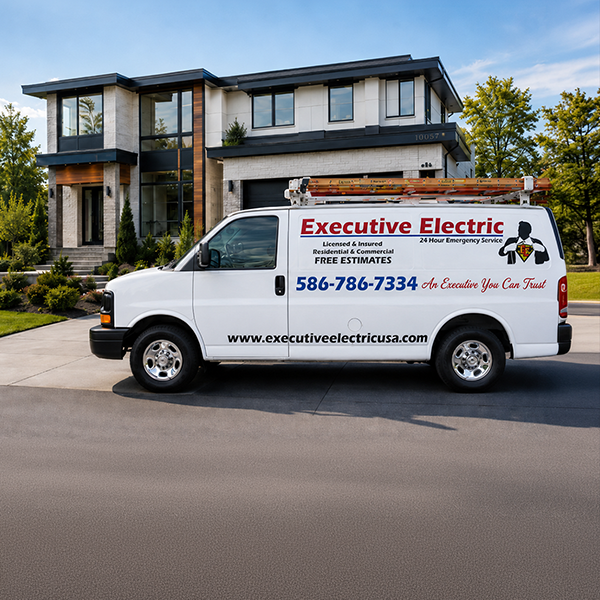
Diesel Generator Installation Shelby Township, MI
Power interruptions can affect heating and cooling, refrigeration, security systems, sump pumps, communications, and essential business operations. For property owners seeking Diesel Generator Installation Shelby Township, MI, Executive Electric provides a local point of contact from 20504 Hall Rd, Clinton Township, MI 48038. A properly planned standby power system is not simply a generator placed outside, it is a coordinated electrical project designed around the loads that matter when utility power is unavailable.
Diesel standby generators are often considered where longer runtime, substantial electrical demand, or dependable on-site fuel storage are priorities. The right solution depends on the building, the equipment that must remain powered, the available installation space, and the electrical service. Executive Electric can help start the conversation with the practical information needed to evaluate a generator project thoughtfully.
What a diesel standby system is designed to do
A diesel generator system supplies electricity after an outage through equipment that safely separates the property from the utility supply and directs backup power to selected circuits or the full electrical service. In many installations, an automatic transfer switch detects utility failure, starts the generator, and transfers the load without the owner manually connecting equipment. When normal power returns, the system transfers back and follows its programmed shutdown sequence.
The goal is not necessarily to power every device in every property. Some owners prioritize life-safety equipment, well pumps, refrigeration, internet and communications, security, lighting, or critical machinery. Others want broader whole-building coverage, which generally calls for more careful load planning, a larger generator, and appropriate service equipment.
Diesel power can fit demanding backup needs
Diesel generators are commonly selected for applications that require durable standby power and fuel options appropriate for the planned runtime. Compared with a portable generator, a permanently installed diesel unit can be integrated with transfer equipment and a designated fuel arrangement so the response to an outage is more controlled. The correct fuel-storage approach, generator rating, ventilation requirements, and placement considerations should be reviewed as part of the project rather than treated as afterthoughts.
For homes, a diesel system may make sense when a property has significant electrical loads or a clear need to preserve essential functions during an outage. For commercial, multifamily, agricultural, or light industrial settings, the decision often centers on operational continuity and the consequences of losing specific equipment. A site review helps distinguish a reasonable backup plan from an oversized or poorly matched investment.
Start with loads, not a generator model
The most useful first step is identifying what the generator must support and how those loads behave when they start and run. Motors, pumps, compressors, HVAC equipment, and certain electronic systems can have different startup demands than their normal operating load. Load assessment informs generator sizing, transfer-switch selection, feeder capacity, panel work, and the overall scope of the installation.
Questions to organize before an evaluation
Bringing basic property information to the initial discussion can make planning clearer and reduce surprises later. Owners do not need to know every electrical specification, but a concise list of priorities gives the electrician a useful starting point. Consider the following details:
- Which systems are essential during an outage, and which can remain off.
- Whether the goal is selected-circuit backup or wider service coverage.
- Major loads such as air conditioning, furnaces, pumps, refrigeration, elevators, machinery, or servers.
- How long backup power may be needed and how fuel management will be handled.
- Where generator equipment could be located while allowing required access, clearance, and serviceability.
Electrical capacity is only one part of the decision. Noise expectations, equipment access, fuel storage, drainage, exterior routing, and local permitting requirements can influence the final design. Addressing these factors early is generally more efficient than choosing a unit first and trying to force the site to accommodate it.
Automatic transfer equipment is central to safe operation
An automatic transfer switch is the component that manages the change between utility and generator power. It is designed to prevent the generator from feeding electricity back onto utility lines, while also supplying the intended loads from the standby source. The transfer equipment must be matched to the electrical system and the planned backup arrangement, whether the project involves a dedicated emergency panel or broader service coverage.
Manual portable-generator connections and permanent standby systems are different solutions. A portable unit may be appropriate for limited, temporary loads when used with a properly installed connection method, while a fixed diesel system supports a more integrated outage response. Choosing between them should be based on the property’s priorities, expected runtime, budget, and tolerance for manual setup during poor weather or an emergency.
A practical diesel generator installation process
Diesel generator installation involves electrical coordination, equipment placement, and a clear understanding of the loads the system will carry. A sound process starts with planning rather than a one-size-fits-all recommendation. It also leaves room for applicable inspections, utility considerations, and manufacturer instructions that may affect the completed system.
- Review the property and backup priorities. Identify critical circuits or whole-building objectives, existing service equipment, potential generator locations, and practical routing needs.
- Develop the electrical scope. Determine suitable generator capacity, transfer-switch approach, distribution changes, wiring methods, overcurrent protection, and grounding or bonding considerations.
- Coordinate installation requirements. Account for equipment access, pad or mounting needs, fuel-system coordination, required permits, and inspections that apply to the site.
- Install and connect the system. The generator, transfer equipment, conductors, disconnecting means, and related electrical components are installed according to the approved scope and applicable requirements.
- Test operation and explain use. The completed system should be tested through its transfer sequence, and the owner should understand normal operation, status indicators, and ongoing maintenance responsibilities.
Timing can vary because every property has different equipment, electrical conditions, permitting steps, and fuel-system needs. It is sensible to ask what work is included, what other trades may be involved, and what must be completed before installation begins. Clear scope discussions are especially valuable when backup power must support equipment that cannot be casually shut down.
Installation is only the beginning of readiness
A standby generator needs periodic attention to remain prepared for a real outage. Owner responsibilities may include monitoring fuel, following the manufacturer’s maintenance schedule, allowing scheduled exercise cycles, and responding to alerts or abnormal operating conditions. Electrical connections, transfer equipment, batteries, filters, fluids, and the generator enclosure all merit attention according to the equipment documentation and the circumstances of the installation.
Testing should be purposeful, not limited to confirming that an engine starts. A meaningful check verifies that the system transfers power as intended and that the selected loads operate appropriately on backup power. For properties with sensitive electronics or complex mechanical systems, owners should also consider how equipment will restart after a utility interruption.
Important considerations for Shelby Township property owners
For Diesel Generator Installation Shelby Township, MI projects, the site itself determines many of the important details. Property layout, service size, load priorities, and the relationship between the generator, transfer switch, and fuel supply all affect what is practical. Michigan weather also makes reliable startup, accessible equipment, and appropriate exterior installation planning important considerations for a standby-power system.
Before selecting a provider or committing to equipment, ask for a clear explanation of the proposed backup strategy. The discussion should identify the intended loads, the assumptions behind sizing, the type of transfer arrangement, and the electrical work required at the panel or service. It is also reasonable to ask how permitting and inspection requirements will be addressed and what ongoing owner maintenance the equipment will need.
Why planning with an electrical contractor matters
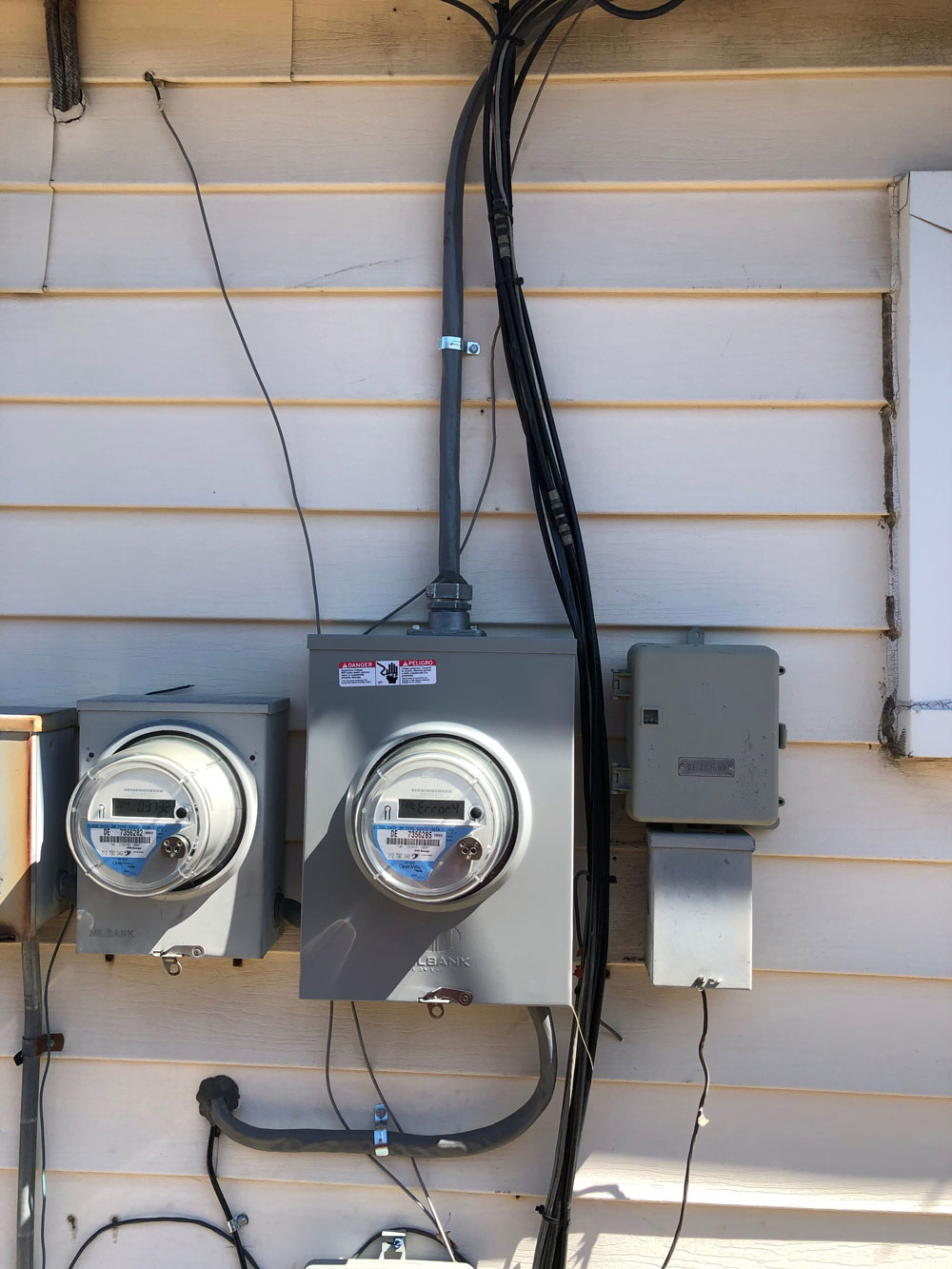
Generator installation touches more than the engine and enclosure. It involves electrical distribution, protective devices, transfer switching, wiring pathways, disconnects, and coordination with other parts of the property. Professional planning helps keep the backup-power concept focused on safe integration with the building electrical system instead of relying on improvised connections.
Executive Electric is located at 20504 Hall Rd, Clinton Township, MI 48038, and can be a useful resource when you are evaluating a diesel standby power project in the Shelby Township area. Sharing your outage concerns, electrical priorities, and property details allows the conversation to focus on a system that fits the intended use. The company’s listed Michigan location should not be confused with an office in Shelby Township.
Get a clearer path to backup power
A diesel generator can provide confidence during outages when the equipment, electrical system, and operating plan are aligned. The strongest projects begin with realistic expectations about what needs power, how long it must run, and what the property can accommodate. Executive Electric can help you begin a focused discussion about standby generator installation, electrical integration, and the next planning steps.
Contact Executive Electric to discuss your Diesel Generator Installation Shelby Township, MI needs. The company is located at 20504 Hall Rd, Clinton Township, MI 48038 and can help you start with the questions that matter for your property. A direct conversation is the right next step when you need to evaluate backup-power priorities before making an equipment decision.
Frequently asked questions about diesel standby power
How is a diesel generator sized for a property?
Generator sizing begins with the electrical loads the system must carry, including running demand and the higher startup demand of motors or compressors. An electrician reviews essential circuits, service equipment, and the desired backup scope so the generator and transfer equipment are appropriately matched to the plan.
Can a diesel standby generator power an entire building?
It can, if the generator, transfer equipment, service capacity, and fuel plan are designed for the building’s expected load. Some properties instead use a dedicated emergency panel to power only essential circuits, which can reduce required capacity and focus backup power on the systems that matter most.
What happens when utility power returns after an outage?
An automatic transfer switch monitors the utility source. When normal power is stable again, the switch transfers the selected loads back to utility power, and the generator completes its programmed cooldown and shutdown sequence. Exact operation depends on the equipment configuration and settings.
Is Executive Electric physically located in Shelby Township, Michigan?
No. Executive Electric’s supplied location is 20504 Hall Rd, Clinton Township, MI 48038. The company’s location is identified separately from the Shelby Township service topic so property owners can make an informed inquiry about a diesel generator project in that area.