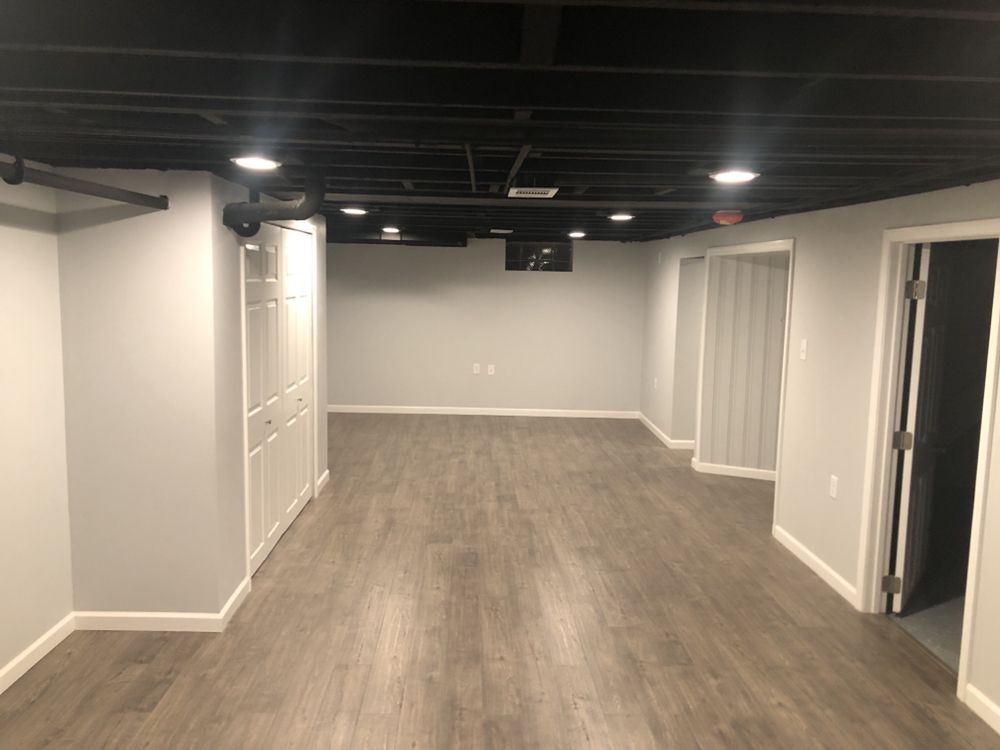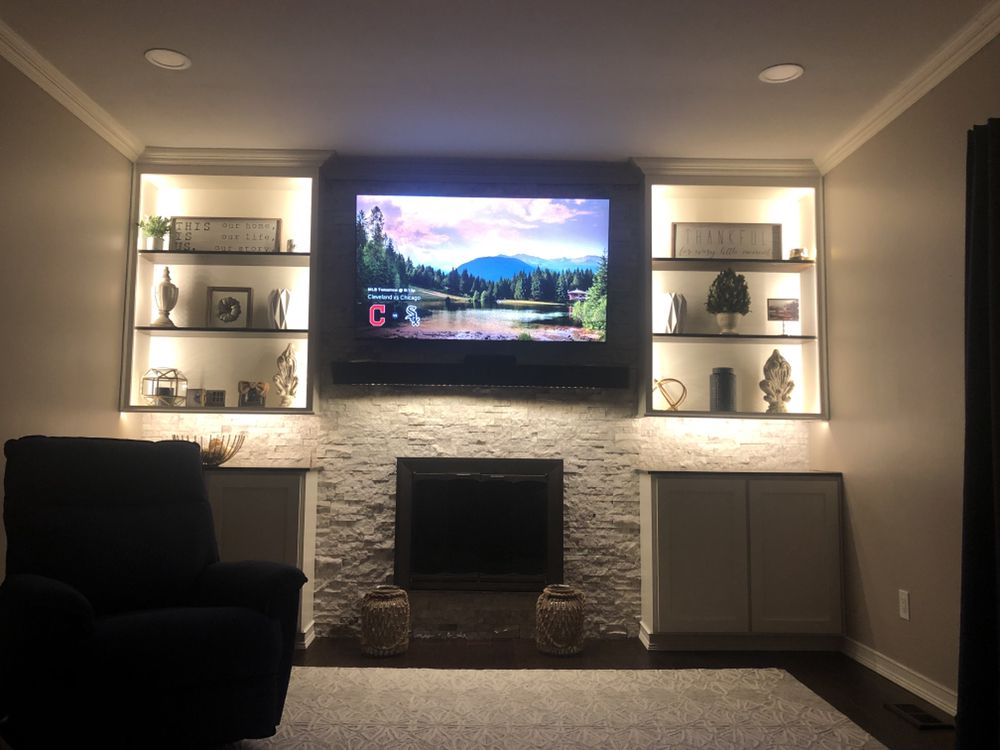
Recessed Lighting Royal Oak, MI
Well-planned recessed lighting can make a Royal Oak, MI room feel brighter, more functional, and less visually cluttered without adding a hanging fixture to the ceiling. It is a practical option for kitchens, living spaces, hallways, bathrooms, offices, and rooms where low ceilings or a clean ceiling line matter. Executive Electric can be a useful contact when you want to discuss lighting goals, ceiling conditions, placement choices, and the electrical work a project may require.
Executive Electric is located at 20504 Hall Rd, Clinton Township, MI 48038. The company is not represented here as having a Royal Oak office. Instead, this page is designed to help property owners in and around Royal Oak understand recessed fixtures and take an informed next step with an electrical professional.
What recessed fixtures can change in a room
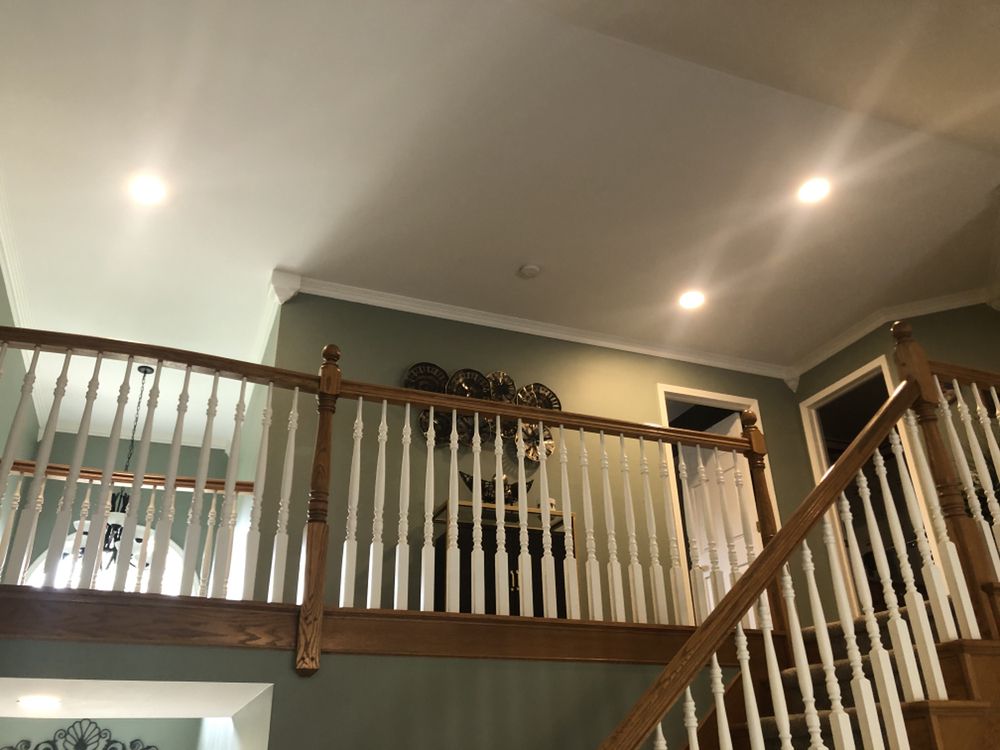
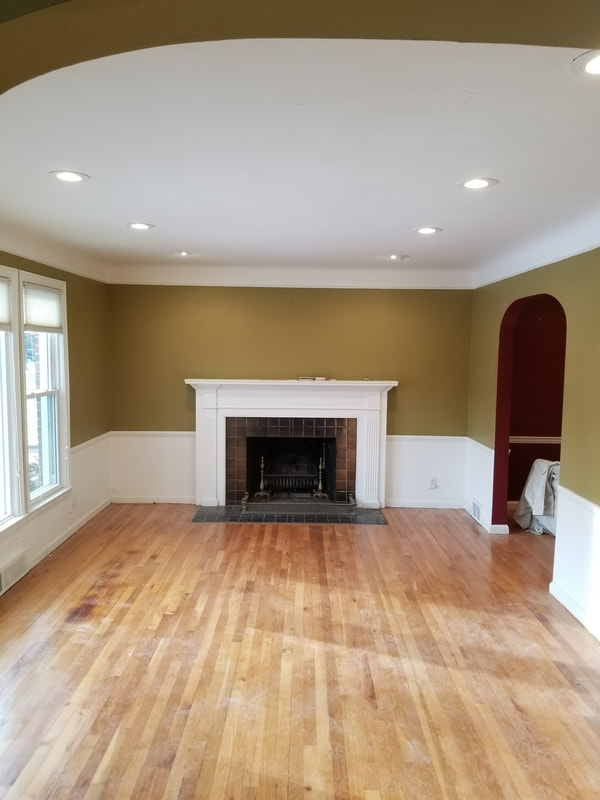
Recessed fixtures, often called can lights, pot lights, or downlights, sit within the ceiling rather than below it. Their primary benefit is controlled, overhead illumination that preserves open sightlines. A thoughtful layout can supplement daylight, reduce dark work areas, and make the room easier to use at different times of day.
For many homeowners, the appeal is not simply adding more light. It is adding light where it is needed while avoiding a single bright center fixture that leaves corners, counters, or seating areas underlit. In Michigan homes, this can be particularly valuable in interior rooms and during darker parts of the year, when dependable layered lighting becomes more noticeable.
- Kitchen task lighting: Downlights can help illuminate counters, sinks, and food-preparation areas when positioned to reduce shadows cast by the person at the counter.
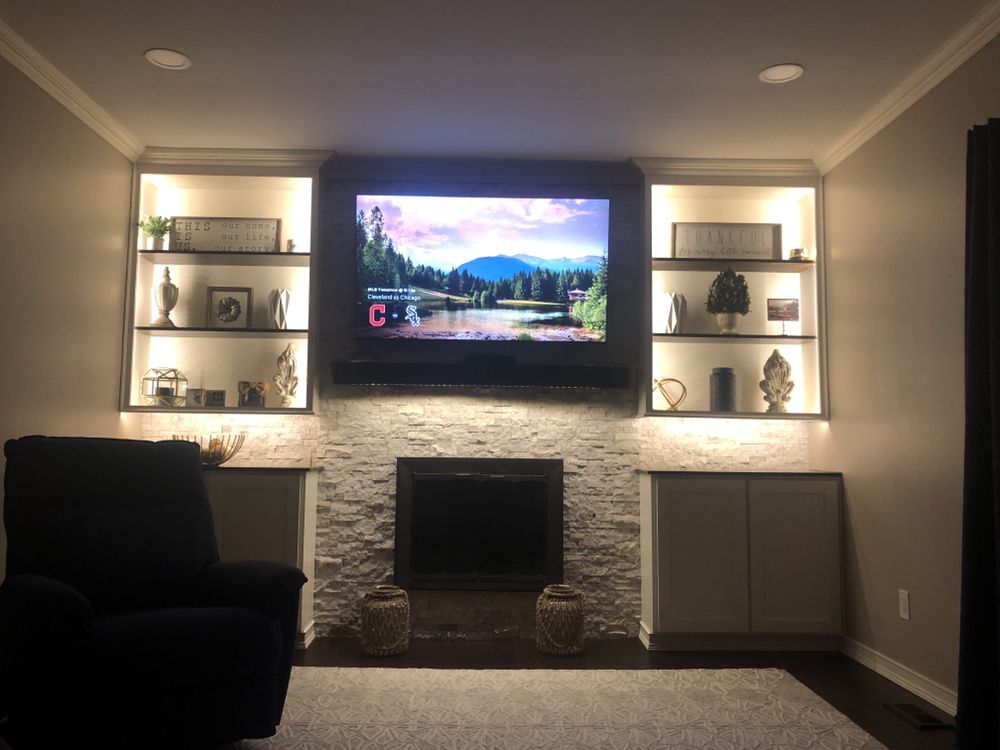
- Living-area flexibility: Multiple fixtures on dimmers can support reading, entertaining, television viewing, or a calmer evening setting.
- Hallways and entries: Recessed ceiling lights can provide even circulation lighting without narrowing a passage or competing with artwork and furnishings.
- Bathrooms and closets: Appropriate fixture selection and placement can improve visibility for grooming, storage, and daily routines.
Not every room needs a grid of identical lights. A successful plan considers how the room is used, where people stand, what surfaces need light, ceiling height, existing fixtures, and whether the goal is general, task, or accent lighting. A dining table, for example, may benefit from a decorative pendant with supporting downlights, rather than downlights alone.
Start with a lighting plan, not a fixture count
The right number and location of recessed lights depend on the space, not on a universal formula. Before any openings are made in the ceiling, the project should identify the activities that need light and the constraints above the ceiling. This approach helps prevent a layout that looks symmetrical on paper but produces glare, shadows, or unnecessary brightness in use.
Map the layers of light
General lighting provides broad room illumination. Task lighting focuses on work zones, such as a countertop or desk. Accent lighting draws attention to a wall, architectural detail, or artwork. Recessed lighting can serve one or more of these layers, but it works best when the intended role is clear for each fixture.
Consider furniture placement before finalizing the pattern. A fixture directly over a sofa may create a different effect than one aimed at a reading chair or wall display. In a kitchen, fixtures placed only along the centerline can leave a person working at the counter in their own shadow. Placement should respond to the actual room layout, not just the ceiling dimensions.
Choose the light quality and controls
Color temperature, brightness, beam spread, trim style, and dimming compatibility all affect the finished result. Warmer light is commonly chosen for relaxing areas, while a more neutral appearance may suit work-oriented spaces. The best choice is personal and depends on adjacent finishes, available daylight, and how the space is used.
Dimmers are worth discussing early because they give one lighting layout several usable settings. They can soften an otherwise bright room, support different activities, and help a homeowner avoid relying on a single on-or-off level. Compatibility matters: the fixture, lamp or integrated LED, dimmer, and existing electrical setup should be evaluated together.
- Decide whether the priority is broad ambient light, focused task light, or visual emphasis.
- Review ceiling height, attic or floor space above, joists, ductwork, and other possible obstructions.
- Identify locations near water, insulation, or exterior ceilings that may require suitable fixture choices.
- Select trims and color temperature that fit the room’s finishes and intended mood.
- Plan switching zones and dimming controls before the installation begins.
Account for the ceiling assembly
A recessed fixture is more than the visible trim. It involves a housing, wiring, connection method, trim, and light source or integrated LED component. Conditions above the ceiling can influence which products are appropriate and how the installation is approached. Insulation contact rating, air sealing, heat management, and clearance requirements are meaningful considerations, especially in ceilings below attics.
Bathrooms, showers, and other damp or wet locations also require extra attention to fixture suitability and placement. An electrical professional can assess the intended location and explain why a particular fixture type or protection level may be needed. This is one reason a lighting project should be evaluated as electrical work, not treated as a simple ceiling-cutting task.
What to expect when discussing an installation
A productive consultation turns a general wish for brighter rooms into a practical scope of work. Bring photos of the space, a rough room sketch if available, examples of lighting styles you like, and a list of concerns such as glare, switch placement, or a dark counter. Those details make it easier to discuss feasible options and tradeoffs.
- Describe the goal. Explain which areas feel dim, what activities need better light, and whether an existing fixture will remain.
- Review the site. Ceiling access, electrical capacity, obstructions, existing wiring, and fixture locations may affect the available approach.
- Develop the layout. Determine fixture locations, switching groups, dimming needs, and the type of light each zone should provide.
- Complete the electrical installation. The work may include routing wiring, installing housings or wafer-style fixtures where appropriate, connecting controls, and fitting the visible trims.
- Test and refine. After installation, fixtures and controls should be checked so the lighting functions as planned and the homeowner understands the controls.
Ceiling access can be an important practical issue. Some projects are simpler when there is attic space above, while others may require access through the finished ceiling or another planned route. Existing ceiling texture, paint, and patching expectations should be part of the conversation before work begins. Clear expectations are often as important as the fixture selection.
For a general overview of options and a starting point for a project conversation, explore recessed lighting solutions from Executive Electric in the context of your own room, goals, and ceiling conditions. A direct discussion is the best way to distinguish a straightforward fixture update from a larger lighting redesign.
How recessed lighting compares with other choices
Recessed downlights are versatile, but they are not automatically the best sole light source for every room. The strongest lighting plans often combine ceiling fixtures with pendants, wall sconces, under-cabinet lighting, lamps, or a statement fixture. Comparing the options helps you avoid using one type of light to solve every need.
Flush-mount and semi-flush fixtures can provide broad illumination and become a visible design element, but they project into the room. Pendants bring focused light and visual character over islands or tables, though they require appropriate clearance. Wall sconces can create softer, more dimensional illumination, while under-cabinet lights directly address kitchen counter shadows. Recessed fixtures stand out when a low-profile appearance and evenly distributed overhead light are priorities.
LED recessed lights are commonly considered for their compact form and efficient operation, but replacement and repair considerations vary by product design. Some fixtures use replaceable lamps; others have integrated LED modules. Ask which approach is proposed, how dimming will work, and what future maintenance may involve before making a selection.
Questions worth raising before you commit
Choose a provider based on the quality of the project discussion, the clarity of the proposed scope, and the willingness to address your specific conditions. A meaningful conversation should cover more than a fixture count. It should connect the lighting plan to the room’s function, electrical needs, and finish expectations.
- Where will each fixture direct light, and what purpose will it serve?
- Will the proposed layout minimize shadows at counters, mirrors, desks, or seating areas?
- Which fixtures and trims fit the ceiling conditions, including insulation or moisture exposure?
- Will controls be divided into useful zones, and are dimmers compatible with the fixtures?
- What access, patching, painting, or finish work should be anticipated around the installation?
Executive Electric gives Royal Oak, MI property owners a clear point of contact for discussing these questions. The company location provided is 20504 Hall Rd, Clinton Township, MI 48038, so customers should confirm project details, service considerations, and scheduling directly rather than assume an office or on-site availability in a particular city.
Common questions about recessed lighting
Are recessed lights a good choice for a low ceiling?
They can be a good choice because the fixture is set into the ceiling and does not hang down into the room. Proper placement, beam spread, brightness, and the ceiling assembly still matter, so a low-profile fixture alone does not guarantee balanced illumination.
How many recessed lights does a room need?
There is no reliable one-number answer. The needed quantity depends on room dimensions, ceiling height, surface colors, daylight, fixture output, beam angle, furniture arrangement, and whether other lighting will remain. A layout should be based on the room’s use and desired lighting layers rather than a generic spacing rule.
Can recessed lighting be installed near insulation?
Potentially, but the fixture housing must be appropriate for the surrounding condition and installed according to its requirements. Insulation, air leakage, heat, and clearance all affect the decision. An electrical professional should evaluate the ceiling assembly before selecting and installing fixtures.
Is Executive Electric located in Royal Oak, MI?
No. The provided Executive Electric location is 20504 Hall Rd, Clinton Township, MI 48038. Royal Oak, Michigan customers can use the contact page to ask about a recessed lighting project, discuss the property, and confirm whether the requested work can be arranged.
Discuss your Royal Oak lighting project with Executive Electric
If your rooms need cleaner-looking overhead illumination, better task light, or more adaptable controls, a focused conversation can clarify the next step. Share the room type, your lighting concerns, existing fixtures, and any plans for renovation so the discussion starts with useful details.
Contact Executive Electric through the contact page to discuss recessed lighting for a Royal Oak, MI property. Executive Electric is located at 20504 Hall Rd, Clinton Township, MI 48038, and can help you begin with questions about layout, fixture options, and project considerations.