Home Generator Installation Royal Oak, MI
When utility power drops, a permanently installed generator can keep essential home systems operating without the noise, refueling, and extension cords associated with a portable unit. For homeowners researching Home Generator Installation in Royal Oak, MI, Executive Electric provides a clear starting point for evaluating a backup power system that fits the home, the household, and the circuits that matter most.
Executive Electric is located at 20504 Hall Rd, Clinton Township, MI 48038. Homeowners in Royal Oak and elsewhere in Michigan can contact the company to discuss their backup-power goals, existing electrical setup, and the practical next steps for a professionally planned installation.
Plan for the outage you do not want to manage in the dark
A home generator is intended to supply electricity when the utility grid is unavailable. Depending on the system design, it can support selected essential circuits or a broader portion of the home. The right choice begins with an honest look at what the household needs to keep running during an interruption.
Common priorities include preserving refrigerated food, maintaining heat or cooling equipment when appropriate, keeping sump pumps operating, powering lighting, supporting internet equipment, and charging phones. A backup system can also be valuable for households that work from home, rely on electrically powered equipment, or simply want a more orderly response when an outage lasts longer than expected.
- Refrigerators, freezers, and selected kitchen circuits
- Lighting, receptacles, internet equipment, and device charging
- Sump pumps and other water-management equipment
- Furnace blowers or other heating and cooling components, where system capacity allows
- Garage doors, security equipment, and other chosen household loads
Whole-home coverage and essential-load coverage are different decisions
Whole house generator installation is designed around the goal of powering most or all household electrical loads during an outage, subject to proper sizing and system design. It can offer a more seamless experience, but it typically requires careful load calculations because large appliances and heating or cooling equipment can substantially affect generator capacity. An essential-load approach may be a sensible alternative when a homeowner wants to prioritize critical circuits rather than power every electrical demand at once.
Choosing between these approaches is not simply a matter of generator size. It involves the electrical panel, the desired circuits, starting loads for motors, fuel source, available installation space, and budget. A useful planning conversation identifies what must remain on, what can wait, and which simultaneous loads should be managed to avoid overloading the system.
Why automatic standby power changes the experience
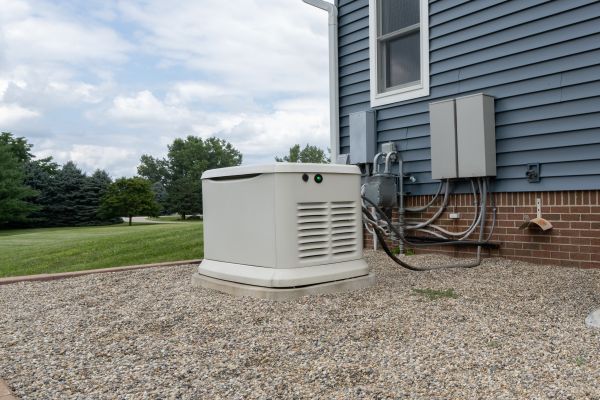
Standby generator installation generally refers to a permanently connected system that works with an automatic transfer switch. When the utility supply fails, the transfer equipment separates the home from the grid and directs generator power to the selected electrical system after the generator starts. When normal utility power returns, the system transfers back in an orderly manner.
A Home standby generator is different from a portable generator because it is fixed in place and integrated with the home electrical system. That integration can reduce the need for manual setup during severe weather or an unexpected nighttime outage. Homeowners should still understand the system controls, maintenance expectations, and which loads are included in their backup plan.
What a thoughtful generator installation involves
Successful generator projects are planned electrical projects, not just equipment purchases. The evaluation should account for the home’s electrical service, intended loads, generator location, transfer equipment, fuel arrangement, and applicable permitting or inspection requirements. Discussing these factors before equipment selection helps avoid an undersized or poorly matched backup-power design.
- Identify outage priorities. List the appliances, systems, and rooms that need power first, then separate must-have loads from conveniences.
- Review electrical demand. A load assessment helps determine how much capacity is needed and whether selected equipment can operate together.
- Select the system approach. Choose essential-circuit coverage, broader home coverage, or a load-managed configuration based on goals and constraints.
- Coordinate equipment and connections. The project may include generator placement, transfer switching, electrical connections, and fuel-source coordination.
- Test and learn the system. After installation, homeowners should know how the equipment operates, what it powers, and how to follow the manufacturer’s maintenance guidance.
Backup generator installation should include enough upfront discussion to make the system useful in a real outage rather than only on paper. For example, a family may need refrigerator, sump pump, selected lights, and internet power, while another household may prioritize additional comfort loads. Clear expectations about what the generator will and will not support are central to a satisfying design.
Fuel source, placement, and transfer equipment matter
Natural gas generator installation can be appealing because a permanently connected fuel supply eliminates the need to store and refill gasoline during an outage. However, fuel availability, equipment sizing, connection requirements, and local approvals must be evaluated for the specific property. Propane is another common standby option, while portable systems often use gasoline or other fuels and require a much more hands-on operating process.
The generator itself is only one part of the backup-power system. Transfer equipment is critical because it manages the change between utility and generator power and helps prevent unsafe backfeeding. Proper outdoor placement, electrical connections, clearance considerations, and adherence to manufacturer instructions and local requirements are reasons to involve a qualified electrical professional rather than attempting a do-it-yourself connection.
Compare your home backup options before committing
Home electrical backup solutions range from battery systems and portable generators to permanently installed standby units. Batteries can be useful for quieter, limited-duration power needs and may pair with other energy equipment, but their stored capacity and recharge conditions should be considered. Portable generators cost less initially in many cases, yet they require manual setup, safe outdoor operation, and careful fuel management.
A permanently installed system is often chosen for automatic response and longer-duration support when a suitable fuel source is available. The best option depends on how frequently outages occur, which household systems are essential, the desired level of automation, and whether the homeowner is comfortable managing a portable unit. Comparing the full ownership experience, not only the initial equipment price, leads to a more informed decision.
Power outage backup solutions should be designed around safety as well as convenience. Never operate a portable generator indoors, in a garage, or near openings where exhaust can enter the home, and never connect one directly to household wiring without appropriate transfer equipment. Carbon monoxide risk, fuel handling, weather exposure, and extension-cord limitations are important reasons many homeowners explore an automatic standby alternative.
A practical checklist for choosing a provider
Homeowners should look for clear communication about scope, load planning, equipment requirements, and the steps involved before and after installation. It is reasonable to ask how the transfer switch will function, which circuits or loads are included, who coordinates necessary electrical work, and what maintenance the manufacturer recommends. The answers should be specific to the property rather than based on a one-size-fits-all promise.
- What essential loads should be included in the backup plan?
- Will the proposed capacity support desired loads running at the same time?
- Is whole-home power necessary, or would selected circuits meet the goal?
- What fuel source is available and appropriate for the property?
- What permits, inspections, and manufacturer maintenance steps may apply?
- How will the homeowner know the system is ready for an outage?
Residential generator services are most useful when they connect those questions to a concrete electrical plan. Executive Electric can be a relevant contact for Royal Oak, MI homeowners who want to discuss backup-power needs with an electrical provider and move from general research toward a project-specific conversation. Bringing a list of priority appliances and any known concerns about the electrical panel can make that discussion more productive.
Frequently asked questions
What does Home Generator Installation in Royal Oak, MI typically include?
Home Generator Installation typically includes planning the electrical loads to be backed up, selecting a suitable generator and transfer method, making electrical connections, and testing system operation. The exact scope depends on whether the homeowner wants selected essential circuits or more comprehensive household coverage, plus the property’s fuel and electrical conditions.
Can a generator power my entire home during an outage?
It can, if the generator and electrical design are sized for the home’s expected loads. Whole-home operation may require more capacity than essential-circuit coverage, especially when large appliances, motors, or heating and cooling equipment are expected to run. A load assessment helps establish realistic expectations.
Why is an automatic transfer switch important?
An automatic transfer switch manages the safe change between utility electricity and generator electricity. It prevents generator power from feeding back toward utility lines and can start the backup sequence without the homeowner manually connecting equipment. The transfer switch should match the planned generator system and selected electrical loads.
Do standby generators need maintenance after installation?
Yes. Generator maintenance follows the equipment manufacturer’s guidance and commonly includes periodic exercise, inspection, and service of applicable components. Homeowners should also keep the area around the outdoor unit clear and understand any fuel-related checks needed for their specific setup. Regular attention helps ensure the system is prepared when utility power is interrupted.
Discuss your Royal Oak backup-power plan with Executive Electric
Whether you are weighing essential-circuit protection against broader home coverage, the first step is defining what reliable power means for your household. Executive Electric is located at 20504 Hall Rd, Clinton Township, MI 48038 and can help begin the conversation for homeowners considering a generator project in Royal Oak, Michigan. Contact Executive Electric to discuss your home, your outage priorities, and the next steps toward a properly planned backup-power system.