Home EV charger installation Royal Oak, MI
Charging an electric vehicle at home should fit your driving routine, vehicle, and electrical system. Executive Electric provides a clear starting point for homeowners researching Home EV charger installation in Royal Oak, MI, from evaluating the intended charging location to understanding the equipment and circuit work a dedicated charger may require. Executive Electric is located at 20504 Hall Rd, Clinton Township, MI 48038, and Royal Oak customers can contact the company to discuss their project.
A properly planned home setup can replace repeated trips to public charging with dependable overnight charging where the vehicle is parked. Whether you drive a battery-electric vehicle, a plug-in hybrid, or are preparing for a new EV delivery, the goal is the same: establish a safe, practical charging arrangement that matches how you use the vehicle. Michigan weather, garage layouts, driveway parking, panel capacity, cable management, and future vehicle plans all deserve consideration before equipment is selected.
What a home charging project is designed to solve
Home EV charger installation creates a dedicated way to supply power to an electric vehicle at the residence. It is often a valuable upgrade for drivers who want more predictable charging, faster replenishment than a standard household receptacle can provide, and less dependence on charging availability away from home. The right approach depends on the vehicle, the charger, the home electrical system, and where the vehicle will normally park.
- Overnight readiness: Start the day with charging completed while the vehicle is at home.
- Convenient routine: Plug in where you already park instead of building errands around a charging stop.
- Purpose-built power: Use a dedicated circuit and appropriately selected equipment for EV charging.
- Future planning: Consider a setup that suits a second EV, a different vehicle, or changing driving needs later.
Level 1, Level 2, and dedicated outlets are different options
Not every EV owner needs the same charging configuration. A Level 1 cord set generally uses a standard household outlet and may suit light daily driving, but it charges more slowly. Level 2 equipment uses 240-volt power and is commonly chosen when a household needs more charging capability during an evening, overnight, or between-trip window.
Residential EV charger installation is more than mounting a device on a wall. It involves matching the charging plan to the residence, identifying a suitable circuit path, and considering whether the electrical panel can support the expected load. A thoughtful residential installation also accounts for where the cable will reach, how it will be stored, and how the setup will function in daily use.
A Home charging station can be a hardwired unit or, in some situations, equipment that connects through a suitable receptacle. Hardwired and plug-in arrangements have different equipment, connection, and placement considerations. Discussing the vehicle connector, desired charging speed, parking position, and whether the station will be indoors or outdoors helps define the practical scope.
Start with the vehicle, parking space, and electrical capacity
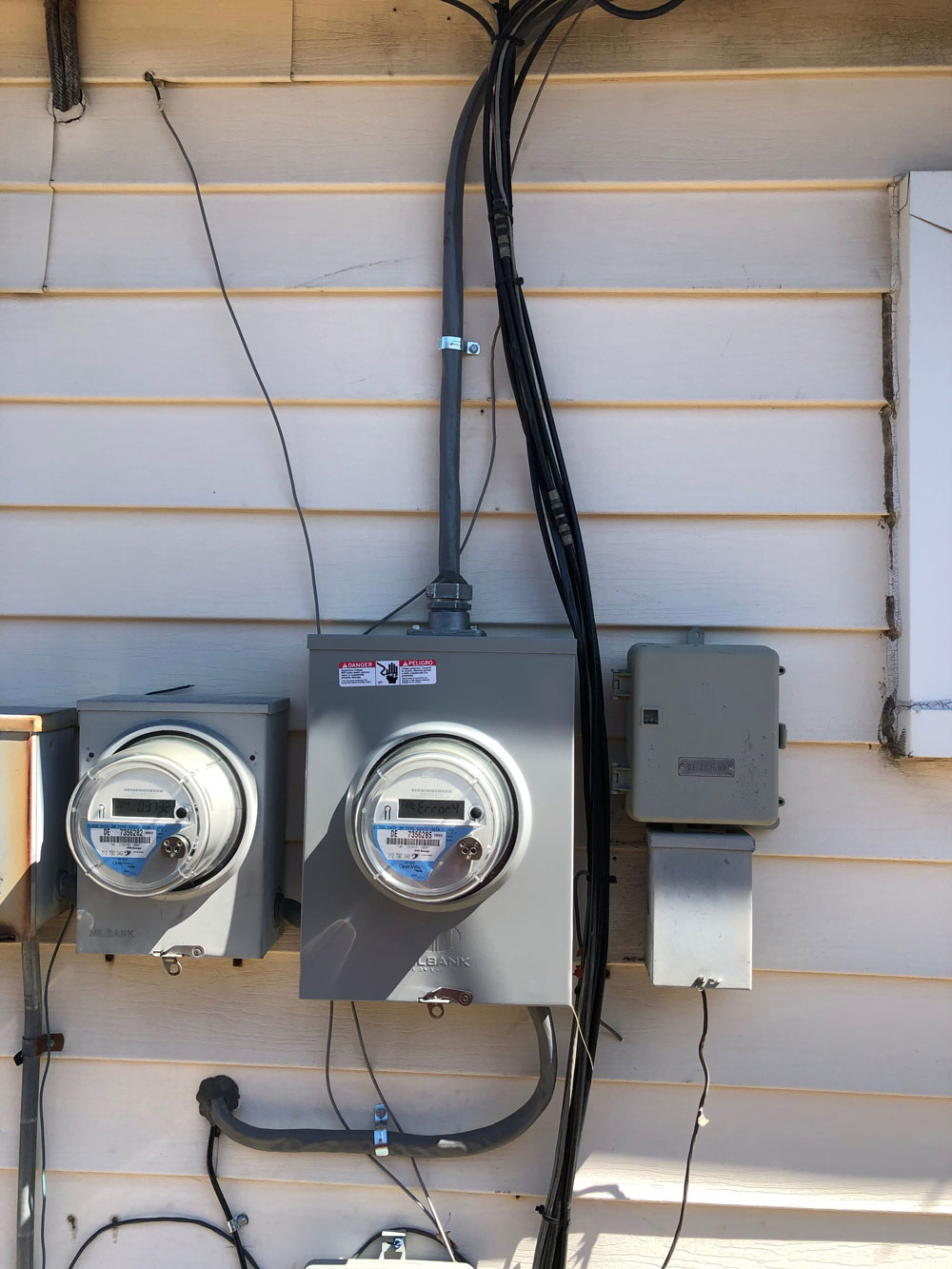
The best time to resolve installation details is before purchasing or scheduling equipment. An electrician needs a useful picture of the vehicle or planned vehicle, the charger model if one has been selected, the usual parking location, and the home’s electrical service. This review helps avoid selecting a charger or outlet arrangement that does not fit the available electrical capacity or everyday parking pattern.
- Identify how far the vehicle is driven on a typical day and when it can charge.
- Choose the likely parking location, such as a garage bay, carport, or driveway.
- Confirm the vehicle’s charging connection and the charger manufacturer’s electrical requirements.
- Review the electrical panel, available capacity, circuit route, and mounting or receptacle location.
- Determine whether permitting or inspection may apply, then plan the installation accordingly.
- Test the completed charging arrangement and learn the basic operating and cable-handling routine.
Why Level 2 charging is a common home choice
Level 2 EV charger installation uses a 240-volt circuit to provide substantially more charging capability than a typical 120-volt Level 1 setup. For many households, that makes it easier to recover daily driving energy overnight or during a predictable at-home window. The charging rate is not determined by the wall unit alone, because the vehicle’s onboard charging capability and the circuit design also affect the result.
Choosing a higher-rated charger does not automatically mean a home can or should supply its maximum rating. The electrical installation must be designed around the charger specifications, the vehicle, and the home’s load capacity. A professional evaluation is especially useful when a panel is already supporting major electrical loads, when the circuit route is long, or when an owner is considering future expansion.
Understanding 240-volt circuits and load planning
240V EV charger installation generally involves a dedicated circuit selected for the charging equipment’s requirements and the home’s electrical conditions. This is not the same as simply locating any existing 240-volt outlet, since outlet type, circuit rating, wiring condition, dedicated use, and equipment compatibility matter. Proper load planning helps determine whether the existing service can support the proposed charging load or whether other electrical work should be considered.
Placement also affects the quality of the finished project. A charger should be positioned so the connector reaches the vehicle without stretching the cable across walkways, pinching it under doors, or creating unnecessary trip exposure. Indoor and outdoor installations may call for different weather protection, mounting, and routing decisions, so it is useful to describe the actual parking setup when contacting Executive Electric.
Charger choices for Tesla and other EVs
Most current EV charging decisions come down to compatibility, charging needs, and the homeowner’s preferred equipment features. Some owners choose a manufacturer-specific wall connector, while others select a universal or compatible station for flexibility. Smart scheduling, load management features, cable length, access control, and app functions can be useful considerations, but they do not replace the need for a suitable electrical installation.
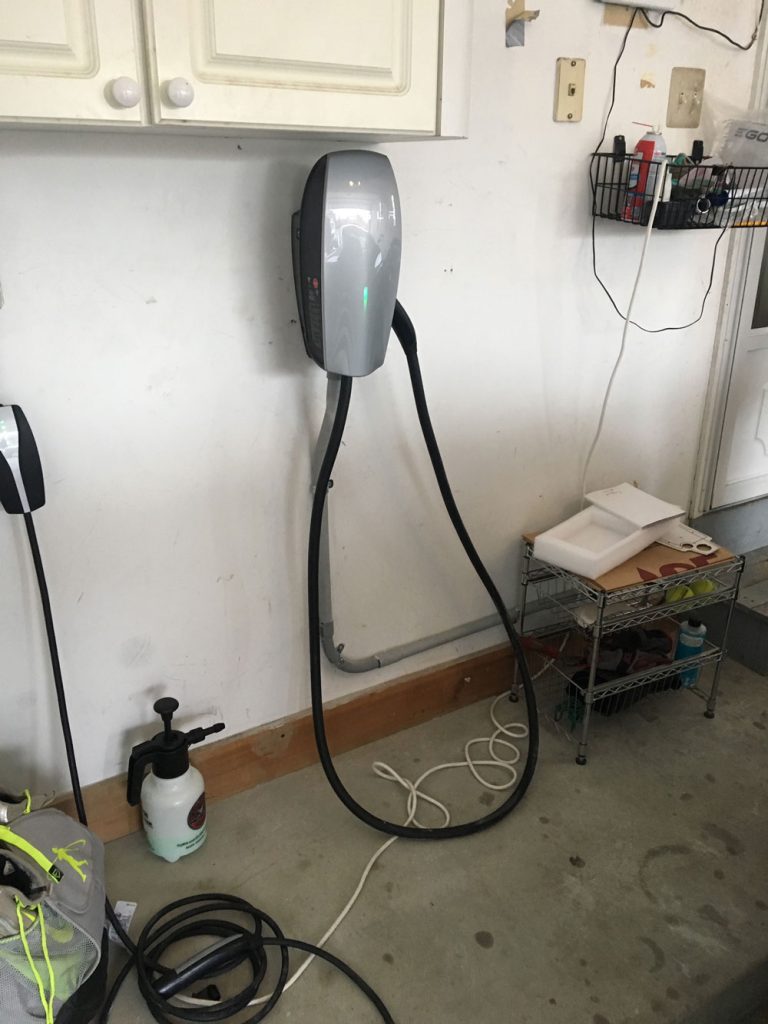
Tesla charger installation requires attention to the selected Tesla charging equipment, its electrical specifications, and the location where the vehicle will park. Tesla owners may prefer a dedicated wall connector for an integrated home setup, while some households may prioritize a configuration that can accommodate more than one EV brand. Confirming the exact charger model before installation helps align the circuit and connection method with the manufacturer’s instructions.
For drivers who want flexibility rather than a permanently mounted charging unit, an EV charging outlet installation may be an appropriate route when it is compatible with the chosen portable or plug-in equipment. A correctly selected receptacle and dedicated circuit can support a plug-in charging arrangement, but the outlet type and rating must match the equipment requirements. Homeowners should avoid treating an EV as an ordinary intermittent appliance, because EV charging can be a sustained electrical load.
What to look for before selecting an installation provider
Choosing a provider for an EV charging project should begin with clear communication about the actual home and equipment. Share photos or details of the electrical panel and parking area if requested, identify whether the charger has already been purchased, and explain the desired location. A useful project discussion addresses the electrical path and scope, not only the charger itself.
- Ask whether the proposed setup is hardwired or receptacle-based and why that option fits the equipment.
- Provide the charger make and model, or ask what specifications should be confirmed before buying one.
- Discuss panel capacity and whether a load calculation or additional electrical work may be relevant.
- Ask how the circuit will be routed and how the charger or outlet will be positioned.
- Confirm applicable permit and inspection responsibilities for the project location.
- Plan for cable reach, weather exposure, vehicle changes, and possible future charging needs.
Executive Electric can be a practical contact point when you want to move from general EV charger research to a conversation about your property. The company’s stated location is 20504 Hall Rd, Clinton Township, MI 48038, rather than Royal Oak, so the discussion can focus on the project details and service needs rather than assuming a Royal Oak office. For homeowners across Michigan considering an electric vehicle upgrade, clear information about the residence is the best foundation for a productive installation consultation.
A safer, more usable charging routine begins with planning
A residential EV charging setup should be treated as an electrical project, not just an accessory purchase. Using manufacturer-specified equipment, a properly designed dedicated circuit, and an installation plan tailored to the property helps support safe, convenient daily use. It also gives homeowners a chance to make informed decisions about speed, location, equipment type, and possible future needs before work begins.
If you are comparing charging options, Executive Electric can help start the conversation around your vehicle, your planned charger, and your home electrical layout. Contacting the company before making final equipment decisions may clarify whether a wall-mounted unit, a compatible outlet, or a different charging plan is most sensible for the property. That preparation can make the transition to at-home EV charging more straightforward.
Home EV charging questions from Royal Oak homeowners
How long does Home EV charger installation usually take?
The schedule depends on the charger, circuit route, panel capacity, permitting requirements, and whether electrical upgrades are needed. A straightforward installation may involve less work than a project requiring a longer wire run, panel changes, or coordination with an inspection. Executive Electric can discuss the details of a specific Royal Oak, MI property before setting expectations.
Do I need a Level 2 charger at home?
Not every driver does. A standard Level 1 setup may be adequate for low daily mileage and long charging windows, while Level 2 charging is often preferred by drivers who need faster replenishment at home. The appropriate choice depends on daily driving, vehicle capability, parking time, and the home’s electrical capacity.
Can I use an existing dryer or range outlet for EV charging?
An existing 240-volt outlet should not be assumed suitable for EV charging. Its circuit rating, receptacle type, wiring condition, dedicated-use status, and compatibility with the charging equipment must be evaluated. A dedicated EV circuit is often the clearer solution for a reliable long-term charging arrangement.
Is Executive Electric physically located in Royal Oak, Michigan?
Executive Electric’s supplied location is 20504 Hall Rd, Clinton Township, MI 48038. Homeowners seeking Home EV charger installation in Royal Oak, MI can use the contact process to discuss their property, vehicle, charger choice, and the service details relevant to their installation.
Ready to plan a more convenient way to charge at home? Contact Executive Electric to discuss Home EV charger installation, charger equipment, and your Royal Oak-area property. Executive Electric is located at 20504 Hall Rd, Clinton Township, MI 48038, and can help you begin with the details that matter for your Michigan home.