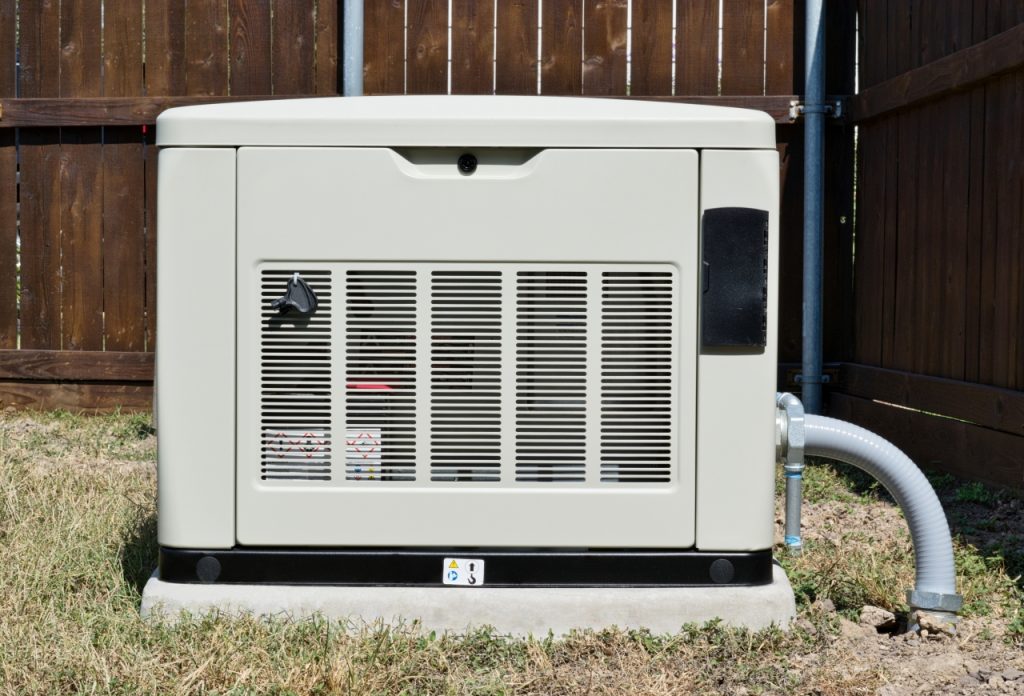
Generator wiring services Royal Oak, MI
Reliable backup power begins with a safe, intentional connection between a generator and the electrical loads that matter most. For property owners researching Generator wiring services Royal Oak, MI, Executive Electric provides a practical starting point for understanding generator connections, transfer equipment, dedicated circuits, and the questions to resolve before work begins. Executive Electric is located at 20504 Hall Rd, Clinton Township, MI 48038, and Royal Oak is a service-area reference, not a claimed company office location.
A generator can be useful during an outage, but a generator alone does not create a safe backup-power plan. The wiring method determines how power reaches selected equipment, how the utility supply is isolated, and how a homeowner or business operator uses the system when normal power is unavailable. Professional planning helps protect people, equipment, and the utility system while making backup power easier to use when it is needed.
What generator wiring is designed to accomplish
Generator wiring connects a backup power source to chosen electrical circuits through an appropriate, controlled connection method. Rather than running multiple extension cords through doors or windows, a designed setup can route generator power to essential loads from a designated inlet and transfer device. The right arrangement depends on the generator, the property’s electrical panel, and the amount of equipment the owner wants to support.
A useful plan starts by identifying what must remain powered during an outage. That may include refrigeration, lighting, a sump pump, communication equipment, medical-support equipment, a furnace blower, or selected business equipment. It is important to distinguish essential loads from every load in the building, because generator capacity has limits and starting loads can be significantly higher than normal running loads.
- Generator inlet: An exterior or otherwise appropriate connection point that accepts generator power without improvised cord routing.
- Transfer equipment: A manual transfer switch, interlock arrangement where appropriate, or other listed equipment that manages the change between utility and generator power.
- Essential-load circuits: Specific circuits selected for backup operation based on priority and available generator output.
- Load planning: A review of wattage, voltage, amperage, and motor starting requirements to avoid overloading the source.
Electrical generator connections should never permit generator electricity to travel backward onto utility lines. This dangerous condition, often called backfeeding, can endanger utility workers, damage equipment, and create serious fire and shock hazards. Proper transfer equipment is central to a safe installation because it separates generator power from the utility source during generator operation.
Whole-home backup and selected-circuit backup are different choices
Not every property needs the same level of backup coverage. A whole-home approach is generally intended to support a much broader range of loads, while a selected-circuit approach focuses on the equipment that is most important during an outage. Choosing between them involves generator output, budget, electrical-panel configuration, fuel considerations, and realistic expectations about what will run at the same time.
For many households, selected-circuit backup is a sensible way to prioritize comfort and protection without sizing a generator for every appliance. A larger arrangement may be more appropriate when critical systems or operational needs require broader coverage. A wiring discussion should clarify those goals before equipment is chosen, not after a generator is already purchased.
Portable generator wiring needs a deliberate connection plan
Portable generator wiring is more than selecting a heavy-duty cord. A portable unit may be paired with an inlet and suitable transfer equipment so power can be delivered to selected circuits without unsafe backfeeding or makeshift connections. The generator must also be operated outdoors in a well-ventilated location, away from doors, windows, and vents because exhaust can introduce carbon monoxide into a building.
Portable units are often chosen for flexibility and lower initial equipment cost, but they require hands-on setup during an outage. The owner may need to position the generator, connect it, start it, monitor fuel, and manage connected loads. By comparison, permanently installed standby systems may offer different convenience and capacity characteristics, yet they still need correctly planned electrical connections and transfer equipment.
A sensible process before generator connection work begins
The most productive generator wiring project starts with a clear picture of the existing electrical system and the owner’s outage priorities. Executive Electric can be contacted to discuss the property, the type of generator under consideration, and the desired backup loads. That conversation helps turn a general request for backup power into a more useful scope for evaluation.
- List priority equipment. Note the circuits, appliances, pumps, heating components, electronics, or work equipment that should operate during an outage.
- Confirm generator details. Record the generator’s voltage, receptacle type, rated output, surge capacity, and whether it is portable or permanently installed.
- Review the electrical panel. Panel capacity, circuit layout, available space, and the location of the proposed inlet or transfer equipment affect the solution.
- Plan load use. Decide which loads cannot operate together and how power will be managed when the generator is in use.
- Discuss required approvals. Electrical work may be subject to local permitting, inspection, utility, or code requirements, so the applicable requirements should be confirmed for the property.
During the planning stage, it is helpful to bring product documentation for any generator already purchased. Receptacle configurations and output ratings vary, and a connection designed for one model may not suit another. Providing accurate information early reduces the chance of planning around the wrong connector, voltage, or load expectation.
Why load calculation matters during an outage
Generator capacity is not simply a matter of adding appliance labels. Motors, compressors, pumps, and certain heating or cooling components can draw higher starting current, and several loads starting at once can exceed a generator’s capability. Careful load management helps avoid tripped breakers, voltage problems, generator shutdowns, and damage risks associated with overloading.
It is also wise to consider how the property will be used during a prolonged outage. Refrigeration and a sump pump may be priorities, while electric cooking, clothes drying, or large air-conditioning loads may need to remain off. A good backup plan sets realistic expectations and provides a practical sequence for operating essential circuits.
What to consider when choosing generator electrical work
Generator hookup work should be evaluated as an electrical safety project, not as a convenience accessory. The connection must match the generator and property electrical system, use appropriate equipment, and provide a dependable way to isolate utility power. Asking focused questions before scheduling work can help a property owner compare options without relying on assumptions.
- Which essential circuits are practical to place on backup power?
- Does the proposed generator have sufficient running and starting capacity for those circuits?
- What transfer method is appropriate for the panel and intended use?
- Where should the generator inlet be located for convenient, safer operation?
- What operating steps will the owner follow before connecting and after shutting down the generator?
- Are local permits or inspections applicable to the planned work?
Cost comparisons should account for the complete system rather than only the generator purchase price. The transfer method, inlet, breakers, wiring route, panel conditions, selected circuits, and applicable approvals can all affect the final scope. A lower-cost shortcut that lacks safe isolation can create far greater risk than a correctly designed connection.
Common misconceptions can lead to unsafe decisions
One common misconception is that plugging a generator into a standard household outlet can power a building safely. It cannot provide a controlled, approved transition between generator and utility power, and it can create an extremely hazardous backfeed condition. Another misconception is that a larger generator automatically solves every backup-power concern, even though connection design and load management remain essential.
Extension cords may be useful for temporary, limited outdoor-generator use when selected and used correctly, but they are not a substitute for a planned generator connection when multiple critical circuits need power. They can create tripping hazards, limit what can be powered, and make it difficult to operate a property efficiently during an extended outage. An installed connection approach can make the response more orderly and reduce reliance on ad hoc wiring.
Talk with Executive Electric about your backup-power goals
Executive Electric offers a direct point of contact for people considering generator electrical connections in the Royal Oak area and elsewhere in Michigan. The company’s listed location is 20504 Hall Rd, Clinton Township, MI 48038. Sharing the generator type, panel information, and essential-load list when you reach out can make the initial conversation more productive.
If you want a clearer path from outage concerns to a safer backup-power setup, contact Executive Electric to discuss your situation. The team can help begin the conversation around generator wiring services, selected circuits, transfer equipment, and the practical information needed to evaluate your next step. Use the Executive Electric contact page to request assistance and discuss your property’s needs.
Generator connection questions from Royal Oak property owners
What do Generator wiring services typically include?
Generator wiring services typically involve planning a safe way to connect a generator to selected building circuits, often using an inlet and transfer equipment. The scope depends on the generator’s output, the electrical panel, which loads need backup power, and applicable local requirements. A proper arrangement prevents utility backfeeding during generator use.
Can a portable generator power my electrical panel?
A portable generator can support selected panel circuits when it is paired with a suitable inlet and transfer method designed for the property and generator. It should not be connected by backfeeding through a receptacle or improvised wiring. Capacity, receptacle type, and priority loads should be evaluated before planning the connection.
Do I need to power my entire home during an outage?
No. Many property owners choose essential-load backup instead of whole-home coverage. Prioritizing refrigeration, lighting, pumps, communications, and other critical equipment can reduce generator size requirements and simplify load management. The best choice depends on what must operate, what the generator can supply, and the property’s electrical layout.
Is Executive Electric located in Royal Oak, MI?
Executive Electric’s listed location is 20504 Hall Rd, Clinton Township, MI 48038. This page addresses generator connection needs for people seeking information related to Royal Oak, MI. Contact Executive Electric directly to discuss the property location, generator plans, and the service inquiry.