Briggs & Stratton generator installation Royal Oak, MI
When an outage interrupts lights, refrigeration, internet access, heating or cooling equipment, and everyday routines, a properly planned standby generator can make the difference between waiting in the dark and maintaining essential power. Executive Electric provides a clear starting point for property owners researching Briggs & Stratton generator installation for a home or business in Royal Oak, MI. The company location provided is 20504 Hall Rd, Clinton Township, MI 48038, rather than Royal Oak, so customers should contact Executive Electric to discuss their property, equipment needs, and service arrangements.
A generator installation is more than placing a machine beside a building. It involves matching generator capacity to intended loads, planning the electrical connection, determining how the unit will receive fuel, and arranging the automatic transfer equipment that safely separates generator power from utility power. Thoughtful planning helps a Michigan property owner select a backup-power approach that fits real priorities instead of paying for capacity that will not be used or discovering too late that essential circuits were omitted.
What a standby generator system is designed to do
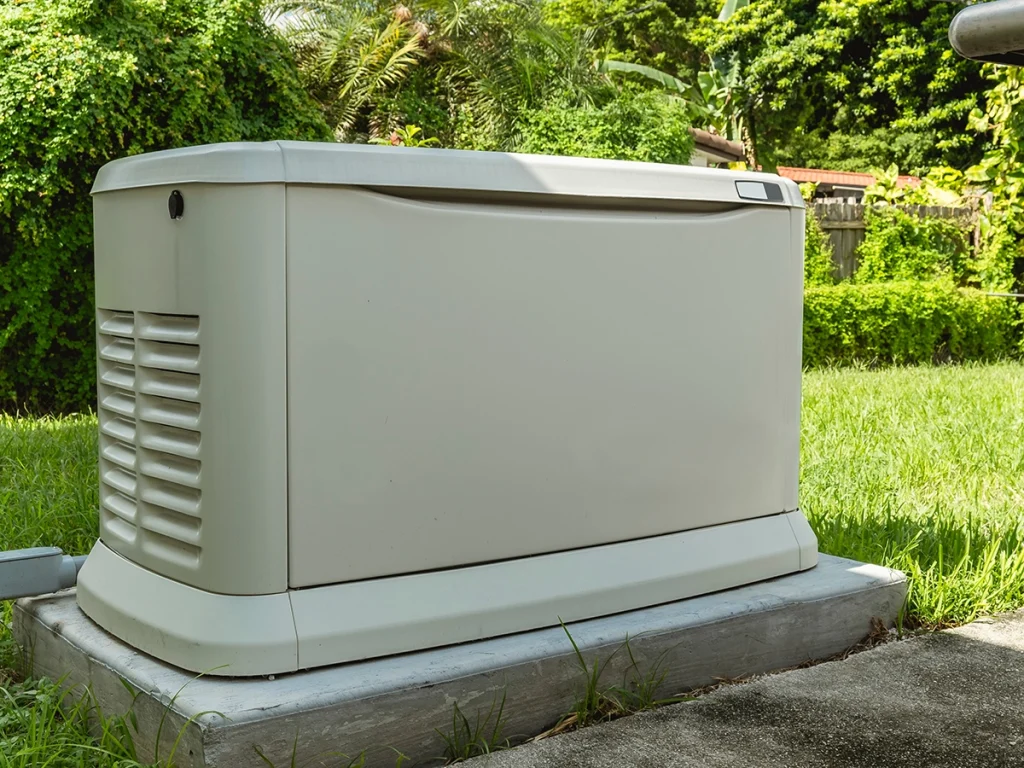
A standby generator is a permanently installed backup power system that can start when utility electricity fails and supply selected or whole-property loads through transfer equipment. A Briggs & Stratton standby generator is generally considered by owners who want an automated alternative to moving, fueling, and connecting a portable generator during an outage. The right configuration depends on the building’s electrical demand, fuel source, and the level of continuity the owner wants.
For many households, the central question is not simply, “What generator size should I buy?” It is, “What must remain powered?” Some owners prioritize refrigeration, sump equipment, communications, lighting, and a few receptacles. Others may want greater coverage for heating or cooling components, well or pump equipment, kitchen appliances, or a larger portion of the electrical panel. A commercial property may instead focus on critical equipment, security, network hardware, or operations that cannot reasonably pause.
Automatic transfer equipment is a core part of the system
An automatic transfer switch, often called an ATS, manages the changeover between utility service and generator power. During an outage, the transfer equipment is designed to prevent generator power from feeding back onto utility lines, a condition that can create serious safety hazards. When utility power returns, the system transitions back according to its operating design.
The transfer switch selection affects what the generator can serve. Some installations use a service-rated transfer switch for broad coverage, while others use load-management or selected-circuit approaches to prioritize particular equipment. This is one reason a site-specific electrical assessment matters before committing to a Briggs & Stratton home generator installation.
Generator size follows the load plan, not a guess
Generator output is commonly discussed in kilowatts, but the practical sizing conversation starts with electrical loads. Motors and compressors can draw more power at startup than while running, and several major loads may overlap. The electrical panel, appliance information, HVAC equipment, and the owner’s desired level of backup coverage all help shape a realistic plan.
- Essential-load backup concentrates available power on selected circuits and equipment that matter most during an outage.
- Managed-load backup can coordinate larger loads so they do not all demand power at once.
- Broad or whole-property coverage aims to support more of the building, subject to the generator, transfer equipment, and site conditions.
More capacity can provide more flexibility, but it also affects equipment selection, installation requirements, fuel planning, and budget. An honest list of must-have loads, nice-to-have loads, and equipment that can stay off temporarily gives a contractor useful information and helps prevent oversimplified recommendations.
How Briggs & Stratton generator installation is typically planned
A well-considered Briggs & Stratton generator installation begins with the property and its electrical priorities, then moves into equipment, placement, fuel, and connection details. The exact sequence can vary with the project, local requirements, and the equipment selected. Executive Electric can be contacted to discuss the scope of a potential installation and the questions specific to a Royal Oak property.
- Discuss outage priorities. Identify the circuits, appliances, systems, or business functions that should have backup power.
- Review the electrical service. The existing panel, service configuration, planned transfer equipment, and load characteristics influence the design.
- Consider placement and fuel. The generator location needs to account for manufacturer guidance, clearances, access for maintenance, noise considerations, and the available fuel arrangement.
- Choose the system approach. Generator capacity, transfer switch type, load management, and desired coverage are considered together rather than as isolated purchases.
- Complete installation and startup steps. Electrical work, connections, commissioning activities, and owner orientation should follow the applicable project requirements and equipment instructions.
Before requesting an estimate or consultation, it can help to photograph the electrical panel and generator location, note the make and fuel type of major HVAC equipment, and make a list of items that cannot be without power. These details do not replace an onsite evaluation, but they make the initial discussion more productive. They also help distinguish a basic backup plan from a more comprehensive Briggs & Stratton backup generator installation.
Placement, fuel, and permitting deserve early attention
Outdoor standby units require a suitable location, including appropriate clearances and a practical path for electrical and fuel connections. Fuel may be supplied by natural gas or propane depending on the property and local utility or fuel arrangements. Fuel capacity and delivery characteristics must be considered because generator performance depends on more than the electrical rating printed on the unit.
Permitting and inspection requirements can apply to electrical, fuel, and installation work. Requirements are determined by the authority having jurisdiction and the project details, so it is wise to address them early rather than treating them as an afterthought. A professional conversation should also cover whether landscaping, gates, drainage, or limited access could affect placement or future service access.
Is a Briggs & Stratton standby system a fit for your property?
A permanently installed generator is often a good fit for people who want dependable, automated backup for recurring or disruptive outages and who have a clear need for essential systems to remain available. It may be especially worth considering when manual portable-generator setup would be inconvenient, impractical, or unsafe for the household. The decision is personal, however, and the best solution is the one that matches actual risk, budget, and operating expectations.
A portable generator can be a reasonable alternative for temporary, limited, or lower-demand needs. It usually requires manual setup, safe outdoor operation, fuel storage, and a proper connection method. A standby system generally involves a larger initial project but can offer automatic operation and a more integrated electrical solution. Battery backup may suit selected electronics or short-duration needs, but it has different capacity and runtime considerations than an engine-driven generator.
- Choose a standby approach when automatic response and longer-duration backup are important priorities.
- Consider selected circuits when protecting essentials matters more than operating every major appliance.
- Evaluate fuel availability before selecting equipment, because a generator needs a reliable fuel plan as well as electrical infrastructure.
- Ask how future changes, such as an HVAC replacement, electric vehicle charging, or added appliances, could affect the load plan.
There is no universal “whole-house” size that works for every Michigan home. Two homes with similar square footage can have very different electrical loads because of HVAC equipment, pumps, cooking appliances, outbuildings, and the owner’s expectations. Clear planning is more valuable than a one-size-fits-all capacity claim.
Questions to raise before selecting an installer
The most useful installer conversation is specific. Rather than comparing generator model numbers alone, ask how the proposed system relates to your electrical service, priority loads, fuel supply, transfer equipment, and physical site. The answers can reveal whether the proposal is built around your needs or only around a generic package.
Look beyond the generator cabinet
The generator itself is only one component of a backup-power system. Ask what transfer equipment is proposed, whether selected circuits or broader coverage are anticipated, what electrical modifications may be needed, and how the proposed design handles high-demand loads. It is also reasonable to ask what information is needed before a final system recommendation can be made.
For a Royal Oak, MI inquiry, Executive Electric offers a direct point of contact from its listed location at 20504 Hall Rd, Clinton Township, MI 48038. If you are weighing a new system or replacing an existing unit, you can use the company’s Briggs & Stratton generator installation service information as a starting point for a more informed discussion. Bringing your list of priorities to that conversation helps keep the project focused on the protection you actually want.
Frequently asked questions
How does a Briggs & Stratton standby generator work during a power outage?
A standby generator monitors utility power through its control and transfer equipment. When an outage is detected, the generator can start and the automatic transfer switch moves designated loads to generator power. Once utility power is restored and stable, the system transfers the loads back and the generator shuts down according to its operating sequence.
Do I need whole-house backup for a Michigan home?
No. Many owners choose essential-load backup for refrigeration, lighting, communications, sump equipment, and selected heating or cooling needs. Whole-property coverage can be appropriate when more loads must operate, but generator size should be based on the home’s actual electrical demand, starting loads, fuel plan, and budget.
What should I prepare before requesting Briggs & Stratton generator installation in Royal Oak, MI?
Prepare a list of critical loads, recent questions about outage impacts, photos of the electrical panel if available, and information about major appliances or HVAC equipment. It is also useful to identify a possible outdoor generator location and whether natural gas or propane may be available. An installer can then evaluate the site-specific details needed for a practical recommendation.
Is a portable generator the same as a standby generator?
No. A portable generator is typically moved into place, fueled manually, and connected for temporary use through an appropriate setup. A standby generator is permanently installed with transfer equipment and is intended to operate automatically when utility power fails. Each option has different cost, convenience, capacity, and installation considerations.
Talk with Executive Electric about your backup-power plan
If you are considering Briggs & Stratton generator installation in Royal Oak, MI, start by identifying the systems you need to protect and the level of automation you expect. Executive Electric is listed at 20504 Hall Rd, Clinton Township, MI 48038 and can be contacted to discuss your property, your questions, and the next steps for a generator project. Contact Executive Electric to begin the conversation about a backup-power solution for your Michigan property.