Residential Electrician Royal Oak, MI
Electrical concerns at home deserve prompt, informed attention, whether the issue is a breaker that keeps tripping, an outlet that no longer works, or a renovation that needs a safe electrical plan. Homeowners looking for a residential electrician in Royal Oak, MI can use this guide to understand common electrical projects, warning signs, and the questions that make it easier to choose the right professional conversation.
Executive Electric is located at 20504 Hall Rd, Clinton Township, MI 48038. The company provides a point of contact for homeowners in the region who want to discuss a residential electrical need, clarify the scope of a project, and determine appropriate next steps without relying on assumptions about wiring, circuits, or electrical capacity.
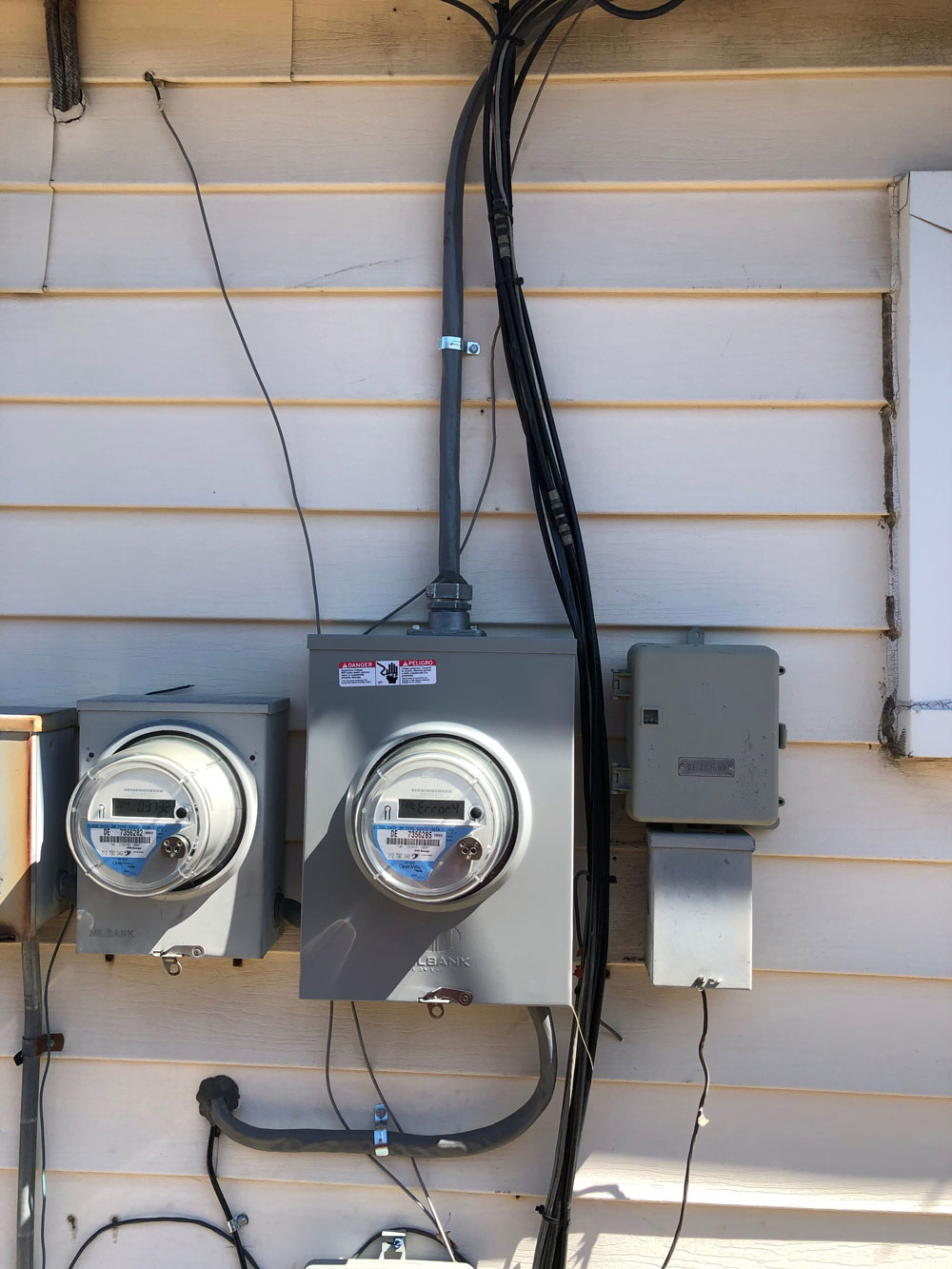
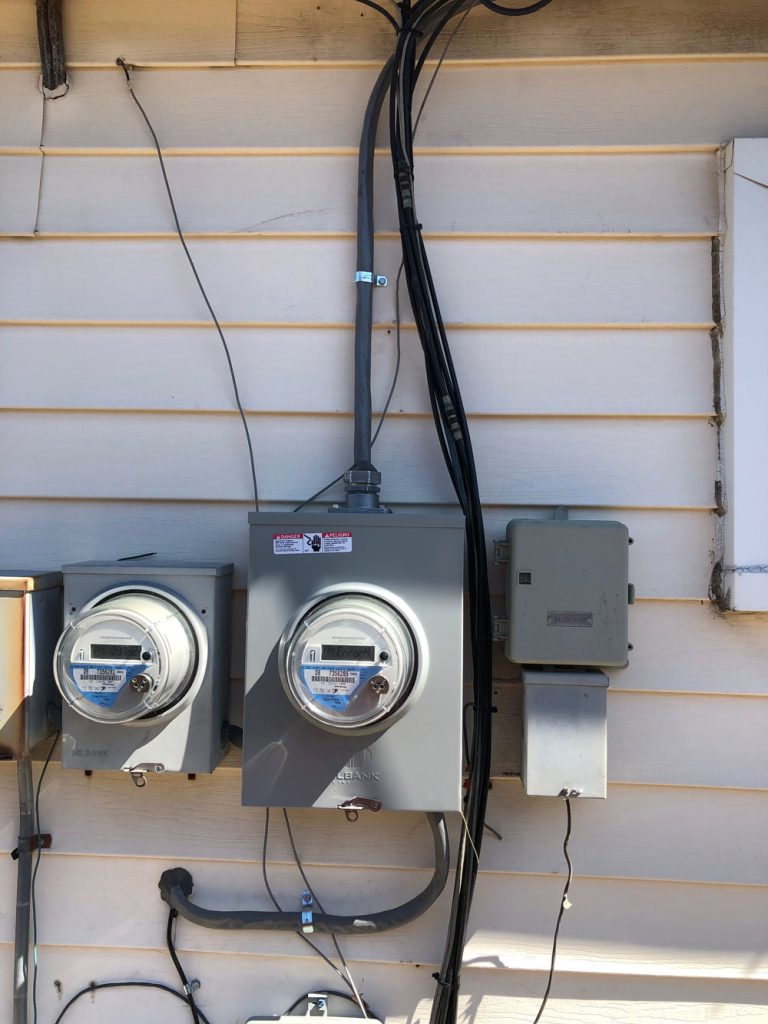
A home electrical system is more than the visible switches and receptacles. It includes the service equipment, electrical panel, branch circuits, grounding and bonding components, wiring, protective devices, and connected fixtures. A change in one area can affect how safely and reliably another area performs, which is why clear project planning matters.
When a home electrical issue calls for professional attention
Some electrical problems are inconvenient, but others can indicate overload, damage, a loose connection, or an issue that needs evaluation. A qualified residential electrical contractor can help distinguish a simple device concern from work involving the circuit, panel, or home wiring. Homeowners should not remove panel covers, alter fixed wiring, or repeatedly reset a breaker in an effort to make a persistent problem disappear.
Contacting an electrician is especially sensible when an electrical symptom is recurring, affects several devices, or is connected to a planned upgrade. Making note of when the problem occurs, which rooms are affected, and what was operating at the time gives the discussion useful context.
Signs worth documenting before you call
Electrical symptoms do not always identify their own cause. For example, a tripped breaker may result from too many loads on one circuit, a malfunctioning appliance, damaged wiring, or another condition that requires a closer look. Rather than diagnosing it yourself, record the observable details and share them during the initial conversation.
- Breakers that trip repeatedly or will not remain reset
- Lights that flicker, dim, buzz, or behave differently when larger appliances start
- Outlets or switches that feel warm, look discolored, spark, or do not work consistently
- A burning odor, crackling sound, or visible damage near electrical equipment
- Extension cords and power strips being used as a long-term substitute for needed outlets
- Older or recently remodeled spaces where electrical needs have changed substantially
If there is smoke, fire, active sparking, or an immediate danger, move away from the affected area and contact emergency services. For non-emergency concerns, avoid using damaged equipment or affected outlets until the issue can be evaluated. Safety takes priority over restoring convenience quickly.
Residential electrical projects that benefit from a clear scope
Many calls begin with a practical goal: better lighting, more usable outlets, reliable power for a new appliance, or electrical preparation for a remodel. The useful first step is defining what the homeowner wants the completed space to do. That goal helps frame whether the project may involve a fixture replacement, a dedicated circuit, panel-related work, rewiring, or coordination with other trades.
A residential electrician can discuss the electrical side of common home improvements in terms a homeowner can use to make decisions. The conversation should account for present use, anticipated loads, access to existing wiring, the condition of the electrical system, and any inspection or permit requirements that may apply to the particular project.
Common reasons homeowners seek electrical help
- Lighting improvements: Adding, replacing, or relocating indoor and outdoor lighting can improve task visibility, comfort, and control of a room’s atmosphere.
- Outlet and switch needs: New receptacles, updated switches, and better placement can reduce dependence on cords running across floors or behind furniture.
- Kitchen, bath, basement, or addition work: Renovations often change appliance loads, lighting plans, and the number of circuits a space needs.
- Electrical panel questions: A homeowner may need to understand available circuit capacity before adding significant electrical equipment or expanding a living area.
- Dedicated circuits: Certain equipment may need a circuit reserved for that load instead of sharing a general-use circuit.
- Safety-related updates: A concern about older components, ungrounded outlets, or frequently overloaded circuits is a reason to request an assessment.
Not every project requires the same level of work. Replacing an accessible compatible light fixture is different from adding a new circuit through finished walls, and both differ from evaluating a panel for added capacity. Discussing those distinctions early helps set realistic expectations for labor, materials, access, scheduling, and the possible need for approvals.
What to expect when discussing your home electrical needs
A productive electrical service experience starts with accurate information and a defined objective. Before contacting Executive Electric, homeowners can identify the rooms involved, list the symptoms or desired improvements, and note any major equipment connected to the affected area. Photos of visible concerns can be useful when requested, but photos should never replace an on-site assessment when one is needed.
From first description to project completion
- Describe the concern or goal. Explain what is happening, when it began, and whether the issue is limited to one outlet, fixture, appliance, room, or circuit.
- Discuss the property and project context. Share the home’s approximate age if known, prior remodeling, planned appliance additions, and access limitations that could affect the work.
- Determine what evaluation is appropriate. The nature of the issue determines whether the next step is troubleshooting, an estimate discussion, or a more complete review of the electrical system.
- Review the proposed scope. Ask what components are involved, what disruptions may be expected, whether wall access is a possibility, and what must be completed before work begins.
- Prepare the work area. Clear access around the panel, outlets, fixtures, attic entries, or other relevant areas, and protect belongings as appropriate.
- Confirm the outcome. At the end of the project, make sure you understand what was addressed, how any new controls or devices operate, and what symptoms would merit a follow-up call.
This process is valuable because electrical work is often partly hidden behind walls, ceilings, and panel covers. A careful conversation allows the scope to reflect actual conditions rather than a guess based only on the visible symptom. It also gives the homeowner an opportunity to ask about options before committing to a particular approach.
How to evaluate options for electrical work at home
The right choice depends on the problem, the home’s existing electrical infrastructure, and the result you need. A lower-cost temporary workaround may be reasonable for a minor non-electrical inconvenience, but it is not a substitute for properly addressing overload, damaged equipment, or inadequate wiring. Permanent electrical changes should be considered in light of safety, functionality, future use, and applicable local requirements.
For instance, a power strip can expand access to a single receptacle for low-demand electronics, but it does not create a new circuit or correct a recurring overload. Similarly, swapping a bulb may solve a failed lamp, while persistent flickering in multiple fixtures calls for a broader discussion. Understanding the difference prevents a small symptom from masking a larger issue.
Questions that support a better project decision
Before selecting a path forward, focus on scope and clarity instead of choosing solely on the briefest description of the job. A homeowner should understand what is included, what is not yet known, and how unexpected conditions would be handled. The following topics can help make the service conversation more useful:
- What observations suggest this is a device issue, a circuit issue, or a larger system concern?
- Will the intended appliance, lighting plan, or remodeled room change electrical load requirements?
- Could existing wiring, panel capacity, accessibility, or concealed conditions affect the final scope?
- Are permits or inspections relevant to this type of work in the property’s jurisdiction?
- What should be moved or made accessible before the appointment or project date?
- What information will help the homeowner use and maintain the completed installation appropriately?
For Royal Oak, MI homeowners, it is also wise to verify current local requirements directly with the appropriate authority when a project affects permits or inspections. Requirements can depend on the property’s jurisdiction and the nature of the work. Executive Electric can be contacted to discuss the electrical scope, while the relevant local office is the proper source for definitive administrative requirements.
Practical benefits of planning electrical improvements
Thoughtful electrical improvements can make everyday spaces easier to use. Better placed receptacles can reduce cord clutter. Well-planned lighting can support cooking, reading, grooming, hobbies, and movement through the home. Adequate circuits can also help homeowners use intended equipment without routinely overloading one area of the system.
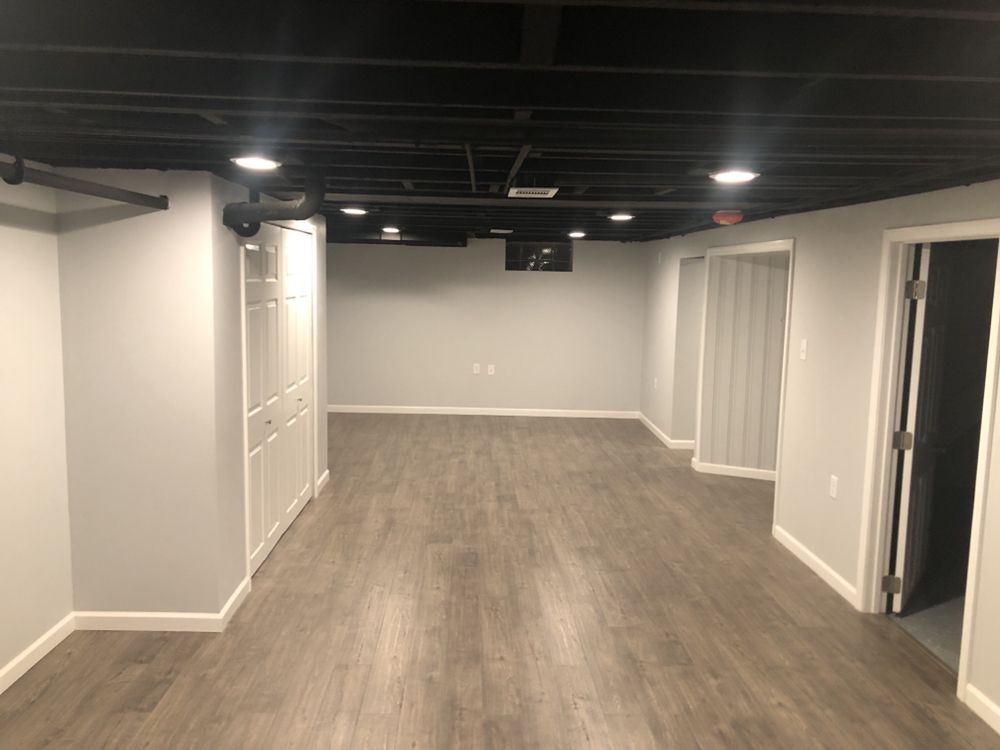
Planning ahead is particularly helpful when a homeowner expects future changes. A room used as an office today may later need different lighting or additional equipment. A basement project may involve entertainment devices, work areas, or appliances. Raising these plans at the beginning gives the electrical discussion a longer-term perspective rather than limiting it to the immediate request.
Executive Electric’s Clinton Township, Michigan location at 20504 Hall Rd, Clinton Township, MI 48038 provides clear company-location information for customers considering electrical work in the region. Homeowners in and around Royal Oak can begin by outlining the concern, asking informed scope questions, and determining whether a professional evaluation is the appropriate next step.
Questions homeowners often ask
When should I call a residential electrician for a breaker that trips?
A breaker that trips repeatedly should be evaluated rather than reset over and over. The cause may involve circuit overload, a connected appliance, damaged wiring, or another condition. Note what was operating when it tripped, stop using affected equipment if there are signs of damage, and contact a professional to discuss the issue.
Can I use a power strip instead of adding outlets?
A power strip can be useful for appropriate low-demand devices, but it does not add circuit capacity or correct an overloaded circuit. It should not be treated as a permanent answer to insufficient outlets, warm receptacles, recurring breaker trips, or cords routed where they can be damaged or create a trip hazard.
What should I prepare before requesting electrical service in Royal Oak, MI?
Prepare a concise description of the problem or improvement, the rooms affected, when the issue occurs, and any relevant appliances or recent renovations. Clear access to the electrical panel and affected areas can help. If visible damage, heat, smoke, or sparking is present, stop using the area and address safety first.
Is Executive Electric physically located in Royal Oak, Michigan?
Executive Electric’s supplied location is 20504 Hall Rd, Clinton Township, MI 48038. This page is intended for people searching for residential electrical information and contact options related to Royal Oak, MI; it does not state that Executive Electric has a Royal Oak office.
Discuss your residential electrical project with Executive Electric
Whether you are dealing with a recurring electrical symptom or planning a change to the way your home works, a clear initial conversation can help you move forward with better information. Explain the issue, the intended result, and any timing or access considerations so the discussion can focus on the details that matter.
Contact Executive Electric to discuss a residential electrical need. Executive Electric is located at 20504 Hall Rd, Clinton Township, MI 48038, and can be reached through its contact page for next-step information.