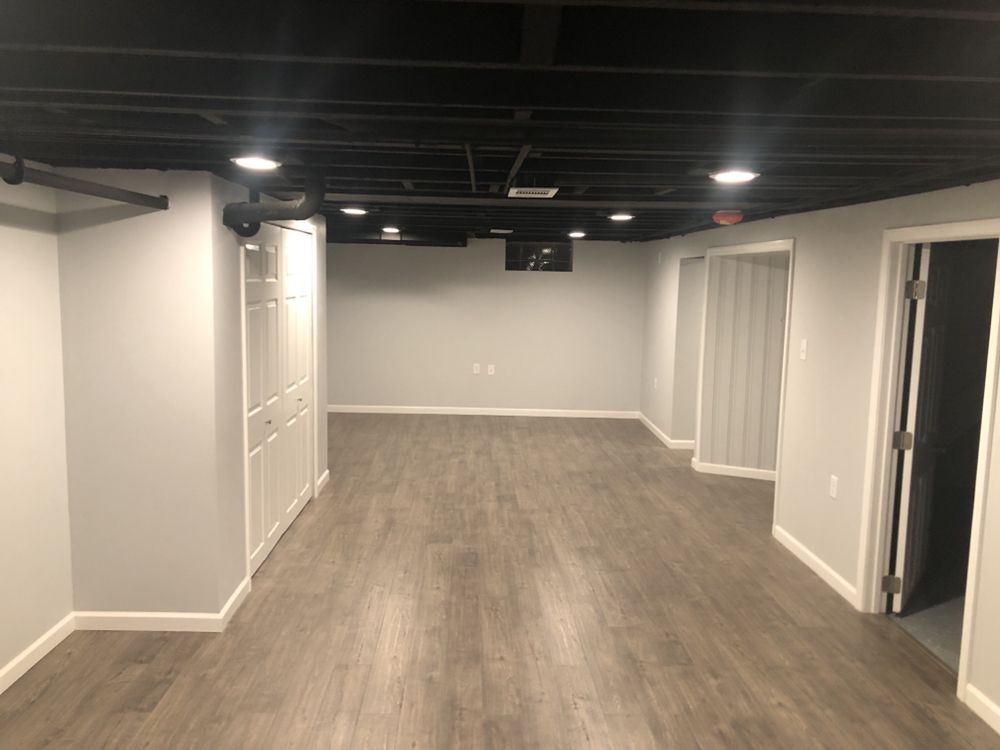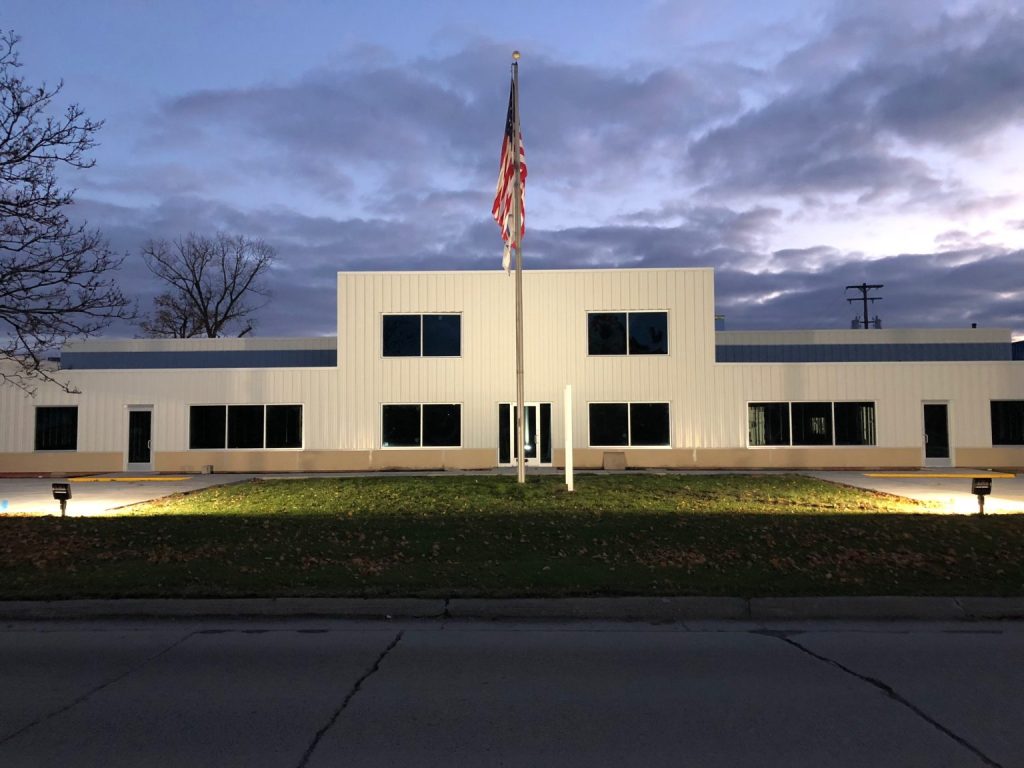
Commercial Electrician Royal Oak, MI
Commercial electrical decisions affect how a business operates every day, from whether equipment has adequate power to whether employees and visitors can move through a well-lit space safely. For property owners, facility managers, and business operators comparing a Commercial Electrician in Royal Oak, MI, the practical goal is to identify the electrical issue, define the project scope, and choose an approach that supports the building’s current use and future needs.
Executive Electric is located at 20504 Hall Rd, Clinton Township, MI 48038. A conversation with Executive Electric can help a Royal Oak, Michigan decision-maker organize the details of a repair, upgrade, renovation, or new electrical installation before moving forward. Clear project information helps reduce uncertainty, supports better scheduling, and makes it easier to evaluate the work that may be needed.
Commercial electrical work should match the way your facility operates
Commercial electrical systems are designed around building loads, occupancy, equipment, and daily workflow. A retail space, office, restaurant, warehouse, medical office, or multi-tenant property can have very different electrical priorities, even when the visible concern seems similar. The right starting point is not simply replacing a component, but understanding what the electrical system must safely support.
A commercial electrician is relevant when a business needs professional attention for power distribution, lighting, circuits, panels, outlets, equipment connections, or electrical improvements tied to a commercial setting. Electrical work in an occupied business often needs careful planning because downtime, access to work areas, tenant coordination, and the sequence of other trades can affect the project.
Common triggers for a commercial electrical project
Many projects begin with an operational change rather than an obvious electrical failure. Adding equipment, rearranging workstations, renovating a suite, or converting a space can change where power, lighting, switching, and data-adjacent electrical needs are located. Other calls begin with warning signs such as repeated breaker trips, flickering lights, warm outlets, inadequate capacity, or equipment that cannot be powered where it is needed.
- Tenant build-outs, office reconfigurations, and commercial renovations
- Lighting replacement, lighting controls, and exterior or interior illumination needs
- Additional circuits, receptacles, switches, and dedicated equipment connections
- Electrical panel or service capacity concerns as business demands change
- Electrical troubleshooting after intermittent power issues or nuisance tripping
- Planning electrical portions of expansions, remodels, or equipment installation
Not every issue requires a large upgrade. In some cases, focused troubleshooting or a targeted circuit change may be more appropriate than a broad overhaul. In others, a small symptom can reveal that the existing layout or capacity does not fit the intended use. A commercial electrical contractor should help distinguish between a repair, an upgrade, and a larger design or coordination need.
What to expect when planning commercial electrical service
A productive commercial electrical project starts with a defined problem and a clear picture of how the space is used. Before work is scheduled, gather information about the affected area, the equipment involved, the timing constraints, and any known building plans or previous electrical work. This preparation gives the electrical professional a more useful starting point and helps the business ask better questions.
Start with the operational need, not just the visible symptom
Explain what is happening, when it occurs, and what has changed in the building. For example, a breaker that trips only when a particular piece of equipment starts may point to a different investigation than a lighting issue affecting an entire room. If a renovation is planned, describe the future layout, anticipated equipment, and any areas that must remain accessible during the work.
- Describe the concern or project goal. Note the affected rooms, circuits, equipment, hours of operation, and business impact.
- Review the existing conditions. Existing electrical components, load demands, access conditions, and project constraints may need to be considered.
- Clarify the scope. Determine whether the work is a repair, replacement, new installation, capacity-related improvement, or part of a larger construction project.
- Plan the work sequence. Discuss access, potential interruption considerations, coordination with other trades, and the order in which tasks should occur.
- Confirm next steps. A clear scope helps the customer understand what is being addressed and what questions remain before authorizing work.
This process is especially useful for commercial properties because the electrical system is rarely separate from the rest of the operation. Ceiling access, tenant schedules, finished surfaces, equipment delivery dates, and building management requirements can all influence how a project is planned. Raising those details early helps avoid assumptions that can complicate the work later.
Repairs, upgrades, and renovations are different decisions
A repair is generally intended to address a defined malfunction or damaged component. An upgrade is more often considered when capacity, performance, efficiency goals, layout, or equipment needs have changed. Renovation electrical work may involve both, particularly when walls move, new rooms are created, or the intended use of a space changes.
For example, replacing a failed device may resolve an isolated issue, while repeated power interruptions in a growing workspace may warrant a broader review of circuits and loads. Lighting upgrades can improve visibility and potentially change maintenance expectations, but lighting choices should also account for the task being performed, control needs, placement, and the character of the space. The least disruptive option is not always the option that best supports long-term operations.
Businesses in Michigan should also recognize that commercial electrical projects can involve applicable codes, permits, inspections, building requirements, or utility-related considerations depending on the scope. Requirements are project-specific and can vary by jurisdiction. Asking how these items relate to the proposed work is a sensible part of planning, rather than an afterthought once construction is underway.
Questions that help you evaluate a commercial electrical provider
The best provider-selection conversations are specific. Rather than relying only on a broad service label, describe the building type, the desired outcome, and the consequences if the issue continues. This approach helps determine whether the prospective electrical contractor understands the practical scope of the request and can explain the next step in terms a property representative can use.
- What information about the building, equipment, or existing problem would be useful before an assessment?
- Is the concern likely to require troubleshooting, replacement, new circuitry, capacity review, or coordination with a renovation?
- What access to panels, ceilings, tenant areas, or equipment rooms may be needed?
- How can work be planned around business hours, customers, employees, or other scheduled construction activity?
- Which portions of the scope may depend on conditions that are not visible until the work area is evaluated?
- Are permits, inspections, or approvals potentially relevant to this type of commercial work?
These questions do more than compare providers. They help a business define the project well enough to make a sound decision. A company that only says it needs “more power” may receive a more useful response after identifying the equipment, expected load, location, and timeline. Similarly, a property manager reporting “bad lights” can provide better context by noting whether the issue is isolated, intermittent, tied to a switch, or affecting multiple fixtures.
Why documentation and coordination matter
Commercial properties often change hands, gain tenants, receive new equipment, or undergo phased improvements over time. Keeping records of electrical changes, approved plans, equipment information, and prior issue details can make future service conversations more efficient. Documentation is particularly helpful when several parties are involved, such as a tenant, owner, general contractor, facilities team, or equipment supplier.
Coordination also protects business continuity. A commercial electrical service request may affect areas that need temporary access or planned interruption. When the customer shares operating hours, critical equipment needs, security constraints, and construction milestones, the project can be discussed in a more realistic way. That level of preparation benefits both a small business and a complex commercial property.
Executive Electric offers a clear point of contact for Royal Oak planning
Executive Electric provides an accessible contact option for those researching commercial electrical needs connected to Royal Oak, MI. The company’s listed address is 20504 Hall Rd, Clinton Township, MI 48038, which gives customers a specific business location to reference when initiating a conversation. The most useful first contact includes the nature of the issue, the building or business context, and the desired timing.
Whether the concern is a persistent electrical problem, a lighting change, added equipment, a tenant improvement, or early planning for a commercial project, a focused discussion can help separate urgent needs from longer-term improvements. For a Royal Oak, Michigan business or property representative, providing concrete details upfront supports a more informed conversation about scope and possible next steps.
Do not ignore signs of a potentially unsafe electrical condition. Burning odors, sparking, smoke, heat at electrical components, shocks, damaged wiring, or recurring loss of power warrant prompt professional attention. Keep people away from the affected area when appropriate and follow applicable emergency procedures rather than attempting a commercial electrical repair without qualified help.
Frequently asked questions about commercial electrical service
When should a business contact a commercial electrician?
A business should contact a commercial electrician when it has recurring electrical problems, needs power for new equipment, plans a remodel, or needs changes to lighting, circuits, panels, outlets, or electrical distribution. Prompt contact is particularly appropriate when there are signs of heat, damage, sparking, or repeated breaker trips.
What information should I have ready before discussing a commercial electrical project?
Prepare the property address, affected area, description of the issue or planned change, equipment details, photos if available, desired timeline, and any access restrictions. For renovations, floor plans and the intended future use of the space can help clarify the electrical scope.
Is Executive Electric physically located in Royal Oak, MI?
Executive Electric’s supplied business location is 20504 Hall Rd, Clinton Township, MI 48038. The company is not presented here as having a physical office in Royal Oak. Royal Oak, MI customers can use the contact process to discuss their commercial electrical needs and project details.
Is a breaker that keeps tripping always a simple breaker replacement?
No. Repeated tripping can be related to overload, a circuit issue, connected equipment, or another condition that needs evaluation. Replacing a breaker without identifying the reason for the trip may not resolve the underlying problem. A commercial electrical professional can assess the situation in the context of the building and equipment.
Ready to discuss a commercial electrical concern or project? Contact Executive Electric and share the details of your Royal Oak, MI needs. Executive Electric’s listed location is 20504 Hall Rd, Clinton Township, MI 48038.