Home EV charger installation Romeo, MI
Home EV charger installation can make daily electric-vehicle ownership simpler by giving you a consistent place to recharge where your vehicle is parked. For homeowners researching options in Romeo, MI, the right setup depends on the vehicle, the available electrical capacity, the desired charging speed, and the layout of the garage or parking area. Executive Electric is located at 20504 Hall Rd, Clinton Township, MI 48038, and can be contacted to discuss your project and next steps.
A professionally planned home charging setup is about more than mounting equipment on a wall. It involves evaluating the electrical path from the panel to the charger location, choosing appropriate equipment and circuit protection, and considering how the installation will fit everyday routines. Whether you drive now or are preparing for a future EV, clear planning helps you make an informed decision before electrical work begins.
What a dedicated home charger can change
A dedicated EV circuit can provide more convenient charging than relying on a standard household receptacle. Many drivers prefer to plug in after arriving home and begin the next day with useful driving range, rather than making frequent stops at public charging stations. The ideal arrangement is one that supports your normal driving habits without overcomplicating your electrical system.
- More predictable overnight or at-home charging for routine driving
- A designated connection designed around EV charging equipment
- Potentially faster charging than a basic 120-volt outlet, depending on the equipment and circuit
- A cleaner, more intentional setup for a garage, carport, or driveway parking arrangement
- Flexibility to select a charger with features that match your vehicle and preferences
At-home EV charging is often a practical fit for households with regular parking access and a vehicle that sits for several hours at a time. It can also be useful for families coordinating multiple drivers, homeowners replacing an older charging arrangement, or buyers planning ahead before taking delivery of an electric vehicle. Public charging can still be valuable for longer trips, but a home setup addresses the everyday charging need at its source.
Match charging speed to the way you drive
Charging speed should be chosen based on realistic daily mileage, the time the vehicle is usually parked, and the vehicle’s charging capabilities. Faster is not automatically better if a moderate charging rate fully restores the energy used in a normal day. An electrical professional can help frame the options around circuit capacity, equipment requirements, and the physical route for wiring rather than relying on a one-size-fits-all assumption.
A Home charging station is the equipment and connection arrangement that lets an EV recharge at a residence, often using a dedicated circuit and a compatible connector. Some stations are hardwired, while others plug into an appropriately installed receptacle. The best choice depends on the charger model, the intended location, and whether features such as scheduling, load management, or app access matter to the homeowner.
Key electrical decisions before installation
The first decision is whether the existing electrical system can support the proposed charger circuit safely and appropriately. A project review considers the electrical panel, current household loads, available capacity, the distance to the charging location, and the type of charger being considered. If an upgrade or a different charging approach is needed, identifying that early helps prevent surprises after equipment has been selected.
Level 1, Level 2, and dedicated circuit considerations
Level 1 charging generally uses a standard 120-volt outlet and can work for some low-mileage situations, but it is typically slower. Level 2 equipment uses 240-volt power and is commonly selected by drivers who want a more practical at-home charging rate. The right approach should reflect daily use, installation conditions, and the vehicle manufacturer’s guidance, not simply the maximum charging speed shown on a product listing.
Level 2 EV charger installation creates a higher-voltage charging solution for homeowners who want more capability than a typical household outlet provides. The work commonly includes planning a dedicated branch circuit, suitable wiring, overcurrent protection, and the charger or receptacle connection specified for the equipment. Because charger ratings and vehicle acceptance rates differ, discussing the intended equipment before installation is an important part of sizing the project correctly.
240V EV charger installation refers to establishing the 240-volt electrical supply used by many Level 2 charging systems. The circuit amperage, wire size, breaker, disconnecting requirements where applicable, and connection method must correspond to the equipment and installation conditions. A properly considered 240-volt setup supports dependable charging while avoiding the mistake of treating an EV charger like an ordinary plug-in appliance.
Hardwired chargers and outlet-based setups
Some EV chargers are permanently wired into the electrical system, while others are designed to plug into a specific receptacle. A hardwired arrangement can be appropriate for a fixed charger location, whereas an outlet-based approach may suit equipment designed with a plug. The charger instructions, electrical code requirements, environmental conditions, and your plans for future equipment changes all affect this decision.
EV charging outlet installation involves adding a receptacle intended to support compatible plug-in EV charging equipment, rather than using an existing general-purpose outlet. The receptacle type and circuit must be selected for the charger’s continuous electrical load and installation instructions. Homeowners should not assume that any 240-volt outlet is interchangeable, since the equipment configuration and circuit design need to align.
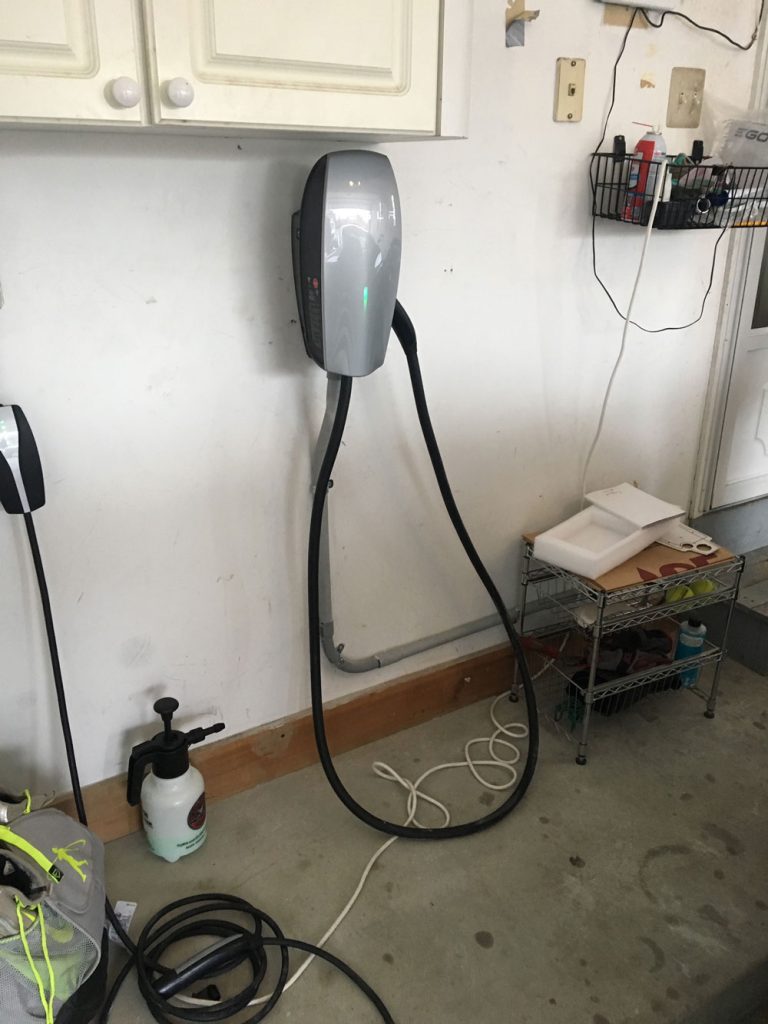
Tesla charger installation should begin with the specific Tesla charging equipment you plan to use and the location where the vehicle will normally park. Tesla owners may choose a wall connector or another compatible charging arrangement, and the electrical supply should be planned around that equipment’s requirements. The same fundamentals apply as with other EVs: dedicated-circuit planning, correct load considerations, a sensible cable path, and a location protected from avoidable damage.
A practical installation process for your property
Home EV charger installation is most effective when the layout, equipment, and electrical system are considered together. A conversation with Executive Electric can help you organize the project before purchasing equipment or scheduling work. For a Romeo, MI homeowner, having details ready about the vehicle, parking position, panel location, and preferred charger can make that discussion more productive.
- Define the charging goal. Consider the vehicle model, daily mileage, parking schedule, and whether you need a new charger now or are preparing for a future EV.
- Identify the charging location. Note where the charge port sits on the vehicle, where the cable will run, and how the equipment can be positioned without creating a trip hazard or obstructing access.
- Review electrical conditions. The panel, existing loads, circuit path, and proposed equipment all help determine what the project may require.
- Select compatible equipment. Confirm the charger’s voltage, amperage, hardwired or plug-in design, and manufacturer installation instructions before finalizing the electrical approach.
- Plan for the finished setup. Ask about operation, basic care, and any local permitting or inspection steps that may apply to the work.
Installation complexity can vary significantly between homes. A charger near an electrical panel may present a different wiring path than one located across a large garage, in a detached structure, or near an outdoor parking space. Panel capacity and the condition of existing electrical equipment also matter, which is why an individualized review is more useful than trying to estimate a project from charger price alone.
Questions worth considering before you commit
Before selecting a provider or charger, focus on questions that clarify scope rather than only asking for a single number. Ask what electrical information is needed to assess the project, whether the chosen charger is hardwired or plug-in, how the circuit will be routed, and what permitting or inspection obligations may apply. You may also want to discuss future needs, such as a second EV, a vehicle change, or a planned electrical-panel update.
Residential EV charger installation is a tailored electrical project because homes differ in service capacity, panel configuration, parking layout, and charger location. A useful project discussion connects those property-specific conditions to your daily charging needs instead of assuming every garage needs the same equipment. That approach can help a homeowner weigh a simple dedicated circuit against a more involved electrical modification when the situation calls for it.
For Michigan homeowners, weather exposure is another reason to think carefully about equipment location and cable management. An indoor garage, covered area, and exterior mounting location can present different environmental considerations. The appropriate charger and installation method should follow the equipment manufacturer’s instructions and the applicable requirements for the particular setting.
Talk with Executive Electric about your charging plan
Executive Electric provides a clear contact point for homeowners considering an EV charging project: 20504 Hall Rd, Clinton Township, MI 48038. The company location is in Clinton Township, not Romeo, so the page does not suggest a Romeo office location. Instead, it gives Romeo-area homeowners a straightforward way to begin a conversation about their home electrical needs, preferred charging equipment, and project questions.
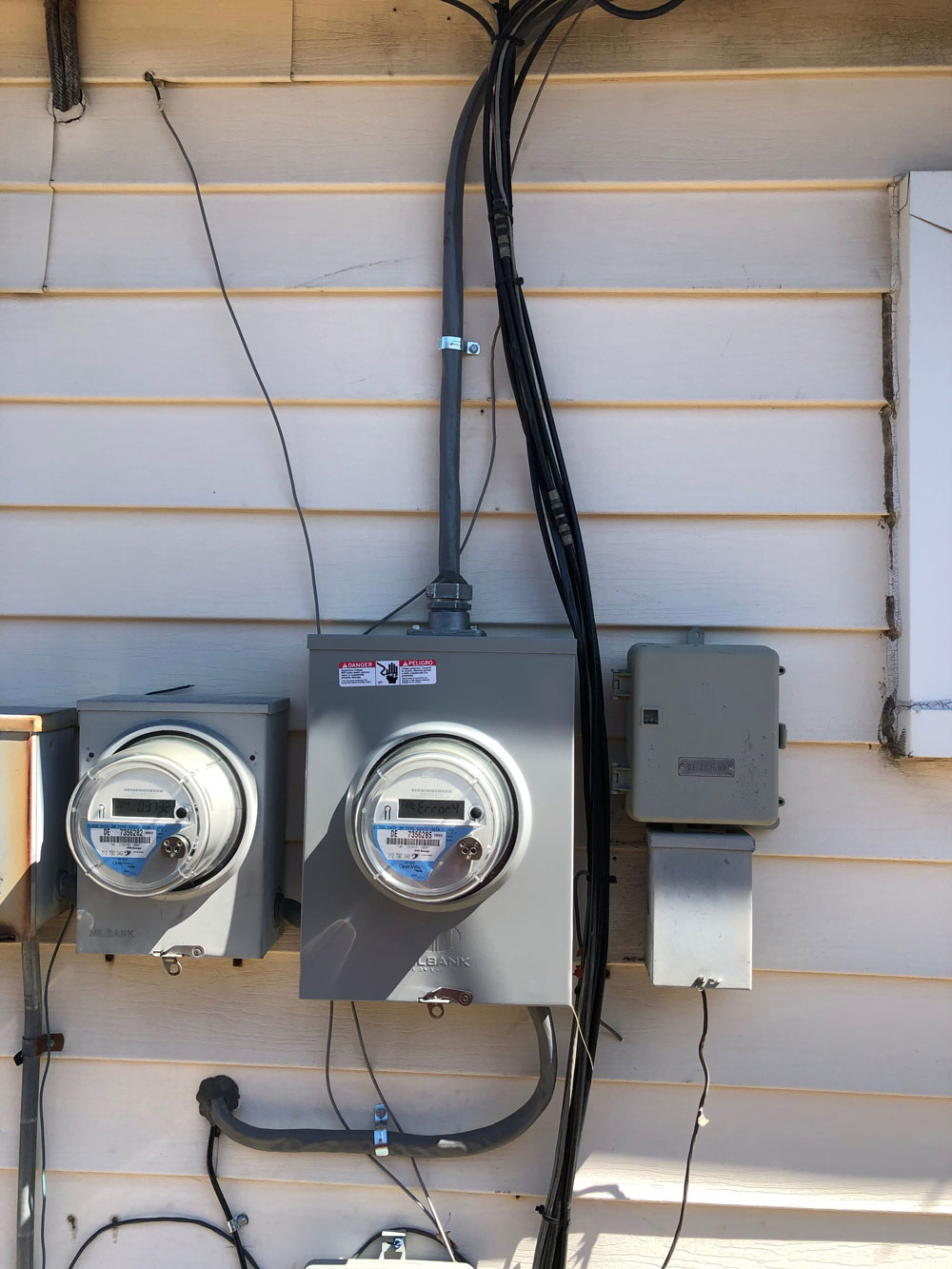
When you reach out, include the EV make and model if known, the charger you are considering, photographs or details of the electrical panel if available, and the proposed parking location. Those details can help establish a more useful starting point for discussing a dedicated EV circuit, charger mounting, or receptacle option. Thoughtful planning now can make routine charging easier for years to come.
Common questions about home EV charging
Do I need a Level 2 charger at home?
Not always. A Level 2 charger is often a good fit when you want faster at-home charging than a standard 120-volt outlet can provide, but the right choice depends on daily driving, available parking time, vehicle capability, and the home’s electrical capacity. A lower-speed option may be sufficient for some driving patterns.
What information should I have ready before requesting Home EV charger installation in Romeo, MI?
Have your EV make and model, proposed charger model if selected, preferred parking location, and basic information about the electrical panel ready. Photos can be useful when available. These details help frame whether a dedicated circuit, a 240-volt supply, a hardwired unit, or a compatible outlet may be appropriate.
Can I use an existing 240-volt outlet for an EV charger?
Only if the outlet, circuit, breaker, wiring, and charger requirements are compatible. An existing receptacle may have been installed for a different appliance and may not be suitable for continuous EV charging. It is important to evaluate the complete electrical arrangement rather than relying on outlet appearance alone.
Where is Executive Electric located?
Executive Electric is located at 20504 Hall Rd, Clinton Township, MI 48038. Homeowners who are considering EV charging equipment for a property in Romeo or elsewhere in Michigan can use the contact form to share project details and ask about their electrical installation needs.
Ready to plan a more convenient way to charge at home? Contact Executive Electric at its Clinton Township location, 20504 Hall Rd, Clinton Township, MI 48038, to discuss your EV, charger preferences, and home electrical considerations. Contact Executive Electric about your home EV charger project and take the next informed step toward a dedicated charging setup.