EV Charger Installation Romeo, MI
Driving electric is simpler when charging fits naturally into your daily routine. For homeowners and property decision-makers seeking EV Charger Installation in Romeo, MI, Executive Electric provides a direct path toward a properly planned home or site charging setup from its location at 20504 Hall Rd, Clinton Township, MI 48038. The right installation can replace uncertain public-charging stops with dependable charging where your vehicle is parked.
An EV charger is not simply an appliance that plugs into a wall. A dedicated charging circuit, appropriate equipment selection, electrical-capacity review, placement, and safe connection all affect how well the system performs over time. Executive Electric can be contacted to discuss the property, vehicle, charging goals, and the practical next steps for a Michigan installation.
Make at-home charging work for your vehicle and routine
Most drivers choose a Level 2 charging setup because it can add meaningful range while a vehicle is parked for several hours or overnight. It is a practical option for households with longer daily drives, limited access to public chargers, more than one electric vehicle, or a desire to avoid relying on a standard household outlet. The best choice depends on the vehicle, available electrical service, parking arrangement, and how quickly charging is needed.
A thoughtful charging plan starts with your actual parking habits. A garage, driveway, carport, attached structure, or shared parking area can each present different routing and mounting considerations. Thinking through where the connector will reach, how the cable will be stored, and whether the location remains convenient in changing weather helps prevent a setup that is technically functional but frustrating to use.
Level 1 and Level 2 are different charging experiences
Level 1 charging generally uses a standard household receptacle and is often the slowest option. It may suit a driver with modest daily mileage and plenty of parked time, but it is not always the most convenient long-term answer. Level 2 equipment typically requires a dedicated 240-volt circuit and is often preferred when a driver wants faster, more predictable replenishment at home.
- Level 1: A lower-speed option that may work for light driving needs.
- Level 2: A dedicated higher-voltage charging solution for routine home charging.
- Public charging: Useful away from home, but availability, cost, and wait time can vary.
- Future-ready planning: Worth considering if a second EV or increased driving is likely.
What an electrical review should consider
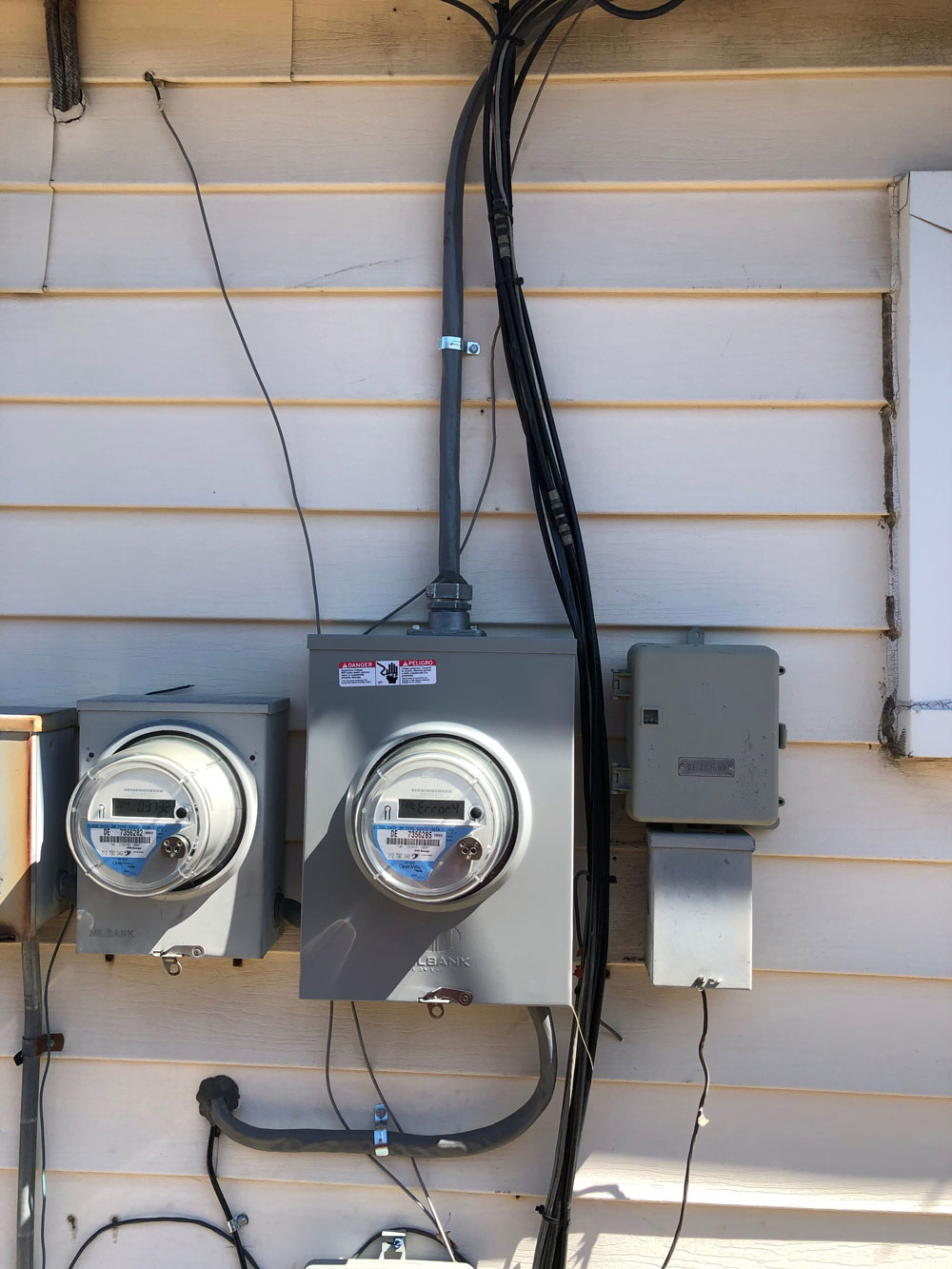
Before equipment is selected or mounted, the property’s electrical system needs to be considered in relation to the planned charger. Important factors can include the main electrical panel, available load capacity, circuit space, panel-to-parking distance, wiring path, equipment rating, and applicable permit or inspection requirements. A site-specific assessment is more useful than assuming every home can support the same charger or charging speed.
For many households, EV Charger Installation is a home improvement that improves daily convenience rather than a one-size-fits-all purchase. Executive Electric can help start the conversation around whether the desired setup calls for a new dedicated circuit, changes to the electrical distribution equipment, or a different equipment location. Addressing those details early makes it easier to compare practical options instead of choosing based on charger appearance alone.
A clear path from charger selection to a usable installation
A well-organized installation process reduces surprises and gives the owner a clearer idea of what the finished setup should accomplish. The work begins with the vehicle and property, then moves through equipment choice, electrical planning, installation, and a final review of charger operation. Exact requirements vary by site, so the process should be shaped around the installation rather than a generic checklist.
- Discuss needs: Identify the vehicle, expected daily mileage, parking location, preferred charging window, and plans for future EV ownership.
- Review the site: Consider electrical-panel capacity, circuit routing, mounting location, cable reach, and site conditions.
- Select compatible equipment: Compare charger output, connector compatibility, smart features, durability, and practical controls.
- Plan the electrical work: Determine the dedicated circuit and any site-specific electrical changes needed for the chosen setup.
- Install and verify: Mount and connect the equipment, then review basic operation and the owner’s next steps.
Choosing equipment based on needs, not hype
Charger output is important, but the highest available rating is not automatically the best value for every property. The vehicle may have its own limit on AC charging acceptance, and the home’s electrical capacity may influence the appropriate equipment and circuit design. A balanced decision considers charging needs, total electrical demand, convenience, and whether the equipment remains useful if household driving changes.
Electric car charger installation should account for more than the charger itself. The connector must be compatible with the vehicle or adapter arrangement, the equipment should be suitable for its planned indoor or outdoor location, and the cable must reach without creating an awkward path. Discussing these points before installation can help Romeo-area drivers avoid relocating equipment later.
EV charging station installation is also relevant for property owners planning charging beyond a single private garage. A workplace, small commercial site, rental property, or shared parking area may require more attention to access, equipment placement, usage expectations, and future expansion. The electrical design should reflect who will use the station and how often, rather than treating a multi-user location exactly like a single-vehicle household.
Important decisions before scheduling charging equipment work
Choosing an installer should involve clear communication about the property and the desired outcome. Ask how the electrical system will be evaluated, what equipment information is needed, whether permits or inspections may apply, and what the finished charging location will look like. A useful conversation focuses on the site constraints as well as the benefits of charging at home.
EV charging point installation can be especially valuable when the ideal parking position is some distance from the electrical panel. Routing, surface conditions, mounting height, weather exposure, and cable management can affect both the scope and everyday usability of the finished charging point. Planning the route carefully helps align the charger’s location with how the vehicle is actually parked.
Working with a Professional EV charger installer helps keep the conversation centered on the electrical work required for a dedicated charging solution. A professional evaluation can identify questions about circuit capacity, equipment specifications, connection method, and site conditions before the project moves forward. That is particularly important when an existing panel is busy, the run to the parking area is long, or the owner is unsure which charger rating makes sense.
Smart features can add control, but they are optional
Smart EV charger installation may appeal to drivers who want app-based status information, scheduling tools, charging history, or adjustable settings. These features can be useful for coordinating charging with a household routine and for checking whether a vehicle is charging without walking to the garage or driveway. However, a connected charger should be chosen because its controls fit the owner’s needs, not because every installation requires an app.
Some owners prefer a straightforward charger with simple controls, while others value remote monitoring and scheduling. Internet connectivity, account setup, software updates, and Wi-Fi signal at the charging location are reasonable considerations for connected equipment. Executive Electric can be contacted with the charger model or feature list under consideration so the electrical and placement conversation can start from a more informed position.
Why Romeo drivers plan charging before they need it
Waiting until a new EV arrives can compress decisions about equipment, parking, and electrical capacity into a short time. Planning ahead gives the owner more room to consider cable reach, future vehicles, preferred charging speed, and the condition of the existing electrical system. It also helps turn a vehicle purchase into a smoother transition instead of a scramble to find a convenient way to charge.
For a Romeo, MI property, the most practical charging arrangement is usually the one that fits the owner’s real driving schedule and electrical infrastructure. A charger that replenishes the vehicle during normal parked time may be more valuable than pursuing maximum speed that the vehicle or property does not require. The goal is reliable daily access to charging, with a layout that remains convenient in every season in Michigan.
- Bring the EV make, model, and expected arrival date to the initial discussion.
- Note where the vehicle normally parks and whether that position may change.
- Consider whether another EV could be added to the household later.
- Identify any desired charger features, including scheduling or app access.
- Have photos or details of the electrical panel available if requested during planning.
Questions Romeo property owners often ask
How long does EV charger installation take?
The timeline depends on the property, charger location, wiring route, electrical-panel conditions, and any required approvals. A straightforward dedicated circuit may involve less work than a project requiring a long cable run or electrical-system changes. Executive Electric can provide project-specific guidance after discussing the site and selected equipment.
Do I need a Level 2 charger for an electric vehicle?
No. A Level 1 connection may be enough for drivers with low daily mileage and ample charging time. Level 2 charging is commonly chosen when faster at-home replenishment, more flexibility, or a more consistent overnight routine is important. The right choice depends on the vehicle, driving habits, and electrical setup.
Can an EV charger be installed outdoors in Michigan?
Outdoor charging can be possible when equipment and installation details are appropriate for the intended environment. The charger’s location, weather rating, mounting surface, cable handling, electrical routing, and local requirements all need consideration. Discussing the exact parking area helps determine a practical, protected placement.
What should I ask before choosing charging equipment?
Ask about vehicle compatibility, charging output, dedicated-circuit needs, cable length, indoor or outdoor suitability, smart features, and future expansion. It is also wise to ask how the selected model fits the property’s electrical capacity. Those answers help distinguish a convenient long-term setup from an impulse equipment purchase.
Start your charging plan with Executive Electric
Whether you are preparing for your first EV, replacing an inconvenient charging routine, or considering equipment for a property with multiple drivers, a site-focused discussion is the right place to begin. Executive Electric is located at 20504 Hall Rd, Clinton Township, MI 48038 and can discuss your goals for EV Charger Installation in Romeo, MI. Clear information about your vehicle, parking setup, and electrical panel helps make the next step more productive.
Contact Executive Electric to discuss a charging solution that fits your property and daily driving needs. Visit Executive Electric’s contact page to request a conversation about charger equipment, electrical considerations, and installation planning in Michigan.