EV Charger Electrical Panel Upgrade Romeo, MI
Installing an EV charger can reveal an important limitation in a home’s electrical system: the existing panel may not have enough safe, usable capacity for the new continuous load. An EV Charger Electrical Panel Upgrade in Romeo, MI evaluates that limitation and, when appropriate, updates the service equipment so a charging circuit can be planned correctly. Executive Electric can be contacted by homeowners seeking clear next steps for a residential charging project in Romeo and surrounding Michigan communities.
Executive Electric is located at 20504 Hall Rd, Clinton Township, MI 48038. Romeo is the service area named on this page, not a claimed Executive Electric office location. A thoughtful review of the panel, planned charger, household loads, and electrical requirements helps replace assumptions with a practical installation plan.
When an EV charger calls for more panel capacity
A panel upgrade is not automatically required for every electric vehicle charger, but it becomes a serious consideration when the electrical service cannot support a proposed circuit after a proper load calculation. Level 2 charging equipment commonly needs a dedicated 240-volt circuit, and the circuit size depends on the charger’s output and the continuous-load rules that apply. The panel’s label size alone does not answer the capacity question, because the loads already served by the home matter too.
Older homes, homes with full breaker spaces, and properties that use multiple large electric appliances often benefit from an upfront assessment. Electric ranges, dryers, air conditioning, electric heat, hot tubs, workshops, and future electrification plans can all affect the calculation. The goal is not merely to make room for one more breaker, but to build a charging solution that fits the home’s actual electrical demand.
Signs it is time to review the electrical panel
Several conditions can indicate that a charging project deserves a panel-capacity review before equipment is purchased. A professional assessment can distinguish between a simple circuit addition, a subpanel strategy, service equipment changes, or a lower-output charging plan. That distinction can prevent a homeowner from selecting a charger that does not align with the electrical system.
- The main panel has no open spaces for a new two-pole breaker.
- The existing service is relatively small for the home’s current and planned electric loads.
- Breakers trip, lights flicker, or electrical equipment shows other signs that merit evaluation.
- The homeowner wants faster Level 2 charging rather than a modest-output configuration.
- A renovation, heat-pump installation, induction range, or other major electrical addition is also planned.
Panel space, service size, and load calculations are different issues
Available breaker space and available electrical capacity are related, but they are not the same. A panel may have an open position while the service load calculation shows little room for a high-amperage EV circuit. Conversely, a crowded panel may need an organized equipment solution even when the calculated load supports charging.
An electrician typically considers the service rating, existing branch circuits, nameplate information for major appliances, heating and cooling loads, and the proposed EV charging equipment. Local permitting and inspection requirements may also shape the final scope. This method is more dependable than choosing a charger based only on its advertised charging speed.
How an EV charging electrical upgrade is planned
The right plan begins with the vehicle owner’s charging routine and the home’s electrical conditions. Some drivers have ample overnight time and may be well served by a lower-output Level 2 charger, while others need more charging capacity between trips. Executive Electric can help a homeowner frame the work around safe circuit design, realistic charging needs, and the condition of the existing electrical equipment.
- Review charging goals: Identify the vehicle, charger type, desired output, typical parking location, and available charging window.
- Evaluate the electrical system: Inspect the panel arrangement, service information, breaker availability, and relevant household loads.
- Complete the design: Determine whether a dedicated circuit alone is appropriate or whether panel or service work should be included.
- Coordinate the installation: Plan equipment placement, wiring route, required approvals, and inspection steps as applicable.
- Verify the finished setup: Confirm that the charger circuit, overcurrent protection, and equipment configuration match the approved plan.
What an upgrade can include
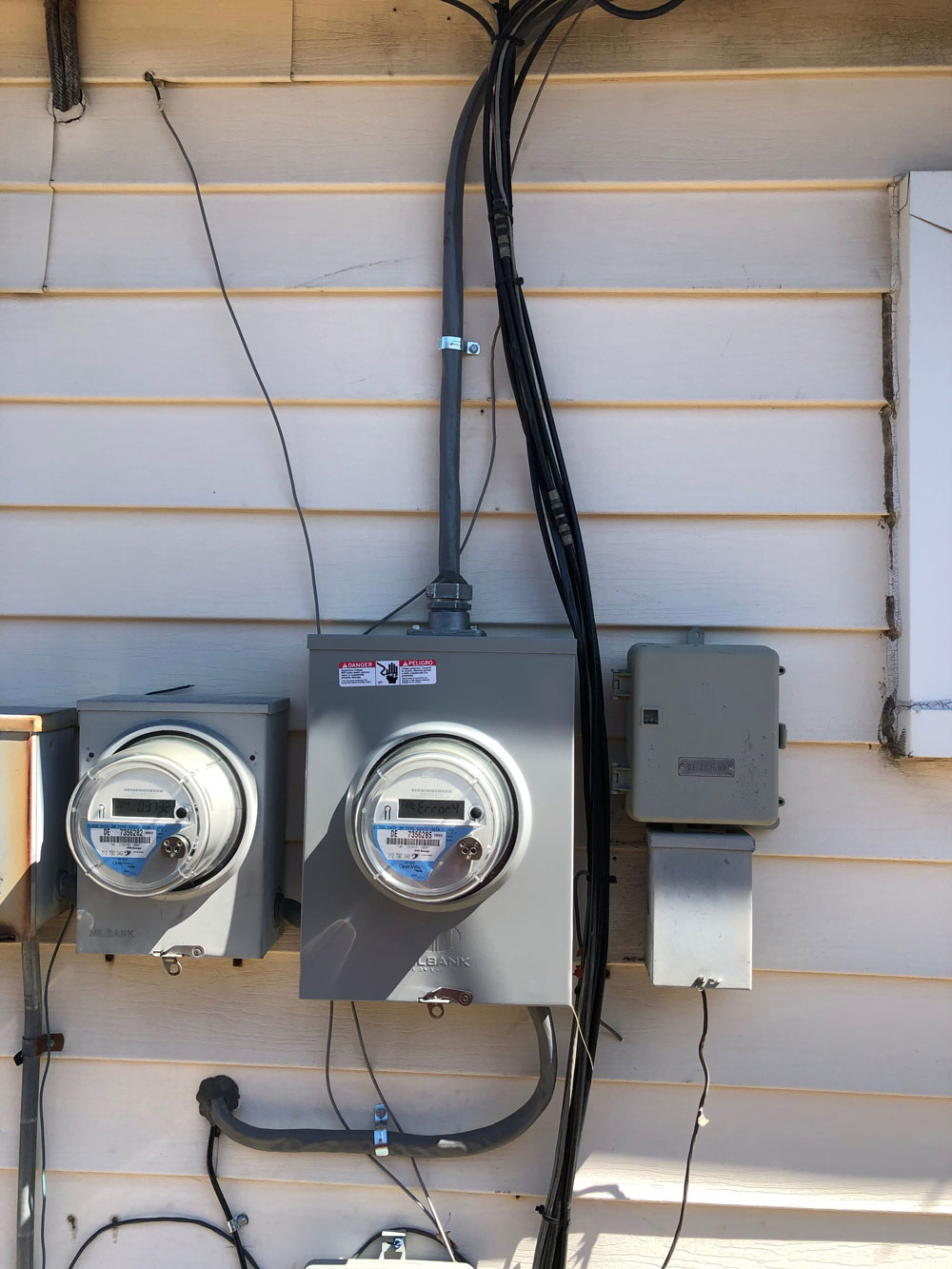
An EV charger electrical panel upgrade may involve more than replacing a breaker box. Depending on the property and the approved design, work can include a panel replacement, a larger service, meter-related coordination, a subpanel, new feeder conductors, a dedicated EV branch circuit, or corrections to electrical equipment that should be addressed before charging equipment is added. The exact scope should follow the site evaluation rather than a one-size-fits-all package.
Homeowners should also think about the charger location early. A garage, driveway, detached structure, or exterior parking area can change the wiring route, required conductor length, protection needs, and appearance of the finished installation. Addressing those details during planning can make it easier to balance charging convenience with the electrical work required.
Choosing charging speed without oversizing the project
More charging power is not always the best value. A higher-output charger can shorten charging time, but it may require a larger circuit and place greater demand on the home’s electrical capacity. If the vehicle is normally parked for many hours, a properly sized lower-output Level 2 arrangement may meet everyday needs without driving unnecessary changes to the service equipment.
Vehicle charging capability also matters. Some vehicles accept less AC charging power than the charger can provide, so buying the highest-rated unit does not guarantee proportionally faster home charging. A sound decision compares the vehicle’s onboard charging limit, daily miles driven, utility considerations, available overnight time, and the electrical upgrade scope.
A practical comparison of common options
For some Romeo, MI homeowners, the existing panel can support a dedicated 240-volt charging circuit after a load calculation, making the project relatively straightforward. Other homes need a panel replacement or a service-capacity change before a Level 2 charger can be added safely. There are also cases where selecting a lower-amperage charger or using managed charging equipment may be worth discussing, particularly when a full service upgrade would exceed the homeowner’s immediate needs.
Level 1 charging from a standard receptacle can be useful for low daily driving needs, but it generally adds range more slowly than a 240-volt Level 2 setup. It may be a temporary option, not a substitute for evaluating a panel that is already crowded or showing concerns. The appropriate choice depends on the home and driving pattern, rather than a universal rule.
Why the panel is part of the charging decision
A safe charging installation is a system, not just a wall-mounted device. The charger, dedicated circuit, breaker, conductors, panel, service capacity, and installation environment must work together. Proper planning can support dependable daily charging while helping homeowners avoid a rushed electrical change after the charger has already been selected.
The broader EV Charger Panel Upgrade conversation should include future household needs as well as today’s vehicle. A homeowner who expects to add another EV, electrify heating equipment, or renovate a garage may prefer a design that accounts for those plans. Discussing likely changes upfront can make the decision more durable and easier to understand.
What to consider before selecting an electrical provider
Before moving forward, give the provider useful project details: the vehicle model, charger specification if selected, parking location, photos of the electrical panel when requested, and a list of major electric appliances. Clear information supports a more focused site review and helps identify questions that need answers before installation. It also makes it easier to compare proposed scopes on more than price alone.
- Ask whether the proposed charger circuit is based on a load calculation and the equipment specifications.
- Ask what panel, service, feeder, or branch-circuit changes are included in the stated scope.
- Ask how approvals, permits, and inspections will be handled when they apply to the project.
- Ask how the charger location and wiring path affect the installation approach.
- Ask whether the plan considers anticipated loads such as another EV or future electric appliances.
Executive Electric offers a direct contact path for homeowners considering EV charging infrastructure in Michigan. The company’s listed location is 20504 Hall Rd, Clinton Township, MI 48038, while this page addresses the needs of people looking for an electrical panel upgrade related to EV charging in Romeo, MI. Sharing the property details and charging goal at the start helps create a more productive service conversation.
Frequently asked questions
Do I always need an electrical panel upgrade to install a Level 2 EV charger?
No. A Level 2 charger may only need a new dedicated 240-volt circuit if the existing electrical system has adequate calculated capacity, proper panel space, and suitable equipment. An electrician should evaluate the home’s loads and the charger specifications before deciding whether panel or service work is necessary.
Can a full panel be solved by adding a subpanel?
Sometimes a subpanel can address branch-circuit space, but it does not automatically create additional service capacity. The home still needs a load calculation to determine whether the existing service can support the EV charging load. The right approach depends on both physical space and electrical demand.
What information should I have ready before requesting EV charger electrical work?
Have the vehicle model, intended charger output, preferred charging location, and a general list of major electric appliances available. If possible, include details about future plans such as a second EV, a remodel, or switching to electric heating. This information helps shape a panel and circuit assessment.
Is Executive Electric located in Romeo, Michigan?
Executive Electric’s supplied location is 20504 Hall Rd, Clinton Township, MI 48038. This page is intended for customers researching EV charger electrical panel upgrades in Romeo, MI. Contact Executive Electric to discuss the property, charger plans, and appropriate next steps for the electrical system.
Discuss your Romeo EV charging project with Executive Electric
An EV charger should fit the home’s electrical capacity, the vehicle’s needs, and the way the household actually uses energy. Whether the project appears to need a dedicated circuit, more breaker space, a panel update, or a larger service evaluation, starting with the electrical system can lead to a clearer plan. Executive Electric can help you begin that conversation from its listed Clinton Township location at 20504 Hall Rd, Clinton Township, MI 48038.
Ready to discuss an EV Charger Electrical Panel Upgrade for a Romeo, MI property? Contact Executive Electric to share your charging goals and request the next step for your home electrical project.