Briggs & Stratton generator installation Romeo, MI
When an outage interrupts lights, refrigeration, heating equipment, internet access, or a sump pump, a properly planned standby generator can help a home remain functional. Executive Electric provides a point of contact for homeowners seeking Briggs & Stratton generator installation in Romeo, MI, with the company location listed at 20504 Hall Rd, Clinton Township, MI 48038. A generator is not simply an appliance that plugs in. It is part of an electrical system that must be selected, connected, and configured for the home’s real power needs.
For Romeo-area homeowners, the most useful first step is understanding what needs to keep operating during an outage and how an automatic standby system fits that goal. The right plan considers essential circuits, major loads, the electrical service, generator placement, transfer equipment, and the fuel source. Executive Electric can help start that conversation so the project is based on practical needs rather than an oversized or undersized assumption.
What a standby generator installation is designed to do
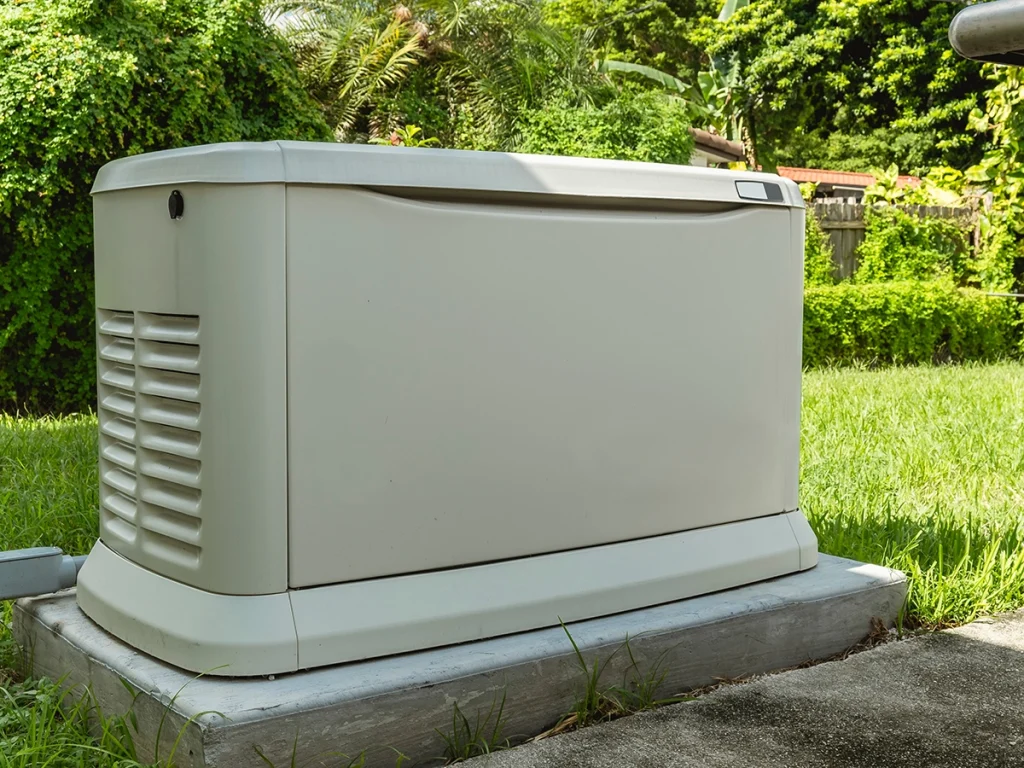
A Briggs & Stratton standby generator is intended to supply selected or whole-home electrical loads when utility power is unavailable, depending on the system design and generator capacity. Unlike a portable generator, a permanently installed standby unit works with an automatic transfer switch that separates the home from the utility before generator power is supplied. This separation is a critical safety function that prevents backfeeding into utility lines.
Many homeowners pursue a home backup generator installation because outages can affect more than comfort. Loss of power may mean no heat circulation, a wet basement risk when a sump pump stops, spoiled food, interrupted home-office work, or limited ability to charge communication devices. A standby system can reduce those disruptions when it has been designed around the loads that matter most.
Essential-load coverage and whole-home coverage are different choices
Essential-load coverage generally prioritizes a defined group of circuits, such as refrigeration, selected lighting, internet equipment, a furnace blower, a sump pump, garage access, and chosen receptacles. Whole-home coverage aims to support much broader use, but the actual capacity required depends on the equipment in the home and which loads may run at the same time. Neither approach is automatically better. The appropriate choice depends on priorities, electrical demand, budget, and the household’s outage plan.
- Essential-circuit systems can focus generator capacity on the equipment a household cannot comfortably do without.
- Broader-coverage systems can offer more convenience but require careful load planning, especially around large appliances and heating or cooling equipment.
- Load-management solutions may coordinate certain high-demand loads so the generator is not asked to carry everything simultaneously.
Automatic transfer equipment is central to safe backup power
The transfer switch is not an optional detail in a standby generator project. It monitors utility power and manages the transition between utility and generator power according to the system’s design. It also ensures the generator does not energize utility conductors during an outage, which is why generator transfer switch installation should be planned as part of the complete electrical scope.
The electrical panel, service capacity, grounding and bonding requirements, and the circuits to be backed up all affect the design. A professional assessment helps identify what is practical before equipment is selected or work begins. It is also an opportunity to discuss how the system should behave after utility power returns.
How to plan Briggs & Stratton generator installation for your home
Successful Briggs & Stratton generator installation begins with a load and site review, not with a guess based only on square footage. Two similarly sized homes can have very different electrical demands because of HVAC equipment, well pumps, electric ranges, water heaters, workshop tools, electric vehicle charging, and other major loads. A clear list of priorities gives the installation plan a useful starting point.
Start with the equipment you want available
Write down what must operate during a prolonged outage, what would be helpful to operate, and what can wait. Consider both continuous loads and equipment with high starting demand, such as motors and compressors. This list allows a provider to discuss generator sizing in terms of expected use rather than vague promises of “whole-house” power.
For example, a household concerned about a sump pump, refrigerator, furnace blower, lighting, and internet may have a different backup-power strategy than a household that also wants central air conditioning, electric cooking, laundry, and a large workshop available. The goal is to match the standby generator system to actual expectations. Choosing more capacity than needed can add cost, while choosing too little can require difficult compromises during an outage.
- Discuss priorities: Identify essential equipment, desired conveniences, and high-demand appliances.
- Review the electrical setup: Evaluate the service panel, circuits, transfer-switch approach, and load considerations.
- Consider the installation site: Plan for generator placement, access for future service, ventilation clearances, and applicable requirements.
- Coordinate the fuel source: A permanently installed generator needs an appropriate fuel supply, commonly natural gas or propane depending on the property and system plan.
- Complete installation and commissioning: The generator, transfer equipment, and controls are installed, tested, and reviewed so the homeowner understands normal operation.
Fuel supply and placement deserve early attention
Standby generators commonly use natural gas or propane, and fuel availability is a major planning consideration. The generator’s fuel demand, the capacity of the existing fuel infrastructure, and the needs of other appliances can influence the final system design. It is wise to address this early rather than treating fuel as a last-minute detail.
Placement also affects the project. The unit needs a location that accommodates required clearances, exhaust and airflow considerations, connection routes, drainage conditions, and future maintenance access. Local permitting and code requirements may apply in Michigan, so a project should be evaluated against the requirements that govern the property rather than relying on a neighbor’s installation as a model.
What homeowners can expect from the installation process
A residential generator installation is a coordinated electrical project. The work typically includes integrating the standby generator with transfer equipment and the electrical distribution system, while fuel connection work and required approvals may involve separate coordination. The exact sequence depends on the home, selected equipment, site conditions, and local requirements.
Before installation, homeowners can make the process smoother by deciding which equipment matters most, noting any recent electrical upgrades, and identifying concerns such as recurring basement water, medical equipment, remote work, or extended travel. Those details help shape a backup-power plan that fits how the home is actually used. They also help avoid misunderstandings about which appliances will and will not run on generator power.
- Expect discussion of generator capacity and backed-up loads rather than a one-size-fits-all recommendation.
- Expect transfer-switch planning, since automatic operation and safe isolation from the utility depend on this equipment.
- Expect site and fuel considerations to be addressed alongside the electrical work.
- Expect a final operating overview, including what the system does during a utility outage and what routine maintenance the manufacturer recommends.
After commissioning, homeowners should keep the generator area accessible and follow the manufacturer’s maintenance guidance. Standby equipment is most valuable when it is ready before an outage begins. Asking about owner responsibilities, exercise cycles, alerts, fuel-related considerations, and service access can help set realistic expectations for long-term ownership.
Choosing a provider for backup generator work
The provider selection should focus on whether the conversation addresses your electrical loads, transfer equipment, site constraints, and questions about the system’s intended coverage. A helpful provider does not reduce a generator project to a single equipment number. The installation must work as a complete system, from the electrical connection to the homeowner’s plan for using power during an outage.
Executive Electric is relevant for homeowners exploring Briggs & Stratton generator installation because the company provides a direct contact path for discussing the project and its electrical considerations. Executive Electric is located at 20504 Hall Rd in Clinton Township, Michigan, not in Romeo, so Romeo, MI homeowners can begin with clear location information rather than an implied local-office claim. Contacting the company is an appropriate next step when you want to discuss a specific home, electrical priorities, and installation questions.
Questions worth raising before you commit
A well-informed discussion can clarify both the scope and the limitations of a proposed standby system. Ask how the planned generator capacity relates to your selected loads, whether high-demand appliances require management, what transfer equipment is included, and how the generator will be fueled. You can also ask what property conditions may affect placement, approvals, schedule, or the work required at the electrical panel.
Portable generators are a reasonable alternative for some households that only need temporary, limited power and are prepared to operate the unit manually outdoors using safe practices. They do not provide the same automatic transfer function or permanent integration as a standby system. For a household seeking automatic response, designated backup circuits, and a fixed fuel connection, a Briggs & Stratton standby generator may be the more suitable direction to explore.
Plan for dependable backup power in Romeo, MI
Power outages are easier to manage when the backup-power plan has been considered in advance. Whether your priority is protecting a sump pump, keeping essential household systems operating, or pursuing broader electrical coverage, the design should reflect your home’s equipment and your expectations. A thoughtful Briggs & Stratton generator installation can provide a structured solution instead of a scramble after the lights go out.
Reach out to Executive Electric to discuss your Romeo, MI generator project and the information needed to plan it responsibly. The company location is 20504 Hall Rd, Clinton Township, MI 48038. Contact Executive Electric to start a conversation about standby generator options, transfer-switch planning, and the next steps for your Michigan home.
Common questions about standby generator installation
How does a Briggs & Stratton standby generator work during an outage?
A standby generator works with an automatic transfer switch that detects a utility outage, disconnects the home from utility power, and starts generator power for the planned electrical loads. When utility power returns, the system transfers back according to its configuration and shuts the generator down after its normal cycle.
What size generator does my Romeo home need?
Generator size depends on the appliances and systems you expect to run, their running and starting demands, and whether the plan covers essential circuits or broader household use. A load review is more reliable than choosing based on home size alone, especially where HVAC, pumps, or electric appliances are involved.
Can a standby generator power every appliance at once?
It can only power the loads supported by its capacity and system design. Some systems are designed for selected circuits, while others support wider coverage. High-demand equipment may require a larger generator or load-management strategy, so expectations should be discussed before equipment is chosen.
Is Executive Electric located in Romeo, Michigan?
No. Executive Electric’s provided location is 20504 Hall Rd, Clinton Township, MI 48038. Homeowners seeking generator installation in Romeo, MI can contact Executive Electric to discuss their property, backup-power goals, and whether the planned electrical work is a fit.