Home EV charger installation Rochester, MI
Charging an electric vehicle at home should fit your driving routine, your vehicle, and the electrical capacity of your property. For homeowners researching Home EV charger installation in Rochester, MI, Executive Electric provides a practical starting point for planning a dedicated, code-conscious charging setup rather than relying on a standard wall receptacle every day.
Executive Electric is located at 20504 Hall Rd, Clinton Township, MI 48038. The company location is in Clinton Township, not Rochester, so customers can contact Executive Electric to discuss their home, preferred charger, and whether the requested electrical work is a good fit for their Michigan project.
Make daily charging simpler at home
A professionally planned home charging setup gives an EV a predictable place to recharge between trips. It can reduce dependence on public stations, eliminate the need to plan errands around charging stops, and make overnight charging part of a normal routine. The right solution depends on the vehicle, driving habits, garage or driveway layout, and the home’s existing electrical system.
Home charging is most useful when the equipment and circuit match the way you actually drive. A household with a short daily commute may prioritize convenient overnight replenishment, while a household with two EVs or frequent longer trips may need to consider charging speed, circuit availability, and future expansion. An electrician can help turn those practical needs into an installation plan.
- Choose a charger location that is convenient for the vehicle’s charge-port position and cable reach.
- Consider whether a garage, attached carport, or outdoor parking area needs protection and suitable equipment.
- Review the electrical panel and available capacity before selecting charging equipment.
- Plan for current needs while considering a future vehicle, second EV, or electrical upgrades.
Residential charging starts with the property
Residential EV charger installation is more than mounting a device near a parking space. It involves evaluating the intended location, the route for wiring, the condition and capacity of the electrical service, and the charger’s power requirements. Thoughtful planning can help avoid inconvenient cord placement, unnecessary changes later, or selecting equipment that the existing system cannot support without additional work.
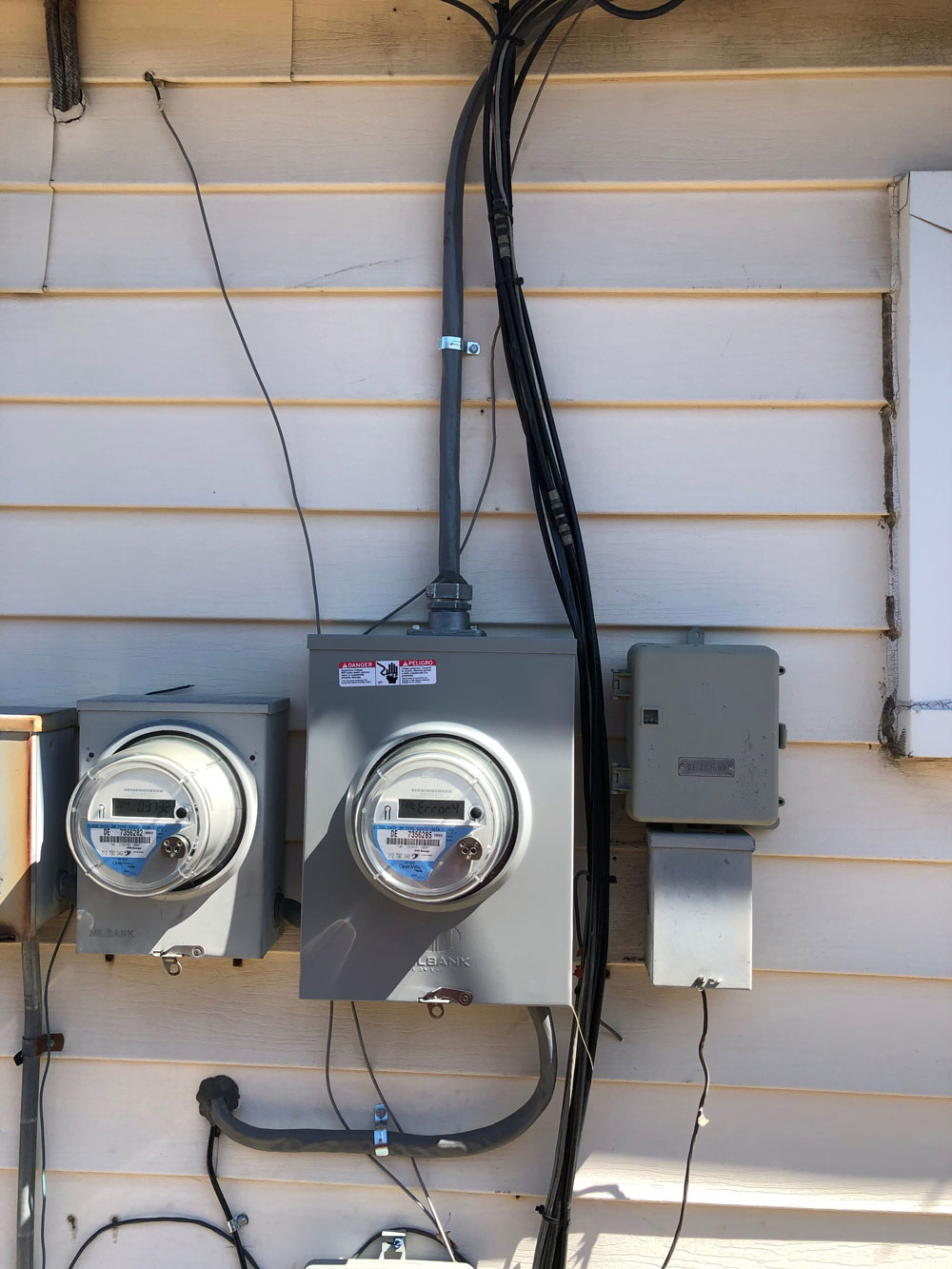
Before an appointment or estimate discussion, it is helpful to note the EV make and model, the charger model if one has already been selected, and where the vehicle normally parks. Photos of the electrical panel and parking area may also help clarify the scope. These details support a more useful conversation about circuit routing, panel space, and installation considerations.
A dedicated station provides a more intentional setup
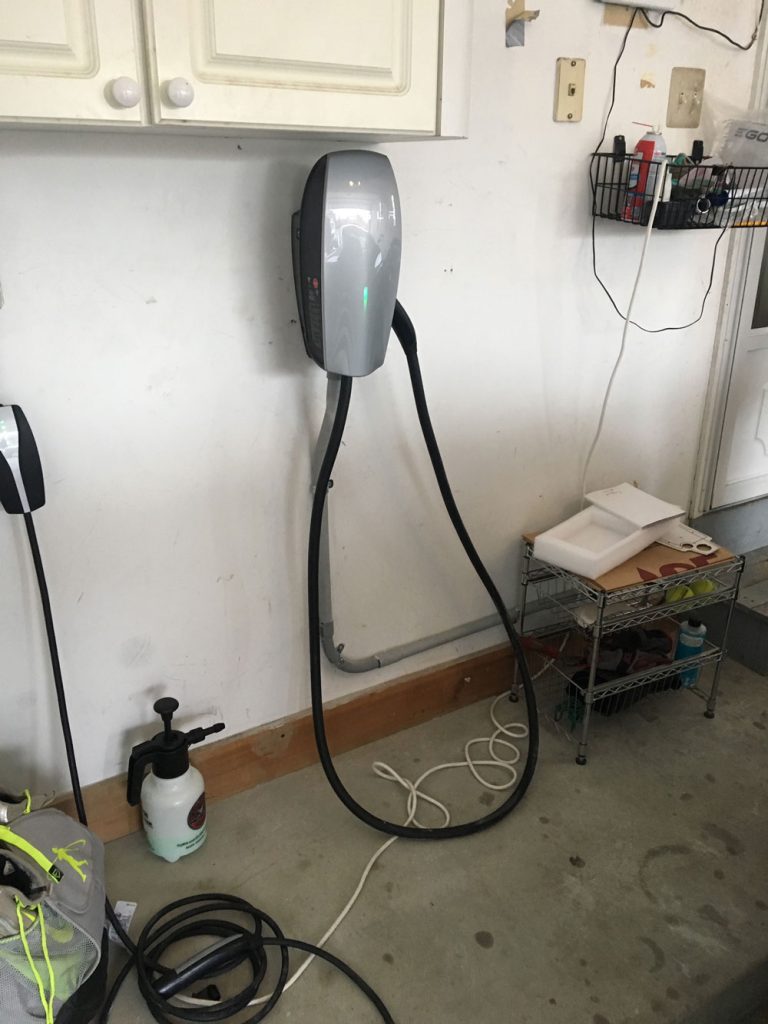
A Home charging station commonly refers to the installed charging equipment and the dedicated electrical supply that supports it. Unlike plugging into an existing general-use outlet, a properly designed station is intended to provide a consistent charging point where the car is parked. Homeowners can choose hardwired equipment or, where appropriate, a receptacle-based arrangement that works with compatible charging equipment.
Placement matters as much as charging speed. The station should be positioned so the cable reaches without stretching across a walkway, pinching in a door, or creating an avoidable trip hazard. Outdoor installations also require attention to the charger’s intended environment and a location that supports safe, practical use in changing Michigan weather.
Understand charging levels before selecting equipment
Most EV owners comparing home options are deciding between Level 1 and Level 2 charging. Level 1 uses a standard household outlet and can be adequate for some low-mileage situations, but it adds range gradually. Level 2 equipment uses a higher-voltage circuit and is generally the choice for drivers who want more meaningful overnight charging capability.
When Level 2 makes sense
Level 2 EV charger installation gives a home the infrastructure for faster AC charging than a typical 120-volt Level 1 connection. It is often a sensible option for drivers who use their EV regularly, want to recover daily driving range overnight, or prefer a dedicated charging location. The actual charging rate is limited by the vehicle, charger, and circuit configuration, so higher equipment ratings do not automatically mean the vehicle will charge at that maximum rate.
There is a tradeoff between a larger circuit and the work needed to support it. A charger with greater power potential may require more panel capacity, larger conductors, or changes to the electrical system. Reviewing those factors before purchase helps homeowners select equipment that is appropriate for the property instead of assuming every charger can be installed in the same way.
240V EV charger installation usually involves adding a dedicated 240-volt branch circuit from the service panel to the charging location. The circuit size, wiring method, overcurrent protection, and connection type must align with the equipment instructions and applicable electrical requirements. A dedicated circuit helps separate EV charging from ordinary household plug loads and supports reliable operation when the vehicle is connected.
- Identify the vehicle’s charging capability and the charger’s electrical requirements.
- Review panel capacity, available breaker space, and the likely wiring route.
- Select a suitable charger location and determine whether hardwiring or a receptacle is appropriate.
- Complete installation work, required inspection steps where applicable, and functional verification.
- Use the charger according to the manufacturer’s instructions and monitor its condition over time.
Equipment choices: connector, receptacle, and installation approach
Choosing charging equipment is not only about buying the highest-rated unit. Homeowners should consider connector compatibility, cable length, smart features they will actually use, whether the equipment is listed for its intended setting, and whether the charger will remain suitable if they change vehicles. An electrician can address the electrical side of the decision, while the vehicle and charger manufacturers provide the product-specific charging limits and instructions.
Tesla charger installation can be planned around Tesla-specific equipment or around charging solutions that accommodate different EV connector needs. Tesla owners should confirm the vehicle connector arrangement, the charger model, and whether they expect to charge another vehicle at the same location. Planning for compatibility now can be especially useful for households that may own EVs from more than one manufacturer.
Hardwired chargers and plug-in chargers each have a place. A hardwired unit is directly connected to the dedicated circuit and can offer a clean, permanent setup. A plug-in unit uses a correctly installed receptacle, which may offer equipment-swapping flexibility, but the outlet, plug, circuit, and continuous-use demands must all be appropriate for EV charging.
EV charging outlet installation is the electrical work of providing a properly specified receptacle for a compatible plug-in charger. It should not be treated as simply adding any available outlet near the vehicle, because EV charging can place a sustained electrical load on the circuit and connection. The equipment instructions and local requirements help determine the proper receptacle type, circuit rating, placement, and protective measures.
What to expect from the installation conversation
A useful Home EV charger installation discussion begins with facts about the home and vehicle, not assumptions about a one-size-fits-all charger. Executive Electric can be contacted from its Clinton Township location at 20504 Hall Rd, Clinton Township, MI 48038 to discuss the requested work. Sharing accurate details early helps establish whether the project may involve a straightforward dedicated circuit or a broader electrical evaluation.
Electrical capacity is one of the most important considerations. A home may have physical breaker space but still require a load calculation or other assessment before a new continuous load is added. Older panels, a full panel, a long run to a detached parking area, or plans for additional large electric appliances can all affect the scope.
- Ask what information is needed about your vehicle and selected charger.
- Ask whether the proposed location requires an indoor or outdoor-rated solution.
- Ask how panel capacity, breaker space, and cable routing influence the work.
- Ask what permit or inspection requirements may apply to the property.
- Ask what preparation is useful before the installation day, such as clearing access to the panel and parking area.
Professional electrical work is particularly important when a homeowner is considering a panel modification, new high-capacity circuit, outdoor run, or a charger location far from the service equipment. Extension cords and improvised adapters are not substitutes for a planned EV charging circuit. A dedicated installation is designed around the electrical demand and the environment where charging will occur.
Why Rochester homeowners should plan before they plug in
For many Rochester, MI EV drivers, the goal is straightforward: come home, connect the vehicle, and begin the next day with useful range. Achieving that goal depends on decisions made before installation, including charger output, location, electrical capacity, and the difference between a temporary charging method and a permanent home solution. Planning first can make the charging experience more convenient and easier to adapt as household transportation changes.
There are reasonable alternatives when an immediate Level 2 setup is not the right choice. Some drivers may continue with Level 1 charging if their daily mileage is modest, while others may rely partly on workplace or public charging. However, homeowners who need faster recovery between drives, have limited public charging convenience, or want a dedicated parking-space solution may find that an installed Level 2 circuit better matches their routine.
For a more detailed service conversation, use Home EV charger installation information as a guide to the questions that matter: what vehicle you drive, how far you drive, where you park, and what electrical equipment is already in place. Executive Electric can discuss those details and help you take the next appropriate step without requiring you to guess at the electrical scope.
Questions homeowners often ask
How long does a home EV charger installation take?
Installation time varies with the electrical panel, wiring distance, charger location, and whether upgrades or permitting are needed. A nearby garage location with adequate capacity may be simpler than an outdoor or detached-area installation. An electrical review is the practical way to understand the likely scope for a specific home.
Do I need a Level 2 charger at home?
Not every driver needs Level 2 charging. It is generally most useful for people who want faster overnight replenishment, drive regularly, or prefer not to depend heavily on public charging. Level 1 may suit lower-mileage driving, but it charges more slowly through a standard household outlet.
Can an existing electrical panel support an EV charger?
An existing panel may support an EV charger, but available breaker space alone does not answer the question. The home’s electrical load, service capacity, charger rating, and other major appliances should be considered before adding a dedicated charging circuit. A qualified electrical assessment helps determine the appropriate path.
Is Executive Electric located in Rochester, Michigan?
Executive Electric is located at 20504 Hall Rd, Clinton Township, MI 48038, rather than in Rochester. Rochester homeowners can contact Executive Electric to discuss Home EV charger installation needs, vehicle information, charger preferences, and the electrical conditions at their property.
Talk with Executive Electric about your charging plan
Whether you are buying your first EV, replacing a basic charging routine, or preparing your property for a new vehicle, clear electrical planning can make the decision easier. Contact Executive Electric to discuss Home EV charger installation for Rochester, MI, including charger location, circuit needs, and the information that will help define your project.
Reach Executive Electric through the contact page and reference the company location at 20504 Hall Rd, Clinton Township, MI 48038 when you connect. A conversation about your vehicle, parking arrangement, and existing electrical system is the practical first step toward a home charging solution that fits your Michigan household.