Briggs & Stratton generator installation Rochester, MI
A properly planned standby generator can keep essential systems available when utility power is interrupted. For property owners researching Briggs & Stratton generator installation in Rochester, MI, the practical goal is not simply buying a generator. It is matching a backup-power system to the electrical loads, fuel source, transfer equipment, and installation conditions of the property.
Executive Electric is located at 20504 Hall Rd, Clinton Township, MI 48038. Rochester customers considering a Briggs & Stratton standby generator can contact Executive Electric to discuss the electrical side of a planned installation, including the questions that should be answered before equipment is selected or work begins.
Backup power is especially meaningful when an outage affects refrigeration, heating equipment, sump pumps, lighting, internet equipment, security systems, medical-support equipment, or the ability to work from home. The right system is based on priorities and capacity, not on a one-size-fits-all generator size. A thoughtful installation plan helps a homeowner understand what will run, what may need to stay off, and how the system is intended to respond when power fails.
What a standby generator installation is designed to do
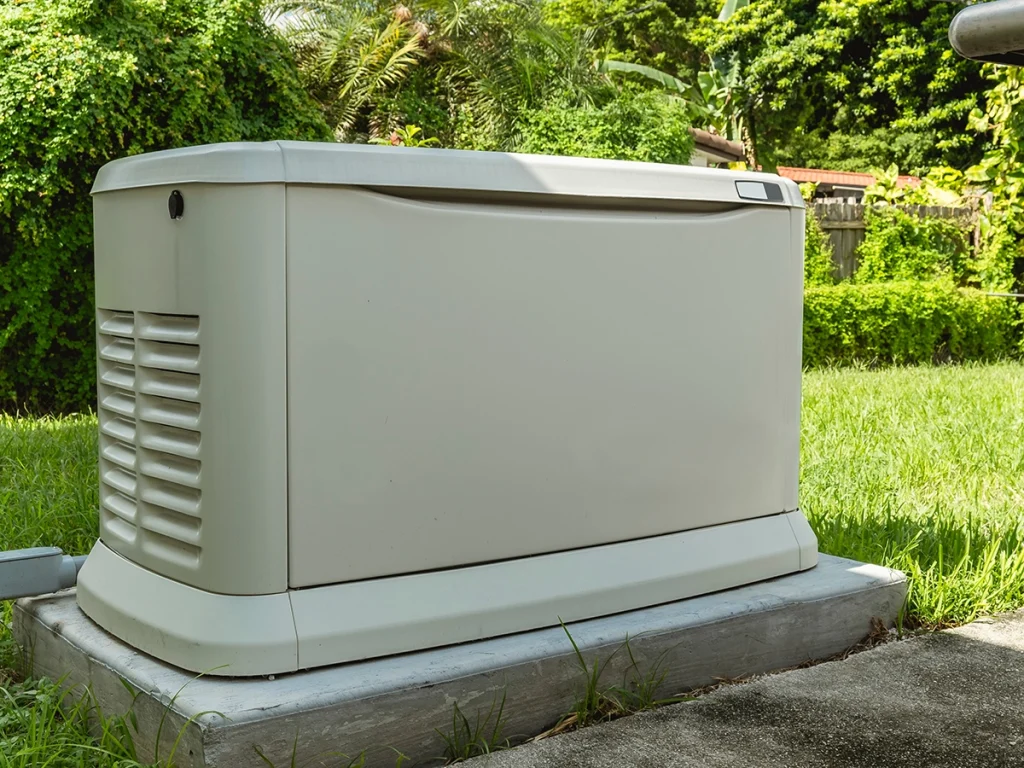
A permanently installed Briggs & Stratton generator is intended to provide automatic backup power through a transfer switch when normal utility service is lost. Unlike a portable unit that must be moved, fueled, and connected during an outage, a standby system is integrated with the property’s electrical distribution and an approved fuel supply. Once utility power returns, the system transfers back to normal service and the generator shuts down according to its controls.
For a homeowner in Rochester, Michigan, the central decision is whether the system should support the entire home or only selected priority circuits. Whole-home backup can offer broad coverage, while an essential-load approach can focus available capacity on the equipment that matters most. Neither option is automatically right for every property, because the electrical demand and budget considerations differ.
Automatic transfer equipment is a core part of the system
The automatic transfer switch is what safely separates generator power from utility power and directs electricity to the intended loads. It is not an optional detail or a simple plug-in accessory. The transfer equipment, service configuration, panel capacity, and generator output all need to be considered together so the finished system has a clear operating plan.
A professional evaluation can also identify whether load management is appropriate. Some systems are designed to prioritize major loads or prevent certain high-demand appliances from operating at the same time. This can be useful when a homeowner wants reliable coverage for essentials without selecting equipment solely to accommodate every possible electrical load at once.
Fuel planning affects comfort and runtime expectations
Standby generators commonly rely on an established fuel source rather than gasoline stored in portable containers. The available fuel arrangement, equipment location, and local installation requirements can influence which generator configuration makes sense. Generator output ratings are also tied to fuel conditions, so it is important to review the equipment specifications and installation plan rather than assume one rating applies in every circumstance.
Homeowners should also consider the systems that matter during a prolonged outage. A furnace, refrigerator, sump pump, well equipment, communications equipment, and selected lighting may represent a more practical starting point than trying to power every appliance. Clear priorities make it easier to have a productive conversation about a Briggs & Stratton backup generator installation.
Start with the loads you want protected
The best first step in generator planning is to identify essential equipment and understand its electrical demands. A generator must handle both ongoing running load and, for some equipment, the higher demand that occurs when a motor starts. Heating and cooling equipment, pumps, refrigerators, and other motor-driven loads can significantly affect system sizing.
Before contacting Executive Electric, it can help to make a straightforward list of what backup power needs to accomplish for your household. This list does not replace an electrical assessment, but it gives the conversation a useful foundation and helps distinguish needs from preferences.
- Keep food refrigeration and selected kitchen circuits operating.
- Maintain heating equipment, a sump pump, or other property-protection systems.
- Support lighting, garage access, internet, charging, and communications.
- Provide power for a home office or critical personal equipment.
- Decide whether central air conditioning, electric cooking, laundry, or other large loads are priorities.
It is also useful to note recent electrical changes, such as an added appliance, finished space, electric vehicle charging equipment, or panel upgrades. These details can change load expectations. A conversation centered on actual equipment is more productive than choosing a generator based only on square footage.
Whole-home backup and essential-load backup are different approaches
Whole-home backup aims to cover most or all normal household use within the limits of the generator and system design. Essential-load backup focuses on designated circuits or managed loads that keep the property safe and functional. The first approach may offer greater convenience, while the second can be a sensible way to concentrate power on the systems that have the greatest value during an outage.
Homeowners should not assume that a larger generator alone resolves every design question. Electrical panel layout, transfer-switch selection, starting loads, fuel supply, placement, and the desired operating behavior all affect the final plan. Asking how each of those items will be addressed is a sound way to evaluate a generator installation proposal.
What to expect from the installation planning process
A planned Briggs & Stratton generator installation typically begins with a review of the property’s electrical service and the loads the homeowner wants to protect. The purpose is to define the scope before equipment is installed. Site conditions, generator placement, clearances, fuel coordination, electrical routing, and permit or inspection requirements may all need attention depending on the property and governing requirements.
- Discuss outage priorities. Identify the appliances, circuits, and systems that should remain available.
- Review the electrical setup. Evaluate the service, panels, transfer equipment needs, and practical routing considerations.
- Choose a backup strategy. Compare an essential-load design with broader whole-home coverage and consider load-management needs.
- Coordinate the installation details. Plan equipment location, fuel-source work by the appropriate provider, electrical connections, and required approvals.
- Complete startup and operating orientation. After installation, understand normal automatic operation, status indicators, and the owner responsibilities described in the equipment documentation.
During the planning stage, it is reasonable to ask which loads are expected to be covered, how transfer to generator power occurs, and what conditions could limit performance. A clear answer helps prevent a common disappointment: assuming a backup system will power every device exactly as it does during normal utility service without reviewing the load plan.
For readers comparing providers, Briggs & Stratton generator installation planning should include attention to the electrical connection and transfer method, not just the generator model. The equipment is only one portion of a standby-power system. Careful coordination gives homeowners a more realistic understanding of the work, the sequence, and the operating result.
Important questions to ask before selecting equipment
Good generator decisions are based on specific information about the property and the homeowner’s expectations. Asking direct questions can help you compare options without relying on broad promises. It also makes it easier to recognize whether a proposed system is designed around the loads you actually intend to use.
- Which circuits, appliances, or systems will the generator support during an outage?
- Will the design use a whole-home transfer switch, an essential-load panel, or load-management controls?
- How are motor starting loads and large appliances being considered?
- What generator location and electrical routing are anticipated for the property?
- What fuel-source coordination is needed before the system can operate?
- Which permits, inspections, and utility-related requirements may apply?
- What routine owner checks and manufacturer-recommended maintenance should be planned after installation?
Maintenance should be part of the decision, even before installation. Like other mechanical equipment, a standby generator needs ongoing attention consistent with its manufacturer documentation. Homeowners should know how to monitor alerts, keep the area around the equipment accessible, and arrange any service needed to help the system remain ready for future outages.
Why electrical planning matters for Rochester-area properties
Executive Electric can be a relevant contact for Rochester, MI property owners because a standby generator installation depends on more than placing equipment outdoors. The electrical service, transfer switch, protected circuits, and load priorities must work together. Addressing those relationships early can help a homeowner move from a general interest in backup power to a plan that reflects the property’s actual needs.
Executive Electric’s listed location is 20504 Hall Rd, Clinton Township, MI 48038, not Rochester. That distinction matters when choosing a local service provider: customers should have clear information about where a company is located and should discuss the scope of service, scheduling, and project requirements directly. For Michigan homeowners, a detailed consultation is the appropriate next step when backup power has become a priority.
A Briggs & Stratton home generator installation may be appropriate for households that want automatic response during outages and a more permanent solution than a portable generator. A portable generator can be a reasonable alternative for limited, temporary needs, but it requires manual setup and must be used according to applicable safety guidance. A standby system is better suited to owners who value integrated transfer equipment and planned backup for selected or broader household loads.
Answers for homeowners considering standby power
Can a Briggs & Stratton generator power my entire home?
It can be designed for broad home coverage, but whether it powers every load depends on generator capacity, the electrical service, appliance demands, fuel arrangement, and transfer-switch configuration. An essential-load design may be a better fit when the priority is keeping critical equipment operating rather than supporting all household use simultaneously.
What happens when utility power goes out with a standby generator?
A standby system detects the outage, starts the generator, and uses an automatic transfer switch to move designated electrical loads from utility power to generator power. When utility service is restored, the transfer switch returns loads to normal power and the generator completes its shutdown sequence.
Do I need to know the exact generator size before I contact Executive Electric?
No. A useful starting point is a list of the appliances and systems you want to support, plus any major electrical additions at the property. Electrical load review and system design considerations are more reliable than selecting a size based only on the home’s square footage or a general online recommendation.
Is Executive Electric physically located in Rochester, Michigan?
Executive Electric’s supplied location is 20504 Hall Rd, Clinton Township, MI 48038. Rochester, MI is the service-page target geography, not a stated Executive Electric office location. Contact the company directly to discuss your Rochester property, the proposed generator scope, and next steps.
Discuss your backup-power plan with Executive Electric
If you are weighing a standby generator for a Rochester property, start with the questions that affect daily comfort and outage readiness: which loads matter, how much coverage you want, and how the electrical connection will be planned. Executive Electric is located at 20504 Hall Rd, Clinton Township, MI 48038 and can be contacted to discuss Briggs & Stratton generator installation considerations for your project.
Take the next step toward a clearer backup-power plan. Contact Executive Electric to share your property details and discuss the electrical planning needed for a Briggs & Stratton standby generator system.