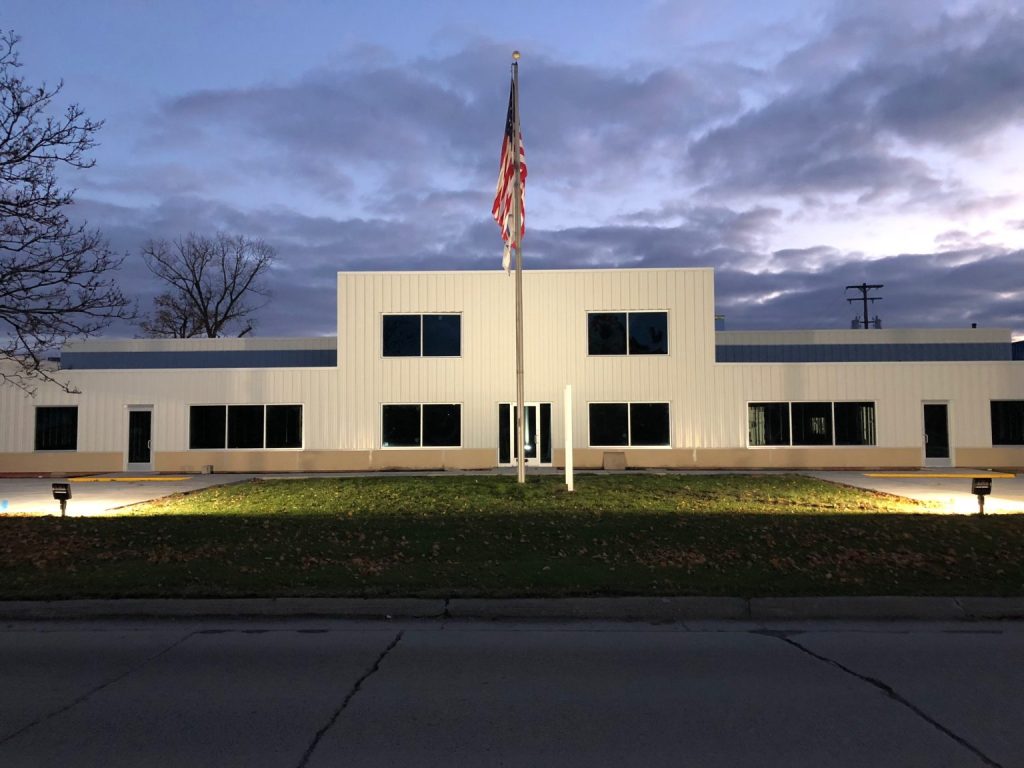
Commercial Electrician Rochester, MI
Commercial electrical work affects more than whether lights turn on. It shapes how safely a business can operate, whether equipment has the power it needs, how easily a space can be adapted, and how disruptions are managed. For a property owner, facility manager, tenant, or business decision-maker looking for a commercial electrician in Rochester, MI, the practical first step is defining the electrical problem, project scope, and operating constraints before work is planned.
Executive Electric is located at 20504 Hall Rd, Clinton Township, MI 48038. Businesses evaluating an electrical need in Rochester, MI can contact Executive Electric to discuss the nature of the work, the property involved, and whether the project is an appropriate fit. That conversation can help turn an uncertain electrical concern into a clearer path forward.
Commercial electrical work begins with the building’s real operating needs
A commercial electrical project should be evaluated in the context of the whole space, not as an isolated outlet, fixture, or panel issue. A restaurant, office, retail space, warehouse area, medical office, mixed-use property, and tenant suite can each place different demands on an electrical system. The electrical load, equipment type, future plans, access requirements, and need to keep operations running all influence the scope.
Commercial electrician services are commonly considered when a business is opening, renovating, changing equipment, correcting a recurring electrical concern, or preparing a space for a new tenant. The goal is not simply to add power. It is to understand how the proposed work interacts with existing circuits, distribution equipment, controls, lighting, and day-to-day use of the property.
Situations that often call for a commercial electrical evaluation
Electrical concerns are easier to address when they are documented early, especially before a remodel, equipment purchase, or occupancy change creates time pressure. Some issues are visible, while others become apparent through repeated interruptions, insufficient capacity, or an electrical layout that no longer matches how the space is used.
- Tenant build-outs, office reconfigurations, or remodeling plans that require new circuits, receptacles, lighting, or controls
- Equipment additions that may change power requirements, including specialized machinery, kitchen equipment, HVAC-related components, or technology systems
- Lighting upgrades intended to improve visibility, task performance, energy use, or control over occupied and unoccupied areas
- Electrical panels, breakers, outlets, or circuits that need professional attention because they appear overloaded, unreliable, damaged, or insufficient for current use
- New construction planning, additions, expansions, or changes in how a commercial space will be occupied
- Power distribution questions involving dedicated circuits, three-phase service considerations, or the relationship between equipment and available capacity
Not every issue requires the same scale of solution. Replacing a fixture, adding a dedicated circuit, redesigning a portion of a tenant space, and planning electrical infrastructure for a larger project involve different levels of investigation. Clear information about the use of the space helps avoid treating a capacity or design problem as a minor repair.
What a thoughtful commercial electrical process looks like
A useful process moves from discovery to planning and then to coordinated work. Before any installation or repair is considered, the electrical contractor needs a clear picture of the requested result, the conditions at the site, and the practical limits of the business schedule. This reduces surprises and gives the customer a stronger basis for decisions.
- Describe the business need. Identify what is not working, what is changing, or what the finished space needs to support. Include the equipment, occupancy, workflow, and timing that matter to the business.
- Review the existing conditions. Existing electrical equipment, visible wiring conditions, panel capacity, circuit use, and access points may affect the available options. Older systems and prior alterations can require additional attention.
- Define the scope and coordination needs. Commercial projects often involve owners, tenants, property managers, general contractors, architects, equipment suppliers, or other trades. The scope should account for who is responsible for each part of the project.
- Plan work around operations. Access windows, occupied areas, sensitive equipment, noise, dust, shutdown needs, and business hours should be addressed before work is scheduled whenever possible.
- Complete and review the work. After the project, the customer should understand what was changed, how the new electrical components support the space, and what records or next steps may be relevant to the property.
For a business in Michigan, this approach is valuable because commercial spaces are rarely static. A property that works well today may need different circuits, lighting, controls, or distribution tomorrow. Planning for current use while discussing foreseeable changes can be more practical than making isolated additions without considering the larger system.
Balancing repairs, upgrades, and new installation work
The right option depends on the cause of the problem and the intended use of the property. A repair may be appropriate when a defined component has failed and the existing system can support ongoing operations. An upgrade may make more sense when recurring problems point to insufficient capacity, outdated equipment, or a layout that no longer serves the business.
New installation work is typically tied to construction, expansion, a new tenant layout, or equipment that needs dedicated power. The important distinction is that a commercial electrical contractor should assess the need behind the request, not assume every issue has the same remedy. A lower-scope repair can be efficient when it addresses the actual cause, while a broader project can be warranted when the building’s needs have changed.
Lighting provides a useful example. Replacing a single failed fixture is different from evaluating lighting throughout a work area. A larger lighting project may involve fixture placement, switching, occupancy patterns, task visibility, emergency considerations, and controls. The best decision comes from understanding the function of the space rather than selecting a solution based on one visible symptom.
Important factors when choosing a commercial electrical contractor
Commercial customers should select a provider based on the clarity and relevance of the project discussion, not only on a brief description of the immediate problem. Electrical work can affect operations, future flexibility, construction sequencing, and the condition of the property. A productive initial conversation should make it easier to identify the scope, constraints, and information needed for a next step.
- Commercial context: Explain whether the space is occupied, being remodeled, changing tenants, or supporting specialized equipment.
- System capacity: Ask how current and anticipated loads may influence panel, circuit, and distribution decisions.
- Operational impact: Discuss access, scheduling, possible interruptions, and how the work can be coordinated with normal business activity.
- Project coordination: Clarify whether other trades, a property manager, a general contractor, or equipment vendors need to be involved.
- Scope clarity: Make sure the request distinguishes between investigation, repair, replacement, upgrade, and new installation work.
- Documentation: Keep available any prior plans, equipment specifications, panel information, maintenance records, or photographs that can help explain the condition.
It is also helpful to avoid a common misconception: more electrical capacity is not automatically the answer to every power issue. Circuit loading, equipment startup demands, distribution design, a damaged component, and the way a space is being used can all matter. A careful assessment helps direct attention to the condition that needs to be addressed.
Information to prepare before contacting Executive Electric
Preparing a few details can make an initial commercial electrical conversation more efficient. A concise description of the issue is useful, but the operational context is often just as important. For example, stating that a circuit trips is more helpful when paired with information about what equipment is connected, when the issue occurs, and whether the space has recently changed.
Have the property address, contact information for the relevant decision-maker, photos of accessible equipment or affected areas, and any available plans or equipment specifications ready. If the project is part of a renovation or tenant improvement, share the target completion date and the names of other parties involved. Executive Electric can use this context to discuss the project at 20504 Hall Rd, Clinton Township, MI 48038 and help determine an appropriate next conversation.
Commercial electrical planning for Rochester-area business decisions
Businesses and property stakeholders considering a commercial electrician in Rochester, MI benefit from treating electrical work as part of facility planning. Whether the immediate concern is lighting, power distribution, a panel question, a tenant improvement, or equipment support, the details should be connected to the way the building must function. That perspective can reduce avoidable rework and support better coordination among the people involved in the project.
Executive Electric provides a direct point of contact for discussing commercial electrical needs from its Clinton Township, Michigan location. The most useful first outreach explains the property type, requested outcome, current concern, timing, and any operational limits. This creates a more informed starting point than a general request for electrical work without project details.
Frequently asked questions
What does a commercial electrician do for a business property?
A commercial electrician evaluates, installs, repairs, or modifies electrical systems used in business and commercial spaces. Work may involve power distribution, panels, circuits, lighting, controls, receptacles, equipment connections, tenant improvements, and electrical planning for construction or renovations. The appropriate service depends on the building condition and the business’s operating needs.
When is an electrical upgrade more appropriate than a repair?
An upgrade may be appropriate when the existing system cannot reliably support current or planned loads, when the space is changing use, or when recurring issues suggest a broader capacity or distribution concern. A repair may be sufficient for an isolated, identifiable component problem. An evaluation helps distinguish between those situations.
Can Rochester, MI businesses contact Executive Electric even though its listed location is in Clinton Township?
Yes. Executive Electric’s listed location is 20504 Hall Rd, Clinton Township, MI 48038, not Rochester. A Rochester, MI business can contact Executive Electric to describe its commercial electrical project, site conditions, and timing, then discuss whether the requested work is an appropriate fit.
What details should I provide when requesting commercial electrical help?
Share the property address, type of business or space, the electrical concern or planned change, affected equipment, desired timing, and any restrictions on access or interruptions. Photos, plans, panel information, and equipment specifications can also help clarify the request. This information supports a more focused discussion of potential next steps.
When your business needs a clearer plan for electrical repairs, upgrades, lighting, equipment power, or a changing commercial space, contact Executive Electric. Reach out through the contact page to discuss your Rochester, MI project and provide the details that matter. Executive Electric’s listed location is 20504 Hall Rd, Clinton Township, MI 48038.
Contact Executive Electric to discuss your commercial electrical needs.