Emergency Electrician Rochester Hills, MI
Electrical trouble can move from inconvenient to dangerous quickly. A burning smell at an outlet, a panel that feels unusually warm, repeated breaker trips, sparks, or a sudden loss of power in part of a property are all reasons to stop using affected equipment and assess the situation carefully. For people seeking an Emergency Electrician in Rochester Hills, MI, the immediate priority is safety, followed by a clear plan for finding and correcting the underlying electrical issue.
Executive Electric is based at 20504 Hall Rd, Clinton Township, MI 48038. Rochester Hills homeowners, property managers, and business owners can contact Executive Electric to discuss an urgent electrical concern and the appropriate next step. The value of a professional electrical assessment is not simply restoring convenience. It is identifying whether the problem involves an overloaded circuit, damaged wiring, a failing device, a panel concern, or an issue connected to utility power.
Know When an Electrical Problem Needs Immediate Attention
An electrical emergency is any condition that presents a possible shock, fire, or equipment hazard, or that disrupts essential power in a way that cannot safely wait. Not every outage or tripped breaker has the same cause, but visible damage, heat, smoke, arcing, and recurring failures deserve prompt attention. Do not keep resetting a breaker or using an outlet that is behaving abnormally in hopes that the problem will disappear.
Michigan weather, household demand, aging components, appliance problems, and accidental damage can all reveal weaknesses in an electrical system. A qualified electrician investigates the circuit and connected components rather than treating a symptom as the complete diagnosis. That approach matters because a breaker is designed to interrupt power when it detects a condition that may be unsafe.
Warning signs that should not be ignored
Some electrical symptoms require a calm response, not guesswork. If there is active fire, smoke, a person receiving an electrical shock, or an immediate threat to life, call 911 first. For other urgent electrical concerns, keep people away from the affected area and avoid touching damaged wiring, wet electrical equipment, or a panel that appears compromised.
- A persistent burning or hot-plastic odor near an outlet, switch, panel, cord, or appliance
- Sparks, buzzing, crackling, scorch marks, discoloration, or melting at electrical devices
- A breaker that trips repeatedly after normal use resumes
- Lights that flicker or dim significantly when equipment turns on
- An outlet, switch plate, plug, or electrical panel that is hot to the touch
- Water exposure involving a panel, outlet, extension cord, appliance, or damaged wiring
- A partial power loss that affects more than one room or essential equipment
These signs do not all point to one repair. For example, flickering lights may stem from a loose connection, a circuit load issue, a fixture problem, or a condition outside the building. The safe decision is to avoid assuming the cause based on one symptom alone.
What to Do Before You Contact an Electrician
Safe, basic observation can make the initial conversation more productive, but troubleshooting inside electrical equipment is not a homeowner task. Note what happened, where it happened, and whether a particular appliance, storm, renovation activity, or water event occurred before the issue began. That information helps distinguish a localized device problem from a broader circuit or service concern.
Take practical safety steps without attempting a repair
- Stop using the affected outlet, switch, appliance, fixture, or circuit whenever it can be done safely.
- If you can identify the relevant breaker without touching damaged equipment or entering a wet area, turn it off. Do not force a breaker or repeatedly reset it.
- Unplug accessible devices from the affected outlet only if the area is dry and there are no signs of heat, damage, or sparking.
- Keep children, pets, tenants, customers, and other occupants away from the concern.
- Write down observable details, including which rooms lost power, what was operating at the time, and whether the breaker tripped again.
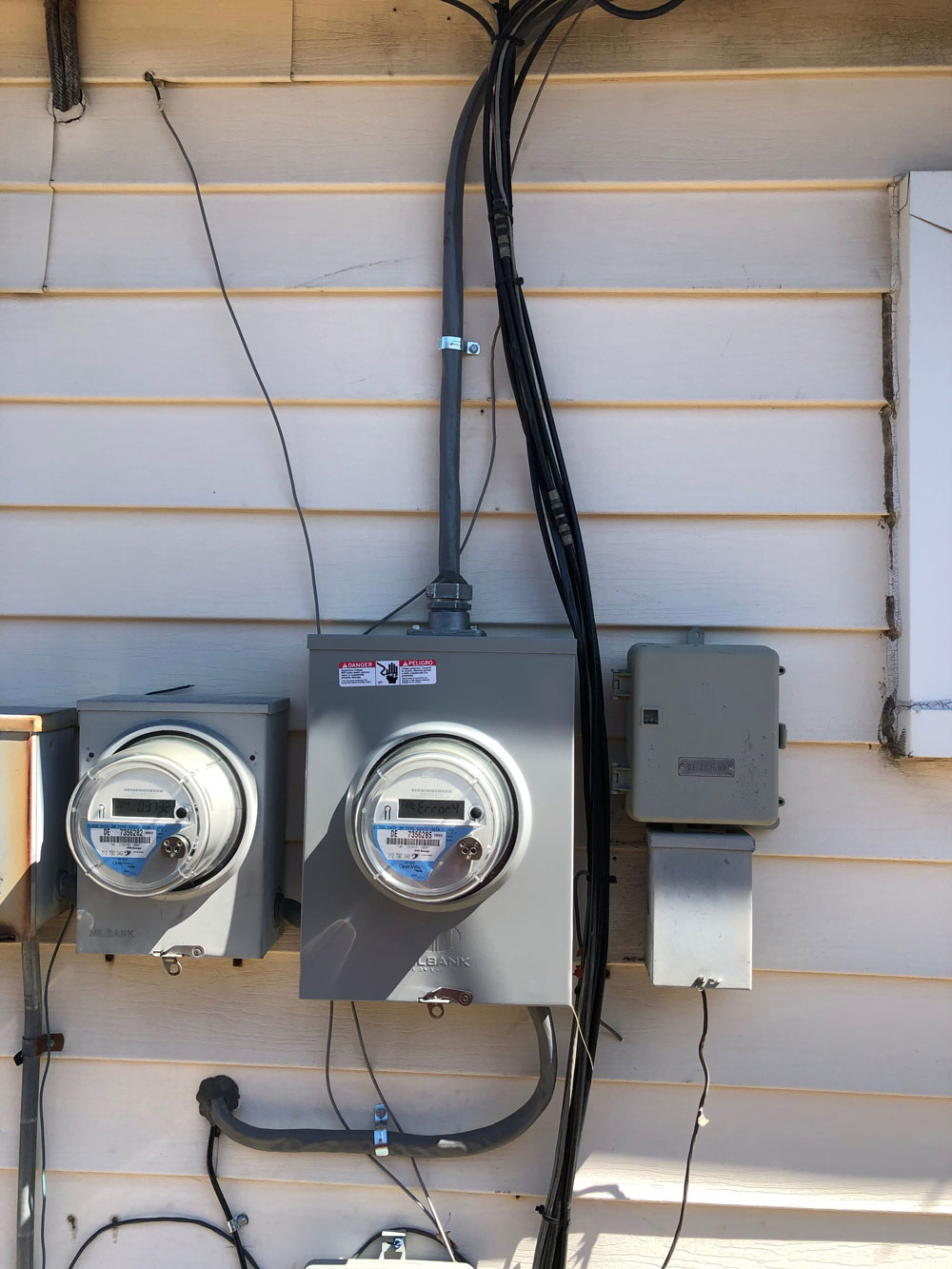
- Contact the utility company when a neighborhood or service-side outage may be involved, especially if nearby properties are also without power.
Do not remove a panel cover, handle exposed conductors, use tape as a wiring repair, or replace a breaker with a larger size to stop tripping. Those actions can create a more serious hazard. An emergency electrical repair begins with isolating risk and determining what has failed, not with bypassing the protection built into the system.
How Emergency Electrical Diagnosis Typically Works
A thoughtful emergency electrical service visit generally starts with the reported symptom and a visual review of the affected area. The electrician may then evaluate the circuit path, protective device, connected loads, outlets, switches, fixtures, and panel components that relate to the problem. The purpose is to identify the source condition before deciding on a repair or replacement.
For a recurring breaker trip, the investigation may consider overload, a short circuit, a ground fault, a defective appliance, or a failing breaker. For an outlet that has stopped working, the cause might be a tripped protective device elsewhere, a loose connection, a damaged receptacle, or a circuit problem. A full diagnosis is more useful than treating every no-power call as a simple outlet replacement.
Repair, replacement, or a planned correction?
The right solution depends on the actual condition and the scope of the electrical system involved. Some issues may be confined to a device or connection. Others may indicate that a circuit, panel component, wiring section, or equipment connection needs more extensive attention. If a complete correction cannot be determined from the first visible symptom, understanding the findings and options helps the property owner make an informed decision.
There is also a meaningful difference between a utility outage and an interior electrical problem. If the utility is responsible for a service interruption, an electrician may not be the party who restores power. If the issue is within the property’s electrical system, a utility outage report alone will not correct it. Asking what is known, what still needs testing, and what work is recommended can clarify the path forward.
Choosing Help for an Urgent Electrical Concern
When selecting an electrician for an urgent problem, clear communication and safety-focused decision-making matter more than a quick assumption about the repair. Describe the symptoms precisely, mention any unusual smells or heat, and explain whether the issue followed water exposure, a new appliance connection, construction work, or a power interruption. Accurate details can help an electrical professional understand the urgency and prepare for the conversation.
A useful provider discussion should make room for practical questions. You may want to ask what conditions are being evaluated, whether power should remain off to a particular area, what the diagnosis indicates, and what repair options are appropriate. For a commercial property or rental unit, it is also helpful to identify who can authorize work and who has access to electrical rooms, panels, or affected spaces.
- Explain whether anyone observed sparks, smoke, heat, shocks, or a burning odor.
- Identify the affected rooms, circuits, appliances, or business equipment.
- Share whether the breaker is off, has tripped more than once, or will not reset.
- Ask for an explanation of the suspected cause before approving a significant repair.
- Keep records of previous electrical work or recurring symptoms when available.
Executive Electric offers a direct point of contact from its Clinton Township, Michigan location for customers evaluating an electrical issue in the region. If you are looking for an Emergency Electrician because an electrical symptom seems unsafe or disruptive, provide the details of the situation so the team can help determine an appropriate next step. Clear reporting supports a more focused response than a vague description such as “the power is acting strange.”
Protecting Your Property After the Immediate Issue
Once the immediate concern is addressed, it is worth considering why the condition occurred and whether other parts of the electrical system need attention. Repeated overloads, aging devices, damaged cords, moisture exposure, and circuits that no longer match how a space is used can all contribute to future trouble. The goal is not to replace equipment unnecessarily. It is to address identified risk and avoid repeating an unsafe pattern.
Homeowners may benefit from noting which high-demand items share a circuit and avoiding extension cords as permanent wiring. Businesses and property managers can document repeat issues by location, time, and equipment involved. This record is especially valuable when a problem is intermittent, because it gives an electrician more context than a single outage report.
Urgent service is different from routine improvement work
Emergency electrical work focuses first on making an active concern safe and determining the cause. Routine work, such as adding outlets, updating lighting, planning a remodel, or improving power distribution for future needs, can often be scheduled after the urgent condition is stabilized. Separating these priorities helps property owners avoid delaying a safety issue while also allowing time to consider longer-term improvements carefully.
For Rochester Hills, MI residents, the most important rule is simple: treat heat, odor, sparks, repeated tripping, water exposure, and damaged electrical components as signals to stop and seek professional guidance. Electrical systems are interconnected, and a symptom in one room can sometimes relate to a circuit connection or protective device elsewhere. Caution is a practical choice, not an overreaction.
Common Questions About Urgent Electrical Problems
What qualifies as an electrical emergency?
An electrical emergency involves a possible shock or fire hazard, dangerous equipment condition, or significant unexpected loss of power. Warning signs include smoke, sparks, burning odors, hot outlets or panels, exposed wiring, water near electrical equipment, and breakers that repeatedly trip. Turn off the affected circuit if it is safe to do so, avoid the area, and seek professional help.
Should I reset a breaker that keeps tripping?
No. A breaker that repeatedly trips is responding to a condition such as an overload, short circuit, ground fault, or equipment problem. Resetting it once after unplugging suspected loads may be appropriate only when there are no signs of damage or heat, but repeated resets can increase risk and delay proper diagnosis.
What should I tell Executive Electric when I contact the company?
Share the property type, the rooms or equipment affected, when the issue started, whether a breaker tripped, and any signs of heat, odor, noise, sparks, water, or visible damage. Mention recent appliance use, work near wiring, or a power outage. These details help frame the electrical concern accurately.
Is Executive Electric located in Rochester Hills?
Executive Electric’s supplied business location is 20504 Hall Rd, Clinton Township, MI 48038. The company can be contacted regarding electrical concerns for people seeking service information in Rochester Hills, Michigan. Confirm service availability, timing, and the appropriate response for your specific situation directly with Executive Electric.
Discuss Your Electrical Concern With Executive Electric
Do not continue using electrical equipment that shows signs of overheating, arcing, water damage, or repeated circuit failure. Executive Electric is located at 20504 Hall Rd, Clinton Township, MI 48038, and can be contacted to discuss an urgent electrical concern, the symptoms you are seeing, and the next appropriate step. For an Emergency Electrician inquiry related to Rochester Hills, MI, contact Executive Electric and provide as much clear safety information as possible.