Briggs & Stratton generator installation Novi, MI
When an outage interrupts heat, refrigeration, internet access, sump-pump operation, or essential household routines, a permanently installed standby generator can provide a more dependable plan than extension cords and a portable unit. For property owners researching Briggs & Stratton generator installation in Novi, MI, the important question is not simply which generator to buy. It is whether the generator, fuel source, electrical equipment, and installation plan fit the property’s actual backup-power needs.
Executive Electric is located at 20504 Hall Rd, Clinton Township, MI 48038. Novi homeowners and businesses can contact Executive Electric to discuss a Briggs & Stratton standby-generator project, the electrical scope involved, and the information needed to plan the next steps. A thoughtful conversation before equipment is selected can help prevent a system that is undersized, oversized, or poorly matched to the loads that matter most.
Backup power should be planned around the circuits you need
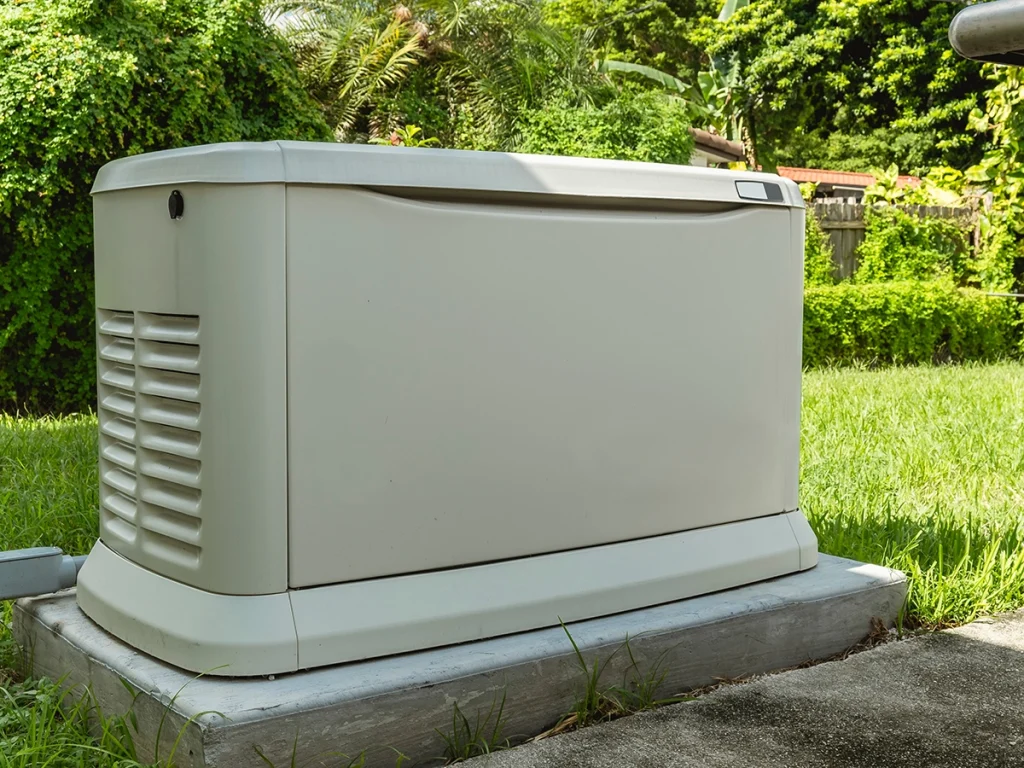
A Briggs & Stratton standby generator is a permanently installed backup-power system that can start automatically when utility power fails, provided it is configured with the appropriate transfer equipment and fuel supply. Unlike a portable generator, a standby unit is intended to support selected circuits or a broader portion of a building’s electrical system without relying on manual refueling during an outage.
The right scope depends on what must continue operating. Some households want to protect only necessities, while others want a whole-home backup approach that keeps more everyday equipment available. Michigan weather and utility interruptions can make this distinction especially meaningful when a property depends on electric pumps, refrigeration, heating controls, communication equipment, or other critical electrical loads.
Essential-load coverage versus broader home coverage
Essential-load generator installation typically prioritizes a defined set of circuits. This approach can be practical when the goal is to keep a refrigerator, selected lighting, a sump pump, internet equipment, certain heating components, and a few receptacles operating. It requires a clear decision about what remains powered and what stays off while the generator is running.
Broader coverage uses a larger design and may support more of the home, subject to load calculations and system limitations. Larger systems can offer more convenience, but they also require careful consideration of major loads such as air conditioning, electric ranges, dryers, water heaters, well pumps, and electric vehicle charging. A larger nameplate rating alone does not answer whether all appliances can run at once.
- Essential-load systems focus generator capacity on selected, high-priority circuits.
- Whole-home or broad-coverage systems aim to support more normal operation but call for more detailed load planning.
- Load-management solutions may help prevent selected high-demand appliances from operating simultaneously when capacity is limited.
What a Briggs & Stratton generator installation involves
A complete installation is a coordinated electrical project, not just placement of a generator outside the building. The system must be evaluated in relation to the electrical service, transfer equipment, generator output, protected loads, and the site conditions that affect safe access and ongoing service. Fuel connection and applicable permitting or inspection requirements also need to be considered as part of the overall plan.
For a homeowner in Novi, the installation discussion should begin with daily-life priorities during an outage. Listing the equipment that truly needs power produces a more useful starting point than choosing a generator based solely on square footage. It also makes it easier to compare a selective backup design with a more comprehensive standby power system.
Assessment and load planning come first
The first practical step is to identify the electrical loads that are important during a power interruption and how they may operate together. Heating equipment, refrigeration, pumps, medical devices, work-from-home equipment, security systems, lighting, garage doors, and kitchen circuits may all deserve consideration. Major motor loads and high-wattage appliances deserve special attention because their starting or operating demand can materially affect system design.
Property conditions also matter. The electrical panel arrangement, available space for transfer equipment, proposed generator location, accessibility, noise considerations, and route for electrical connections can influence the scope. A professional site review helps turn a general desire for backup power into a plan with defined equipment and installation requirements.
Transfer switching protects the utility connection
An automatic transfer switch is the component that separates generator power from the utility supply and transfers designated power when an outage occurs. It is central to safe standby-generator operation because generator electricity must not feed back into utility lines. Depending on the design, the transfer equipment may support selected circuits, an entire service, or a managed arrangement that prioritizes loads.
For that reason, a generator should not be connected by improvised methods or through an unapproved backfeed arrangement. Proper transfer switching and electrical integration are essential parts of a home backup generator installation, not optional add-ons. Discussing transfer-switch capacity early helps ensure the proposed system aligns with the level of coverage the owner expects.
Fuel, placement, and post-installation readiness matter
Many standby systems use natural gas or propane, and the available fuel source affects planning. The generator’s fuel demand must be considered alongside the capacity and arrangement of the existing fuel system. Electrical work and fuel-related work have separate considerations, so homeowners should understand which parts of the project require coordination with the appropriate providers or trades.
After installation, the owner should understand how the system behaves during an outage, what equipment is covered, and what routine attention the generator requires. Backup equipment is most useful when expectations are clear before the first emergency. Keeping the area around the unit accessible and following the manufacturer’s maintenance guidance can support reliable readiness over time.
- Describe the appliances, circuits, and routines that matter during an outage.
- Review the electrical service, panel, transfer-switch needs, and possible generator location.
- Match generator capacity and coverage goals to the property’s calculated or evaluated load needs.
- Coordinate required electrical, fuel, permitting, and inspection considerations for the project.
- Review operation, covered loads, and maintenance expectations after the system is in place.
Questions to resolve before selecting a generator provider
The most useful provider conversation is specific. A homeowner should be able to explain what needs to stay on, what can be temporarily unavailable, and whether the property has natural gas, propane, or another fuel arrangement. The provider should be able to explain the electrical components in understandable terms and distinguish between what is included in the electrical scope and what may require outside coordination.
Ask how the system will handle high-demand equipment, whether the planned transfer switch fits the desired coverage, and what site conditions could affect the work. It is also sensible to ask what information is needed to develop an accurate scope. Clear answers matter more than broad promises because every service entrance, panel configuration, and backup-power priority list can be different.
- Which circuits or appliances will the generator support during an outage?
- Is the design intended for essential loads, broad coverage, or managed loads?
- What transfer-switch arrangement is being considered, and why?
- What electrical-panel or service details need to be reviewed before finalizing the plan?
- How will fuel availability and fuel demand be addressed?
- What local permits, inspections, manufacturer requirements, or coordination steps may apply?
Cost is another important consideration, but comparing only generator price can be misleading. The complete project may include generator capacity, transfer equipment, electrical labor, wiring routes, site preparation, fuel-related coordination, permits, and any changes needed at the electrical service or panel. A clear scope supports more meaningful comparisons between a smaller essential-circuit solution and a larger automatic standby system.
Why Executive Electric is a relevant contact for Novi backup-power planning
Executive Electric provides a direct point of contact for customers considering Briggs & Stratton generator installation and the associated electrical planning. Rather than assuming every property needs the same arrangement, begin with the outage problems you want to solve and the equipment you want to protect. That information gives the installation discussion a practical foundation.
Executive Electric’s listed location is 20504 Hall Rd, Clinton Township, MI 48038, not Novi. This distinction is useful for customers seeking service information in Novi, MI: the company’s physical address is in Clinton Township, while the page addresses the needs and decisions involved in pursuing generator installation for a Novi property. Contacting the company is the appropriate next step to discuss the property, service interest, and scheduling or service-area details directly.
A standby generator can offer automatic continuity for selected priorities when utility power is unavailable, but it should be treated as an integrated electrical system. Careful load selection, suitable transfer equipment, proper fuel planning, and a clear understanding of coverage are the factors that turn backup power from a general idea into a usable household or business resilience plan.
Frequently asked questions about standby generator projects
What is included in a Briggs & Stratton generator installation?
A Briggs & Stratton generator installation generally includes planning for generator capacity, electrical connection, transfer-switch equipment, protected loads, and site placement. Fuel supply, permits, inspections, and site-specific electrical changes may also be part of the project or require coordination, depending on the property and local requirements.
Can a standby generator power my entire home in Novi, MI?
It may be possible, but the answer depends on the generator’s capacity, the home’s electrical demand, the transfer equipment, and which large appliances are expected to run at the same time. An electrical load review helps determine whether full coverage, essential-circuit coverage, or load management is the more appropriate option.
Why is an automatic transfer switch necessary?
An automatic transfer switch isolates the property from utility power before generator power is supplied. This prevents unsafe backfeeding into utility lines and enables the system to transfer power automatically when configured to do so. The transfer switch also helps define which circuits or loads the standby generator will serve.
Where is Executive Electric located if I am seeking generator service for a Novi property?
Executive Electric is located at 20504 Hall Rd, Clinton Township, Michigan 48038. The company does not claim a Novi office on this page. Novi customers can use the contact process to discuss their generator installation needs, property details, and whether the requested service can be arranged.
Ready to move from outage concerns to a clearer backup-power plan? Contact Executive Electric to discuss Briggs & Stratton generator installation needs for a Novi, MI property. Executive Electric is located at 20504 Hall Rd, Clinton Township, MI 48038, and can help you begin the conversation with the property details and power priorities that matter most.