Home Generator Installation Mount Clemens, MI
When an outage interrupts heating, refrigeration, internet access, lighting, or essential medical equipment, a permanently installed generator can keep selected household systems operating without the limitations of a portable unit. Executive Electric helps homeowners evaluating Home Generator Installation in Mount Clemens, MI understand the equipment, electrical work, and planning involved before making a decision. Executive Electric is located at 20504 Hall Rd, Clinton Township, MI 48038, and Mount Clemens homeowners can contact the company to discuss their project needs.
A residential standby system is designed to sense a utility interruption, start automatically, and deliver power through a transfer switch. The right design depends on what a household needs to keep running, the electrical load involved, the available fuel source, and the home’s existing service equipment. A thoughtful installation plan turns backup power from a last-minute concern into a practical part of household preparedness.
Choose backup power around the systems that matter most
Generator sizing is not simply a matter of choosing the largest unit. A useful plan identifies essential circuits, considers startup demand from motor-driven equipment, and distinguishes must-have power from convenience loads. This approach can help a homeowner select an appropriate system while avoiding unnecessary complexity.
- Refrigerators, freezers, lighting, and key receptacles
- Heating equipment, sump pumps, and well pumps where applicable
- Internet equipment, security systems, garage doors, and home office circuits
- Selected kitchen appliances or broader whole-home coverage, depending on the design
Mount Clemens, Michigan homeowners often begin with the need to protect daily essentials, then decide whether they want partial-home or more comprehensive coverage. A load assessment helps clarify that choice. It accounts for the electrical demand of the circuits and appliances intended to operate at the same time, rather than relying on a rough estimate alone.
Whole-home coverage and essential-load coverage are different plans
Whole house generator installation generally refers to a system planned to support most or all of a home’s electrical needs within the limits of its generator capacity and electrical design. It can be a strong fit for households that want broad continuity during an outage, but it requires careful load planning because large appliances and heating or cooling equipment can significantly affect sizing. Essential-load coverage, by contrast, prioritizes designated circuits that protect comfort, food storage, safety, and communication.
The choice is practical rather than one-size-fits-all. A homeowner who mainly needs a furnace, refrigerator, sump pump, and a few lights may prefer a focused circuit plan. A household that depends on many electrical systems, works from home, or wants fewer decisions during an outage may find broader coverage worth discussing with an electrical professional.
Automatic operation changes the backup-power experience
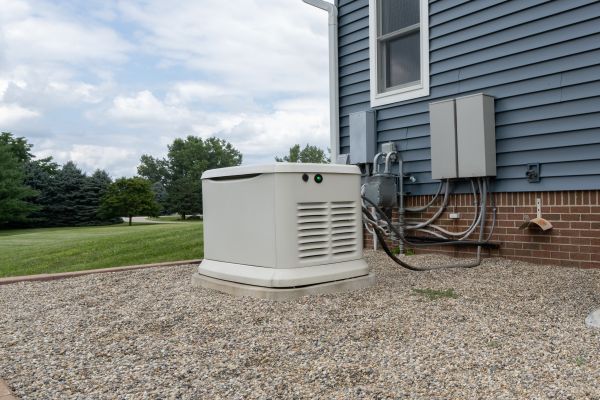
Standby generator installation connects a permanently placed generator to the home’s electrical system through properly designed transfer equipment. When utility power fails, the transfer switch isolates the home from the grid and directs generator power to the intended circuits, helping prevent unsafe backfeeding. Once normal utility service returns, the system transfers back according to its operating design.
This automatic sequence is a key difference between a standby setup and a portable generator. Portable units may be useful in limited situations, but they require manual setup, safe outdoor placement, fuel handling, and a proper connection method. A permanently installed system is intended to reduce those steps and provide a more integrated electrical backup option.
A standby unit is part of a larger electrical system
A Home standby generator is more than the equipment placed outside the home. It works with a transfer switch, electrical panel connections, approved wiring methods, fuel supply arrangements, and controls that coordinate operation during an outage. Reviewing these components together helps ensure the proposed system matches the home’s intended level of protection.
Homeowners should also consider placement, access for future service, expected noise considerations, and clearance requirements that may apply to the property. Local permitting and inspection requirements can also affect the project sequence. A professional evaluation is useful because the electrical and fuel-related details should be addressed before installation begins, not after equipment has been selected.
What a professional generator project typically includes
Successful generator projects begin with discovery, not equipment assumptions. Executive Electric can be contacted to discuss the home, the systems a homeowner wants to protect, and the details that influence a practical installation path. The final scope should be based on the property’s electrical configuration and applicable project requirements.
- Review priorities: Identify essential appliances, comfort systems, pumps, communications equipment, and other loads that matter during an outage.
- Assess the electrical system: Consider panel capacity, circuit arrangement, transfer equipment needs, and the generator output required for the desired coverage.
- Plan fuel and placement: Evaluate the fuel option, equipment location, clearances, accessibility, and any permitting considerations.
- Complete installation and connection: Install the generator, transfer equipment, wiring, and related components according to the finalized project plan.
- Test and orient the homeowner: Confirm normal operating behavior and explain the owner responsibilities, monitoring needs, and recommended maintenance approach.
Backup generator installation should be approached as an electrical safety and continuity project, not as an appliance purchase alone. The transfer switch is especially important because it separates generator power from utility power and determines which circuits receive backup electricity. Asking how the electrical load will be evaluated, what equipment is included, and how the completed system will be tested gives a homeowner a clearer view of the proposed work.
Project timing can vary based on equipment selection, property conditions, fuel coordination, permits, and inspections. A homeowner can prepare by making a written list of outage priorities and noting equipment that has a high startup load, such as pumps or air-conditioning components. Clear priorities help make the consultation more productive and reduce the risk of buying capacity that does not align with real needs.
Fuel choices, maintenance, and practical ownership considerations
Natural gas generator installation may be appropriate where a suitable natural gas supply is available and the project design supports it. Natural gas can eliminate the need to store and refill gasoline, but fuel capacity, supply considerations, connection work, and local requirements still need review. Other generator fuel options may be considered depending on the property and equipment plan, so the fuel decision should be made alongside the electrical load assessment.
Reliable backup power also requires ongoing attention after installation. Generator owners should follow the equipment manufacturer’s maintenance guidance, keep the area around the unit accessible, and understand any periodic exercise cycle or alert system associated with the equipment. Routine service needs are normal for engine-driven equipment, and planning for them helps preserve readiness when an outage occurs.
Backup power can support both comfort and risk reduction
Home electrical backup solutions can help households reduce the disruption caused by an unexpected loss of utility power. For some homes, the priority is keeping a sump pump and refrigeration running; for others, it is maintaining heat, connectivity, lighting, or the ability to work from home. Defining the household’s actual outage risks is more useful than selecting equipment based only on square footage.
A generator does not necessarily need to power every device in the home to be valuable. Targeted coverage can protect the systems that would be most difficult or costly to lose during an extended interruption. That perspective can help homeowners balance budget, electrical demand, fuel planning, and desired convenience.
Power outage backup solutions are particularly worth considering for households that cannot easily pause essential routines when utility service is unavailable. The best approach begins with a realistic list of what must continue operating, how long an interruption could affect the household, and whether automatic transfer is important. This planning also helps distinguish a permanent standby system from smaller temporary alternatives that may require more manual effort.
Before selecting a provider, homeowners should seek clear communication about scope, equipment compatibility, electrical modifications, fuel-related work, permitting responsibilities, testing, and future maintenance expectations. A detailed conversation is valuable because every property has different circuits, loads, and placement conditions. Executive Electric’s Clinton Township location provides a direct point of contact for Mount Clemens-area homeowners who want to begin that conversation.
Generator support should match the life of the system
Residential generator services encompass the planning and electrical integration needed to make a home backup system useful, not merely the presence of a generator outdoors. Homeowners benefit from understanding how the generator, transfer switch, panel, protected circuits, and fuel source work together. A well-defined scope also makes it easier to ask informed questions about operation, testing, and maintenance after the project is complete.
For homeowners in Mount Clemens, MI, the next step is to identify the systems that matter most during an outage and share that list during a consultation. Executive Electric can help start a discussion centered on the home’s power priorities and installation considerations. Contact Executive Electric at 20504 Hall Rd, Clinton Township, MI 48038 to discuss a home generator project in Michigan.
Questions homeowners commonly ask
How does an automatic home generator work during a power outage?
A standby generator monitors utility power through its controls. When an outage is detected, it starts and the transfer switch disconnects the selected home circuits from the utility before supplying generator power. When utility service returns, the system transfers back and the generator shuts down according to its operating sequence.
Do I need a generator large enough to run my entire house?
No. Many homeowners choose essential-load coverage for critical circuits such as heating, refrigeration, pumps, lighting, and internet equipment. Whole-home coverage may be appropriate for broader needs, but a load assessment is the practical way to determine the generator capacity and transfer equipment that fit the desired level of backup power.
Can Executive Electric be contacted by homeowners seeking generator work in Mount Clemens?
Yes. Executive Electric is located at 20504 Hall Rd, Clinton Township, MI 48038. Homeowners seeking Home Generator Installation in Mount Clemens can use the contact form to discuss their property, outage priorities, and the electrical planning considerations relevant to a permanent backup system.
What should I prepare before contacting an electrician about a generator?
List the appliances and systems you want to operate during an outage, including pumps, heating equipment, refrigeration, communications devices, and major loads. Note whether automatic operation is important and whether the home has an available fuel source. Those details help guide an initial discussion about coverage, capacity, placement, and installation scope.
Ready to plan for the next outage? Contact Executive Electric to discuss Home Generator Installation needs for your Mount Clemens home. Reach the company at 20504 Hall Rd, Clinton Township, MI 48038 and begin with the electrical systems and household priorities you want to protect.